Sighthound and Pariah Dog Group Breeds
This page features Sighthound and Pariah Dog group breeds, offering detailed information for anyone interested in learning about these dogs. Each breed profile includes key traits such as temperament, size, energy level, and general care needs.
This group is divided into two types: Pariah Dogs and Sighthounds. Pariah Dogs Pariah Dogs comprise some of the oldest breeds known to man. These breeds represent the first stage in the evolution of dogs from wild creatures to domestic animals. Pariah Dogs evolved primarily in the southern hemisphere where a limited food supply drove them to a closer association with people. These breeds lived on the outskirts of human settlements, scavenging and occasionally interacting with humans. In response to the warm climate, the Pariah Dogs developed short, smooth coats and large, erect ears. These breeds are believed to be the ancestors of the Sighthounds. Sighthounds In the treeless deserts of North Africa, hunting was accomplished by sighting the prey and chasing it on horseback. As hunting evolved from a necessity to a leisure pastime, dogs became an integral part of the sport. The Sighthounds were bred with light bone and deep chests, enabling them to run swiftly for longer periods of time. Long heads evolved to minimize wind resistance and enable the dog to withstand higher temperatures. Early sea traders carried these Sighthounds to all corners of the known world where their remarkable hunting abilities and exceptional beauty made them valuable commodities.
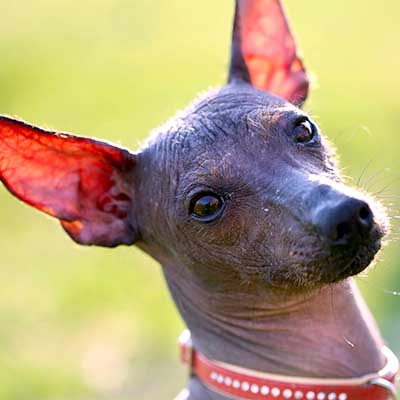
Xoloitzcuintli
The Xoloitzcuintli, commonly known as the Mexican Hairless Dog, boasts a rich history that dates back long before Christopher Columbus arrived in the Americas. This adaptable breed has fulfilled various roles throughout its existence, serving not only as a food source and in sacrificial ceremonies but also as a companion, hunting aide, guard dog, and even a provider of medicinal properties. Hailing from Central America, especially Mexico, the Xoloitzcuintli is represented in artifacts discovered in the burial sites of the Aztec, Maya, and Colima cultures. This breed is available in three distinct sizes: standard, miniature, and toy. Notably, despite its prevalent name, there are also coated versions of this breed, which are simply called "Xolos."
Read more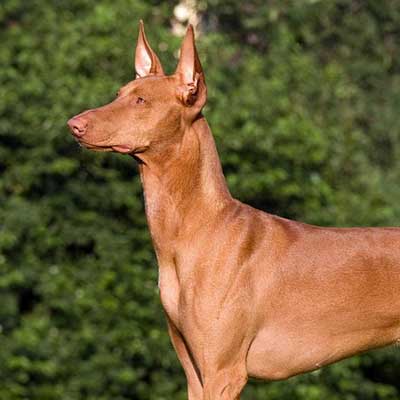
Pharaoh Hound
The Pharaoh Hound, recognized for its reserved yet spirited personality, has origins dating back to around 3000 B.C. While it has traditionally been thought to originate from Ancient Egypt, recent genetic research suggests that its true beginnings are in Malta. Ancient Egyptian hieroglyphics provide evidence of the Pharaoh Hound's long-standing presence, indicating that this breed has existed for millennia. With a strong and athletic physique, the Pharaoh Hound exhibits a graceful and elegant movement. Initially bred for hunting small game, it utilizes its sharp senses of sight, sound, and smell. This breed boasts an exotic and noble appearance, brimming with energy and a love for playful pursuits. The Pharaoh Hound shines in agility and lure coursing, demonstrating its remarkable athletic abilities. Grooming is simple due to its short, glossy coat, which only requires weekly brushing to manage shedding. For optimal well-being, the Pharaoh Hound thrives in an environment that meets its exercise needs.
Read more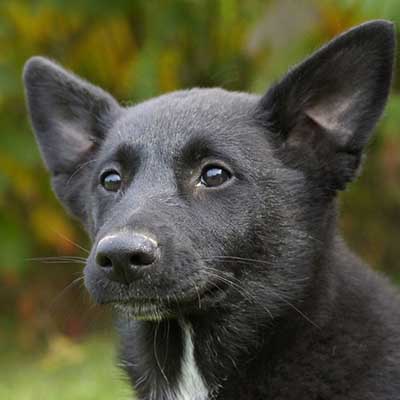
Canaan Dog
The Canaan dog is a medium-sized breed that has evolved over centuries, overcoming various challenges throughout its history. Many enthusiasts believe this breed traces its origins back to biblical times in the Canaan region, where it was known as kalef K’naani, translating to "dog of Canaan." Typically, females weigh about 45 pounds, while males can reach up to 55 pounds. Traditionally, Canaan dogs have fulfilled multiple roles, such as sentinels, messengers, and assistance animals. They are recognized for their alertness, vigilance, and territorial instincts, exhibiting a gentle nature with their families while being more reserved around unfamiliar faces. These dogs are highly active, intelligent, and responsive, thriving in environments that provide ample physical and mental challenges. Overall, the breed is robust and requires very little grooming.
Read more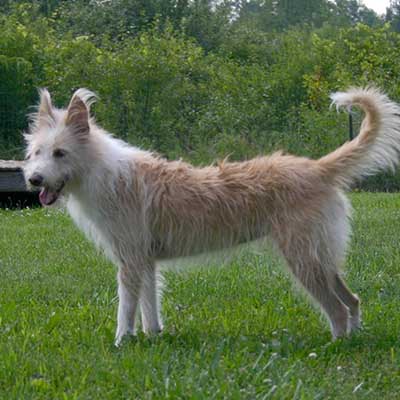
Podengo Portugueso
The Portuguese Podengo is a rare breed that closely resembles its relatives, such as the Pharaoh Hound, Cirneco dell'Etna, and Ibizan Hound. This energetic and joyful dog flourishes in social settings, ideally in a group or with at least one other dog. Renowned for its friendly nature, the Portuguese Podengo is also great with children. However, it's essential to have a high fence, as this breed is known for its remarkable jumping ability. The breed comes in three distinct sizes, with the Grande and Medio being quite similar; many registries do not differentiate between the two. In contrast, most organizations clearly distinguish the Portuguese Podengo from the smaller Portuguese Podengo Pequeno.
Read more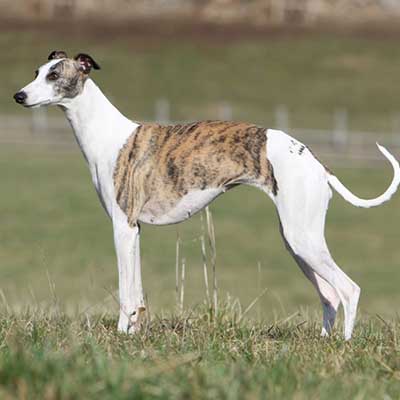
Whippet
The Whippet is a graceful breed that shares a close lineage with the Greyhound and hails from England. Originally developed for rabbit-luring competitions, these dogs later took part in rag races. With their slender build, Whippets are incredibly athletic and excel in a variety of canine sports, including agility, flyball, and lure coursing. They are known for their gentle nature, generally displaying good behavior around children and other dogs. However, it's important to exercise caution when they are around smaller pets, such as cats, as their instincts may lead them to see these animals as potential prey. Although they are vigilant and make good watchdogs, they do not possess the aggression needed to function as reliable guard dogs for your home.
Read more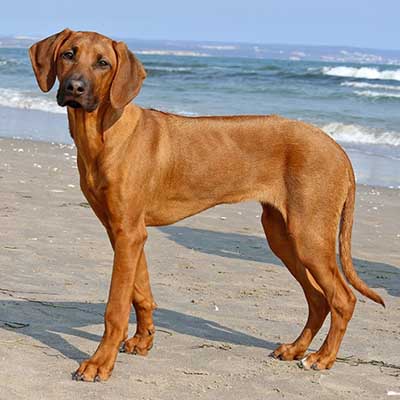
Rhodesian Ridgeback
In their quest for a hunting dog better suited to Africa's challenging climates, Dutch settlers crossbred their imported European breeds with a native tribal dog. This breeding produced a reddish-brown dog characterized by a unique ridge of fur along its back, adept at hunting large game and protecting families and homes. Originally employed for lion hunting, the Rhodesian Ridgeback's loyal and affectionate disposition soon endeared it to families, contributing to its rising popularity in other countries. Today, while it is still appreciated for its keen eyesight and scent-tracking skills, the Rhodesian Ridgeback is also celebrated as a low-maintenance, well-mannered, and energetic companion, thriving in dog shows, protection roles, and playful interactions with its human family.
Read more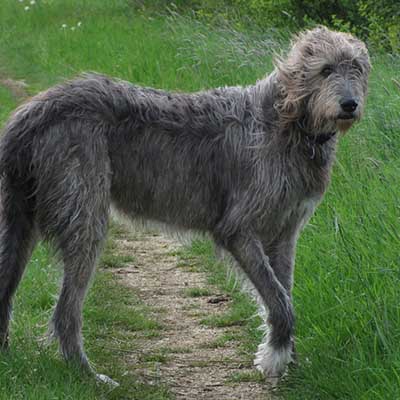
Irish Wolfhound
The Irish Wolfhound is a striking breed that was initially developed to assist in pulling men from their horses and chariots. Beyond its historical significance as a powerful hunting partner, the breed nearly faced extinction due to the dwindling populations of boars and wolves in Ireland. Captain George Graham was instrumental in the breed's revival, incorporating Great Danes and Deerhounds into its genetic line. Once referred to as the "Great Hound of Ireland," these dogs were highly esteemed by the aristocracy, often exchanged as gifts and even becoming the subject of ownership disputes. The American Kennel Club granted official recognition to the Irish Wolfhound in 1897.
Read more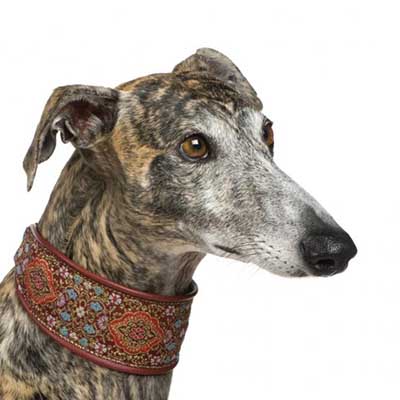
Spanish Greyhound
The Spanish Greyhound is an exceptionally athletic and dignified breed, known for its somewhat reserved disposition. These dogs may display shyness in the presence of strangers, often preferring to maintain a safe distance from those they do not know. Nevertheless, they are incredibly loving towards their families and can also develop strong connections with familiar individuals outside their immediate home. Renowned for their gentle nature, Spanish Greyhounds are especially good with children, including younger ones. To ensure they adapt to new situations with ease, early socialization is crucial. Training is generally uncomplicated, especially when positive reinforcement methods are used, as they do not respond well to harsh commands.
Read more