Gun Dog Group Breeds
This page features Gun Dog group breeds, offering detailed information for anyone interested in learning about these dogs. Each breed profile includes key traits such as temperament, size, energy level, and general care needs.
Many Gun Dog breeds were already in use by hunters before the advent of hunting with firearms. Originally used to hunt a variety of game types, today’s Gun Dogs are primarily used to hunt birds. The dogs in this Group can be roughly subdivided into four often overlapping categories, based on their primary usage: Retrievers, Pointers, Setters and Flushing Spaniels. The earliest Retrievers were the water dogs, characterized by shaggy, sometimes curly coats, and probably descended from crosses between the shaggy herding dogs of the East and dogs used for hunting. The land retrievers, developed later and primarily of British origin, have heavier bodies, wider heads, and shorter, dense, water-resistant coats. The many breeds of Pointers, developed to identify the location of birds with a distinctive “pointing” stance, are descendants of the scenthounds. Pointers display their ancestors’ strong hunting drive and scenting abilities. Early Setters displayed a trait of slightly crouching or “setting” upon locating game. This trait enabled falconers and hunters with nets to get closer to the birds when stalking their prey. Setters are characterized by fringes of hair on the ear, legs, and tail. Flushing Spaniels are the descendants of Setters with the added ability of flushing out the game. The affectionate personality and attractive appearance of the Spaniel breeds led to the development of diminutive Spaniel breeds used exclusively as companions.
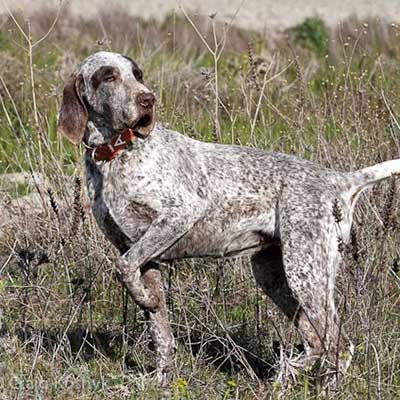
Perdiguero de Burgos
The Burgos Pointing Dog is a remarkable and dignified breed, specifically bred for hunting purposes. These dogs are tenacious in the field and can easily adapt to a variety of terrains and game types, whether they involve fur or feathers. They are best suited for rural environments or homes with large, secure yards that provide ample space for exploration. An active family is crucial for their happiness, as they thrive on regular exercise and mental stimulation. While they might be able to adjust to apartment living, it would necessitate a strong commitment to vigorous daily activities—not merely casual strolls—to keep them satisfied. Without sufficient physical activity, they may develop destructive habits. As companions, Burgos Pointing Dogs are known for their affection and loyalty, making them wonderful family pets. They are generally a good fit for first-time dog owners, but they respond best to a training style that is firm yet kind. This breed does not do well with harsh training methods; instead, they flourish under the care of calm, confident, and nurturing owners. Their coat is distinctive, characterized by a short and dense texture, usually displaying a liver and white pattern with noticeable ticking that gives them a rugged appearance. Obedient and gentle, the Burgos Pointing Dog truly reflects its noble and graceful demeanor.
Read more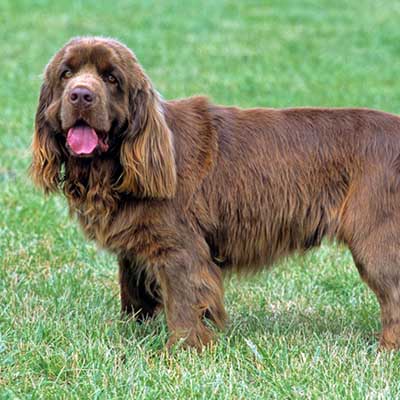
Sussex Spaniel
The Sussex Spaniel, celebrated for its intelligence and gentle temperament, takes its name from Sussex, England, where it originated. This breed made its debut in the 1800s and was one of the first to gain official recognition in the AKC Stud Book upon its establishment in 1884. Mr. Fuller played a pivotal role in the breed's development, leaving a lasting mark on its history. Typically, Sussex Spaniels have a lifespan of 13 to 15 years, weigh between 35 to 45 pounds, and stand 13 to 15 inches tall. They are distinguished by their deep chests, robust physiques, wavy ears, and large hazel eyes, which often convey a soulful, youthful expression. Their coat is a striking golden-liver hue. Initially bred for tracking and flushing small game, their abilities have broadened to include bird flushing and retrieving, highlighting their proficiency in the field. This breed is valued not only for its hunting prowess but also for its loving disposition, making it a cherished family pet. While they do bark and serve as dependable watchdogs, they need regular grooming to keep their flowing, wavy coat in good condition. Sussex Spaniels require daily exercise but also relish spending quality time with their families.
Read more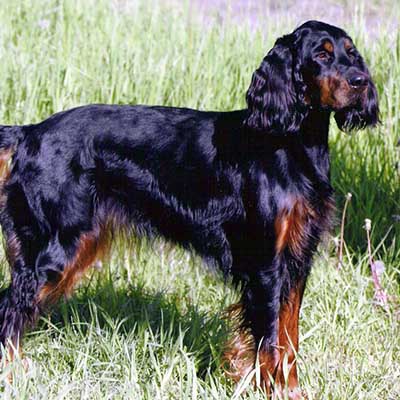
Gordon Setter
These dogs feature a beautiful, shiny, and smooth coat, making them the largest breed in the Setter family. Their lineage can be traced back to Scotland, specifically to the kennels of Alexander IV, the fourth Duke of Gordon, which is how they acquired the name Gordon Setter. Originally bred for hunting, these dogs are known for their impressive stamina, although they are not particularly swift. Generally, they are devoted companions, but they can show signs of stubbornness if their owners fail to assert clear leadership. While they do tend to drool moderately and shed quite a bit, with the right care, they can make excellent pets. Their high energy levels require plenty of space to move around and consistent daily exercise to ensure they remain happy and healthy.
Read more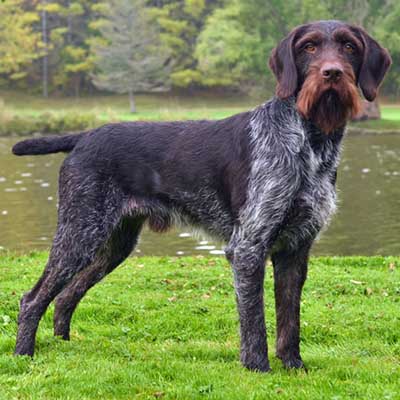
German Wirehaired Pointer
The German Wirehaired Pointer is a medium-sized breed celebrated for its sturdy build and well-defined musculature. Easily identifiable by its unique wiry coat, which offers protection against various weather elements, this dog also features a prominent beard and expressive eyebrows. Originating in 19th-century Germany, the breed was specifically developed for hunting, resulting in a high-energy dog that flourishes when engaged in tasks. To keep this breed content, it is essential to supervise interactions with children and other animals, along with providing structured training and regular physical activity to help manage its energy levels. This adaptable breed excels in hunting across a variety of terrains and is proficient in pointing both on land and in water.
Read more