Gordon Setter
Scottish Setter, Black and Tan Setter, Castle Gordon Setter, The Gordon
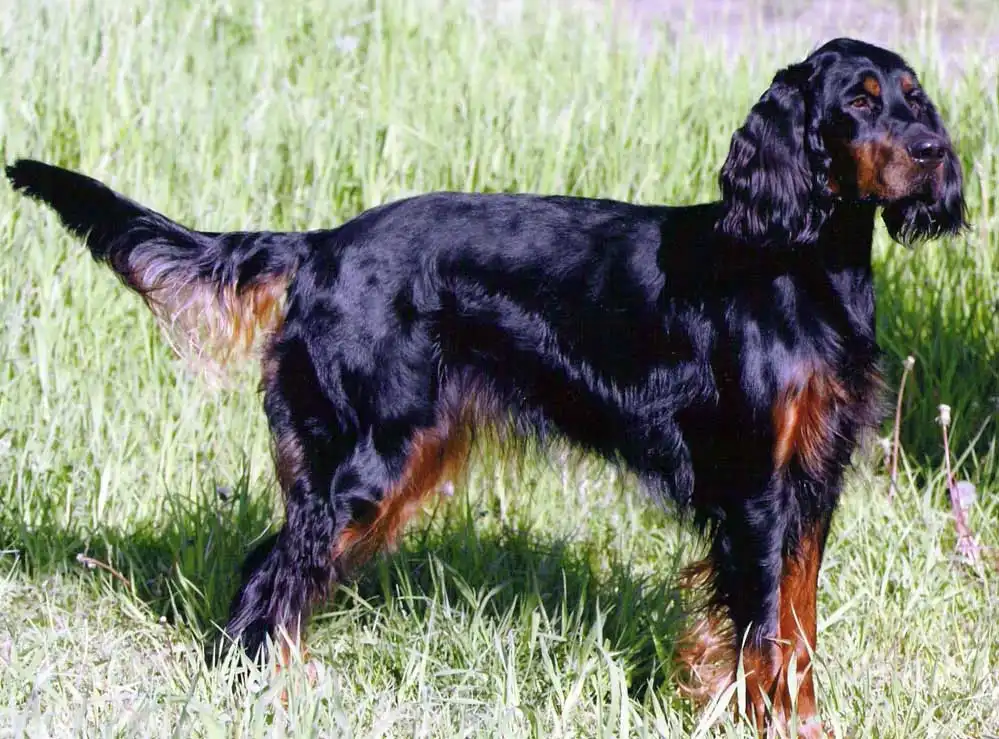
These dogs feature a beautiful, shiny, and smooth coat, making them the largest breed in the Setter family. Their lineage can be traced back to Scotland, specifically to the kennels of Alexander IV, the fourth Duke of Gordon, which is how they acquired the name Gordon Setter. Originally bred for hunting, these dogs are known for their impressive stamina, although they are not particularly swift. Generally, they are devoted companions, but they can show signs of stubbornness if their owners fail to assert clear leadership. While they do tend to drool moderately and shed quite a bit, with the right care, they can make excellent pets. Their high energy levels require plenty of space to move around and consistent daily exercise to ensure they remain happy and healthy.

Breed Origin
Gordon Setters have been woven into the fabric of Scotland's history since 1620, initially known as the Black-and-Tan Setter. Their popularity surged approximately 200 years later, largely due to their association with Alexander, the fourth Duke of Gordon, who housed them in his kennels. These dogs, often referred to as Castle Gordon Setters, proved to be outstanding hunting partners, showcasing remarkable abilities in bird hunting, including their talent for scenting and retrieving downed game. Their impressive stamina allowed them to navigate diverse terrains and weather conditions, whether on land or in water. In their early days, Gordon Setters exhibited a variety of colors, such as white, black, red, tan, and tricolor. However, the Duke's preference for the black and tan combination solidified this look as the breed's signature. After the Duke's death in 1827, his successor took over the kennels, but it wasn't until 1924 that the breed officially adopted the name Gordon Setter. The breed made its debut in the United States in 1842 when Mr. George Blunt imported two dogs, Rake and Rachel, from the Duke's kennels. The Gordon Setter Club of America was founded in 1924. Today, these dogs are revered not only as devoted companions and impressive show dogs but also as exceptional hunting partners for individual hunters. Furthermore, they contributed to the development of the Irish Setter.
Breed Appearance
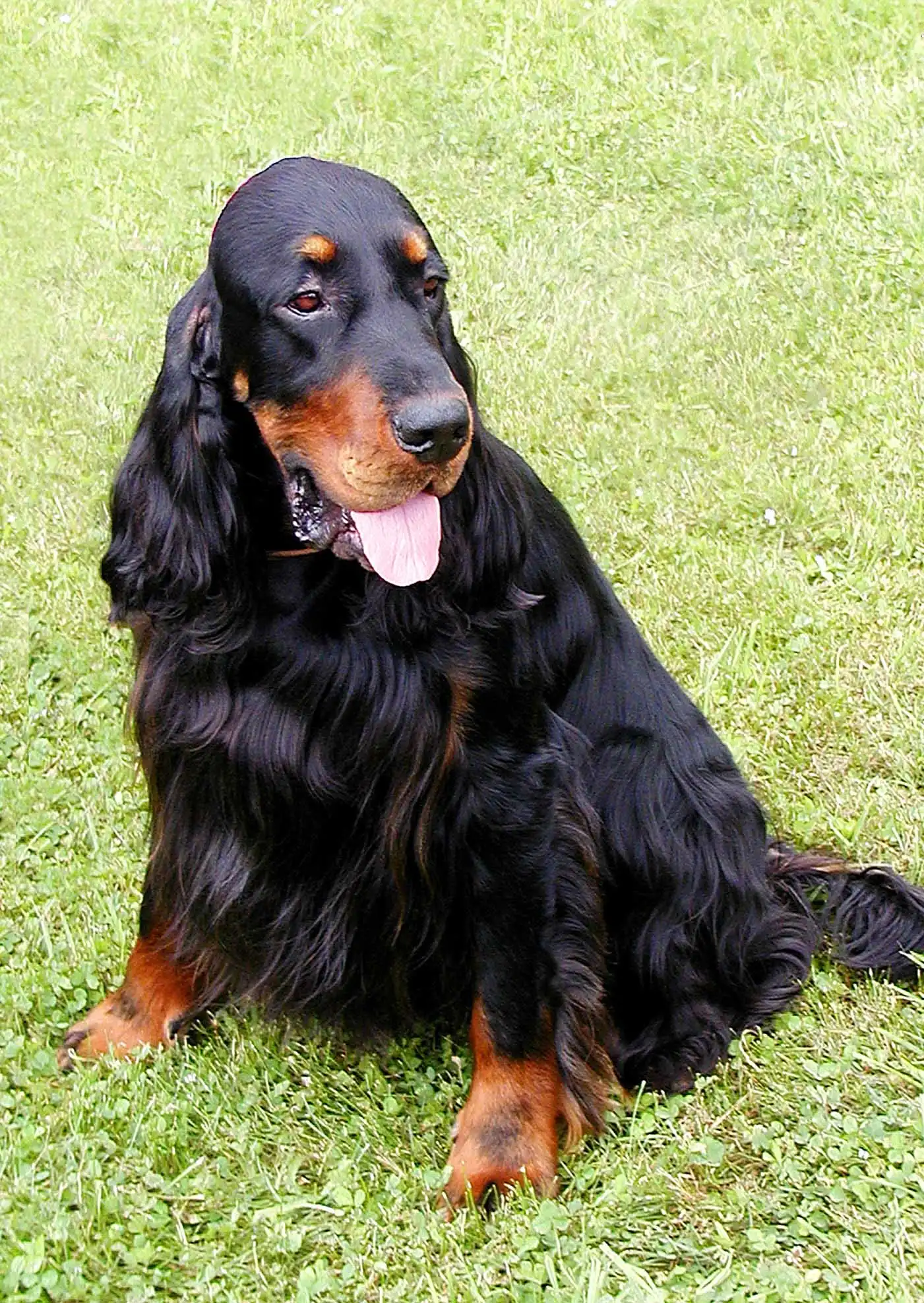
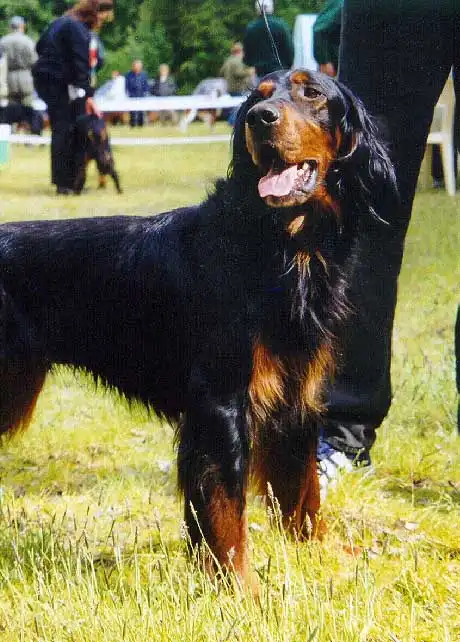
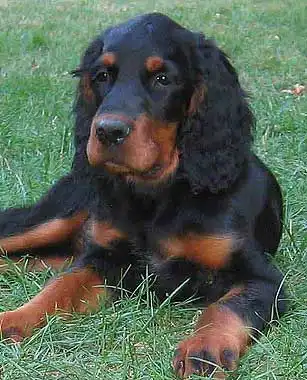
The Gordon Setter is distinguished by its luxurious, shiny coat, which is particularly long around the ears, the back of the legs, the chest, the tail, and the belly. This fur can be either straight or have a subtle wave. Their tails are relatively short and feature triangular feathering that tapers toward the tip, creating a flag-like appearance. While the tails typically hang low, they elevate when the dog is excited. The only officially recognized color variations for Gordon Setters are black and tan, often highlighted by mahogany markings on the lower muzzle, above the eyes, and in large patches on the chest, throat, inner back legs, around the vent, and on the forelegs. A small white spot may also be present on the chest. The black and tan colors remain distinct and do not blend into one another. As the largest breed among Setters, they have broad, deep heads and long, square muzzles with prominent black noses and well-defined nostrils. Their ears are long, floppy, and slightly pointed, resting flat against their heads. The eyes are oval and a rich brown, while their feet are round and cat-like. The body’s topline slopes gently toward the back.
Care Routine
The Gordon Setter is a lively breed that requires consistent exercise to stay happy and healthy, making them ideal companions for those who enjoy activities like running or jogging. They thrive on long neighborhood walks and love engaging in spirited games of fetch to fulfill their exercise needs. Apartment living is generally not suitable for them; they flourish in homes with large, fenced yards where they can run freely. While they are smart and relatively easy to train, they need a confident owner to establish clear authority; without this, they may take advantage of a lack of leadership. It’s crucial to maintain a consistent and firm training approach, but it should be done without anger or force to gain their respect. Although Gordon Setters are quite energetic as puppies, they usually become calmer as they grow older, yet they remain competitive and can excel in various dog sports. Regarding their diet, these dogs typically thrive on 2 to 3 cups of food each day, split into two meals, though the specific amount can vary depending on the individual dog. Their coat needs grooming two to three times a week to prevent tangles and mats. To prevent ice balls and debris from accumulating in their paws, it’s advisable to trim the fur between their toes and on the pads. Regular baths every week or two are beneficial, but less frequent bathing is acceptable as long as they are brushed regularly. Due to their droopy ears, Gordon Setters are susceptible to ear infections, so it’s important to clean their ears weekly with a damp cotton ball and an appropriate cleanser. Additionally, they can develop bad breath without proper dental hygiene, so brushing their teeth at least two to three times a week is essential to prevent plaque buildup and gum disease. If their nails are not naturally worn down and you can hear them clicking on the floor, they will likely need trimming once or twice a month.
Behavior & Temperament
These calm and gentle dogs demonstrate a deep loyalty to their families. However, they tend to be cautious around strangers, which makes them effective guardians. Eager to please their owners, they can become assertive if not guided by a strong leader. The Gordon Setter is known for its bravery, intelligence, and alertness, making it a superb hunting partner. When hunting, these dogs prefer to stay close to their handlers rather than roam far away. While they may not be the fastest hunters, their impressive stamina allows them to work for long durations. Between 6 to 9 months of age, they may experience a phase of increased nervousness and fear. During this period, it’s crucial to remain calm and provide reassurance without overindulging them. Generally, they are friendly with children and have a natural instinct to protect them. They are patient and tolerant of the playful behavior of younger kids, and when they need a break, they will simply move away. If raised together and introduced properly, they usually coexist well with other pets, including dogs and cats. However, they may react negatively to unfamiliar dogs and could show unfriendly behavior. Additionally, they are prone to separation anxiety and prefer not to be left alone for long stretches.

Play & Exercise
Things to Know
Cups Per Day
3.0 Cups
Daily Activity
90 Minutes
Average Lifespan
11 Years
Origin
1600s
Type
Pure Breeds
Size
Large
Origin Country
Scotland
Brush Frequency
Daily
Coat Texture
Wavy
Register
Your kids have been begging for a pet forever, and you've recently decided that it's time for your family to get a new addition -- a dog! While everyone is excited for the new arrival, you're wondering if you need to have a dog license. How much does it cost? Is it required? Where do you get one?
Member Clubs

PETINNATE
Gun Dog

AKC
Sporting Group

UKC
Gun Dog
Height & Weight
Weight
63 lbs (29 kg)Male: 68 lbs (31 kg) , Female: 58 lbs (26 kg)
Height
25 inches (64 sm)Male: 26 inches (66 sm) , Female: 25 inches (64 sm)
6 Months
30 lbs ( m 30 lbs, f 30 lbs )
21 inches ( m 21 inches, f 21 inches )
12 Months
40 lbs ( m 40 lbs, f 40 lbs )
22 inches ( m 22 inches, f 22 inches )
18 Months
57 lbs ( m 57 lbs, f 57 lbs )
24 inches ( m 24 inches, f 24 inches )
Eye Colors
Brown

Nose Colors
Black
Coat Colors
Black

Brown
Fawn

Characteristics
Mixes
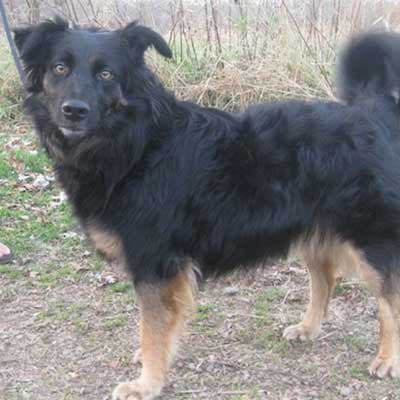
Gordon Sheltie
The Gordon Sheltie is a medium to large dog breed that has only recently emerged as a recognized designer hybrid, resulting in limited historical records. This distinctive breed is a cross between the Gordon Setter, a large hunting dog, and the Shetland Sheepdog, which was originally developed for herding. Gordon Shelties are known for their intelligence and desire to please, making them energetic companions that thrive in engaging environments. They have impressive stamina and require an active lifestyle. Although they demand a fair amount of grooming—needing to be brushed several times a week to control shedding, dirt, and prevent matting—they are ideal for lively households.
Read more