Gun Dog Group Breeds
This page features Gun Dog group breeds, offering detailed information for anyone interested in learning about these dogs. Each breed profile includes key traits such as temperament, size, energy level, and general care needs.
Many Gun Dog breeds were already in use by hunters before the advent of hunting with firearms. Originally used to hunt a variety of game types, today’s Gun Dogs are primarily used to hunt birds. The dogs in this Group can be roughly subdivided into four often overlapping categories, based on their primary usage: Retrievers, Pointers, Setters and Flushing Spaniels. The earliest Retrievers were the water dogs, characterized by shaggy, sometimes curly coats, and probably descended from crosses between the shaggy herding dogs of the East and dogs used for hunting. The land retrievers, developed later and primarily of British origin, have heavier bodies, wider heads, and shorter, dense, water-resistant coats. The many breeds of Pointers, developed to identify the location of birds with a distinctive “pointing” stance, are descendants of the scenthounds. Pointers display their ancestors’ strong hunting drive and scenting abilities. Early Setters displayed a trait of slightly crouching or “setting” upon locating game. This trait enabled falconers and hunters with nets to get closer to the birds when stalking their prey. Setters are characterized by fringes of hair on the ear, legs, and tail. Flushing Spaniels are the descendants of Setters with the added ability of flushing out the game. The affectionate personality and attractive appearance of the Spaniel breeds led to the development of diminutive Spaniel breeds used exclusively as companions.
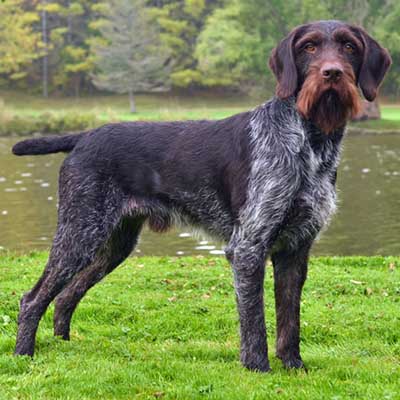
German Wirehaired Pointer
The German Wirehaired Pointer is a medium-sized breed celebrated for its sturdy build and well-defined musculature. Easily identifiable by its unique wiry coat, which offers protection against various weather elements, this dog also features a prominent beard and expressive eyebrows. Originating in 19th-century Germany, the breed was specifically developed for hunting, resulting in a high-energy dog that flourishes when engaged in tasks. To keep this breed content, it is essential to supervise interactions with children and other animals, along with providing structured training and regular physical activity to help manage its energy levels. This adaptable breed excels in hunting across a variety of terrains and is proficient in pointing both on land and in water.
Read more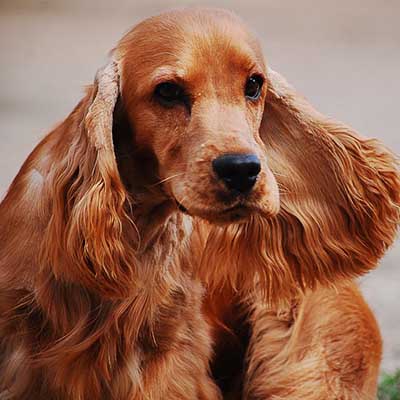
Cocker Spaniel
The American Cocker Spaniel traces its roots back to the English Cocker Spaniel but was intentionally bred with various other breeds to develop a smaller hunting dog that appealed to American hunters interested in game birds. These dogs are medium-sized, have a moderate level of energy, and are generally known for their joyful personalities. Renowned for their intelligence, American Cocker Spaniels are fairly easy to train for hunting activities and are loyal companions to their families. The breed received official recognition from the American Kennel Club (AKC) in 1878. They come in 13 unique colors and display two distinct styles of markings. According to the AKC, they are currently the 29th most popular dog breed in the United States.
Read more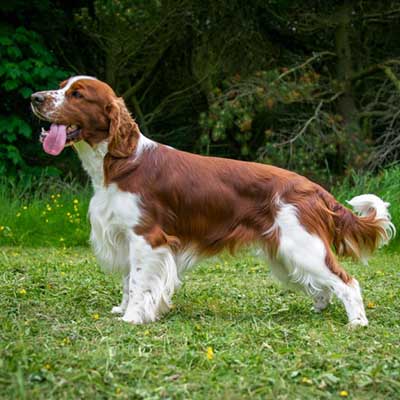
Welsh Springer Spaniel
These delightful and affectionate dogs have long been valued in the hunting world. The Welsh Springer Spaniel is celebrated for its intelligence, loyalty, and strong desire to please its owner. In fact, this breed is so devoted that it could easily be nicknamed "Velcro" for how closely it stays by your side! In addition to its friendly personality, the Welshie has an impressive coat that is not only waterproof and resistant to the elements but also thorn-proof. This breed also possesses slightly webbed feet, which enhance its swimming ability, making it an exceptional retriever for any game that falls into the water during hunts. If you are looking for a companion that is wonderful with children, a loyal friend, and a skilled hunter, the Welsh Springer Spaniel is a perfect fit. Although training this breed can be a bit challenging due to its stubbornness, with patience and consistency, you can cultivate it into a well-mannered pet. Just as in ancient times, these dogs remain popular not only for hunting but also for the warmth and vitality they bring to any household.
Read more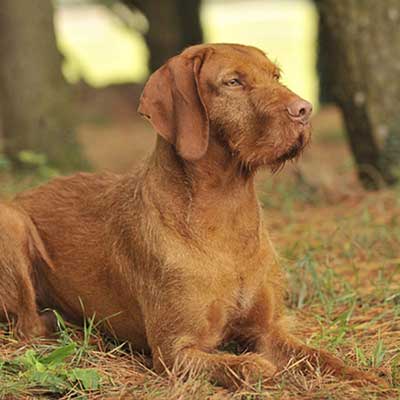
Hungarian Wire-Haired Vizsla
The Wirehaired Vizsla, a breed originating from Hungary, has a noble heritage. This medium-sized dog is celebrated for its friendly nature, which allows it to get along well with other animals when adequately socialized. It is also a beloved family pet. Initially bred for hunting—particularly for pointing and tracking game, as well as aiding in falconry—this breed has a fascinating history. Its lineage includes the Turkish Yellow Dog, Weimaraner, and Transylvania Hound, which are thought to have been brought to Hungary by the Magyars. Typically, the Wirehaired Vizsla showcases a golden coat with small white markings on its chest, combining a sturdy physique with impressive agility.
Read more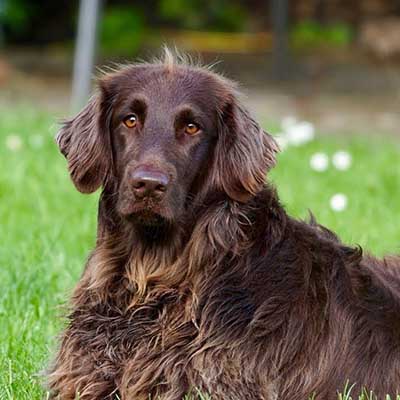
Deutscher Wachtelhund (German Spaniel)
The Deutscher Wachtelhund is a sturdy, medium-sized breed primarily used as a gundog. Although it is not widely known outside of Germany, this breed is commonly owned by hunters and gamekeepers within its homeland. With a friendly and outgoing disposition, the Deutscher Wachtelhund serves as a wonderful companion when not engaged in hunting. He has a particular fondness for children, though his exuberance can be overwhelming for very young ones. Training this breed is generally uncomplicated, as he has a strong desire to please; using positive reinforcement methods tends to yield the most effective outcomes. Given his keen scent-tracking abilities, it is crucial to have a securely fenced yard to ensure his safety. Moreover, supervision is important around smaller pets, as he should not be left alone with them.
Read more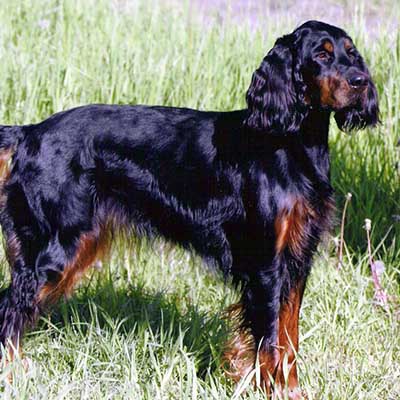
Gordon Setter
These dogs feature a beautiful, shiny, and smooth coat, making them the largest breed in the Setter family. Their lineage can be traced back to Scotland, specifically to the kennels of Alexander IV, the fourth Duke of Gordon, which is how they acquired the name Gordon Setter. Originally bred for hunting, these dogs are known for their impressive stamina, although they are not particularly swift. Generally, they are devoted companions, but they can show signs of stubbornness if their owners fail to assert clear leadership. While they do tend to drool moderately and shed quite a bit, with the right care, they can make excellent pets. Their high energy levels require plenty of space to move around and consistent daily exercise to ensure they remain happy and healthy.
Read more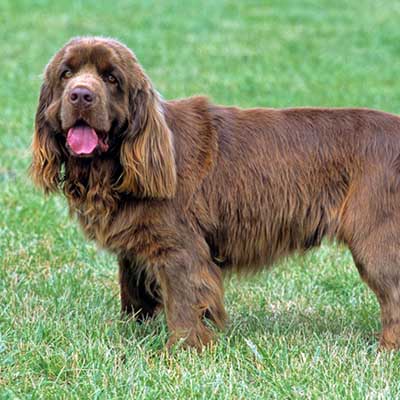
Sussex Spaniel
The Sussex Spaniel, celebrated for its intelligence and gentle temperament, takes its name from Sussex, England, where it originated. This breed made its debut in the 1800s and was one of the first to gain official recognition in the AKC Stud Book upon its establishment in 1884. Mr. Fuller played a pivotal role in the breed's development, leaving a lasting mark on its history. Typically, Sussex Spaniels have a lifespan of 13 to 15 years, weigh between 35 to 45 pounds, and stand 13 to 15 inches tall. They are distinguished by their deep chests, robust physiques, wavy ears, and large hazel eyes, which often convey a soulful, youthful expression. Their coat is a striking golden-liver hue. Initially bred for tracking and flushing small game, their abilities have broadened to include bird flushing and retrieving, highlighting their proficiency in the field. This breed is valued not only for its hunting prowess but also for its loving disposition, making it a cherished family pet. While they do bark and serve as dependable watchdogs, they need regular grooming to keep their flowing, wavy coat in good condition. Sussex Spaniels require daily exercise but also relish spending quality time with their families.
Read more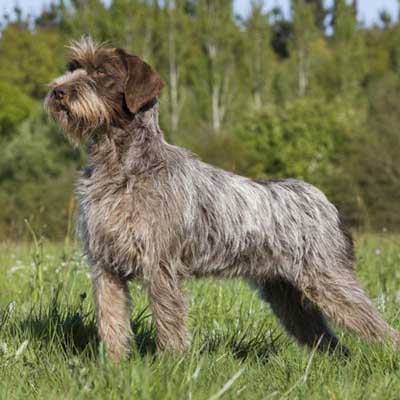
Wirehaired Pointing Griffon
The Wirehaired Pointing Griffon is a remarkable hunting dog that originated in France during the mid to late 19th century. This breed was meticulously developed by Mr. E.K. Korthals, a Dutchman who sought to create the ideal gun dog through the careful crossbreeding of various breeds, such as Setters, Retrievers, and Pointers. True to this vision, the Wirehaired Pointing Griffon demonstrates exceptional intelligence and a keen ability to follow commands accurately, excelling in both pointing and retrieving activities. Generally, this breed enjoys good health, with few common health issues. They typically have a steel gray coat, although some individuals may display white fur with brown or orange markings. A defining feature of this breed is its unique facial characteristics, which include prominent eyebrows, a moustache, and a beard.
Read more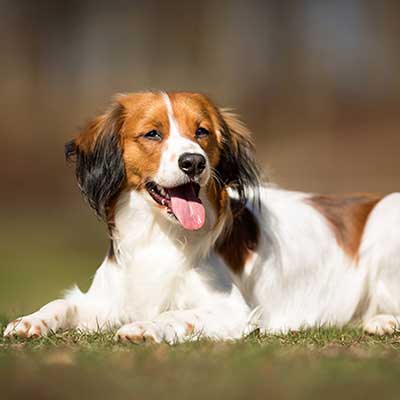
Kooikerhondje
The Kooikerhondje, pronounced COY-ker-HUND-che, is an energetic red and white dog that belongs to the Spaniel family. Renowned for its spirited personality, this breed loves to play and excels in various canine sports such as barn hunts, dock diving, lure coursing, and agility trials. What distinguishes the Kooikerhondje from other active breeds is its remarkable ability to tailor its energy levels to fit the lifestyle of its family. This dog develops strong connections with its owners and typically gets along well with children and cats. However, due to its strong prey drive, it’s crucial to supervise the Kooikerhondje around smaller animals like ferrets, hamsters, and birds. This versatile breed can adapt well to living in both a small apartment and a spacious farm.
Read more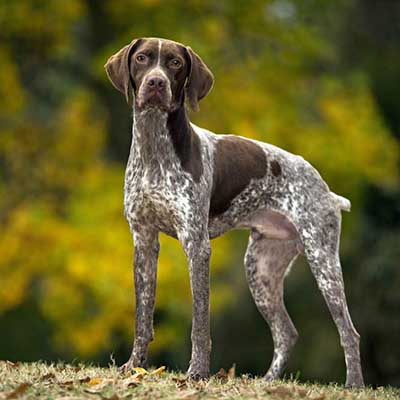
Braque Francais, de Grande Taille
The Braque Francais Gascogne has been intentionally developed as a working dog, especially for hunting activities. This breed is inherently gentle and possesses a strong inclination to please its owners. Over time, they have evolved from being primarily working animals to cherished family companions. Their amiable nature makes them an ideal choice for households with children, as they are highly sociable. This breed is known for its non-dominant temperament and sharp intelligence, which enables them to respond effectively to training. However, it’s crucial to recognize that, despite their willingness to please and calm nature, they can be sensitive to corrections during training. This sensitivity might result in anxiety, so employing a gentle tone and kind words while maintaining consistency in commands is advisable. Affectionate and devoted, Braque Francais Gascogne dogs thrive on family interaction. They may suffer from separation anxiety if left alone for long periods. These dogs do best in homes with large yards and require plenty of daily exercise and mental stimulation. Enjoying long walks in picturesque settings or jogging around the neighborhood suits them perfectly. With their short, dense coat that is low-maintenance, the Braque Francais Gascogne is not only visually appealing but also serves as a loyal companion and an outstanding family pet.
Read more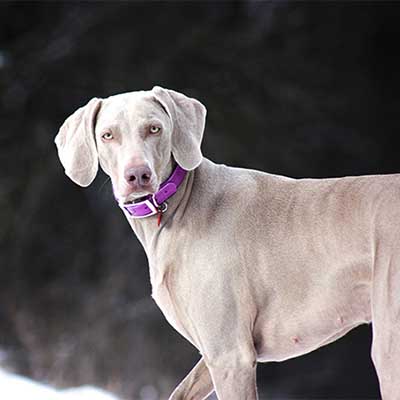
Weimaraner
The Weimaraner, commonly known as the Grey Ghost, is a graceful and athletic breed celebrated for its friendly nature. Hailing from Germany, these dogs were carefully bred for their intelligence, speed, courage, and exceptional sense of smell. They make excellent companions for hunters and active individuals alike, as they can effortlessly match an energetic lifestyle. Beyond their enthusiasm for physical activities, Weimaraners require minimal grooming, making them fantastic family pets with charming personalities. It’s important to note that these silver-coated dogs develop deep connections with their owners, which can result in separation anxiety if not addressed appropriately. Weimaraners thrive on companionship and are happiest when they can spend their days with their humans, especially in outdoor settings. As a high-energy breed, they need regular exercise; without it, they may engage in destructive behaviors that could impact your belongings and other pets. By ensuring they receive sufficient physical activity, a supportive environment, and early socialization, you can nurture a loyal and eager companion who will accompany you wherever you go.
Read more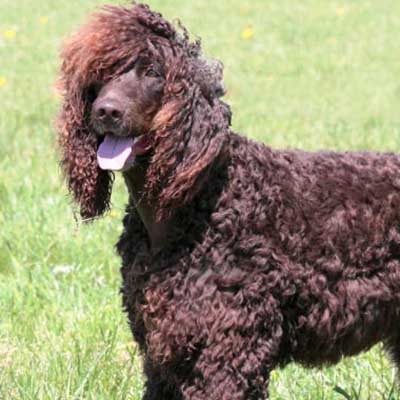
Irish Water Spaniel
The Irish Water Spaniel is an eye-catching water retriever known for its unique curly coat and exceptional hunting skills. This breed is lively and serves as a fantastic companion for families. As the largest of the Spaniel breeds, the Irish Water Spaniel commands attention. Its history dates back to the 1830s in Ireland, where a dog named Boatswain, owned by Justin McCarthy, is often considered the ancestor of the modern Irish Water Spaniel. McCarthy kept the details of Boatswain's lineage under wraps, leaving some uncertainty about the breed's background. Nevertheless, experts believe that the breed may be linked to the Barbet, various Poodle-like breeds, and Portuguese Water Dogs. The Irish Water Spaniel was introduced to the United States in the 1870s.
Read more