Irish Water Spaniel
Shannon Spaniel, Rat-tail Spaniel, Whip-tail Spaniel
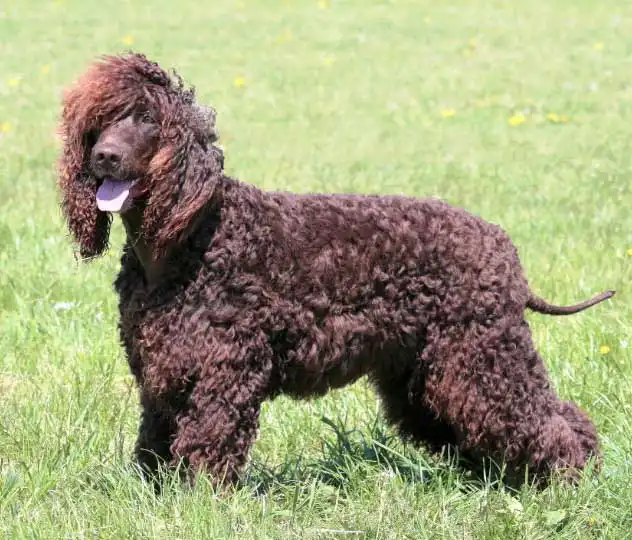
The Irish Water Spaniel is an eye-catching water retriever known for its unique curly coat and exceptional hunting skills. This breed is lively and serves as a fantastic companion for families. As the largest of the Spaniel breeds, the Irish Water Spaniel commands attention. Its history dates back to the 1830s in Ireland, where a dog named Boatswain, owned by Justin McCarthy, is often considered the ancestor of the modern Irish Water Spaniel. McCarthy kept the details of Boatswain's lineage under wraps, leaving some uncertainty about the breed's background. Nevertheless, experts believe that the breed may be linked to the Barbet, various Poodle-like breeds, and Portuguese Water Dogs. The Irish Water Spaniel was introduced to the United States in the 1870s.
Breed Origin
Historical records indicate that the Irish Water Spaniel may have roots dating back to the Stone Age or Bronze Age. Archaeological digs in Ireland and various regions across Europe have revealed skulls thought to belong to this breed. Furthermore, documents from the 1500s reference a water spaniel-type dog in both England and France. The breed, as we know it today, was initially developed by Justin McCarthy, who named it McCarthy’s Breed, also referred to as the Southern Irish Spaniel. Other related spaniels from Ireland include the Northern Irish Spaniel and the Tweed Spaniel. While many specialists believe that the modern Irish Water Spaniel is a descendant of McCarthy’s breed, some suggest it may be a cross between the Poodle and the Irish Setter or the Poodle and the Curly-coated Retriever. Primarily bred for retrieving waterfowl and upland game like doves, the Irish Water Spaniel arrived in America during the 1800s, gaining popularity for duck hunting. The American Kennel Club officially recognized the breed in 1884.
Breed Appearance
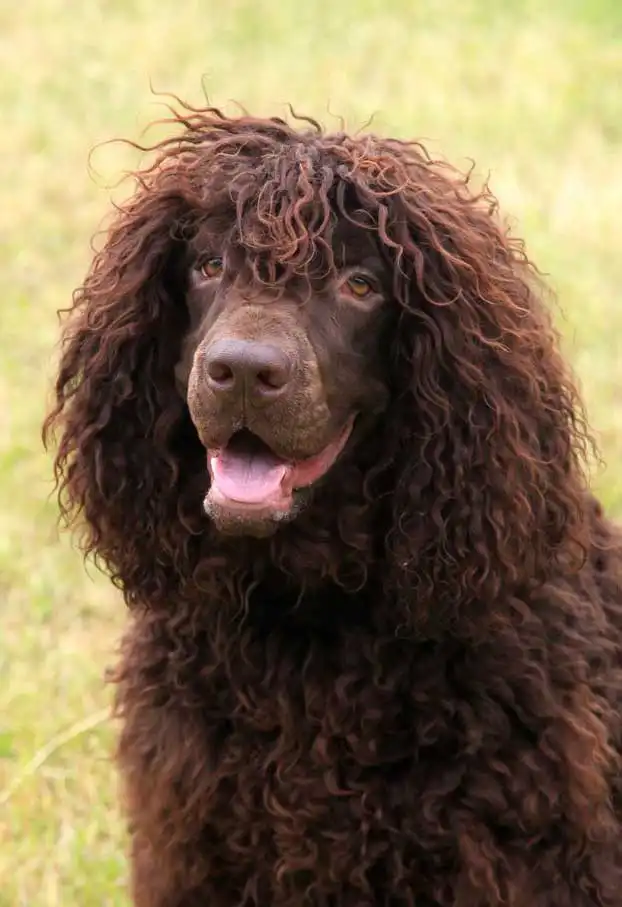
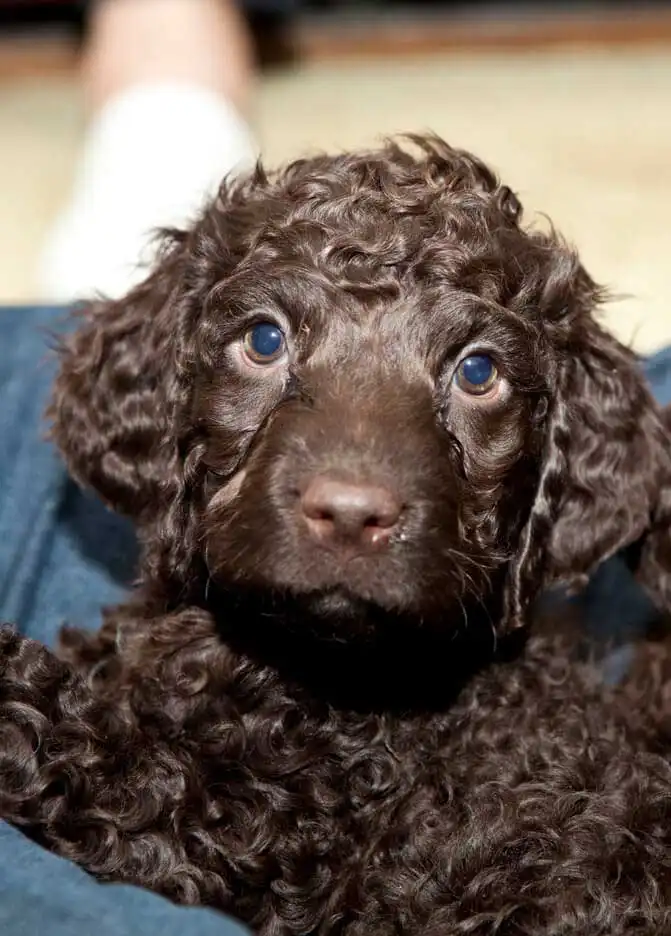
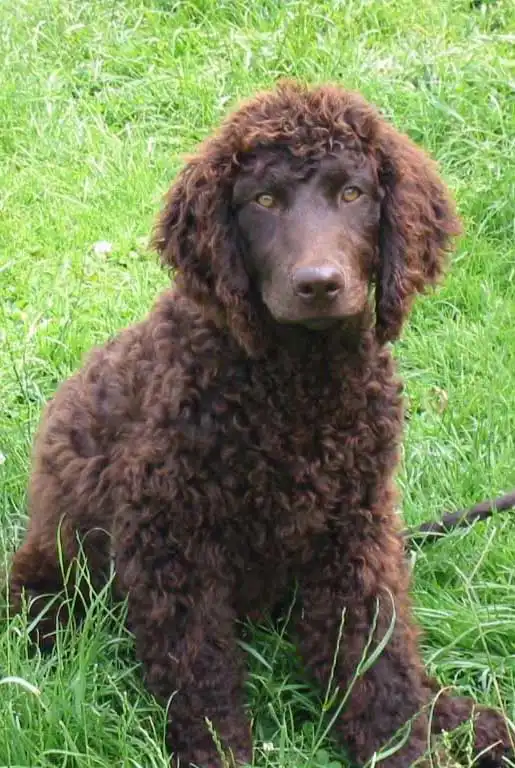
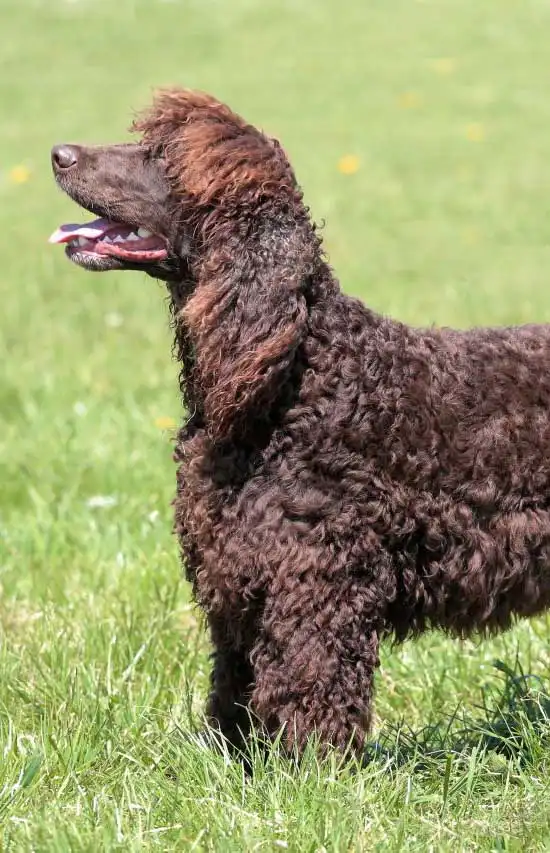
The Irish Water Spaniel, although it may bear a resemblance to a standard Poodle, features a coat that is notably different. As the tallest breed within the Spaniel family, it is distinguished by its prominent head, elongated snout, and a nose that is a rich liver color. Its small, almond-shaped eyes contribute to its striking appearance. The breed's long, low-hanging ears are covered in curly hair, further enhancing its unique look. Equipped with webbed feet, the Irish Water Spaniel is particularly adept at retrieving in water. Its coat consists of long, loose curls, with shorter curls present on the face and tail. Additionally, it possesses a dense undercoat that offers superb insulation, topped off with a curly topknot on its head.
Care Routine
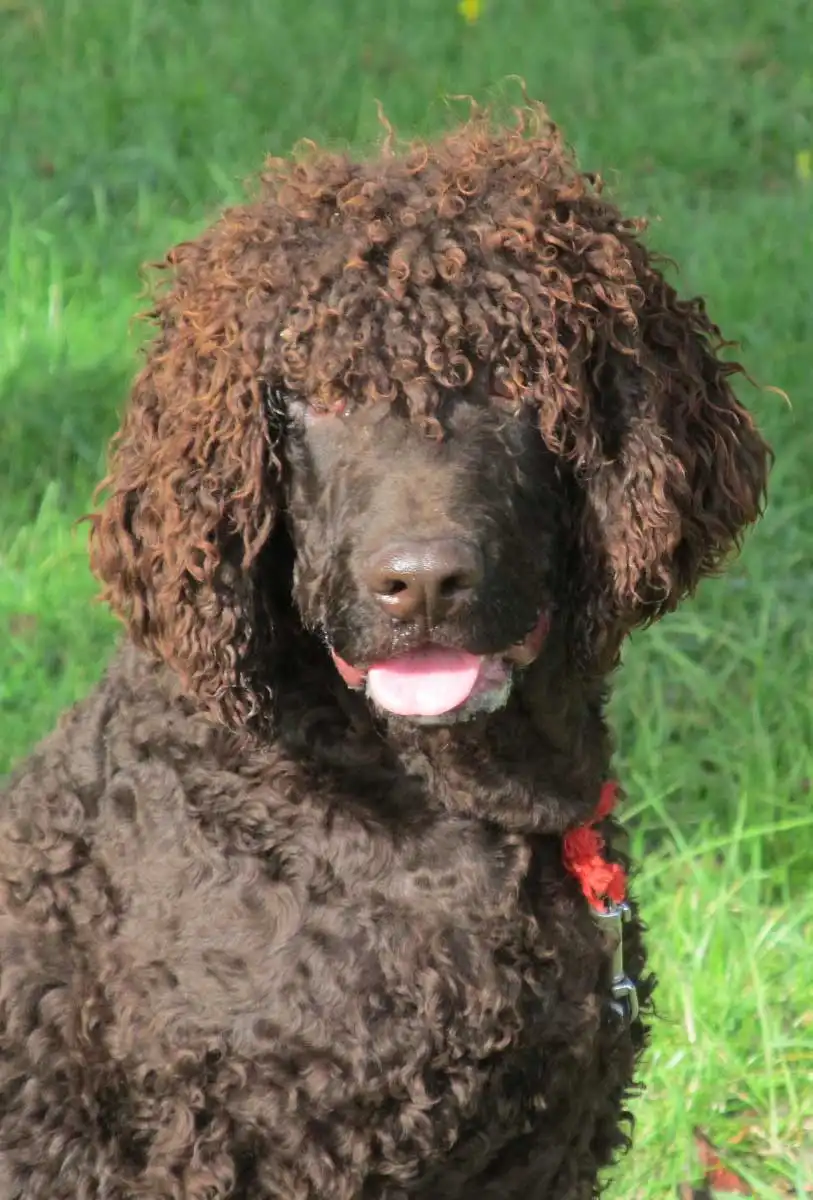
The Irish Water Spaniel is characterized by its unique double coat and a distinctive “rat tail” that is wide at the base and tapers to a point. To avoid matting, this breed should be brushed every two to three days. Although they have long, curly fur, they are not typically prone to excessive shedding. Regular grooming is essential for removing dirt from their coat. Given their droopy ears, it’s important to clean them regularly; after swimming, make sure to both clean and dry them, as moisture can lead to bacterial growth. Ideally, daily tooth brushing is recommended to prevent gum disease and bad breath, but brushing two to three times a week is also sufficient. If you hear your Irish Water Spaniel’s nails clicking on the floor, it’s time for a trim, which should be done approximately every two weeks. Establishing a grooming routine while your Irish Water Spaniel is still a puppy will help them become accustomed to regular brushing, dental hygiene, and ear care.
Behavior & Temperament
The Irish Water Spaniel is recognized for its sharp intelligence and vigilance. Although these dogs might seem somewhat reserved or shy in the presence of strangers, early socialization can greatly alleviate this behavior. It is beneficial to introduce your Irish Water Spaniel to a range of people, environments, and sounds during their puppyhood to build their confidence and lessen any shyness. While they are generally trainable, it is crucial for owners to adopt a firm stance, especially with male dogs, as they can be quite headstrong and may try to assert their dominance if allowed. As a result, many experts advise against entrusting them to inexperienced dog owners. Furthermore, they may not always be friendly towards children or other dogs, highlighting the necessity of socialization. A dog that has had plenty of exposure to various individuals and pets is likely to develop greater tolerance and acceptance as it grows.
Play & Exercise
Things to Know
Cups Per Day
2.5 Cups
Daily Activity
90 Minutes
Average Lifespan
13 Years
Origin
1800s
Type
Pure Breeds
Size
Medium
Origin Country
Ireland
Brush Frequency
Daily
Coat Texture
Curly
Register
Your kids have been begging for a pet forever, and you've recently decided that it's time for your family to get a new addition -- a dog! While everyone is excited for the new arrival, you're wondering if you need to have a dog license. How much does it cost? Is it required? Where do you get one?
Member Clubs

PETINNATE
Gun Dog

AKC
Sporting Group

UKC
Gun Dog
Height & Weight
Weight
57 lbs (26 kg)Male: 62 lbs (28 kg) , Female: 52 lbs (24 kg)
Height
23 inches (58 sm)Male: 23 inches (58 sm) , Female: 22 inches (56 sm)
6 Months

25 lbs ( m 25 lbs, f 25 lbs )
18 inches ( m 18 inches, f 18 inches )
12 Months
42 lbs ( m 42 lbs, f 42 lbs )
20 inches ( m 20 inches, f 20 inches )
18 Months
51 lbs ( m 51 lbs, f 51 lbs )
22 inches ( m 22 inches, f 22 inches )
Eye Colors
Brown

Amber
Nose Colors
Black
Brown
Coat Colors
Brown