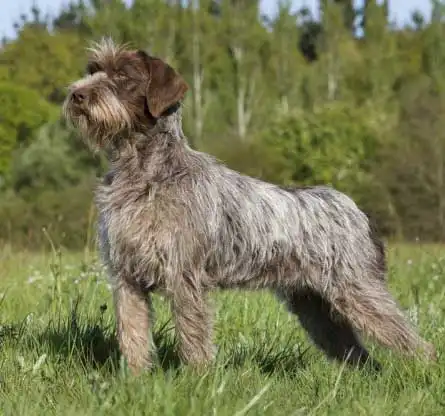
Wirehaired Pointing Griffon
Korthals Griffon, Pointing Wirehaired Griffon, Griffon D’Arret a Poil Dur
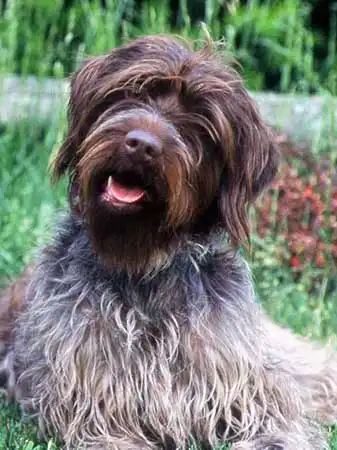
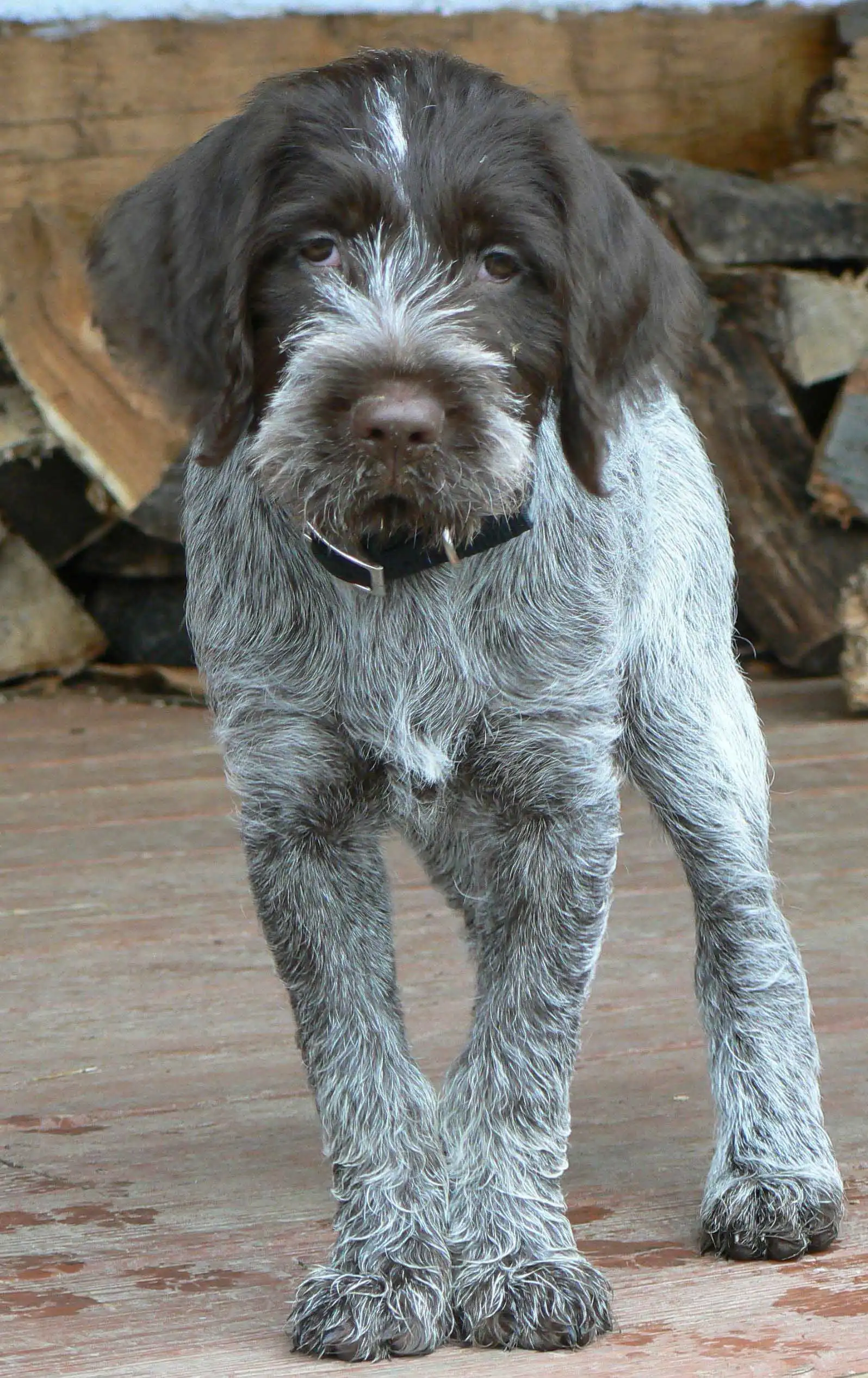
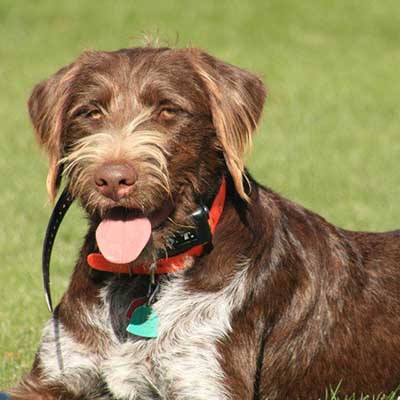
The Wirehaired Pointing Griffon is a remarkable hunting dog that originated in France during the mid to late 19th century. This breed was meticulously developed by Mr. E.K. Korthals, a Dutchman who sought to create the ideal gun dog through the careful crossbreeding of various breeds, such as Setters, Retrievers, and Pointers. True to this vision, the Wirehaired Pointing Griffon demonstrates exceptional intelligence and a keen ability to follow commands accurately, excelling in both pointing and retrieving activities. Generally, this breed enjoys good health, with few common health issues. They typically have a steel gray coat, although some individuals may display white fur with brown or orange markings. A defining feature of this breed is its unique facial characteristics, which include prominent eyebrows, a moustache, and a beard.
Breed Origin
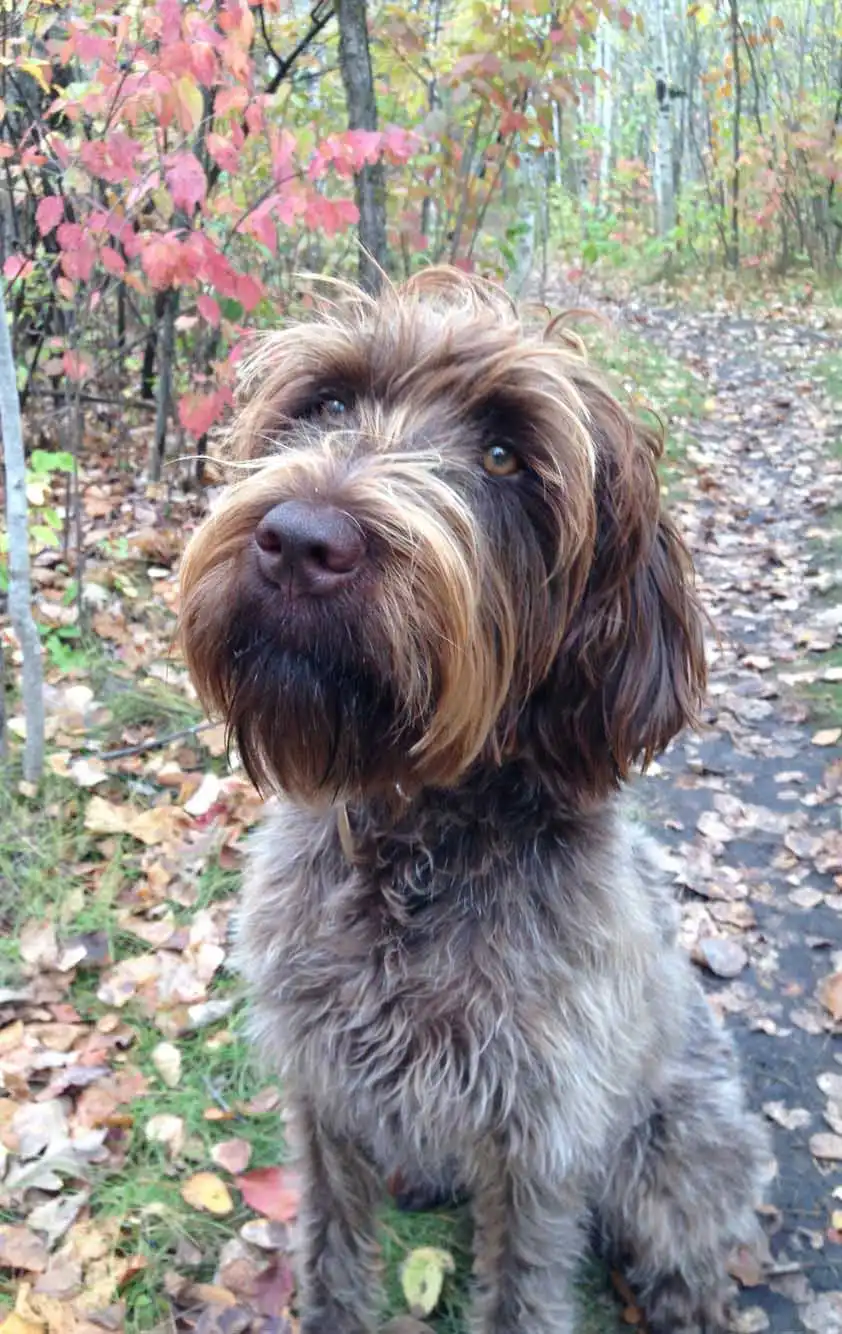
The Wirehaired Pointing Griffon gets its name from its unique wiry coat and remarkable abilities as a hunting companion, with "Griffon" also denoting a type of Russian setter. The breed is primarily attributed to E. K. Korthals, a Dutchman who sought to create the ideal gun dog. While the specific breeds he used are not definitively known, it is generally accepted that he combined the Otterhound with various Setters and Spaniels, and possibly a Pointer, beginning this breeding project in 1874. By the end of the 19th century, the Wirehaired Pointing Griffon had become quite popular in France and has since been hailed as "the ultimate gun dog."
Breed Appearance
The Wirehaired Pointing Griffon is a medium-sized dog known for its well-proportioned body and slightly rounded skull. It has a brown nose and a scissors bite, where the teeth fit together neatly. The breed's round eyes are typically a yellowish-brown color, and its ears, which are set at eye level, lie flat against the head. This dog has webbed feet, and while dewclaws are often removed, some owners opt to dock the tail to about half its original length, which is usually held straight or raised. Its coat is of medium length, rough and coarse, featuring prominent bushy eyebrows along with a thick beard and mustache. The typical coat color is steel gray with various shades of brown markings, ranging from chestnut to roan. Occasionally, the coat may be solid brown, entirely white, or a mix of white and brown, and in rare instances, it can also be white and orange.
Care Routine
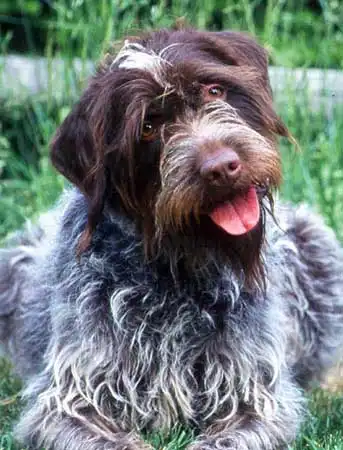
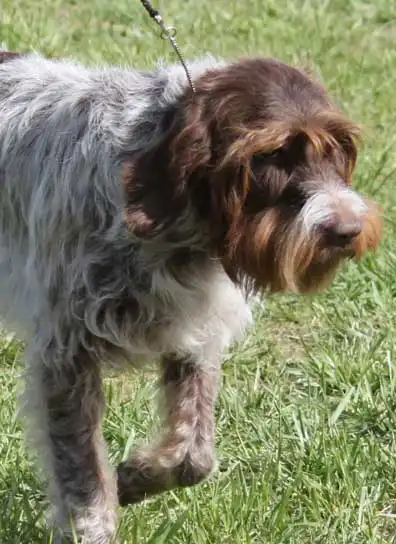
The Wirehaired Pointing Griffon is characterized by its sturdy double coat, which includes a dense, weather-resistant undercoat paired with a coarse, straight topcoat made of medium-length, wiry hair. Notably, the undercoat plays a significant role in forming the breed's prominent eyebrows and moustache. Although this breed is known for minimal shedding, consistent grooming is vital; the coat should be combed weekly and stripped every two weeks. Proper ear care is essential for this breed, as they are prone to outer ear inflammation. It's important to keep their ears dry and to check them weekly for any signs of dirt, debris, redness, or foul odors, which could signal an infection. To ensure good dental hygiene, the Griffon’s teeth should be brushed two to three times a week, with daily brushing recommended to help prevent gum disease and bad breath. Nail trimming should be done monthly, or every two weeks if you notice a “clicking” sound when your Griffon walks. This breed requires daily exercise and is happiest when allowed to run off-leash in a securely fenced yard, making them ill-suited for apartment living.
Behavior & Temperament
The Wirehaired Pointing Griffon is recognized for its sharp intellect and quick learning capabilities. For optimal outcomes, initiating training and socialization at an early age is recommended. This breed can display anxiety in the presence of strangers, other dogs, and unfamiliar settings. Furthermore, Wirehaired Pointing Griffons are very active and excel in both pointing and retrieving tasks. Although they possess a degree of independence, they flourish when guided by handlers who set clear and consistent expectations. It’s crucial to note that these dogs need a moderate amount of exercise to ensure their happiness and overall health.
Play & Exercise
Things to Know
Cups Per Day
3.0 Cups
Daily Activity
90 Minutes
Average Lifespan
12 Years
Origin
1800s
Type
Pure Breeds
Size
Medium
Origin Country
France
Brush Frequency
Weekly
Coat Texture
Wiry
Register
Your kids have been begging for a pet forever, and you've recently decided that it's time for your family to get a new addition -- a dog! While everyone is excited for the new arrival, you're wondering if you need to have a dog license. How much does it cost? Is it required? Where do you get one?
Member Clubs

PETINNATE
Gun Dog

AKC
Sporting Group

UKC
Gun Dog
Height & Weight
Weight
55 lbs (25 kg)Male: 55 lbs (25 kg) , Female: 55 lbs (25 kg)
Height
22 inches (56 sm)Male: 23 inches (58 sm) , Female: 21 inches (53 sm)
6 Months
27 lbs ( m 27 lbs, f 27 lbs )
15 inches ( m 15 inches, f 15 inches )
12 Months
42 lbs ( m 42 lbs, f 42 lbs )
19 inches ( m 19 inches, f 19 inches )
18 Months
55 lbs ( m 55 lbs, f 55 lbs )
21 inches ( m 21 inches, f 21 inches )
Eye Colors
Hazel

Nose Colors
Brown
Coat Colors
Gray
Brown
White
Characteristics
Mixes
Wirehaired Pointing Griffondor
The Wirehaired Pointing Griffon is a mixed breed that emerges from the combination of two sporting dogs: the Labrador Retriever and the Wirehaired Pointing Griffon. This unique mix has produced a versatile dog celebrated for its friendly demeanor and sociable character, along with a strong passion for hunting. Typically, these dogs stand about two feet tall and weigh around 70 pounds, boasting excellent temperaments that make them ideal companions for families, including those with young children. They are not only eager to please but also relatively easy to train, exhibiting a vibrant and lively personality. Given their size and energetic nature, they flourish in larger homes with plenty of space for both indoor and outdoor activities. Nevertheless, they can also adjust to smaller living situations, as long as they receive adequate attention and exercise.
Read more