Northern Breed Group Breeds
This page features Northern Breed group breeds, offering detailed information for anyone interested in learning about these dogs. Each breed profile includes key traits such as temperament, size, energy level, and general care needs.
The Northern Breeds were essential to the survival of Arctic people. These versatile dogs pulled sleds, herded livestock, hunted, and provided companionship in the harsh climate of the north. All but one of the Northern Breeds are Spitz types, ancient breeds whose small pricked ears, wedge-shaped heads and heavy coats reflect the heritage of their wolf ancestors. Only the Chinook, a breed of more recent origin than the Spitz breeds, is more Mastiff-like in appearance with a broad head and a shorter coat, tawny in color.
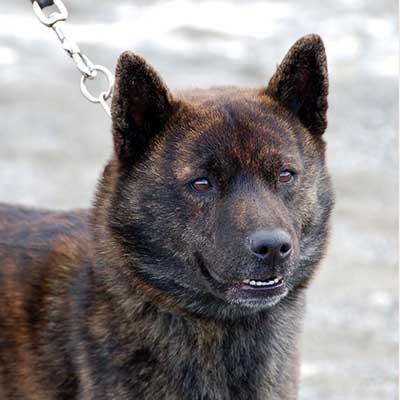
Kai
The Kai Ken was largely isolated from the outside world for a significant time, mainly due to the geographical features of its homeland—an island surrounded by mountains. Its reputation began to grow with the introduction of firearms and the rise in popularity of big game hunting. Known for its remarkable hunting skills, this breed is adept at climbing trees to pursue its prey. Although it was not initially bred as a companion animal, the Kai Ken became a beloved pet in many American homes following its introduction to the United States. The breed did not gain official recognition in Japan until 1934 and is still regarded as rare today. While the United Kennel Club recognized the Kai Ken in 1997, it has not yet been acknowledged by the American Kennel Club.
Read more
Alaskan Klee Kai
The Alaskan Klee Kai is a breed that emerged in the 1970s, created to be a smaller counterpart to the Alaskan Husky. These energetic, smart dogs are mainly bred for companionship rather than for labor. While they share a resemblance with their larger relatives, Alaskan Klee Kais can thrive in apartment settings, as long as they receive ample exercise and playtime. They might show signs of shyness or hesitation when encountering new people and communicate their emotions—be it fear, happiness, or sadness—through various vocal sounds.
Read more