Northern Breed Group Breeds
This page features Northern Breed group breeds, offering detailed information for anyone interested in learning about these dogs. Each breed profile includes key traits such as temperament, size, energy level, and general care needs.
The Northern Breeds were essential to the survival of Arctic people. These versatile dogs pulled sleds, herded livestock, hunted, and provided companionship in the harsh climate of the north. All but one of the Northern Breeds are Spitz types, ancient breeds whose small pricked ears, wedge-shaped heads and heavy coats reflect the heritage of their wolf ancestors. Only the Chinook, a breed of more recent origin than the Spitz breeds, is more Mastiff-like in appearance with a broad head and a shorter coat, tawny in color.
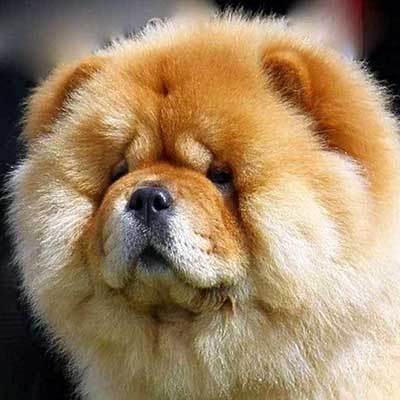
Chow Chow
One of the most notable features of the Chow Chow is its distinctive blue-black tongue. This breed is also recognized for its unique, stilted walking style and the lion-like "mane" that frames its neck. As a member of the Spitz family, the Chow Chow is thought to have originated in the cold northern regions of China. Throughout history, it has fulfilled various roles such as hunting, herding, pulling carts, and guarding homes. This medium-sized dog is characterized by its broad head and deep muzzle, along with small, triangular ears that perch on its double-coated neck. Chows are available in a range of colors, including red, black, blue, cinnamon, and cream.
Read more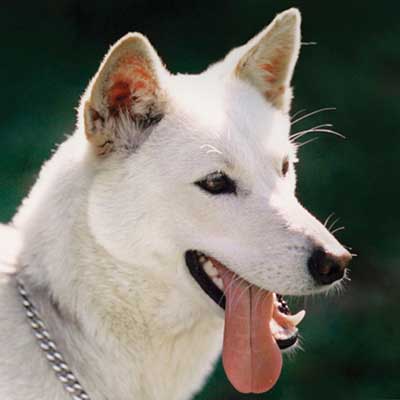
Jindo
The Jindo is a strong and muscular dog belonging to the Spitz family, originating from South Korea. This breed is characterized by its joyful personality and flourishes when engaged in activities. Initially developed as a versatile hunting dog, these instincts remain strong today. Jindos are incredibly loyal, often forming a profound bond with one person while still being friendly with other family members. Adult Jindos may find it challenging to adjust to new environments and have been known to travel great distances to return to their original homes and owners. They are inherently clean and adapt easily to house training. However, without proper socialization with other dogs during their early years, Jindos can display territorial tendencies and may react aggressively towards unfamiliar dogs that enter their space.
Read more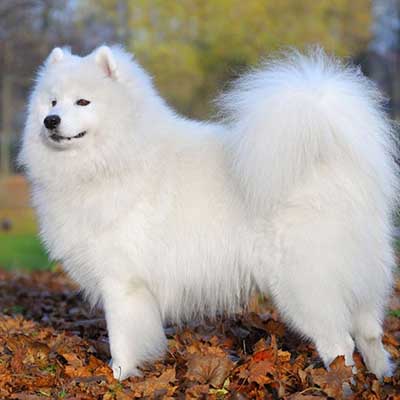
Samoyed
The Samoyed is a breed characterized by its gentle temperament, intelligence, and unwavering loyalty, thriving on close bonds with its family. Renowned for their affectionate nature, especially towards children, these dogs eagerly engage in family activities. With their distinctive ‘Sammy smile’ and a penchant for human interaction, they are charming companions full of personality. However, their stunning coat demands considerable maintenance, particularly during shedding periods, when you can expect fur to be found on your clothes, furniture, and bedding. While their friendly disposition is endearing, it’s important to remember that Samoyeds were initially bred for hunting, and this instinct is still very much alive. They may chase after small animals, including the neighbor’s cat. If you have a cat, it’s essential to introduce them to the Samoyed while the dog is still a puppy, and even then, close supervision is advisable. When taking them for walks, these spirited dogs should always be kept on a leash due to their strong chasing instincts. Samoyeds are also quite vocal, often communicating through howls, barks, or grumbles. They respond best to varied training techniques, as they can quickly lose interest in repetitive tasks, which can make training a bit more challenging. Activities that engage their minds, such as agility and tracking, are particularly beneficial. This breed is full of energy and always eager for adventure, requiring plenty of space to run and play, making them less suitable for small living environments. Although they may not be the simplest breed to care for, their delightful personalities more than make up for the grooming they require.
Read more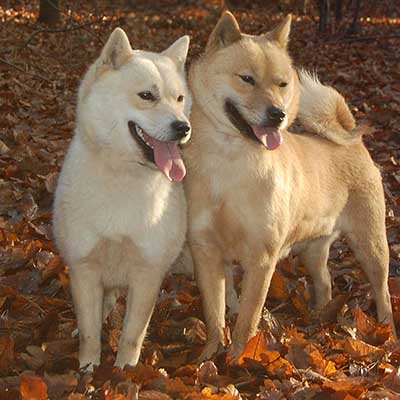
Hokkaido
The Hokkaido is a medium-sized spitz breed recognized for its sturdy physique and remarkable stamina. This dog forms a deep connection with its owner, showcasing unwavering loyalty throughout its life. Bringing an older Hokkaido into your home can be difficult, as they often have strong attachments to their families. They excel in very cold conditions but may struggle in warmer climates unless they have air conditioning. This breed may not be suitable for novice dog owners or families with young kids. Nevertheless, a Hokkaido can make a fantastic companion for children if it is raised with them, properly socialized, and taught to respect their space.
Read more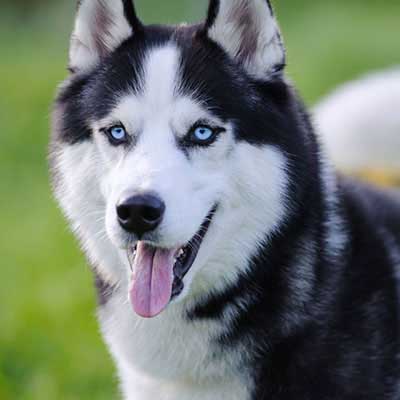
Siberian Husky
The Siberian Husky is a venerable breed that has likely developed alongside humans for thousands of years. Hailing from Russia, these dogs were cultivated by the Chukchi people, who depended on them for hauling supplies, which enabled their community to thrive in challenging environments. In addition to their transportation duties, Huskies were also bred to live harmoniously with Chukchi families. This selective breeding has resulted in a friendly and energetic breed renowned for its impressive stamina. Their dense double coat, which provides insulation against severe cold, requires regular grooming, although they do not need frequent baths. Despite their wolf-like appearance, which may intimidate some, Siberian Huskies are generally too friendly to be effective as guard dogs.
Read more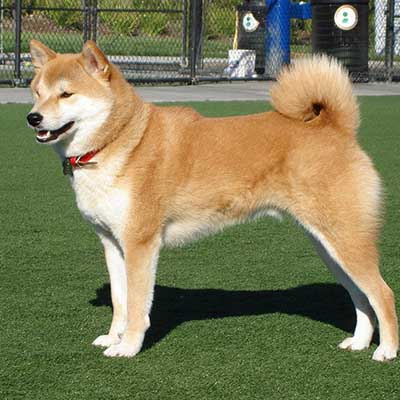
Shiba
The Shiba Inu is a compact breed that, despite its size, embodies a boldness reminiscent of a lion. In Japan, it is officially recognized as a treasured natural asset. Initially bred for hunting in Japan's rugged terrains, the Shiba Inu is renowned for its agility in navigating difficult landscapes, its sharp instincts as a guardian, and its vibrant, energetic personality. As one of Japan's oldest native dog breeds, the Shiba Inu is cherished as the nation's most adored companion. Its distinctive reddish-brown fur often causes it to be mistaken for a fox.
Read more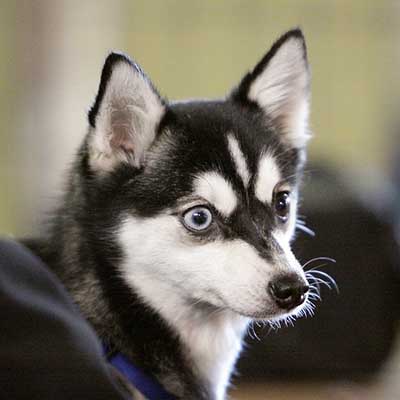
Alaskan Klee Kai
The Alaskan Klee Kai is a breed that emerged in the 1970s, created to be a smaller counterpart to the Alaskan Husky. These energetic, smart dogs are mainly bred for companionship rather than for labor. While they share a resemblance with their larger relatives, Alaskan Klee Kais can thrive in apartment settings, as long as they receive ample exercise and playtime. They might show signs of shyness or hesitation when encountering new people and communicate their emotions—be it fear, happiness, or sadness—through various vocal sounds.
Read more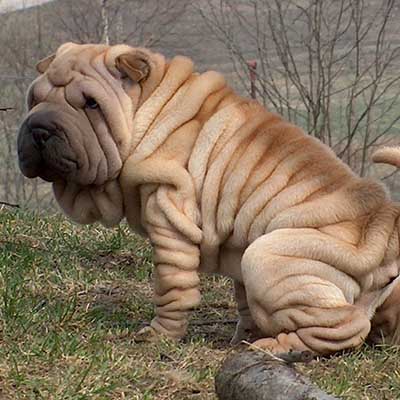
Chinese Shar-Pei
The Chinese Shar-Pei is a large dog breed distinguished by its unique wrinkled head and face. Typically, these dogs weigh around fifty pounds and stand about eighteen inches tall. There is a belief that the Chinese Shar-Pei shares a lineage with the Chow-Chow, as both breeds feature a blue-black tongue, which often causes confusion between them. Traditionally, the Chinese Shar-Pei was a multifunctional farm dog in China, employed for various tasks such as hunting, tracking, herding, and protecting livestock. Unfortunately, some people misused the breed for dogfighting, as its distinctive wrinkled skin and coarse fur were thought to hinder opponents' grip. The breed came perilously close to extinction during the Communist Revolution, but a businessman from Hong Kong played a vital role in reviving interest in the Shar-Pei among American dog lovers. In 1992, the American Kennel Club officially recognized the Chinese Shar-Pei, and it has since gained popularity as one of the favored dog breeds in the United States.
Read more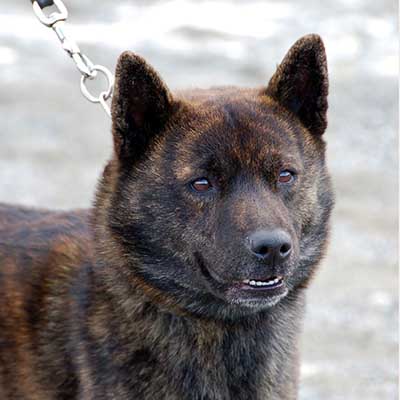
Kai
The Kai Ken was largely isolated from the outside world for a significant time, mainly due to the geographical features of its homeland—an island surrounded by mountains. Its reputation began to grow with the introduction of firearms and the rise in popularity of big game hunting. Known for its remarkable hunting skills, this breed is adept at climbing trees to pursue its prey. Although it was not initially bred as a companion animal, the Kai Ken became a beloved pet in many American homes following its introduction to the United States. The breed did not gain official recognition in Japan until 1934 and is still regarded as rare today. While the United Kennel Club recognized the Kai Ken in 1997, it has not yet been acknowledged by the American Kennel Club.
Read more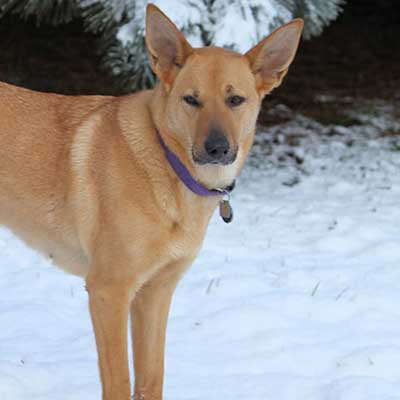
Chinook
The Chinook is a breed that is uniquely American in its heritage. Its beginnings can be traced to a female Northern Husky and a dog from the Arctic region. The father was of mixed lineage, and the resulting puppy, which was eventually named Chinook, did not closely resemble either of its parents; over time, this name became synonymous with the breed itself. Interestingly, the Chinook is believed to have been part of Admiral Byrd’s 1927 expedition to the South Pole, where it reportedly achieved remarkable records in terms of time, distance, and load capacity during the early 20th century. Today, thanks to the commitment of a small group of passionate breeders, the Chinook remains a rare breed.
Read more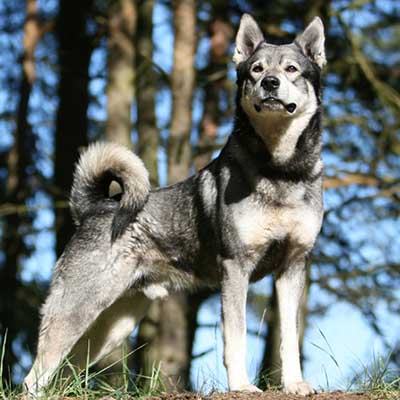
Swedish Elkhound
The Swedish Elkhound, often known as the Jämthund, is an ancient breed of Spitz-type dog with a lineage that dates back thousands of years. This breed is distinctive for its wolf-like appearance and is thought to share a genetic connection with wolves. Historically, Swedish Elkhounds have been utilized for various purposes, such as tracking elk and protecting against bears and wolves. Despite their remarkable skills as working dogs, they are also recognized for their serene nature at home, making them wonderful companions. They embody an impressive blend of being both dedicated hunters and charming pets—this is truly no exaggeration. Over time, Swedish Elkhounds have taken on a variety of roles, including hunters, trackers, guard dogs, herders, sled dogs, and even participants in military or rescue missions, highlighting their adaptability. They are generally loving and playful with their families, yet they possess a high energy level that demands sufficient engagement to avoid boredom or frustration. Consequently, they flourish in active households or those with large yards or access to open spaces for exercise. Furthermore, their longer coats require regular grooming. In summary, the Swedish Elkhound has very few downsides, making it one of the most adaptable and well-rounded dog breeds available.
Read more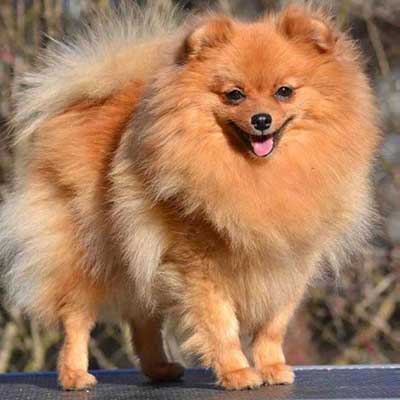
German Spitz
The German Spitz, while reminiscent of a larger Pomeranian, is a distinct breed with its own identity. It is available in two sizes: klein (small) and mittel (medium). These dogs are characterized by their playful, loyal, and sometimes mischievous demeanor, and they can become quite vocal if they do not receive enough mental and physical stimulation. To keep them entertained, it is important to provide a variety of toys and engage them in activities. Furthermore, due to their strong instinct to chase, they may not be suitable companions for smaller dogs or pets like cats, birds, ferrets, and hamsters. The breed's history is thought to date back to the early Stone Age, where they were valued as both hunters and companions.
Read more