Herding Dog Group Breeds
This page features Herding Dog group breeds, offering detailed information for anyone interested in learning about these dogs. Each breed profile includes key traits such as temperament, size, energy level, and general care needs.
The evolution of herding dogs followed very soon after the domestication of livestock. Early herdsmen quickly learned the value of dogs that could keep large groups of sheep, goats, or cattle tightly bunched, drive them in a desired direction, or cut a single individual out of a flock or herd. Herdsmen developed breeds with different temperaments, coat types and herding styles, based on the type of livestock and the terrain and climate where the livestock was kept. Herding dogs are characterized by great stamina, agility, intelligence, and an affinity for working in partnership with people.
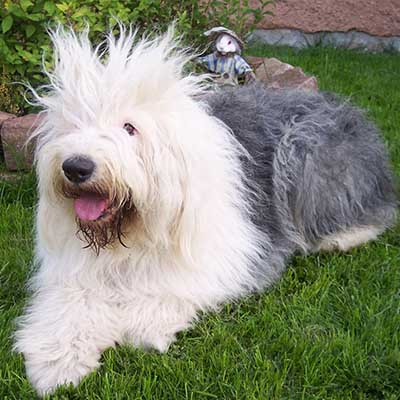
Old English Sheepdog
The Old English Sheepdog, one of the most ancient dog breeds, gained recognition from the American Kennel Club merely four years after the organization was founded in 1888. Currently, it holds the position of the 75th most popular breed in the United States. This breed is notable for its substantial size and unique shaggy fur, having featured prominently in various television shows and movies, as well as being a popular contender in dog competitions. Old English Sheepdogs are not only robust but also gentle and exceptionally intelligent, adept at mastering a wide array of commands and tasks. Their dense double coat often partially covers their eyes and comes in several color variations, with the most common being grizzle and white, gray and white, blue merle and white, blue gray and white, and blue and white.
Read more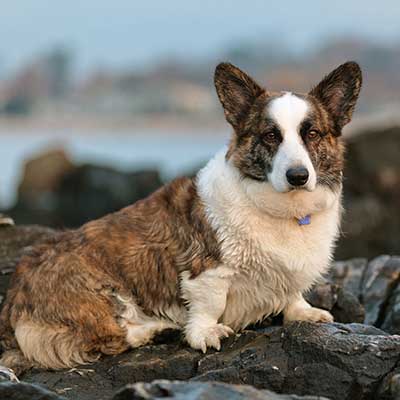
Cardigan Welsh Corgi
These delightful dogs are full of vitality and smarts, always ready to share their love. The Cardigan Welsh Corgi is related to the Dachshund, which likely explains their unique combination of long and short body features. Originally, they had floppy ears, but through selective breeding, they now typically have the upright ears that define the breed. While their initial purpose was to herd cattle, they have also become wonderful companions. With a vibrant personality packed into a compact size, the Cardigan is a playful and engaging pet. He thrives on interaction with his family and radiates happiness, making him a fantastic choice for homes with children. Originating from Wales, the Cardigan Welsh Corgi is endearingly known as the “yard-long dog” and was historically used for herding cattle, safeguarding farms, and controlling pests. Although he may occasionally exhibit herding behaviors, the Cardigan is now primarily recognized in dog shows and cherished as a family pet.
Read more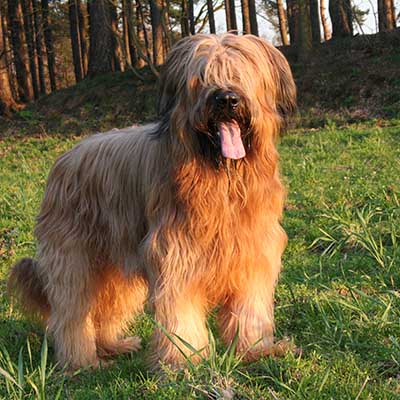
Briard
The Briard is a multifaceted breed known for its herding and guarding abilities, with origins dating back to medieval France. Historically, especially during times of conflict, this breed took on various responsibilities, including finding injured soldiers, hunting, tracking, and even serving as pack animals, eventually earning the title of the official dog of the French army. Today, the Briard leads a more leisurely lifestyle, prioritizing playtime and the protection of its family. Renowned for its independence and loyalty, this breed excels in ensuring the safety of children, safeguarding the home, and participating in activities such as herding, agility trials, and flyball competitions. With consistent grooming, the Briard's long, shaggy coat—available in shades of black, gray, or tawny—can remain tidy and free from tangles. It is crucial to provide this energetic dog with plenty of exercise, as its requirements go well beyond a simple daily walk.
Read more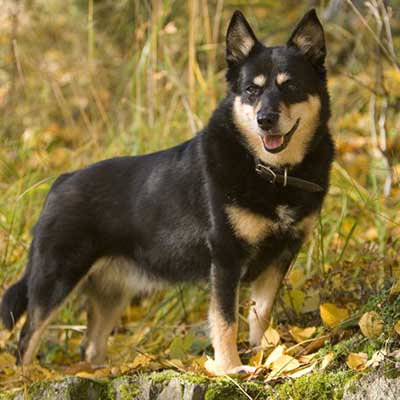
Lapinporokoira (Lapponian Herder)
The Lapponian Herder is a prime example of a spitz-type herding dog, distinguished by its inquisitive personality, erect ears, and a tail that gracefully arches over its back. This breed is generally recognized for its friendly and gentle disposition, yet, like many herding dogs, it can exhibit a sudden surge of energy when it’s time to work. Training for house manners and basic commands is usually a simple process with this breed. To ensure its well-being and contentment, regular physical activity is crucial, and the Lapponian Herder thrives in various canine sports such as agility, herding trials, rally, and dock diving. Although it is not typically known for excessive barking, this dog may become a nuisance if left alone for long periods, as it seeks ways to entertain itself.
Read more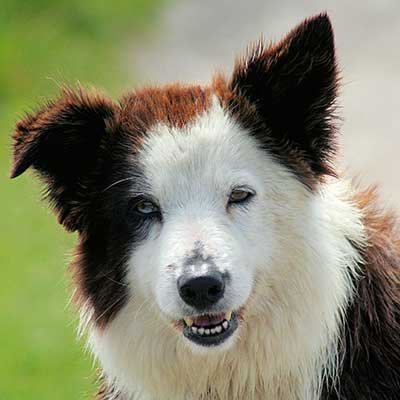
Border Collie
The Border Collie is a highly energetic and alert breed, characterized by an intense need for purpose. Renowned for their exceptional intelligence, they are remarkably trainable. Initially bred for herding sheep, they have a strong herding instinct that may drive them to pursue animals, bicycles, and vehicles. To flourish, this breed requires consistent exercise and daily mental engagement. Border Collies thrive in agility training and other physically and mentally stimulating activities. If they do not receive adequate stimulation, they may develop destructive habits, such as chewing on furniture, scratching doors, or excessive barking and howling. They are also prone to experiencing separation anxiety. Their dense undercoat demands regular grooming to maintain its health. Additionally, Border Collies can be sensitive to noise, often becoming anxious during thunderstorms or fireworks.
Read more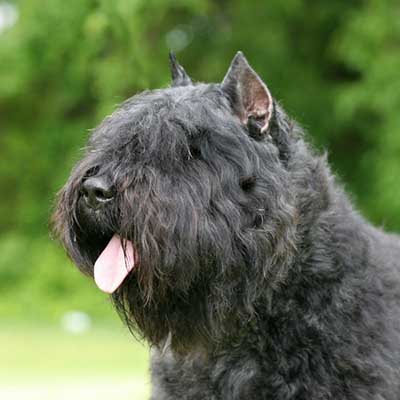
Bouvier des Flandres
The Bouvier des Flandres was initially developed as a hardworking dog, specifically designed for herding cattle and leveraging its strength on farms. Originating from Belgium and Northern France, these sturdy and intelligent dogs nearly faced extinction during World War I due to the destruction in their native regions. However, following the war, their population and popularity surged, leading them to become beloved family pets. Renowned for their loyalty, Bouviers thrive in various roles and require plenty of human interaction and physical exercise. Today, they can be found working as police, rescue, and guide dogs. Despite their energetic nature, Bouviers also appreciate relaxing with their dedicated families.
Read more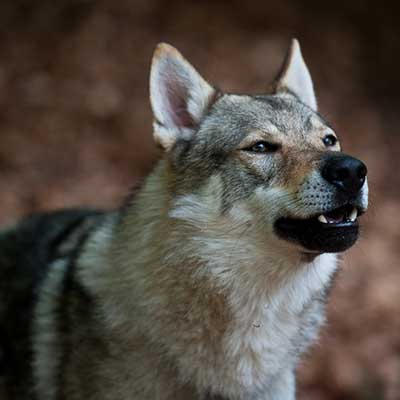
Czechoslovakian Vlcak (Czechoslovakian Wolfdog)
As their name suggests, this dog breed is a distinctive blend of wolf and dog, specifically a hybrid of the German Shepherd and the Carpathian wolf. Originally bred for military applications, these dogs showcase exceptional endurance, intelligence, and agility. However, they can pose training challenges, as they thrive on motivation to learn effectively. The Czechoslovakian Wolfdog is generally healthier than many other breeds, exhibiting a lower prevalence of health problems. Typically, they weigh between 44 and 54 pounds, stand around 24 to 26 inches tall, and have a lifespan of 12 to 16 years. While these dogs are incredibly loyal to their families, they often display caution towards strangers and unfamiliar animals. With strong hunting instincts, they require comprehensive training and should be monitored around smaller pets.
Read more