Herding Dog Group Breeds
This page features Herding Dog group breeds, offering detailed information for anyone interested in learning about these dogs. Each breed profile includes key traits such as temperament, size, energy level, and general care needs.
The evolution of herding dogs followed very soon after the domestication of livestock. Early herdsmen quickly learned the value of dogs that could keep large groups of sheep, goats, or cattle tightly bunched, drive them in a desired direction, or cut a single individual out of a flock or herd. Herdsmen developed breeds with different temperaments, coat types and herding styles, based on the type of livestock and the terrain and climate where the livestock was kept. Herding dogs are characterized by great stamina, agility, intelligence, and an affinity for working in partnership with people.
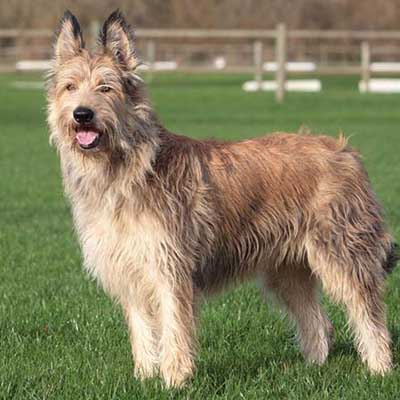
Berger Picard
The Berger Picard (pronounced bare ZHAY pee CARR) is a somewhat lesser-known dog breed, even though it made an appearance in the 2005 movie *Because of Winn-Dixie*. Many people mistakenly think a mixed-breed dog was featured, but in reality, the producers sought out several dogs that shared similar characteristics for the role. The breed was selected for its unique, scruffy coat. Renowned for its intelligence, the Berger Picard also has a hint of stubbornness, which can lead to an interesting living experience. With its lively personality, this breed is especially great with children. However, being a herding breed, it needs a secure fence to keep it from trying to herd cars and other vehicles.
Read more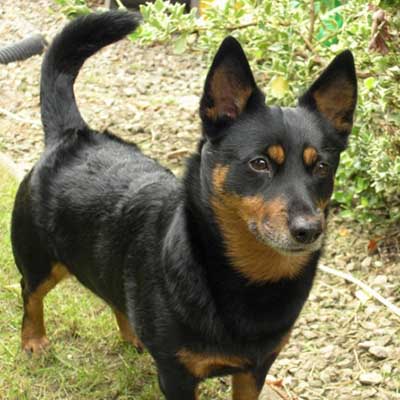
Lancashire Heeler
The Lancashire Heeler is a distinctive and rare small dog breed that hails from Great Britain. Initially bred for herding cattle, these compact dogs are nimble enough to nip at the hooves of cows while skillfully dodging any kicks. Beyond their herding responsibilities, they also served an important function in managing pests on farms, particularly rats. Generally, this breed enjoys good health and demands minimal daily grooming, although they are not hypoallergenic. While they tend to be affectionate and friendly with their families, they may exhibit wariness towards strangers, highlighting the importance of early socialization and training for their proper development.
Read more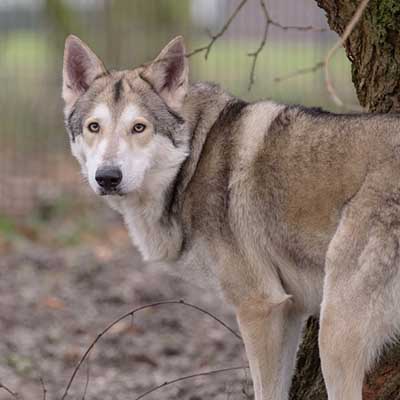
Saarloosewolfdog
The Saarloos Wolfdog, commonly known as the Saarloos Wolfhound, is a breed of Spitz that emerged in the Netherlands in the 20th century. Unlike many dog breeds with ancient origins, the history of the Saarloos Wolfdog is both well-documented and relatively modern. As their name suggests, these dogs bear a striking resemblance to wolves in several aspects of their physical appearance, a result of their early crossbreeding that has endowed them with certain wolf-like characteristics. Originally developed for work, they have largely transitioned into the role of companion animals, enjoying more popularity in the Netherlands than in other regions, which adds to their rarity. While they may share similarities with other wolf-like breeds from nearby countries, Saarloos Wolfdogs possess a distinct temperament. They are known for their affectionate nature at home, yet they tend to lack confidence and assertiveness, which diminishes their effectiveness as guard or watchdogs. Their sensitivity also influences their training and obedience levels. Although they may not be the best choice for working roles, their relatively high energy makes them a better fit for active families or those with sufficient living space.
Read more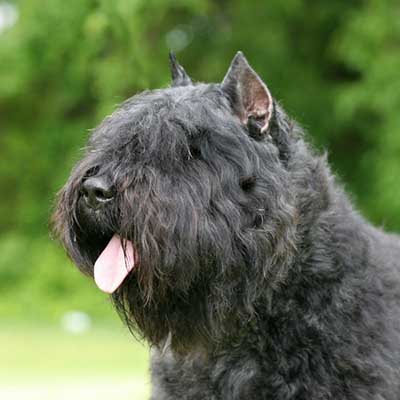
Bouvier des Flandres
The Bouvier des Flandres was initially developed as a hardworking dog, specifically designed for herding cattle and leveraging its strength on farms. Originating from Belgium and Northern France, these sturdy and intelligent dogs nearly faced extinction during World War I due to the destruction in their native regions. However, following the war, their population and popularity surged, leading them to become beloved family pets. Renowned for their loyalty, Bouviers thrive in various roles and require plenty of human interaction and physical exercise. Today, they can be found working as police, rescue, and guide dogs. Despite their energetic nature, Bouviers also appreciate relaxing with their dedicated families.
Read more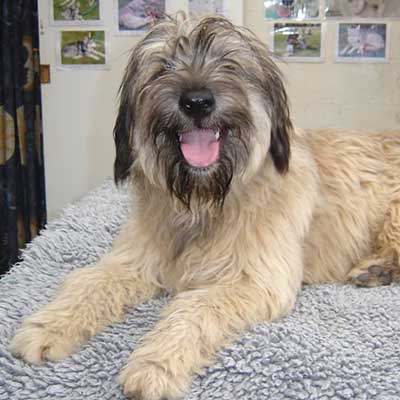
Catalonian Sheepdog
The Catalan Sheepdog is renowned for its exceptional adaptability, a reputation built on a long-standing history of fulfilling various roles. Like other local breeds such as the Great Pyrenees, this dog was initially bred for the purpose of protecting livestock. Their instinctual guarding behavior is so ingrained that they will instinctively safeguard flocks once they become accustomed to their environment. When livestock is not present, they remain vigilant, keeping a watchful eye over their home and family, always alert to potential dangers in their surroundings. While it’s no surprise that they make excellent watchdogs, their agility may come as an unexpected trait. Despite their sturdy and somewhat hefty build, these dogs are surprisingly nimble and often excel in agility competitions. They are also recognized as outstanding show dogs due to their ability to learn quickly. Compared to some of their regional peers, Catalan Sheepdogs are notably more sociable and tend to develop strong bonds with their families. However, their inherent independence necessitates proper socialization to ensure they interact well with children and other dogs, even though they are generally gentle in nature. Given their history of endurance from guarding tasks, these dogs require significant exercise, especially if they spend extended periods indoors. They thrive in active households with ample outdoor space. Overall, their versatility, trainability, and temperament make them wonderful companions for a variety of families.
Read more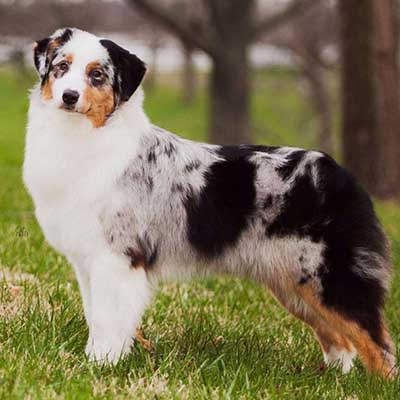
Miniature American Shepherd
The Miniature American Shepherd was developed in California as a smaller counterpart to the Australian Shepherd. This breed was created to serve as a perfect companion, suitable for both rural and suburban environments. With its compact stature, the Mini American Shepherd is well-suited for homes with limited outdoor areas, yet it retains the drive and energy necessary for farm work. As a herding dog, it needs plenty of exercise, though in a more manageable form than its larger relatives. This breed excels in various canine sports, including obedience, rally, agility, and herding. Furthermore, it is known for its affectionate nature towards children and generally gets along well with other dogs.
Read more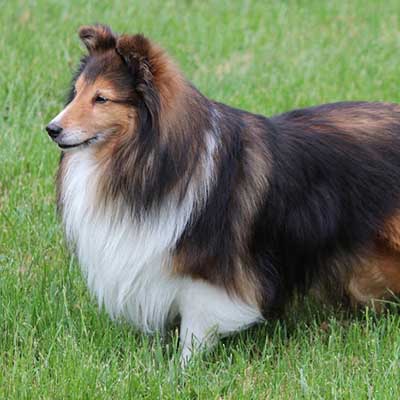
Shetland Sheepdog
The Shetland Sheepdog, often called the Sheltie, is akin to a small version of the Collie, as it is indeed a descendant of this breed. Breeders selectively developed smaller Collies, typically around 18 inches in height, to produce what we now know as the Shetland Sheepdog. These dogs were originally used for herding livestock, particularly sheep, in Scotland, with a strong presence on the Shetland Islands. It is thought that the breed's development may have also been shaped by influences from Border Collies, certain breeds from Iceland, and possibly the black and tan King Charles Terrier, all of which have contributed to the traits we associate with the Shetland Sheepdog today.
Read more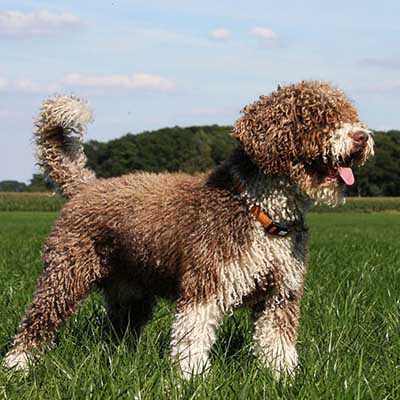
Spanish Water Dog
The Spanish Water Dog's origins are a subject of significant debate among specialists, making it crucial to differentiate this breed from the Portuguese Water Dog. With a history that spans over a thousand years in Spain, its ancient roots fuel ongoing discussions about its background. Many authorities believe that the Spanish Water Dog is a descendant of the Turkish Dog, having developed largely in the Andalusian region, where it traditionally worked as a herder for various livestock, including cattle, pigs, goats, and sheep. Renowned for its lively and spirited nature, this breed is exceptionally dedicated to its tasks. Despite its long history, it wasn't until 2008 that the American Kennel Club formally acknowledged the breed in a miscellaneous category.
Read more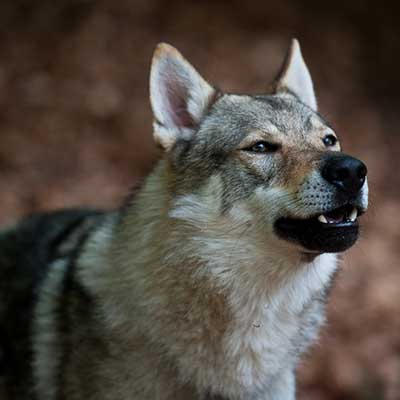
Czechoslovakian Vlcak (Czechoslovakian Wolfdog)
As their name suggests, this dog breed is a distinctive blend of wolf and dog, specifically a hybrid of the German Shepherd and the Carpathian wolf. Originally bred for military applications, these dogs showcase exceptional endurance, intelligence, and agility. However, they can pose training challenges, as they thrive on motivation to learn effectively. The Czechoslovakian Wolfdog is generally healthier than many other breeds, exhibiting a lower prevalence of health problems. Typically, they weigh between 44 and 54 pounds, stand around 24 to 26 inches tall, and have a lifespan of 12 to 16 years. While these dogs are incredibly loyal to their families, they often display caution towards strangers and unfamiliar animals. With strong hunting instincts, they require comprehensive training and should be monitored around smaller pets.
Read more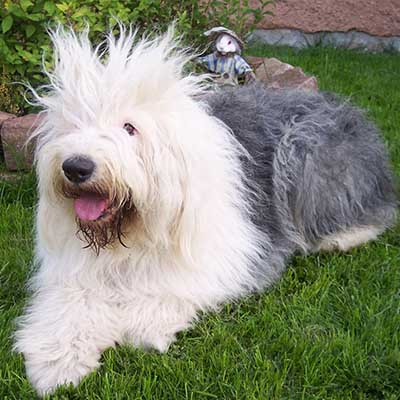
Old English Sheepdog
The Old English Sheepdog, one of the most ancient dog breeds, gained recognition from the American Kennel Club merely four years after the organization was founded in 1888. Currently, it holds the position of the 75th most popular breed in the United States. This breed is notable for its substantial size and unique shaggy fur, having featured prominently in various television shows and movies, as well as being a popular contender in dog competitions. Old English Sheepdogs are not only robust but also gentle and exceptionally intelligent, adept at mastering a wide array of commands and tasks. Their dense double coat often partially covers their eyes and comes in several color variations, with the most common being grizzle and white, gray and white, blue merle and white, blue gray and white, and blue and white.
Read more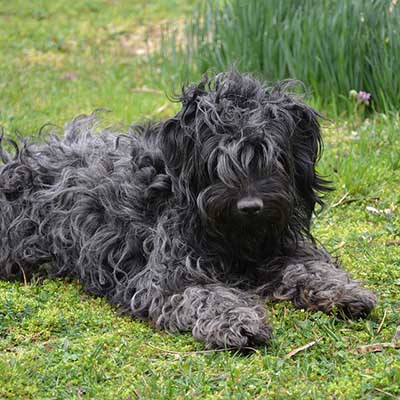
Puli
The Puli is a unique dog breed thought to have emerged over 2,000 years ago from Hungarian shepherd dogs. Traditionally, they have been used as sheepdogs, a function they still perform today. Beyond herding, these dogs are skilled in obedience and agility activities. They are loving companions, well-suited for families, especially when they are socialized early with children and other pets. Their alertness and protective nature make them excellent watchdogs, dedicated to the safety of their families. Known for their intelligence and trainability, Pulik are also hypoallergenic, resulting in minimal shedding, drooling, and odor.
Read more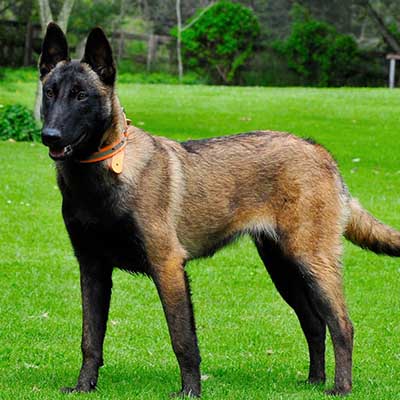
Belgian Malinois
The Belgian Malinois, hailing from the town of Malines in Belgium, was initially bred as a herding dog and has since adapted to a variety of roles, including security, law enforcement, contraband detection, assistance tasks, and herding competitions. This medium-sized breed is distinguished by its short coat and a balanced, square build, with height and length being nearly equal. Renowned for their strength and muscular physique, Malinois dogs embody the hardworking spirit of their sheepdog lineage, displaying high energy and a protective instinct. They are particularly well-suited for active owners who partake in daily physical activities such as running, biking, or hiking, as these dogs thrive on vigorous engagement. Social by nature, Belgian Malinois enjoy spending time with their families and should be allowed indoors while also having access to outdoor areas for exercise. Their intelligence and eagerness to learn make them quick learners, and they greatly benefit from early socialization and training. Each dog possesses its own distinct temperament, which can vary from reserved to highly sociable.
Read more