Berger Picard
Picardy Shepherd, Picard, Berger de Picardie, Picardy Sheepdog
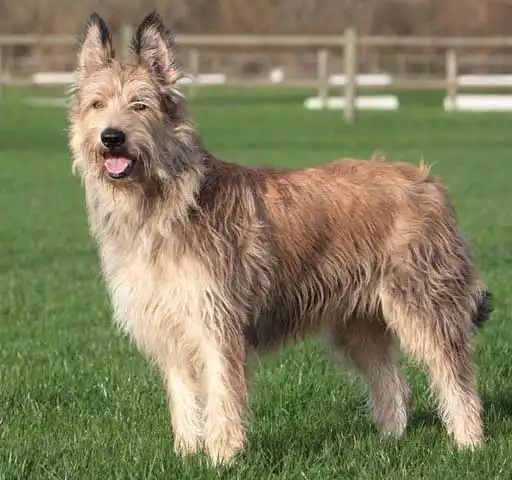
The Berger Picard (pronounced bare ZHAY pee CARR) is a somewhat lesser-known dog breed, even though it made an appearance in the 2005 movie *Because of Winn-Dixie*. Many people mistakenly think a mixed-breed dog was featured, but in reality, the producers sought out several dogs that shared similar characteristics for the role. The breed was selected for its unique, scruffy coat. Renowned for its intelligence, the Berger Picard also has a hint of stubbornness, which can lead to an interesting living experience. With its lively personality, this breed is especially great with children. However, being a herding breed, it needs a secure fence to keep it from trying to herd cars and other vehicles.
Breed Origin
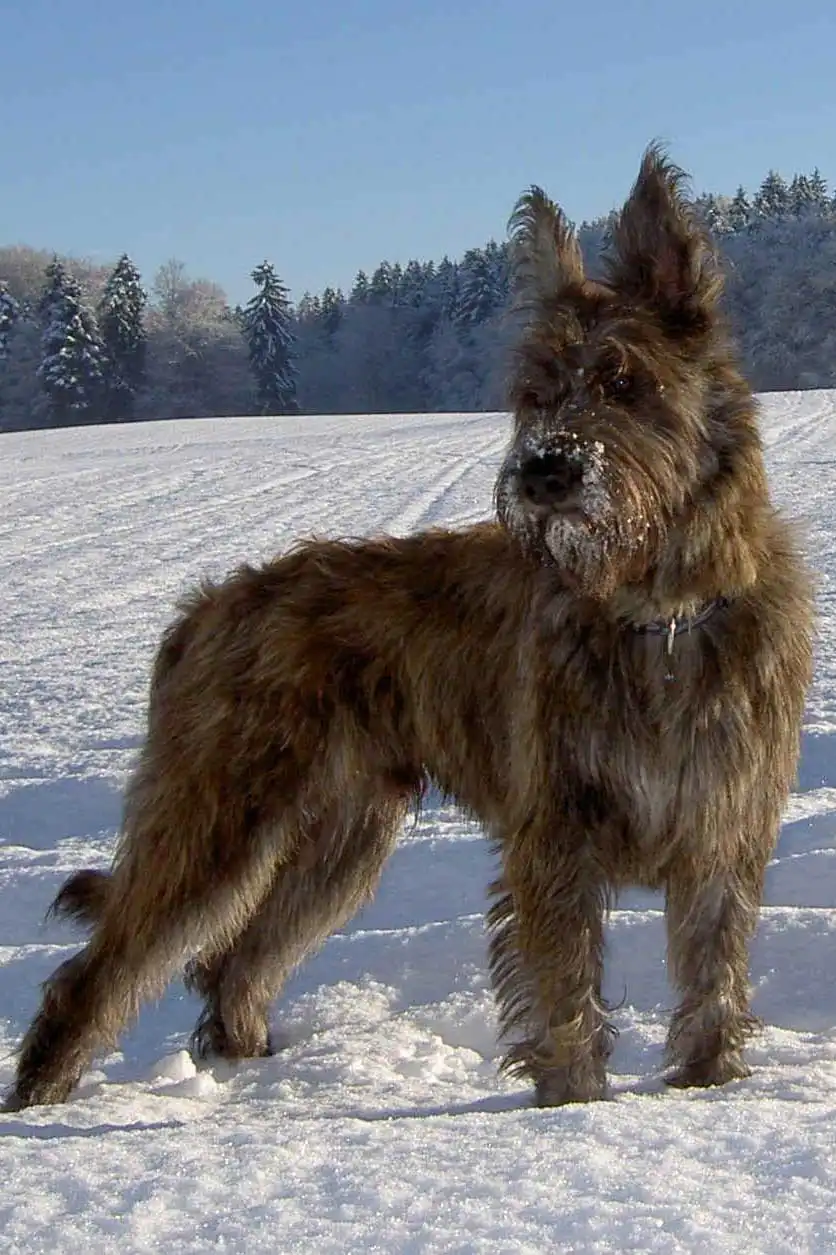
The Berger Picard, regarded as the oldest of the French sheepdog breeds, is thought to have been brought to northern France and the Pas de Calais area by the Celts around 800 A.D. This medium-sized dog is easily recognized by its distinctive bushy eyebrows and sharp, intelligent expression. While some experts propose a link between the Berger Picard and breeds such as the Briard and Beauceron, others contend that it is more closely related to the Dutch Shepherd and Belgian Shepherd. The breed nearly faced extinction during the upheaval of World War I and II and has not yet fully rebounded, with current estimates indicating a population of approximately 3,500 in France, 500 in Germany, and 400 in the United States and Canada. To support the breed's future in the U.S., the Berger Picard Club of America was founded in 2006. In April 2007, the American Kennel Club (AKC) accepted the Berger Picard into its Foundation Stock Service. The AKC recognized the Berger Picard Club of America as the official parent club in 2011, and by January 2013, the breed was added to the AKC's Miscellaneous Group. The breed standard was officially established in 2014, and in July 2015, the Berger Picard was classified within the Herding Group, enabling it to compete in all AKC-sanctioned events. The Berger Picard Club of America is dedicated to preserving the breed by researching and documenting existing bloodlines. They also advocate for responsible ownership and breeding practices to ensure that the Berger Picard does not face the threat of extinction again.
Breed Appearance
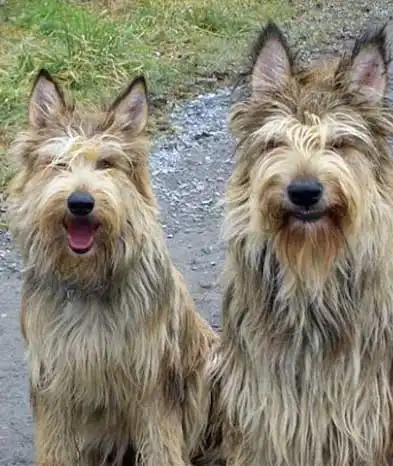
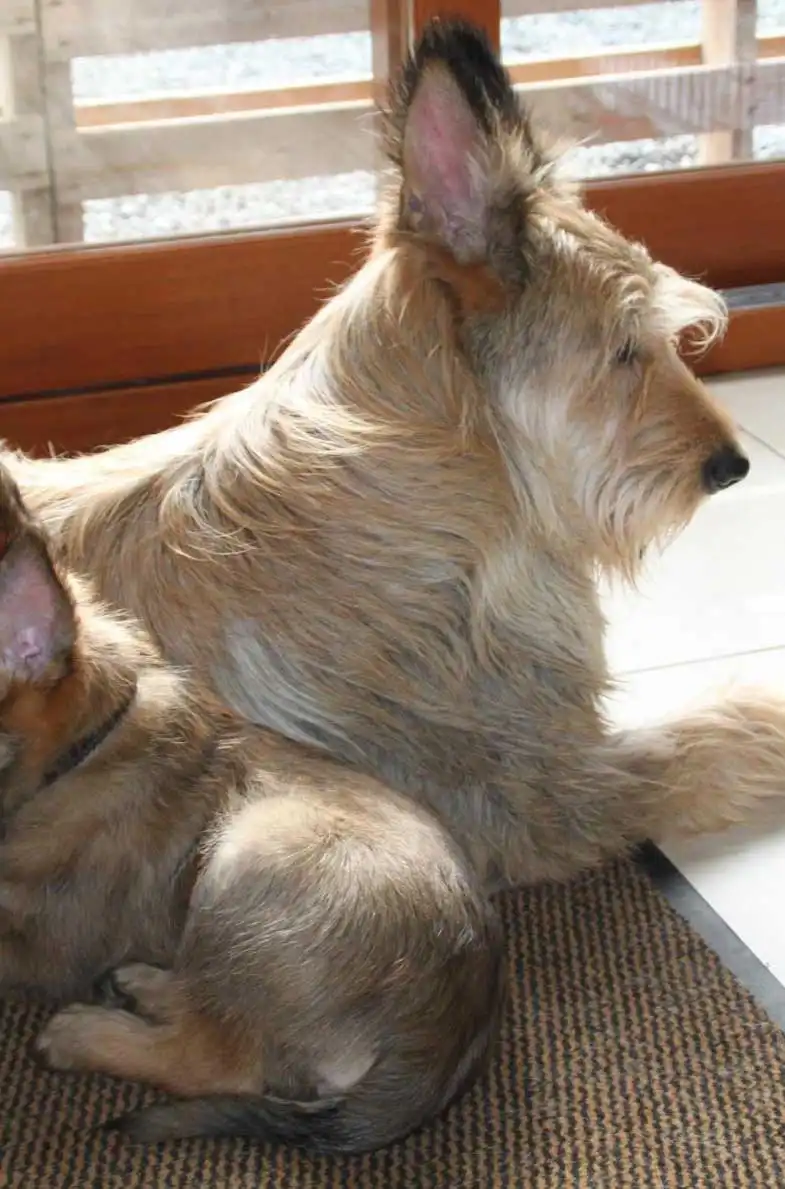
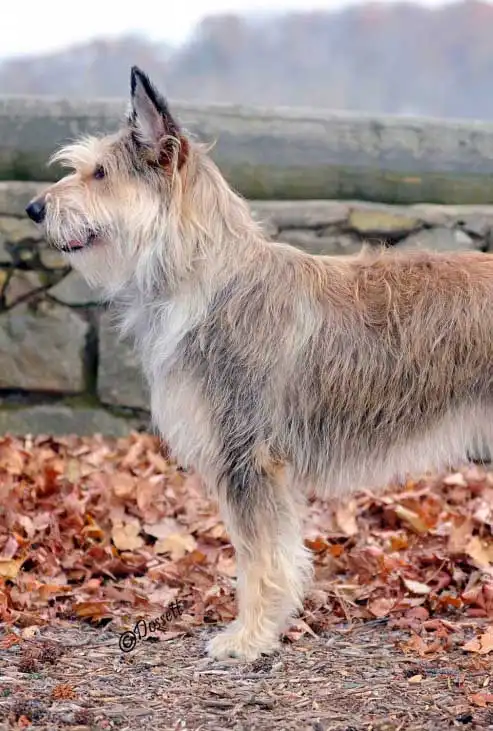
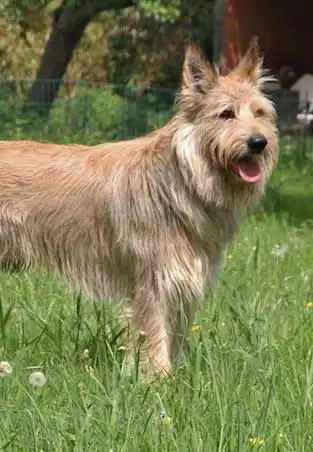
The Berger Picard is distinguished by its medium-length, weather-resistant coat. The outer layer has a rough and crisp feel, while the double coat gives it a shaggy appearance. Beneath this, the undercoat is soft and dense. Generally, the coat length ranges from 2 to 2.5 inches over most of the body, excluding the head and neck, where the hair is shorter. The shaggy eyebrows enhance its wise look. The neck may feature slightly longer hair, but it should not be excessive. The coat is predominantly straight, with a slight wave allowed; however, soft, curly, or flat hair is not desirable. The Berger Picard comes in two primary colors: fawn and gray, each with various shades such as gray-black, gray-blue, gray-red, and brindle. While minimal white markings on the chest and toe tips are acceptable, solid white on the chest or feet should be avoided.
Care Routine
This breed is typically regarded as low maintenance. The Berger Picard has a coarse coat that is not overly long, which helps minimize matting when properly maintained. It is advisable to groom them at least once a week, or at the very least, every other week to prevent tangles. During grooming, use a pin brush and a metal comb, paying particular attention to the hair behind the ears, as this area is especially susceptible to tangling. Hand-stripping may be necessary for the ears when needed. Bathing is rare due to the low oil content of the coat, which also helps reduce odor. Nail trimming should be done every two to three weeks as required. Additionally, it’s crucial to check the ears weekly for dirt and any unpleasant smells to identify potential infections early. The beard should be combed weekly to remove food particles, and a consistent dental care routine is vital for ensuring healthy teeth and gums.
Behavior & Temperament
The Berger Picard is a lively and joyful breed, full of character. Renowned for his sharp intellect, he delights in learning new skills and expanding his knowledge. While he is generally adaptable and receptive to training, he can also exhibit a stubborn streak. This breed thrives on regular exercise and mental stimulation, particularly enjoying activities that challenge his cognitive abilities. Although he may be cautious around strangers, it is crucial to provide early and consistent socialization during his formative years. Despite his herding background, he is not known to bark excessively unless left alone for long periods. Additionally, the Berger Picard may develop particular eating preferences, which can complicate efforts to ensure he maintains a well-rounded diet that satisfies his nutritional requirements. Affectionate with his family, he typically gets along well with children and other dogs. However, due to his strong herding instincts, it is advisable to keep him on a leash when outside his home to prevent him from trying to herd people or traffic.
Play & Exercise
Things to Know
Cups Per Day
2.5 Cups
Daily Activity
45 Minutes
Average Lifespan
13 Years
Origin
800 AD
Type
Pure Breeds
Size
Large
Origin Country
France
Brush Frequency
Monthly
Coat Texture
Wavy
Register
Your kids have been begging for a pet forever, and you've recently decided that it's time for your family to get a new addition -- a dog! While everyone is excited for the new arrival, you're wondering if you need to have a dog license. How much does it cost? Is it required? Where do you get one?
Member Clubs
PETINNATE
Herding Dog

AKC
Herding Group

UKC
Herding Dog
Height & Weight
Weight
61 lbs (28 kg)Male: 61 lbs (28 kg) , Female: 61 lbs (28 kg)
Height
24 inches (61 sm)Male: 24 inches (61 sm) , Female: 23 inches (58 sm)
6 Months
17 lbs ( m 17 lbs, f 17 lbs )
17 inches ( m 17 inches, f 17 inches )
12 Months
30 lbs ( m 30 lbs, f 30 lbs )
23 inches ( m 23 inches, f 23 inches )
18 Months
52 lbs ( m 52 lbs, f 52 lbs )
23 inches ( m 23 inches, f 23 inches )
Eye Colors
Hazel
Brown
Nose Colors
Black
Coat Colors
Fawn
Gray