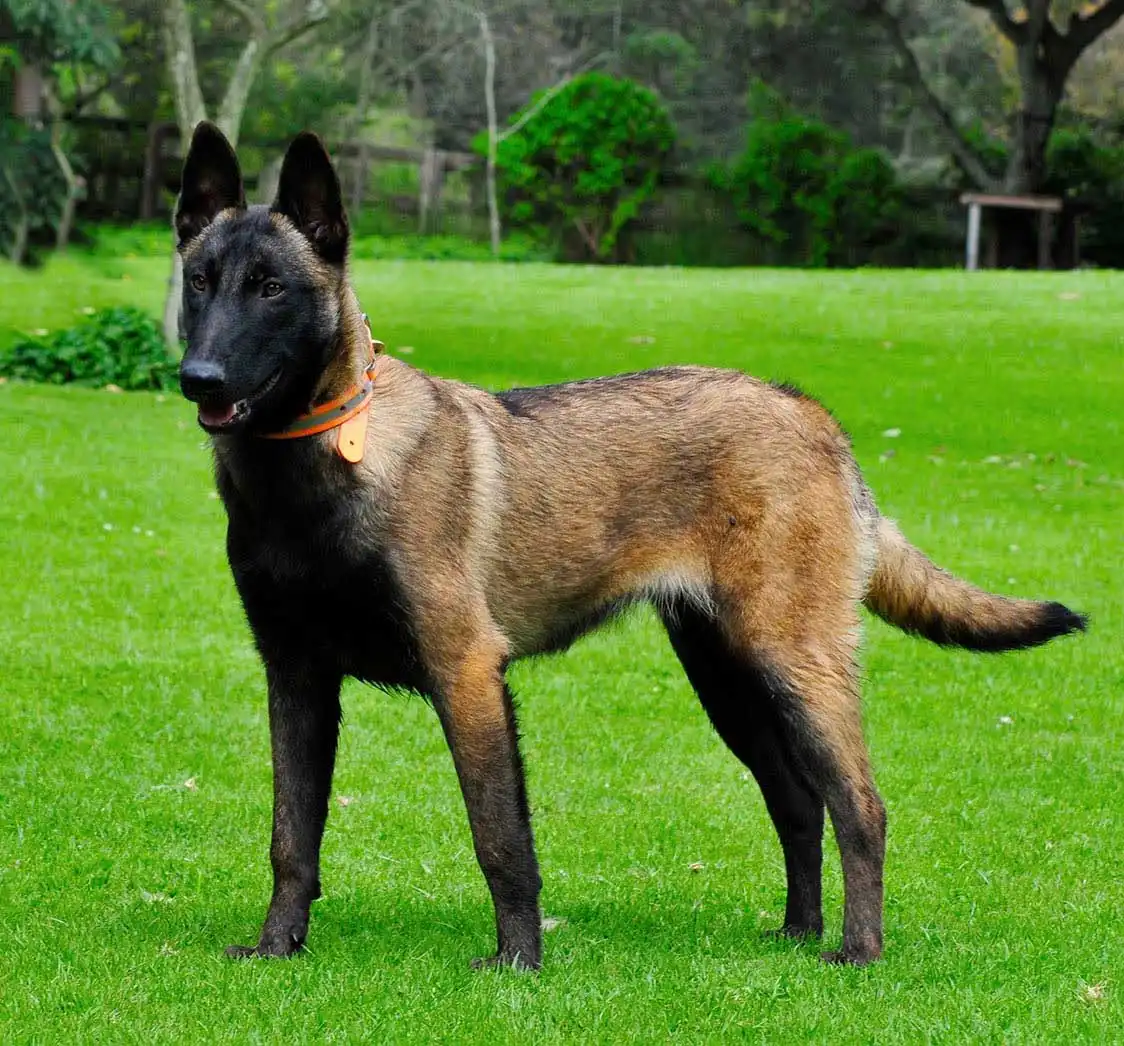
Belgian Malinois
Malinois, Chien de Berger Belge
The Belgian Malinois, hailing from the town of Malines in Belgium, was initially bred as a herding dog and has since adapted to a variety of roles, including security, law enforcement, contraband detection, assistance tasks, and herding competitions. This medium-sized breed is distinguished by its short coat and a balanced, square build, with height and length being nearly equal. Renowned for their strength and muscular physique, Malinois dogs embody the hardworking spirit of their sheepdog lineage, displaying high energy and a protective instinct. They are particularly well-suited for active owners who partake in daily physical activities such as running, biking, or hiking, as these dogs thrive on vigorous engagement. Social by nature, Belgian Malinois enjoy spending time with their families and should be allowed indoors while also having access to outdoor areas for exercise. Their intelligence and eagerness to learn make them quick learners, and they greatly benefit from early socialization and training. Each dog possesses its own distinct temperament, which can vary from reserved to highly sociable.
Breed Origin
The history of the Belgian Malinois is somewhat unclear prior to the late 19th century, though it is believed that these dogs have been aiding shepherds in flock management for many years. In the 1890s, Professor Adolphe Reul noted that several new dog breeds emerging in Belgium exhibited similar characteristics, which he grouped under the term Belgian Shepherds. Among these, a herding variant thought to have originated in Malines was specifically named the Belgian Malinois. Historical records show that one of the earliest registered Belgian Malinois, named Charlot, was born in 1891. The American Kennel Club recognized the breed in 1911, initially labeling them as Belgian Sheepdogs without differentiating between the various types. It wasn't until 1959 that the distinct Belgian Shepherd varieties were officially categorized, with the Malinois initially placed in the Miscellaneous Class until it achieved full recognition in 1965. The breed became popular as a herding dog and later took on roles in law enforcement and military work. However, outside of Belgium, the Malinois has not reached the same level of acclaim in competitive dog shows as other Belgian breeds.
Breed Appearance
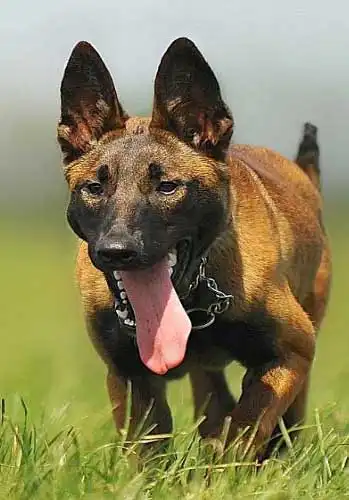
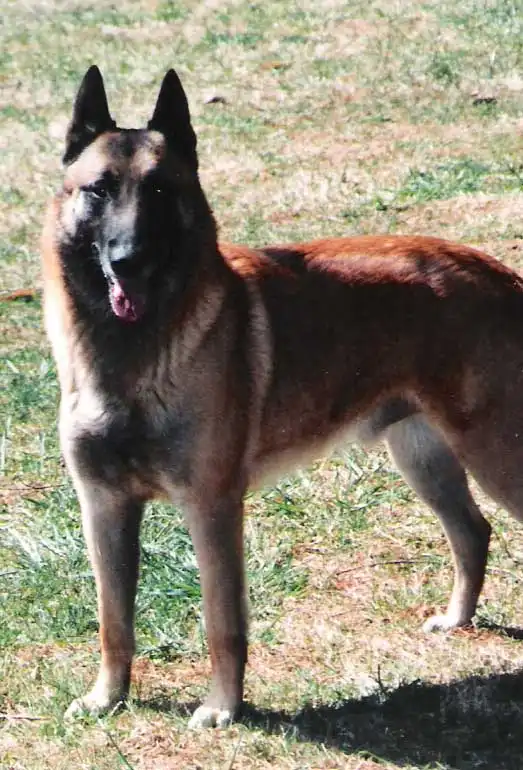
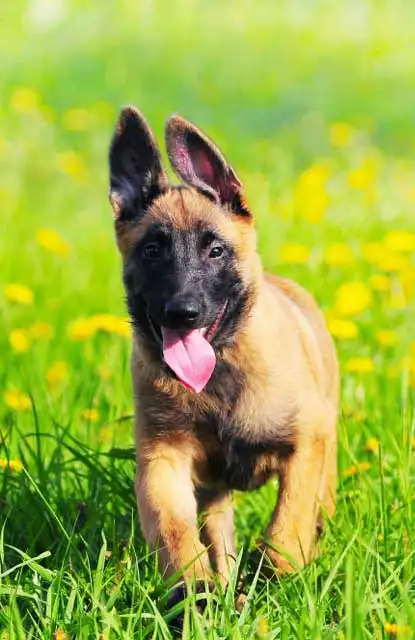
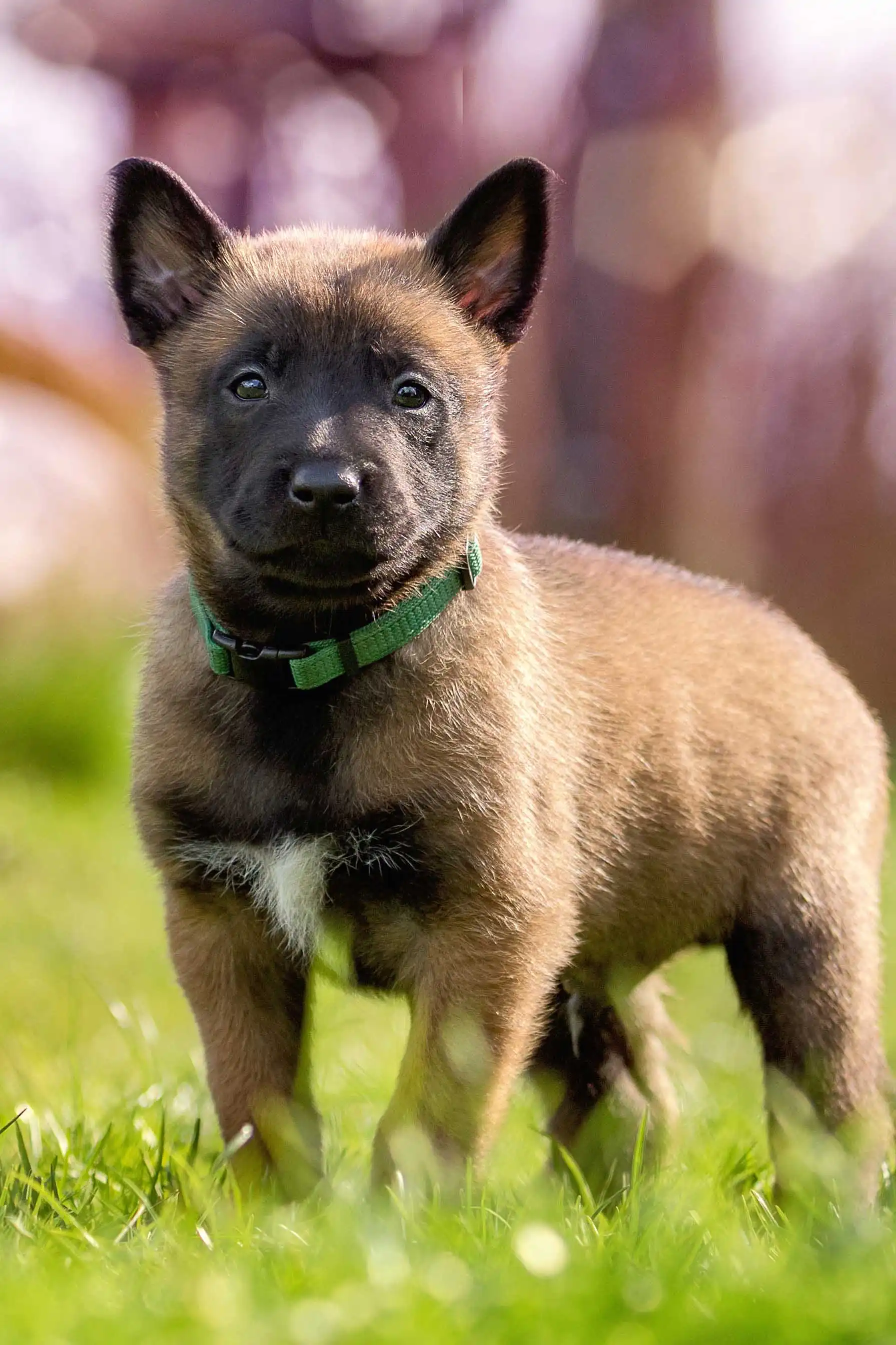
The Belgian Malinois typically weighs between 65 pounds for females and can reach up to 75 pounds for males. This breed is known for its square build, as its height and length are usually quite similar. It possesses straight, muscular legs in both the front and back. The head is held high, featuring erect, triangular ears. Its powerful jaws contain teeth that meet in a level, scissor-like bite. The tail is long, often curling upward, and is usually carried either horizontally or down. The coat is short, with slightly longer fur around the neck and hindquarters, and it commonly displays a rich mahogany brown or a lighter tan with black tips.
Care Routine
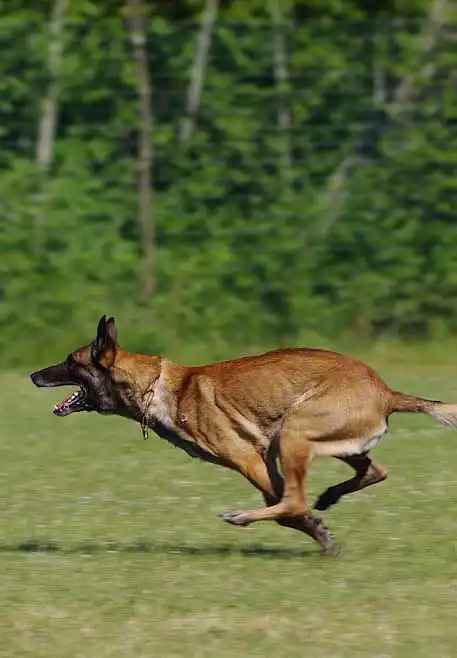
The Belgian Malinois is characterized by a short, straight coat that sheds regularly, with at least two major shedding periods each year. To keep this under control, it’s recommended to brush your Malinois on a weekly basis to remove dead hair and help distribute the natural oils in their skin. More frequent brushing can also reduce the amount of loose hair on your floors, furniture, and clothing. Bathing should be reserved for when it is absolutely necessary, as too much washing can strip the coat of its natural waterproof properties, unless your dog has had an adventurous encounter with something unpleasant. Regular grooming also involves trimming nails as needed, usually every few weeks, and ensuring dental hygiene by brushing their teeth regularly to promote good oral health and fresh breath. It’s important to keep your dog’s ears clean and dry to avoid infections. Given the high energy levels of the Belgian Malinois, having a fenced yard is advantageous for allowing them to run and play freely. Daily exercise is essential, whether through play in the yard, long walks, runs, or hikes, to support the physical and emotional well-being of this active and inquisitive breed.
Behavior & Temperament
The Belgian Malinois is an energetic and playful breed, known for its commitment as a working dog. This breed can be a delightful and affectionate companion, always ready to play and protect children. As a herding dog, it may instinctively chase after running kids, so it's important to discourage this behavior during training. While a Belgian Malinois can live harmoniously with cats and other dogs if raised together, it may show a dominant demeanor towards them. Due to their strong prey drive, some may not be safe around cats. To avoid destructive behaviors, it’s essential to keep your Belgian Malinois mentally and physically engaged, as boredom can lead to significant issues. These dogs flourish when included in family activities and should be allowed to spend time indoors with their owners. If introduced to children early on, they usually adapt well. With appropriate socialization, they can develop confidence. When meeting new people, a Belgian Malinois may exhibit a range of responses, from friendly to reserved, but they are typically neither shy nor aggressive. Training can commence as soon as the dog arrives home, even at just eight weeks of age.
Play & Exercise
Things to Know
Cups Per Day
3.0 Cups
Daily Activity
60 Minutes
Average Lifespan
12 Years
Origin
1800s
Type
Pure Breeds
Size
Large
Origin Country
Belgium
Brush Frequency
Weekly
Coat Texture
Straight
Register
Your kids have been begging for a pet forever, and you've recently decided that it's time for your family to get a new addition -- a dog! While everyone is excited for the new arrival, you're wondering if you need to have a dog license. How much does it cost? Is it required? Where do you get one?
Member Clubs

PETINNATE
Herding Dog

AKC
Herding Group
Height & Weight
Weight
63 lbs (29 kg)Male: 68 lbs (31 kg) , Female: 58 lbs (26 kg)
Height
24 inches (61 sm)Male: 25 inches (64 sm) , Female: 23 inches (58 sm)
6 Months
50 lbs ( m 50 lbs, f 50 lbs )
11 inches ( m 11 inches, f 11 inches )
12 Months
57 lbs ( m 57 lbs, f 57 lbs )
15 inches ( m 15 inches, f 15 inches )
18 Months
72 lbs ( m 72 lbs, f 72 lbs )
21 inches ( m 21 inches, f 21 inches )
Eye Colors
Brown

Nose Colors
Black
Coat Colors
Brown
Fawn
Sable
Characteristics
Mixes
Belusky
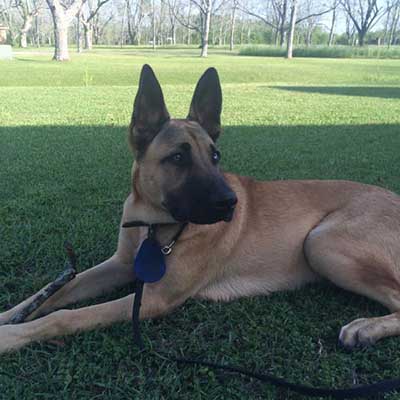
The Belusky is a hybrid breed created by crossing the Belgian Malinois with the Siberian Husky, making it particularly well-adapted to cooler climates. This breed features a sturdy and compact build, along with high energy levels that require a minimum of 1 to 2 hours of daily exercise, though more is preferable. Beyond their energetic disposition, Beluskies are celebrated for their deep loyalty to their families and possess strong protective instincts that can surface when necessary. It is essential to avoid emphasizing these protective traits during the training of young Belusky puppies to prevent the emergence of undesirable protective behaviors as they mature. Overall, Beluskies are friendly and make excellent family companions, typically living between 8 to 10 years. They require regular grooming, which includes brushing approximately twice a week and occasional baths as needed.
Read more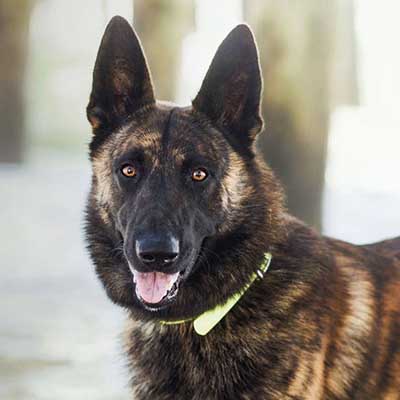
Mali-dutchie
The Mali-dutchie is a hybrid breed that emerges from the combination of the Belgian Malinois and the Dutch Shepherd. This large dog belongs to the herding group, embodying the herding instincts inherited from both parent breeds. While their looks can vary greatly, even among siblings, the Mali-dutchie presents a captivating blend of characteristics from both the Malinois and the Dutch Shepherd. It features a short, weather-resistant coat that comes in a range of colors, making it adaptable to various climates, although it generally thrives in cooler environments. Although this breed sheds regularly and requires consistent grooming, its overall maintenance needs are relatively minimal. With its prominent ears, sharp eyes, and athletic build, the Mali-dutchie is certainly an eye-catching dog. It’s important to recognize that both parent breeds are celebrated for their working abilities and serious nature, often serving as police dogs, search and rescue animals, herders, and guide dogs. As a result, the Mali-dutchie is not typically a relaxed, snuggly pet; rather, it is usually energetic, highly intelligent, loyal, and affectionate, making it an excellent choice for a guard dog or a companion for an active family.
Read more