Puli
Hungarian Puli, Hungarian Water Dog, Pulik
The Puli is a unique dog breed thought to have emerged over 2,000 years ago from Hungarian shepherd dogs. Traditionally, they have been used as sheepdogs, a function they still perform today. Beyond herding, these dogs are skilled in obedience and agility activities. They are loving companions, well-suited for families, especially when they are socialized early with children and other pets. Their alertness and protective nature make them excellent watchdogs, dedicated to the safety of their families. Known for their intelligence and trainability, Pulik are also hypoallergenic, resulting in minimal shedding, drooling, and odor.
Breed Origin
This dog breed has a rich history, with its roots dating back around 2,000 years. Some evidence indicates that a dog similar to the Puli may have existed as long as 6,000 years ago, although many prefer to link this breed to more recent canines. The story of the Puli begins in present-day Iraq, where oil workers discovered the burial site of a man laid to rest with a sheep and a small dog. Among the findings was a clump of hair resembling the fur of modern Pulis, suggesting that the man was a shepherd interred with his sheep and loyal dog. This region was once part of Sumeria, an ancient civilization, and clay tablets found in Eridu, along with a statue of a Puli, indicate that these dogs were used for herding thousands of years ago. About 1,100 years ago, the Puli was brought to Hungary by Magyar tribesmen, quickly becoming a popular choice for herding livestock. Shepherds often favored black Pulis, as their dark coats made them easier to spot among the sheep. At that time, acquiring a Puli could cost a farmer an entire year’s wages. While shepherds valued their dogs highly, they were known to be demanding, which likely contributed to the breed's exceptional intelligence. In the 1800s, the need for sheepdogs began to decline, resulting in a drop in their numbers. Fortunately, in 1912, Dr. Emil Raitsits, a professor at the Hungarian University of Veterinary Medicine, along with Adolf Lendl, the director of the Budapest Zoo, played a vital role in saving the breed from extinction. They converted a zoo exhibit into a specialized breeding program for Pulis. Although the breed faced the threat of extinction during World War II, its growing popularity before the war helped ensure its survival. The American Kennel Club officially recognized the Puli in 1936, and the Puli Club of America was founded in 1951.
Breed Appearance
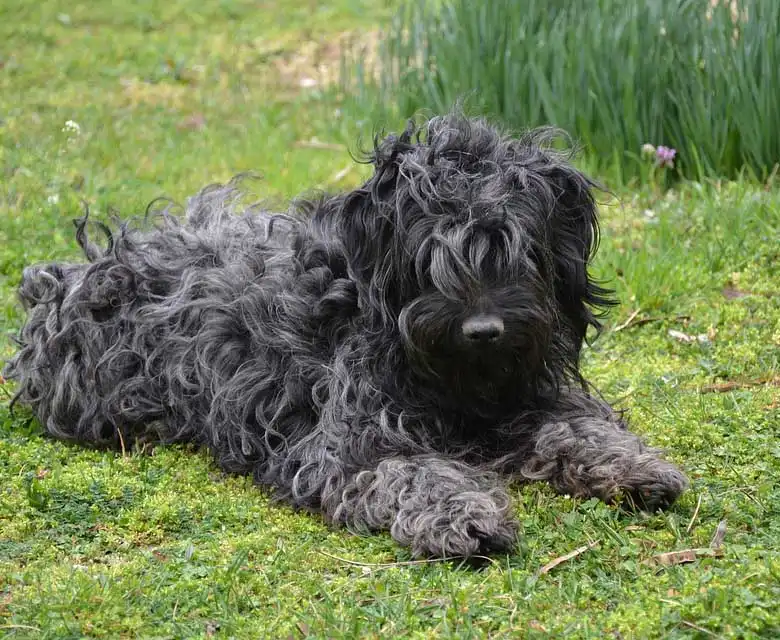
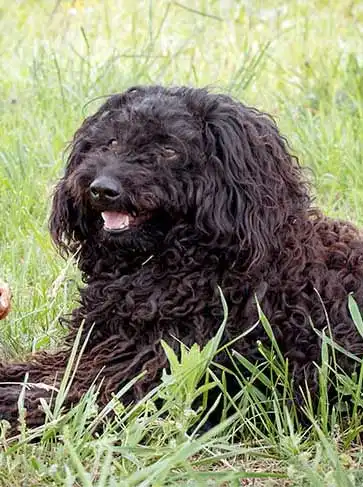
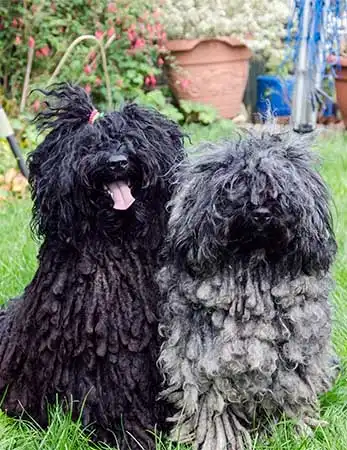
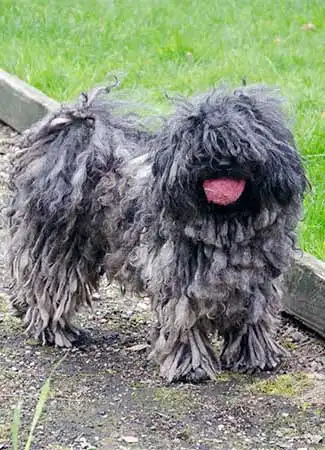
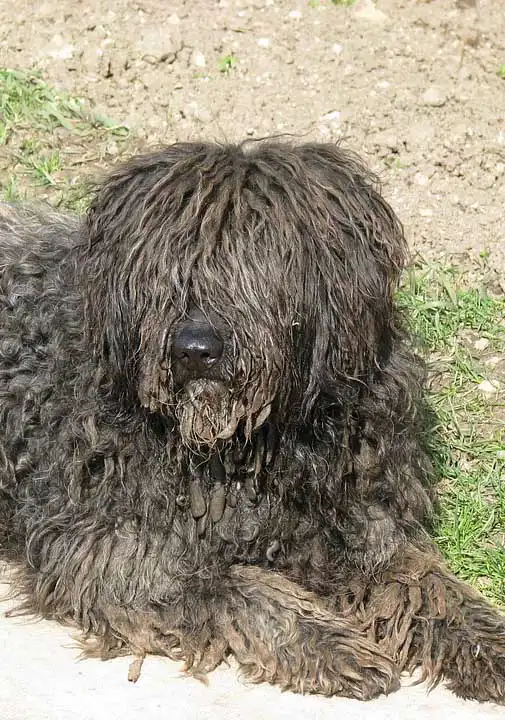
Pulis are sturdy, medium-sized dogs celebrated for their unique and striking coats. Their fur is long and dense, developing into corded strands that can touch the ground as they grow older. While black is the most common color, they can also be found in various shades of gray and white, as well as a distinctive hue called fako, which is primarily seen in Hungary. Sometimes, black coats may show signs of aging, with scattered white hairs. Their tails elegantly arch over their backs, and their dark brown, almond-shaped eyes are framed by black eyelids. The ears of a Puli are medium in size and v-shaped, harmonizing with their fluffy fur. They have large black noses at the end of long, straight muzzles, and their teeth display a scissor bite.
Care Routine
The Puli is a herding dog that thrives in large, securely fenced areas where it can burn off its abundant energy. It's crucial to have a tall fence, as these dogs are capable of jumping up to six feet! While they do well in farm environments, they can adapt to smaller living spaces as long as their energetic nature is taken into account. Their daily diet should consist of 1 to 2 cups of dog food, divided into two meals. Grooming is a vital part of caring for a Puli, but their coat requires a unique technique compared to other breeds. Instead of brushing to untangle, begin by wetting the coat, then use your hands to separate and twist the fur into cords. Occasional trims can help keep the coat from gathering too much dirt and debris. Bathing your Puli is much like bathing any other dog, but it should be done infrequently. When you do bathe them, ensure the coat is thoroughly soaked and use a shampoo that is safe for dogs. After rinsing, gently squeeze the cords to eliminate excess water using your hands and a towel. Remember that the drying process can take several days, and avoid using heat to expedite it, as this can cause overheating. Therefore, regular baths are not recommended unless absolutely necessary, such as when the coat becomes matted with burs, urine, feces, or other dirt. Ideally, you should brush your Puli's teeth daily, but if that’s not possible, aim for at least once or twice a week. Additionally, check their nails once or twice a month and trim them as needed.
Behavior & Temperament
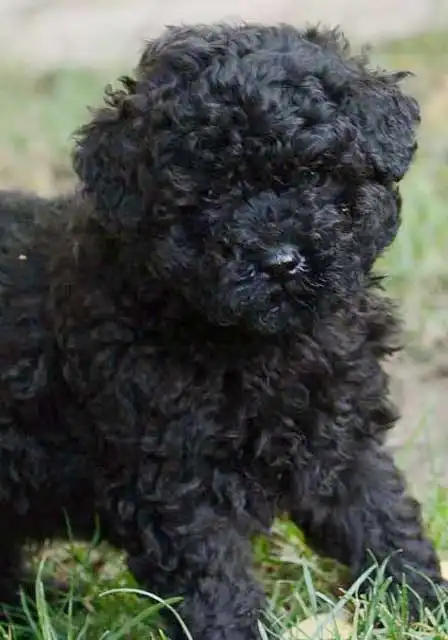
These lively dogs are incredibly loyal to their families and show a significant amount of affection. Renowned for their intelligence, they excel in tasks and are naturally cautious around strangers, which makes them outstanding watchdogs. The Puli breed possesses strong herding instincts, often leading them to try to herd people, highlighting the importance of having a caring yet firm owner. Many Pulis are quite vocal, so teaching them to be quiet on command can be beneficial. They are active dogs that excel in various canine sports such as herding, obedience, and agility. Participating in these activities is crucial, as Pulis can become destructive without adequate mental and physical stimulation. With appropriate socialization and training during their puppy years, they can adapt well to living with children, often playing gently and providing protection. When raised in a loving environment, Pulis can also live peacefully with other pets.
Play & Exercise
Things to Know
Cups Per Day
2.0 Cups
Daily Activity
60 Minutes
Average Lifespan
14 Years
Origin
middle ages
Type
Pure Breeds
Size
Medium
Origin Country
Hungary
Brush Frequency
Monthly
Coat Texture
Corded
Register
Your kids have been begging for a pet forever, and you've recently decided that it's time for your family to get a new addition -- a dog! While everyone is excited for the new arrival, you're wondering if you need to have a dog license. How much does it cost? Is it required? Where do you get one?
Member Clubs

PETINNATE
Herding Dog

AKC
Herding Group

UKC
Herding Dog
Height & Weight
Weight
30 lbs (14 kg)Male: 33 lbs (15 kg) , Female: 28 lbs (13 kg)
Height
16 inches (41 sm)Male: 17 inches (43 sm) , Female: 15 inches (38 sm)
6 Months
17 lbs ( m 17 lbs, f 17 lbs )
11 inches ( m 11 inches, f 11 inches )
12 Months
22 lbs ( m 22 lbs, f 22 lbs )
13 inches ( m 13 inches, f 13 inches )
18 Months
27 lbs ( m 27 lbs, f 27 lbs )
15 inches ( m 15 inches, f 15 inches )
Eye Colors
Brown

Nose Colors
Black
Coat Colors
Black
Gray
White