Guardian Dog Group Breeds
This page features Guardian Dog group breeds, offering detailed information for anyone interested in learning about these dogs. Each breed profile includes key traits such as temperament, size, energy level, and general care needs.
This group is divided into two types: Flock Guards and Mastiffs. FLOCK GUARDS One of the earliest tasks performed by domestic dogs was guarding the flocks for nomadic shepherds. The Flock Guards were selectively bred for natural protectiveness, hardiness, courage, and large size. As Neolithic tribes migrated from the high plateaus of Turkey and Iran to Africa, Europe and eastern Asia, their Flock Guards traveled with them. The Flock Guard dogs are characterized by heavy bone, a muscular build, ample and weather-resistant coat, and large size. MASTIFFS The Mastiff breeds were probably developed by selectively breeding the largest of the Flock Guard dogs for use as personal guard dogs and war dogs. Unlike the Flock Guards, most Mastiffs have smooth coats. Mastiffs are characterized by substantial bone growth and an overgrowth and thickening of the skin, resulting in wrinkled faces, dewlaps, and drop ears.
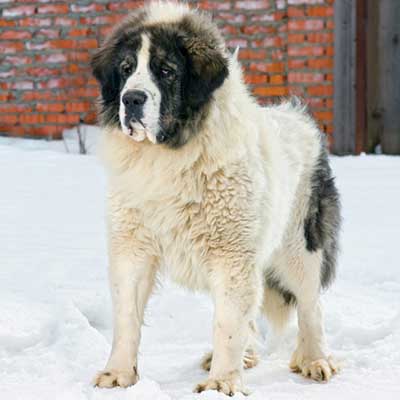
Pyrenean Mastiff
The Pyrenean Mastiff is a remarkably large and fluffy breed recognized for its serene nature. With appropriate training, this dog is gentle and well-behaved. However, as with any canine, insufficient training or socialization can result in behavioral problems. It’s essential to understand that the Pyrenean Mastiff is different from both the Spanish Mastiff and the Pyrenean Mountain Dog, as these are distinct breeds. This breed can show a certain level of independence and stubbornness, which, coupled with its size, can create management challenges. Although it typically has a well-balanced temperament, it may not be the best fit for first-time dog owners.
Read more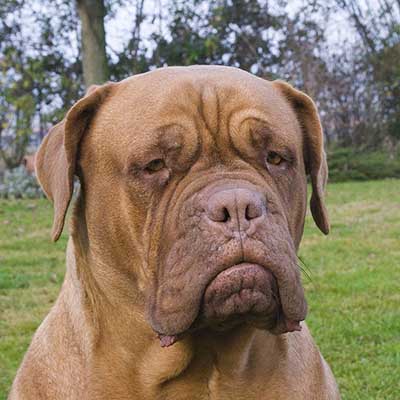
Dogue De Bordeaux
The Dogue de Bordeaux, commonly referred to as the French Mastiff, is a sizable breed with a lineage that remains somewhat ambiguous. Typically, these dogs stand around two feet tall at the shoulder and can weigh more than 99 pounds, distinguished by their prominent heads and short snouts. Unfortunately, they are susceptible to a range of health problems, including heart disease, various cancers, and hip and elbow dysplasia, which contribute to a relatively brief lifespan of five to eight years, though some may live longer. A notable case is Beasley, a nine-year-old Dogue de Bordeaux who appeared alongside Tom Hanks in the 1989 film "Turner and Hooch" and lived for three years beyond the film's release. If not properly socialized, these dogs can display stubborn and strong-willed tendencies, reminiscent of Hooch's character in the movie. However, with the right care and attention, they can develop into loyal, tolerant, and affectionate family companions.
Read more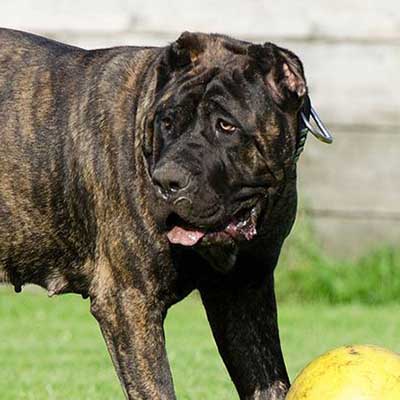
Perro De Presa Canario
The Perro De Presa Canario is an impressive breed that often suffers from unfavorable stereotypes. Traditionally, this dog has been employed for hunting large game and, regrettably, has been associated with dog fighting in various areas. Consequently, it may not be the best fit for inexperienced dog owners or families with young kids. Without proper training, the Perro De Presa Canario can display aggressive tendencies. There have been cases where this breed has caused serious injuries or fatalities among both adults and children, underscoring the considerable responsibility that comes with owning one. Nevertheless, with appropriate socialization, training, and management, this breed can evolve into a loyal and loving companion. It is essential to prevent it from taking on a dominant role within the household.
Read more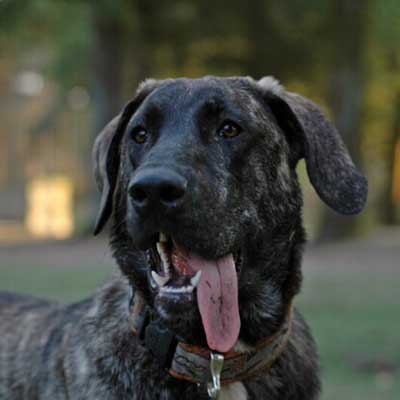
Cao de Castro Laboreiro
The Cão de Castro Laboreiro is considered one of the rarest dog breeds in the world, with a population estimated to be between 200 and 500 individuals. Historical records about this breed are limited, and even the Portuguese Kennel Club admits that many stories regarding its origins are largely conjectural. Although several theories have been proposed, there is a general agreement that this breed is indeed ancient. It is believed to have existed for thousands of years and is likely part of the Lupomolossoid group, which eventually led to the development of breeds like the Great Pyrenees, positioning it as one of the earliest descendants of the original herding and guarding dogs. Despite its mysterious past, the Cão de Castro Laboreiro has been a protector in Portugal for centuries. Its physical traits, including its facial structure and coat, bear a resemblance to that of a wolf, and its cautious attitude towards strangers enhances this likeness. This breed is known for its assertive and protective instincts, yet it is also sensitive, responding more favorably to positive reinforcement rather than harsh training methods. Within their family, they are affectionate and form strong bonds with familiar individuals, but they can be wary of strangers and other dogs, making them better suited as solo pets unless they undergo thorough socialization. Their high intelligence and strong-willed nature mean they flourish under the care of a knowledgeable and assertive owner who can provide effective training. Once properly trained, they tend to be obedient and exhibit deep loyalty to their families.
Read more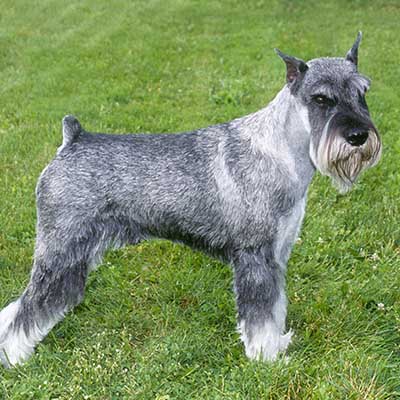
Standard Schnauzer
The Standard Schnauzer serves as the ancestral breed from which all modern Schnauzers have evolved, tracing its roots back to Germany in the Middle Ages. Originally, this breed was bred for practical purposes, including catching rats, controlling pests, and providing protection. Throughout much of their existence, Schnauzers were primarily seen as working dogs on farms, taking on various functional roles. However, in the 19th century, they began to capture the interest of German dog lovers. This period also saw the emergence of the Miniature and Giant Schnauzers as variations of the Standard Schnauzer. The breed first appeared in dog shows in Germany in 1879 and gained official recognition from the American Kennel Club in 1904.
Read more