Guardian Dog Group Breeds
This page features Guardian Dog group breeds, offering detailed information for anyone interested in learning about these dogs. Each breed profile includes key traits such as temperament, size, energy level, and general care needs.
This group is divided into two types: Flock Guards and Mastiffs. FLOCK GUARDS One of the earliest tasks performed by domestic dogs was guarding the flocks for nomadic shepherds. The Flock Guards were selectively bred for natural protectiveness, hardiness, courage, and large size. As Neolithic tribes migrated from the high plateaus of Turkey and Iran to Africa, Europe and eastern Asia, their Flock Guards traveled with them. The Flock Guard dogs are characterized by heavy bone, a muscular build, ample and weather-resistant coat, and large size. MASTIFFS The Mastiff breeds were probably developed by selectively breeding the largest of the Flock Guard dogs for use as personal guard dogs and war dogs. Unlike the Flock Guards, most Mastiffs have smooth coats. Mastiffs are characterized by substantial bone growth and an overgrowth and thickening of the skin, resulting in wrinkled faces, dewlaps, and drop ears.
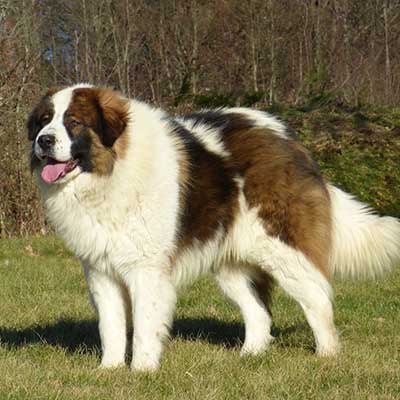
Tornjak
The Tornjak, pronounced Torn-Yak, is a sturdy mountain sheepdog that hails from Bosnia and Croatia. This breed is not only sizable but also embodies a warm and generous spirit. Originally bred to protect sheep, the Tornjak is both watchful and devoted to his family. He has a calm temperament and is generally adaptable, which makes training him relatively straightforward. While he tends to be non-aggressive towards people and other dogs, he can exhibit protective behaviors if he senses a threat to his loved ones. The Tornjak is especially good with children, often taking on a protective role while they play in the yard or at the park. However, despite his easygoing nature, he may not be the best fit for first-time dog owners.
Read more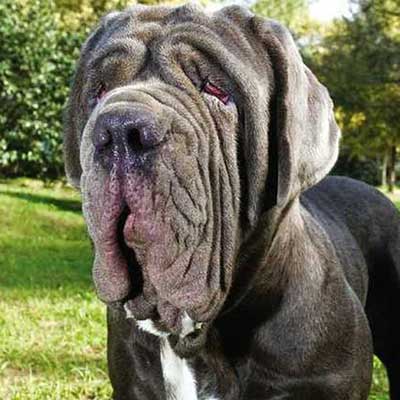
Neapolitan Mastiff
The Neapolitan Mastiff presents a striking and formidable presence, making it easy to understand why ancient Italians turned to these dogs for protection. Their robust physique and commanding stature serve as effective deterrents against potential intruders. Yet, beneath their intimidating appearance lies a gentle and affectionate disposition, earning them the nickname "gentle giants." Weighing between 110 and 200 pounds, Neapolitan Mastiffs are characterized by their loose skin and prominent, wrinkled faces. They are known for their strong protective instincts and unwavering loyalty to their families. Their calm nature and loving personality make them a favored choice for many households. However, prospective owners should recognize that without proper socialization, Neapolitan Mastiffs can display stubbornness, willfulness, and even aggression towards strangers and other dogs. This breed thrives under the guidance of a confident owner who can manage their protective tendencies, making them less suitable for inexperienced dog owners. With early training and socialization, a Neapolitan Mastiff can grow into a well-adjusted and peaceful companion, offering steadfast love and loyalty.
Read more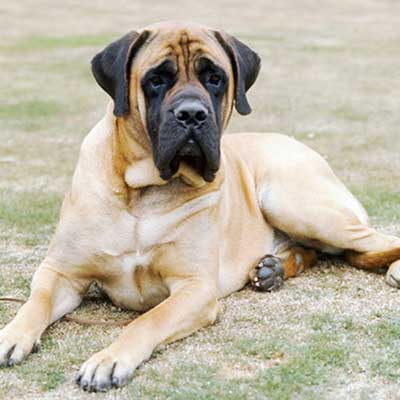
Mastiff
The Mastiff is acknowledged as the largest dog breed. Although breeds such as Wolfhounds and Great Danes may surpass it in height, the Mastiff is distinguished by its remarkable musculature, sturdy physique, and significant bone structure. This breed has its origins in the ancient Molosser lineage, which eventually migrated to the British Isles. Over time, the Mastiff thrived in England, initially serving as a guardian and later becoming involved in the cruel practices of bull and bear baiting. The 19th century marked the decline of these inhumane activities, prompting a selective breeding program that transformed this once fierce breed into a gentle giant. Today, the Mastiff retains its status as one of the largest breeds, continuing its tradition as a loyal protector of its family.
Read more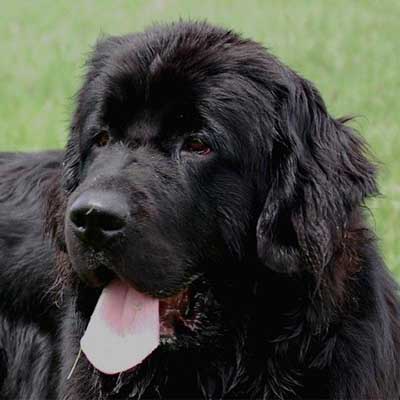
Newfoundland
The Newfoundland is a breed that originates from North America, specifically Newfoundland Island in Canada. While the exact beginnings of this breed are not entirely clear, it is thought that European fishermen introduced its ancestors to the island. Some theories propose that the Newfoundland may have descended from the white Great Pyrenees, while others suggest a connection to a French hound. Originally developed as a multi-purpose water dog and fishing aide, the Newfoundland has since become crucial in water rescue efforts. This sizable breed generally weighs between 130 and 150 pounds, with males reaching about 28 inches in height and having a body that is slightly longer than it is tall. With their sturdy build and strong bones, Newfoundlands have the power needed to rescue individuals from drowning, even in rough waters. Their webbed feet and water-resistant fur aid in swimming, while their strong, effortless gait enhances their ability to pull effectively.
Read more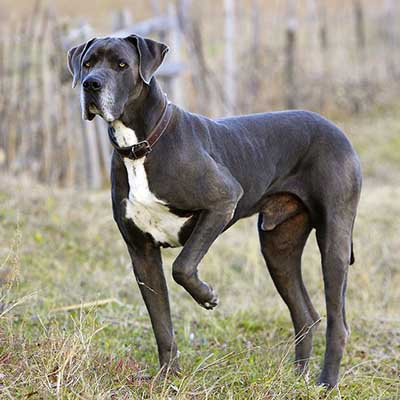
Great Dane
The Great Dane is commonly known as the "gentle giant" due to its calm and thoughtful demeanor. These dogs thrive on love and often try to snuggle in their owner's lap, resembling a smaller lapdog. They have a strong desire to please their families and are typically easy to train. However, it's crucial to keep in mind that their large size enables them to reach elevated surfaces, such as tables and kitchen counters. Moreover, their tails can be a hazard, as they might accidentally knock over objects within their reach, which makes them more suitable for homes with ample space. Unfortunately, like many larger breeds, they generally have shorter lifespans.
Read more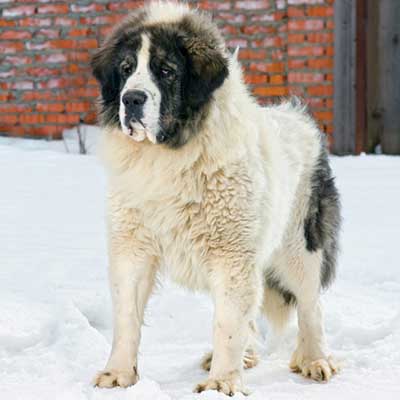
Pyrenean Mastiff
The Pyrenean Mastiff is a remarkably large and fluffy breed recognized for its serene nature. With appropriate training, this dog is gentle and well-behaved. However, as with any canine, insufficient training or socialization can result in behavioral problems. It’s essential to understand that the Pyrenean Mastiff is different from both the Spanish Mastiff and the Pyrenean Mountain Dog, as these are distinct breeds. This breed can show a certain level of independence and stubbornness, which, coupled with its size, can create management challenges. Although it typically has a well-balanced temperament, it may not be the best fit for first-time dog owners.
Read more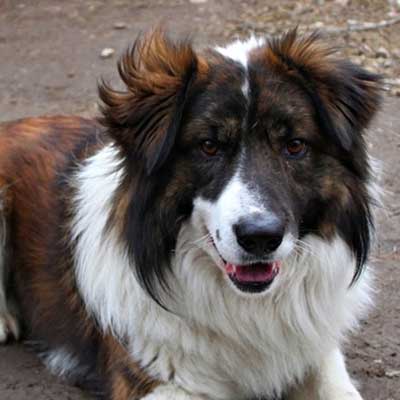
Aidi (Atlas Mountain Dog)
The Aidi, one of the oldest dog breeds to be formally developed, is a gentle working dog with a rich heritage in Northern Africa, where it was initially bred for hunting and protection. While these dogs are quite common in Morocco, they are relatively rare elsewhere and have not gained the same level of popularity as many other breeds. Interestingly, despite their origins in a hot and dry climate, Aidis possess a surprisingly thick and long coat that shields them from severe weather and potential dangers, similar to that of a sheepdog. Renowned for their loyalty, energy, and alertness, Aidis take their responsibilities as watchdogs very seriously. Consequently, early training and socialization are essential to ensure they can live harmoniously with other people and pets, as they tend to be quite protective of their families. Nevertheless, they are also friendly and affectionate, making them wonderful companions. Their high intelligence typically makes them easy to train, which further enhances their roles as both pets and working dogs. It’s worth mentioning that Aidis can be somewhat sensitive, so training approaches that emphasize positive reinforcement are generally more effective than punitive methods. Given their energetic disposition and historical background, Aidis flourish best in homes with plenty of space to run and an active family that regularly interacts with them.
Read more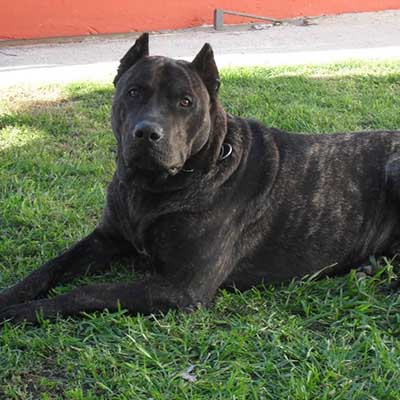
Cimarron Uruguayo
The Uruguayan Cimarron is a unique working dog and the sole breed native to Uruguay. Although it may be called different names in various regions, the Uruguayan government officially designates it as the Uruguayan Cimarron. While this adaptable breed is mainly kept as a family companion today, it continues to fulfill roles in hunting, herding cattle, and driving livestock in certain locales. Renowned for its adventurous nature, the Cimarron needs a secure environment to prevent it from straying and getting into mischief. Furthermore, due to its strong instinct to chase, it is crucial to supervise this breed when it is around other pets in the household.
Read more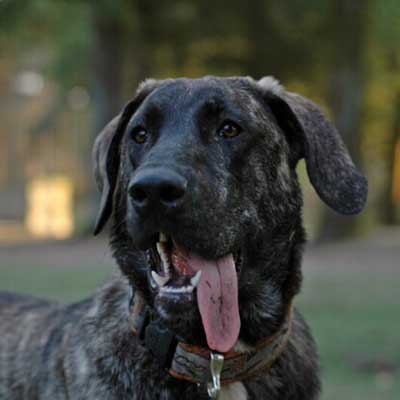
Cao de Castro Laboreiro
The Cão de Castro Laboreiro is considered one of the rarest dog breeds in the world, with a population estimated to be between 200 and 500 individuals. Historical records about this breed are limited, and even the Portuguese Kennel Club admits that many stories regarding its origins are largely conjectural. Although several theories have been proposed, there is a general agreement that this breed is indeed ancient. It is believed to have existed for thousands of years and is likely part of the Lupomolossoid group, which eventually led to the development of breeds like the Great Pyrenees, positioning it as one of the earliest descendants of the original herding and guarding dogs. Despite its mysterious past, the Cão de Castro Laboreiro has been a protector in Portugal for centuries. Its physical traits, including its facial structure and coat, bear a resemblance to that of a wolf, and its cautious attitude towards strangers enhances this likeness. This breed is known for its assertive and protective instincts, yet it is also sensitive, responding more favorably to positive reinforcement rather than harsh training methods. Within their family, they are affectionate and form strong bonds with familiar individuals, but they can be wary of strangers and other dogs, making them better suited as solo pets unless they undergo thorough socialization. Their high intelligence and strong-willed nature mean they flourish under the care of a knowledgeable and assertive owner who can provide effective training. Once properly trained, they tend to be obedient and exhibit deep loyalty to their families.
Read more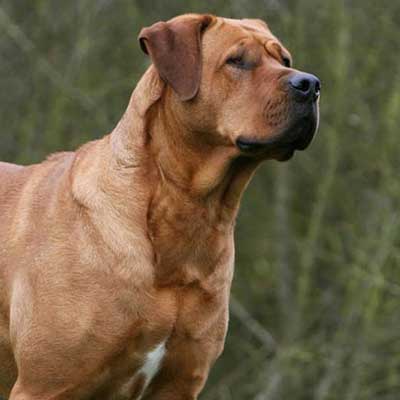
Tosa Ken
The Tosa is a sizable breed that was initially developed for dog fighting, recognized for its impressive looks and determined temperament. This breed is not ideal for novice dog owners, as it requires a skilled handler capable of establishing authority. Given its intricate background, the Tosa is not recommended for families with young children or other animals. It often displays aggression towards same-sex dogs and necessitates a sturdy, tall fence when outdoors without supervision. Continuous training is crucial to ensure the Tosa does not try to take control of the household hierarchy.
Read more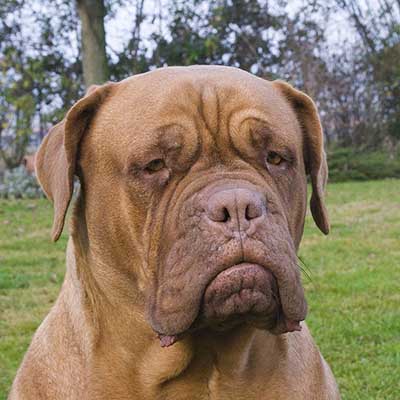
Dogue De Bordeaux
The Dogue de Bordeaux, commonly referred to as the French Mastiff, is a sizable breed with a lineage that remains somewhat ambiguous. Typically, these dogs stand around two feet tall at the shoulder and can weigh more than 99 pounds, distinguished by their prominent heads and short snouts. Unfortunately, they are susceptible to a range of health problems, including heart disease, various cancers, and hip and elbow dysplasia, which contribute to a relatively brief lifespan of five to eight years, though some may live longer. A notable case is Beasley, a nine-year-old Dogue de Bordeaux who appeared alongside Tom Hanks in the 1989 film "Turner and Hooch" and lived for three years beyond the film's release. If not properly socialized, these dogs can display stubborn and strong-willed tendencies, reminiscent of Hooch's character in the movie. However, with the right care and attention, they can develop into loyal, tolerant, and affectionate family companions.
Read more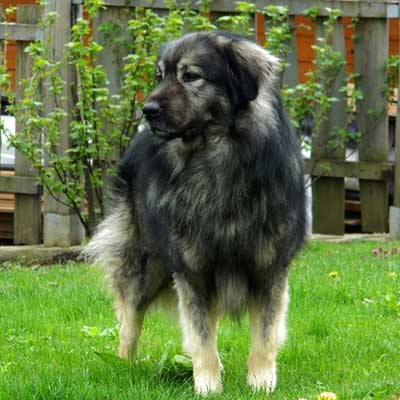
Karst Shepherd Dog
The Karst Shepherd shares similarities with the Caucasian Shepherd but is notably smaller. This medium-sized sheepdog features a long, luxurious coat. Renowned for his cautious nature around unfamiliar faces, the Karst Shepherd takes time to warm up to new individuals, which enhances his effectiveness as a guard dog. As a primarily working breed, he requires thorough training and socialization to integrate well into family life. For him to flourish as a family pet, it is essential that he has a defined role or task. Furthermore, he should not be left alone with other household pets without supervision.
Read more