Dog Breeds Starting With k
Browse dog breeds whose names start with k and explore their unique characteristics.
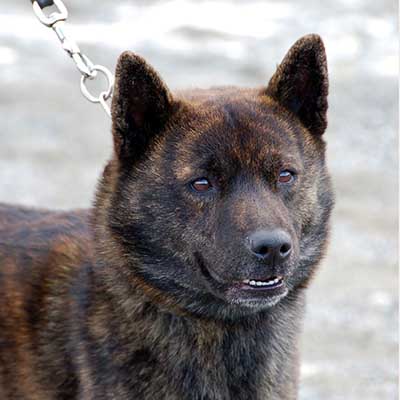
Kai
The Kai Ken was largely isolated from the outside world for a significant time, mainly due to the geographical features of its homeland—an island surrounded by mountains. Its reputation began to grow with the introduction of firearms and the rise in popularity of big game hunting. Known for its remarkable hunting skills, this breed is adept at climbing trees to pursue its prey. Although it was not initially bred as a companion animal, the Kai Ken became a beloved pet in many American homes following its introduction to the United States. The breed did not gain official recognition in Japan until 1934 and is still regarded as rare today. While the United Kennel Club recognized the Kai Ken in 1997, it has not yet been acknowledged by the American Kennel Club.
Read more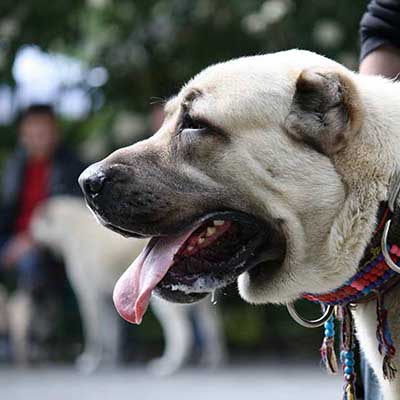
Kangal Dog
The Kangal Dog, a large breed that resembles a Mastiff, originates from Turkey. This breed has traditionally served as a protector of livestock, safeguarding them from various predators. As a true livestock guardian, the Kangal is equipped with a natural protective instinct and thrives with early socialization. Unlike many other breeds in this category, Kangals are generally more friendly towards people and particularly enjoy being around children. It is crucial to have a strong fence, as these dogs do not recognize property boundaries and can cause considerable disruptions in the neighborhood if not properly contained. Furthermore, the Kangal may show aggression towards other dogs and can be defensive when unfamiliar individuals approach their territory.
Read more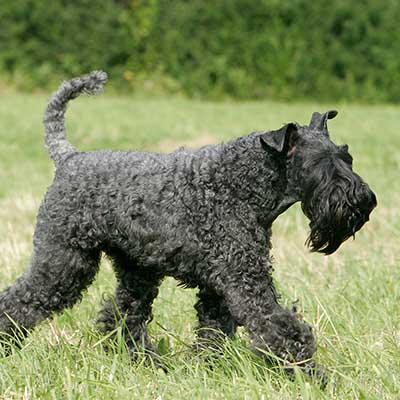
Kerry Blue Terrier
The Kerry Blue Terrier is renowned for its loyalty, intelligence, and sometimes entertaining behavior during play. This medium-sized breed has a robust and muscular physique, which means they require supervision while playing, especially around young children. If they are not properly socialized as puppies, they may become moody or reserved, making it essential for their owners to be strong yet fair and consistent in their training approach. These dogs respond best to positive reinforcement, thriving on praise and rewards rather than harsh discipline. They are particularly sensitive to any perceived unfairness, which can trigger aggressive tendencies if they feel mistreated. Although they are quite energetic, Kerry Blue Terriers can adjust well to living indoors, including in apartments, as long as they receive a good daily walk to help them burn off energy. When out for walks, it’s crucial to keep them on a leash due to their strong hunting instincts, as they may chase after small animals. They can also show aggression towards other dogs, often trying to establish their dominance. Their stunning, soft coat is advantageous for those with allergies, but it requires weekly grooming to keep it in good shape. Regular cleaning of their beards is also necessary to avoid odors from trapped food. Generally, these dogs need a bath once a week and a trim every six weeks. They are low-odor, do not drool, and are extremely loyal to their families. However, they may develop a habit of barking unless trained to limit it to a single bark, a lesson that should start during their puppy stage.
Read more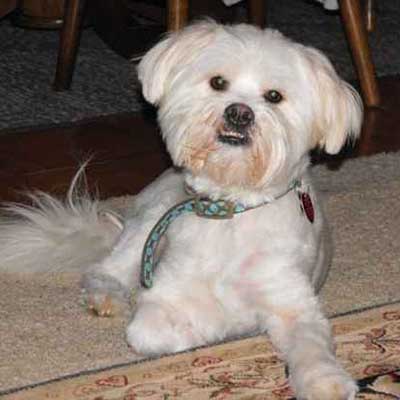
Kimola
The Kimola is a hybrid breed that merges the fox-like characteristics of the American Eskimo with the unique beard of the Lhasa Apso. This fascinating combination creates an intelligent dog known for its bravery and protective nature towards its family, while also being cheerful, playful, and sociable. As an engaging companion, the Kimola flourishes through interaction with other pets, children, and new acquaintances, contributing to its development as a well-rounded dog. Expect a grooming routine that can be moderate to high; starting this early in your puppy's life will aid in their adjustment. Building a connection with your Kimola is a breeze, as they are affectionate and eager to please.
Read more
King Pin
The King Pin is a charming crossbreed that combines the Miniature Pinscher and the Cavalier King Charles Spaniel, resulting in a compact toy breed known for its sleek, short coat, elegantly folded triangular ears, and bright, intelligent dark brown eyes. This breed is particularly attractive, embodying many of the best traits from its parent breeds. Full of energy and playfulness, the King Pin also enjoys affectionate moments, readily curling up for cuddles when it's time to unwind. Thanks to its small stature, this breed adapts well to various living environments, whether in a snug apartment or a grand house. However, it's essential to keep in mind that the King Pin can be prone to wandering and distraction, so outdoor activities should ideally take place in a securely fenced area or on a leash to ensure his safety.
Read more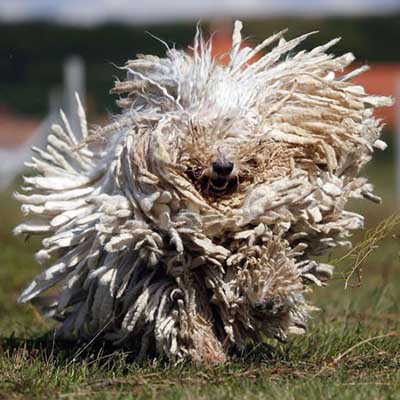
Komondor
This breed is known for its sharp awareness and steadfast loyalty to their human families. They are courageous dogs that thrive when entrusted with tasks, but without proper socialization during their puppy stage, they may display territorial and aggressive tendencies towards unfamiliar people and animals. Their unique coat, reminiscent of a mop, is perfectly designed for their original role of protecting livestock in frigid environments. Although they have a strong independent streak, they respond well to engaging and diverse training techniques, particularly when led by a confident handler. Despite their considerable size, they can adapt to living indoors as long as they receive sufficient exercise and regular outings. To deter them from asserting dominance over their territory—a typical trait of guard dogs—a tall fence is crucial around your property. However, beneath their rugged facade, they truly enjoy cozying up indoors with their loved ones.
Read more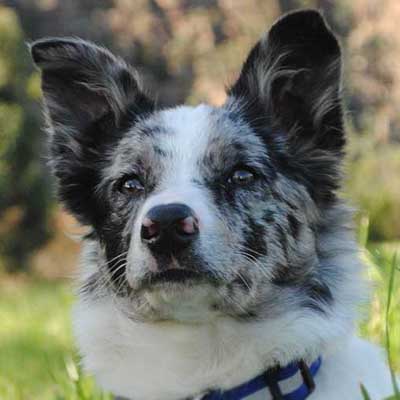
Koolie
The Koolie is an energetic, medium-sized herding breed that originated in Australia in the 19th century. It has significantly influenced the development of both the Australian Cattle Dog and the Australian Kelpie. Renowned for their exceptional drive and strong work ethic, Koolies excel at herding a diverse range of animals, from ducks to cattle, and are also adept at managing other pets and even people. While many Koolies traditionally exhibit merle coat patterns, concerns about the link between this coloration and congenital blindness or deafness have led to a rising preference for solid-colored dogs. Although their inherent friendliness may reduce their effectiveness as guard dogs, their sharp intelligence and vigilance make them excellent watchdogs.
Read more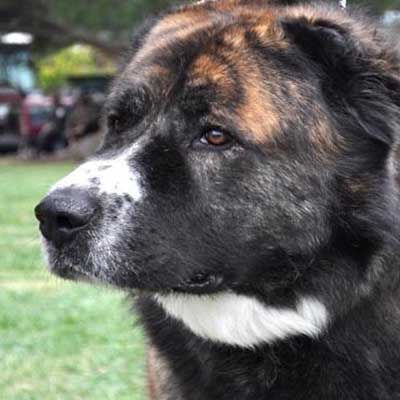
Kuchi
The Kuchi is a rare breed specifically bred for the purpose of guarding and protection. Renowned for their athletic build, speed, and agility, these dogs also exhibit impressive endurance. While the Kuchi is not officially acknowledged by any kennel clubs in the Western world, they are cherished in their native lands of Afghanistan and Pakistan. This breed is typically quite cautious around unfamiliar people, often requiring a significant amount of time to become comfortable with new faces. It’s crucial to understand that they are unlikely to greet strangers with warmth. To prevent the Kuchi from developing aggressive behaviors towards outsiders, early socialization is vital.
Read more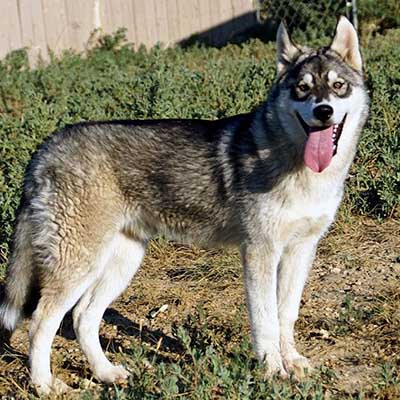
Kugsha
The Kugsha, also known as the Amerindian Malamute, suffers from a lack of acknowledgment by both national and international Kennel Clubs, resulting in limited information about the breed. This Spitz-type dog bears a striking resemblance to wolves, evident in its unique head shape, size, coloration, and coat texture. Historically, Kugshas were bred primarily for their strength and energy, making them excellent weight-pullers. They are also sometimes employed as guard dogs, thanks to their imposing presence and fierce appearance. These dogs are recognized for their intelligence, which requires an experienced owner for proper training and socialization. Early intervention in training is essential to unlock their full behavioral potential. While Kugshas are moderately social and typically get along with other dogs, they develop strong bonds with their families. This deep attachment can lead to separation anxiety, potentially resulting in destructive behaviors if not managed. They display a gentle affection and playfulness but require substantial exercise, relishing the opportunity to run and explore in open areas like dog parks or backyards. Due to their size, training difficulties, and occasionally sensitive nature, Kugshas remain primarily working dogs and have not yet made a significant shift towards being companion animals.
Read more