Dog Breeds Starting With t
Browse dog breeds whose names start with t and explore their unique characteristics.
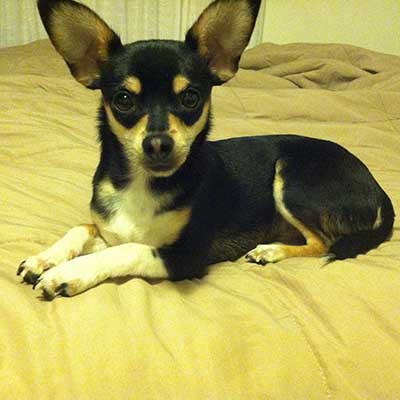
Taco Terrier
The Taco Terrier gets its name from its parent breeds: the Chihuahua and the Toy Fox Terrier. The "Taco" part is a nod to the small Chihuahua that appears in Taco Bell advertisements. This breed has gained popularity largely because of its small size, which makes it ideal for living in any space, no matter how limited. Taco Terriers come in a wide range of colors and often display patterns such as parti-colored, sable, brindle, pied, spotted, merle, or speckled. They usually have a short coat, unless they inherit long hair from their Chihuahua parent. Renowned for their intelligence and desire to please, Taco Terriers generally get along well with other pets and older children. However, due to their diminutive size, it's crucial to supervise them when they are around young children.
Read more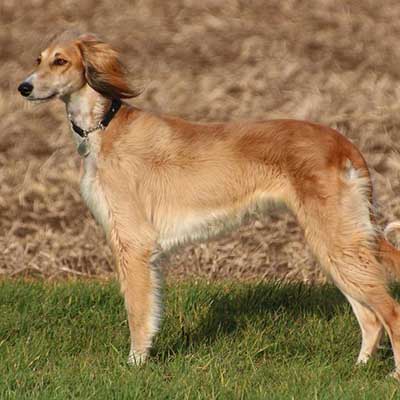
Taigan
For centuries, the Taigan has been a vital part of Kyrgyz culture, closely linked to their nomadic way of life. Celebrated for their exceptional hunting skills, these dogs have been essential in providing food for their owners, with the furs from their catches often bartered for other essential goods. The Taigan possesses a noble and dignified look, showcasing impressive concentration while hunting. At home, they become serene and devoted companions, forging deep connections with their families and exhibiting steadfast loyalty. Although they relish playful moments with children and enjoy family activities, they do not tolerate mistreatment or harsh training methods. The Taigan flourishes in open spaces, making them ideally suited for rural settings where they can channel their high energy levels. Affectionate and gentle with their loved ones, they may be wary of strangers but are not aggressive. They typically coexist well with other dogs, though smaller pets might be seen as potential prey. This charming breed is perfect for individuals with an active lifestyle and plenty of room; they are not ideal for apartment living, as urban environments may not accommodate their energetic nature.
Read more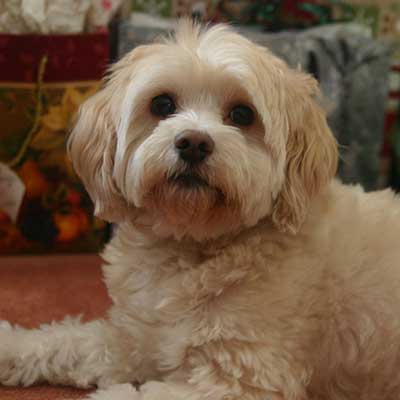
Terri-Poo
The Terri-Poo is an endearing hybrid breed created by crossing an Australian Terrier with a Poodle. Since Poodles come in three different sizes—toy, miniature, and standard—the size of a Terri-Poo can vary widely. Typically, these dogs weigh up to 20 pounds and reach a height of about 15 inches. To foster good behavior and social skills, early socialization and effective training are vital for a Terri-Poo, helping them to get along well with other pets and children. Although they may be cautious around strangers, their keen awareness makes them excellent watchdogs. This breed can be a wonderful addition to families, but it’s important to supervise their interactions with young children.
Read more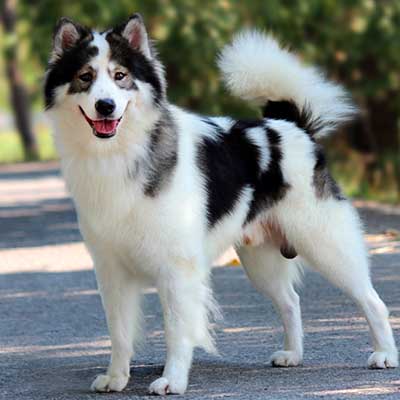
Thai Bangkaew
The Thai Bangkaew is a breed known for its cleverness and strong-willed nature, which can pose challenges for inexperienced dog owners who may find it difficult to manage. This breed has a history that spans over a hundred years, originating from a mix of the indigenous Thai domestic dog and the now-extinct Asiatic wild jackal. Although there is limited documentation about its development, it is generally accepted that the Thai Bangkaew emerged in the village of Bangkaew, located near the Bang Rakam District in central Thailand. It is also believed that the breed was initially cultivated at a monastery called Wat Bangkaew. In terms of appearance, the Thai Bangkaew shares similarities with the Spitz family, showcasing a double coat and a unique plume tail. While it tends to be cautious around unfamiliar people, this breed is incredibly devoted to its family and will protect them from any perceived dangers. Renowned for its intelligence and keen hunting abilities, the Thai Bangkaew requires relatively simple grooming, with regular brushing and daily exercise being crucial for its well-being.
Read more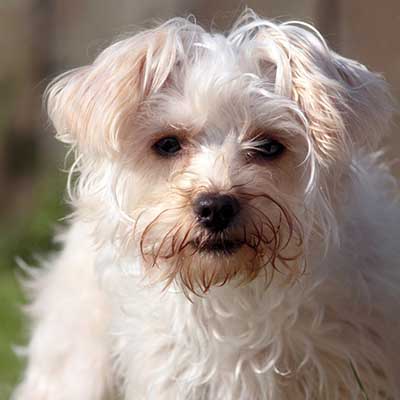
Tibetan Spaltese
The Tibetan Spaltese is a charming hybrid that combines the qualities of the Maltese and the Tibetan Spaniel, resulting in a small, energetic breed full of personality. This dog is crafted to remain compact while embodying the best traits of its parent breeds, typically exhibiting a calm and well-mannered demeanor. Despite their small size, they are exceptionally good with children and other animals, especially when provided with adequate training and socialization. Naturally outgoing, these dogs thrive on human interaction and often engage in playful antics to capture attention. Their loving and spirited nature is evident in every encounter, whether they are playing or snuggling up for affectionate licks on their owners' laps. Inheriting a bold and inquisitive spirit from their Tibetan Spaniel ancestry, they are often found climbing furniture to stay close to their families or to get a better look at the world outside. Both parent breeds have a history of being vigilant watchdogs, and the Tibetan Spaltese carries on this tradition, alerting their owners with barks at any unusual sounds or the approach of strangers. While they are quite intelligent—an attribute that can sometimes lead to a bit of stubbornness—they are generally easy to train, making them a great fit for first-time dog owners. Their small stature and minimal exercise requirements also make them an excellent choice for families in smaller living spaces or those who prefer a more laid-back lifestyle.
Read more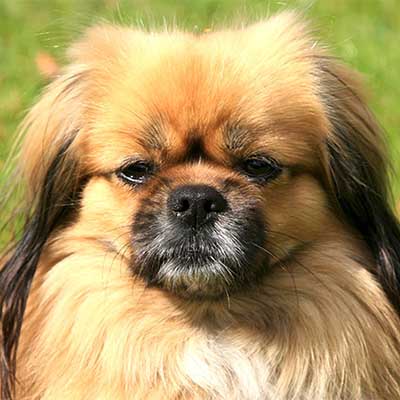
Tibetan Spaniel
The Tibetan Spaniel, celebrated for its independent spirit and gentle demeanor, was originally bred by Buddhist monks in Tibet. This breed is reminiscent of a lion, which holds significant meaning in Buddhism. While it shares some characteristics with the Pekingese, the Tibetan Spaniel features a slightly elongated face and does not possess the excessive skin commonly found in that breed. Its body is longer than it is tall, complemented by a small, rounded head that is well-proportioned to its frame. The muzzle is of medium length and smooth, free from wrinkles, while its dark, widely spaced eyes add to its charm. This delightful dog is adorned with a silky, flat double coat and a feathery tail that arches gracefully over its back, along with a longer mane around its neck. Historically, this loyal breed functioned as both a watchdog and a companion, alerting its owners to potential dangers with its distinctive bark. To maintain the health of its coat, regular grooming is vital, requiring daily brushing and combing to avoid matting. The Tibetan Spaniel has moderate energy levels, so it is important to provide adequate mental and physical stimulation to keep it engaged and stave off boredom.
Read more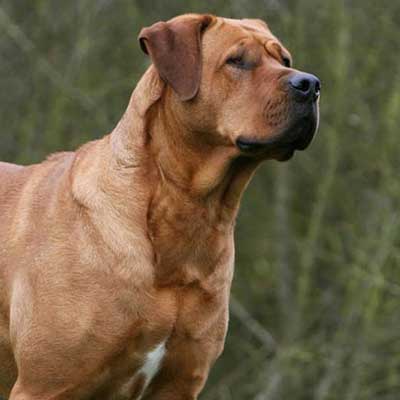
Tosa Ken
The Tosa is a sizable breed that was initially developed for dog fighting, recognized for its impressive looks and determined temperament. This breed is not ideal for novice dog owners, as it requires a skilled handler capable of establishing authority. Given its intricate background, the Tosa is not recommended for families with young children or other animals. It often displays aggression towards same-sex dogs and necessitates a sturdy, tall fence when outdoors without supervision. Continuous training is crucial to ensure the Tosa does not try to take control of the household hierarchy.
Read more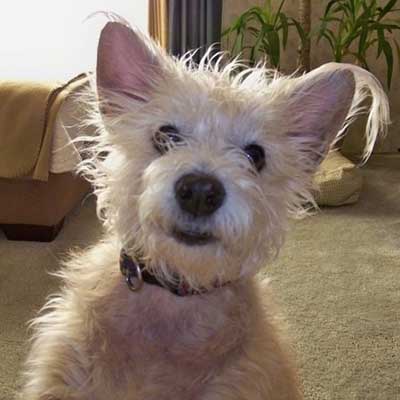
Toxirn
The Toxirn is a charming hybrid that blends the characteristics of the Cairn Terrier and the Chihuahua. This small dog radiates confidence and warmth, forming deep bonds with his family. However, his instinct to protect can sometimes result in aggression towards strangers, as he aims to defend his loved ones. He also exhibits territorial behavior around other dogs, readily standing his ground to protect what he considers his domain. Generally, this lively and self-assured breed stands about 8 to 10 inches tall and weighs between 6 to 8 pounds.
Read more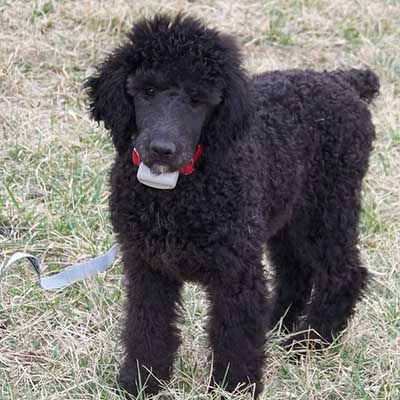
Toy Foodle
The Toy Foodle, commonly known as the Foxipoo, is an endearing designer breed that results from the cross between a Toy Fox Terrier and a Poodle. This breed not only captivates with its appearance but also possesses a delightful temperament, making it well-suited for various living situations—especially since it is regarded as hypoallergenic. Both parent breeds are celebrated for their friendly demeanor, and as a result, Foodles often inherit a mix of these characteristics, leading to a dog that is generally friendly towards other dogs, children, and even other pets, provided they receive appropriate training and socialization. Although they may show some wariness around strangers, this is typically expressed through a warning bark or by keeping their distance. Foodles are known for their affectionate and playful nature, thriving on quality time with their families. Their ability to learn quickly makes them an excellent option for first-time dog owners, and their small size allows them to adapt well to compact living spaces like apartments, as they require less exercise compared to larger breeds. However, without sufficient training or physical activity, they might become somewhat vocal, though their barks are usually less intrusive than those of bigger dogs. Despite their petite size, they do have notable exercise requirements, so individuals who are less active or lack access to appropriate exercise areas may find them less suitable. In summary, with their friendly nature, manageable size, and eagerness to learn, Toy Foodles can make wonderful companions for a diverse array of families.
Read more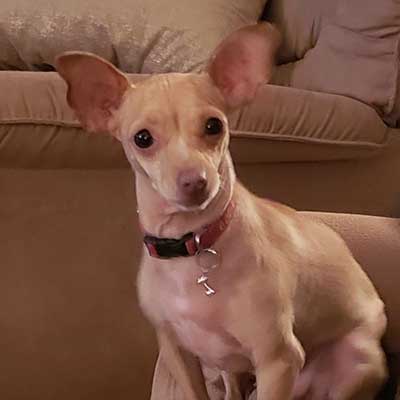
Toy Fox Pinscher
The Toy Fox Pinscher gained official recognition from the International Designer Canine Registry in 2009. Renowned for their loving disposition, these dogs are excellent companions for families. They possess a high level of intelligence, making them relatively easy to train, especially when positive reinforcement methods are utilized. This breed is thought to have originated in the United States, resulting from a cross between the Toy Fox Terrier and the Miniature Pinscher. As a small hybrid, Toy Fox Pinschers generally stand up to 12 inches tall. Their energetic and playful nature necessitates regular exercise to maintain their health. Mental stimulation is equally crucial; without it, they may engage in destructive behaviors due to boredom. The parent breeds share several similarities. The Toy Fox Terrier is American, while the Miniature Pinscher has its origins in Germany. Both breeds were initially bred for hunting rodents and are known for their playful and athletic characteristics. Owners and breeders often describe the Toy Fox Pinscher as having a lively personality, which suggests that prospective owners should have some experience, as these dogs can be quite assertive. Despite their strong-willed temperament, Toy Fox Pinschers are very sociable and develop strong bonds with their families. Early socialization is advisable to foster well-rounded temperaments. Both parent breeds are noted for their well-proportioned bodies and sturdy legs. Their short, sparse coats require minimal maintenance, and they adapt well to smaller living spaces, such as apartments, provided they receive adequate daily exercise. These spirited little dogs have a unique gait, often trotting with an elevated step. Although small in stature, they exude confidence, and their high-set ears enhance their bold demeanor.
Read more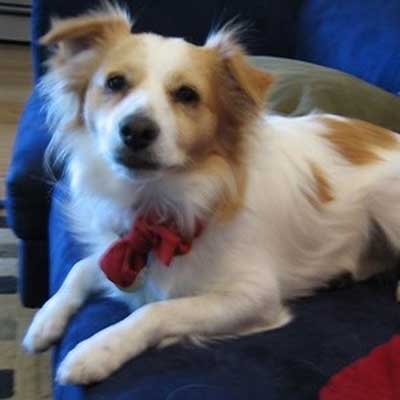
Toy Pom Terrier
The Toy Pom Terrier is a recent hybrid breed, resulting from the combination of a Pomeranian and a Toy Fox Terrier. Renowned for their loyalty and playful disposition, these dogs are wonderful companions but require considerable attention and consistent exercise. Their loving nature makes them perfect lapdogs, thriving on the affection they receive from their owners. However, their small stature may not make them the most suitable option for families with young kids. Many owners characterize the Toy Pom Terrier as an energetic and vibrant addition to the family.
Read more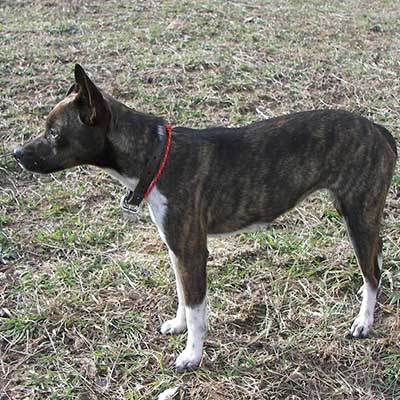
Treeing Feist
The Treeing Feist is a small, agile breed that has been refined over the years to become a top-tier treeing dog. These dogs are specifically trained to chase prey into trees, where they wait for the hunter to either call them off or take down the game. Renowned for their exceptional abilities, they are often referred to as the "ultimate squirrel dog," but they are also proficient in hunting raccoons and opossums. Their remarkable speed allows them to quickly approach their targets while remaining stealthy. Once they have successfully cornered their prey in a tree, they signal their owners with loud, persistent barking. Among recognized breeds, the Feist stands out for its flexible standards. Although there are some guidelines regarding height and weight, these dogs can be found in virtually any color and pattern, thanks to their varied lineage, which likely includes a blend of scent hounds, European terriers, and native American hounds. Known for their adaptability, Treeing Feists thrive in both small and large living environments, as long as they receive regular exercise. Affectionate and loyal, Treeing Feists develop strong connections with their families, including children. However, due to their energetic nature and size, they typically benefit from training and socialization to prevent them from becoming overly exuberant around kids. Their terrier heritage gives them a somewhat territorial nature; while they generally coexist well with other dogs, they may be wary of strangers and could bark if they feel threatened. Overall, Treeing Feists are not only excellent companions but also skilled hunters and vigilant watchdogs.
Read more