Tibetan Terrier
Luck Bringer, Dokhi Apso, Tsang Apso, Holy Dog of Tibet, Lhasa Terrier, Darjeeling Terrier
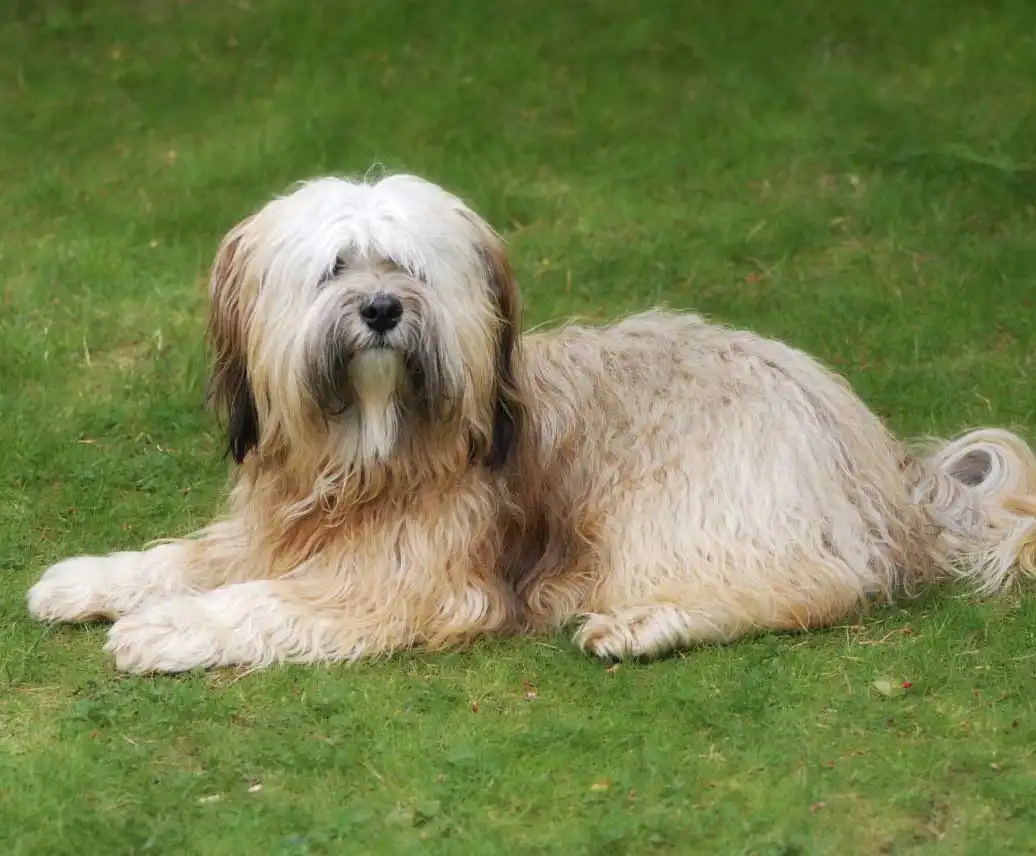
This breed originates from Tibet, with a history spanning over 2,000 years. Tibetan Terriers were intentionally bred to be companions for monks residing in Tibetan monasteries. Furthermore, nomadic herders in the area employed them for sheep herding. These dogs were believed to bring good luck to their owners, which is why they were often gifted rather than sold. Tibetan Terriers are medium-sized dogs known for their playful disposition and charming temperament. They make excellent companions and are particularly suited for therapy work. With a moderate to high energy level, they enjoy daily walks and excel in agility training. This breed is recognized for its strong health and durability, featuring a soft double coat that necessitates daily brushing to avoid tangles. Regular grooming of their long fur is crucial, and it is recommended to bathe them once a month.
Breed Origin
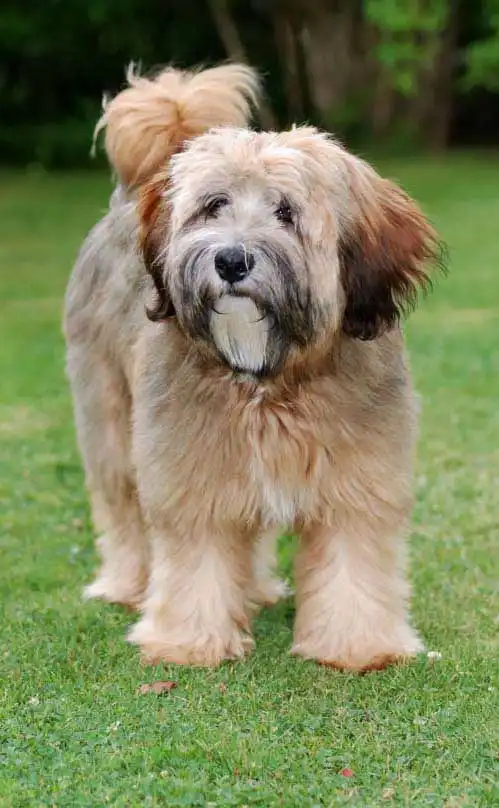
The Tibetan Terrier originates from the Himalayan region of Tibet, where it was initially bred by local Buddhist monks who valued the dogs as both companions and protectors. Additionally, nomadic herders relied on Tibetan Terriers to help manage their livestock across the expansive highlands. This breed was seen as a harbinger of good luck, earning the affectionate title “The Holy Dogs of Tibet.” As a result, these dogs were often gifted as tokens of gratitude for favors, since Tibetans believed that selling them could jeopardize their fortune. There was also a widespread belief that mistreating or selling a Tibetan Terrier could bring misfortune to the entire community. Interestingly, despite their name, Tibetan Terriers are not true terriers; European explorers assigned this label due to their terrier-like stature. In 1922, Dr. Greig, a British medical missionary, introduced the first Tibetan Terrier to England after receiving a female puppy named Bunti as a gift for performing surgery on a Tibetan woman. He later acquired a male puppy named Rajah. Bunti and Rajah had their first litter in 1924, which was registered under the name Lhasa Terriers. The breed standard for Tibetan Terriers was established by the Kennel Club of India in 1930. Dr. Greig went on to establish the Lamleh Kennel in England and successfully campaigned for the Tibetan Terrier's recognition by the English Kennel Club in 1937. In 1956, two Tibetan Terriers from Dr. Greig’s kennel made their way to the United States, and the breed gained official recognition from the American Kennel Club in 1973. Notably, actress Lesley Nicol, famous for her role in Downton Abbey, owns a Tibetan Terrier named Bertie, whom she describes as a show-off—entertaining yet a bit dramatic. In 2016, a remarkable Tibetan Terrier named Clue triumphed in the non-sporting breed category at the National Dog Show.
Breed Appearance
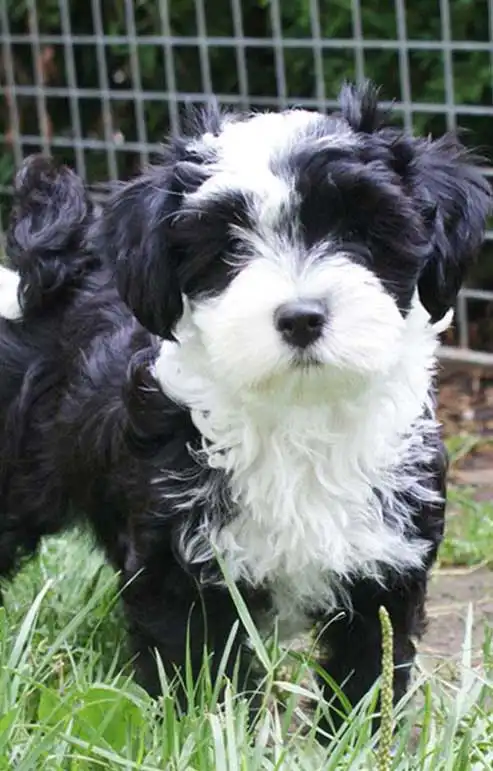
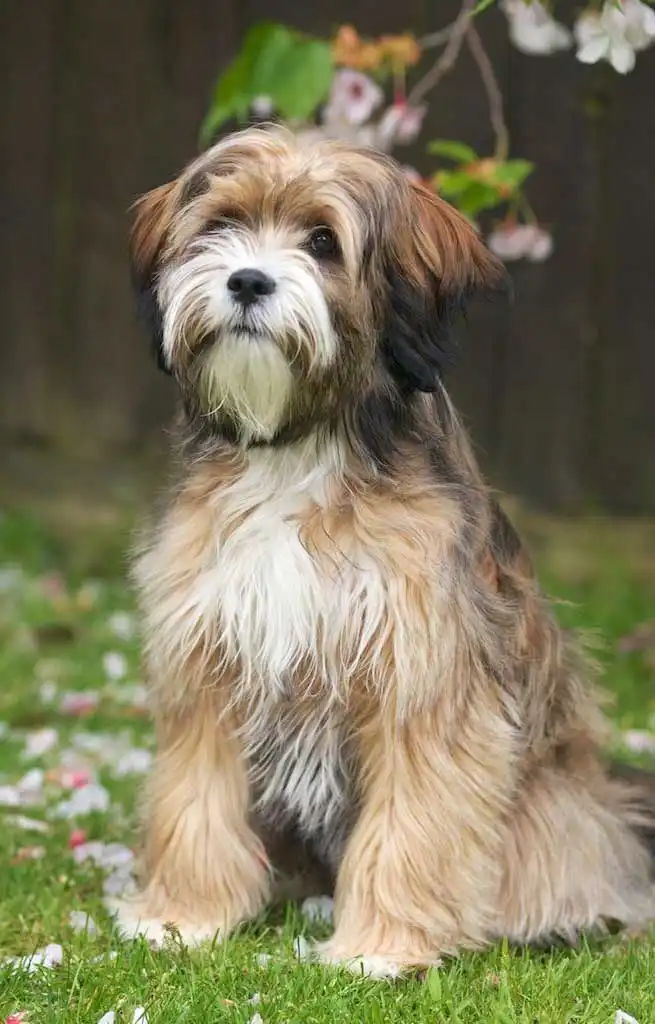
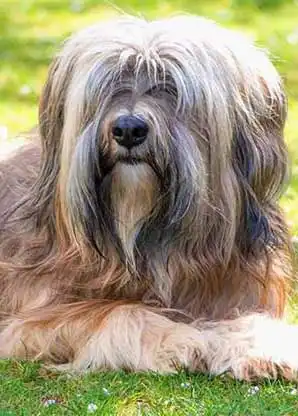
The Tibetan Terrier is a medium-sized dog known for its thick double coat. Beneath the long outer layer, which can be wavy or straight, lies a soft, woolly undercoat. This breed naturally parts its hair down the center of the back. Tibetan Terriers come in a wide range of colors, including white, gold, tricolor, brindle, silver, and black, along with many other shades and patterns. They have large, dark eyes that are spaced widely apart, pendant ears, and a black nose. Their feathered tail typically arches over their back. The breed is characterized by a strong muzzle, a well-defined lower jaw, and a slight beard. Additionally, their feet are flat and resemble snowshoes.
Care Routine
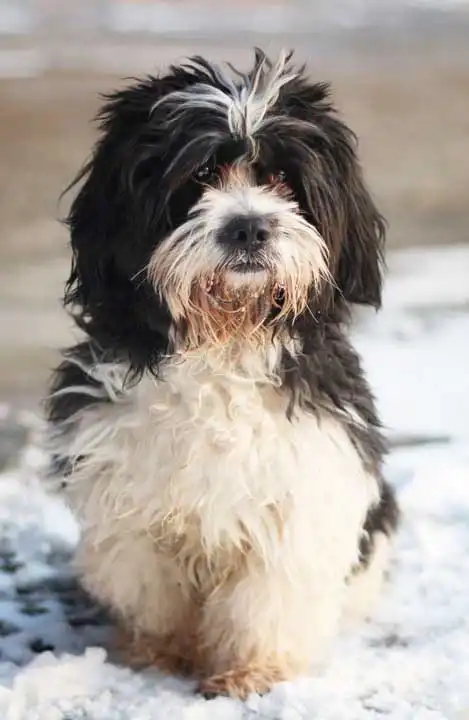
To maintain a Tibetan Terrier's coat in good condition and prevent tangles, it is crucial to brush it daily. Prior to brushing, lightly misting the coat with water is recommended, as neglecting this step may result in hair breakage. Some pet owners choose to give their dogs a puppy cut. Regular nail trimming should be done monthly, and it's wise to inspect their ears weekly for any wax buildup. A veterinarian can recommend a suitable ear cleaning solution for this task. Furthermore, brushing their teeth once a week is beneficial in preventing tartar accumulation. Tibetan Terriers have moderate to high energy levels, which means they require daily exercise, such as walks or runs. They thrive in agility training and advanced obedience classes, and with adequate physical activity, they can easily adapt to apartment living.
Behavior & Temperament
Socializing Tibetan Terriers during their puppy phase is essential. If they lack early interaction with different people and animals, these dogs may develop shyness and withdrawal. This breed thrives on social connections, and their loving disposition, paired with a gentle temperament, makes them outstanding therapy dogs. However, they dislike being left alone for extended periods, which can lead to separation anxiety, although they are typically not excessive barkers. Tibetan Terriers enjoy treats, which can be effectively utilized as positive reinforcement in training. They generally mature at a slower pace compared to other breeds, so patience is crucial during their formative stages. Once they reach adulthood, they display unwavering loyalty, intelligence, and steadfastness, though their cleverness can occasionally come across as stubbornness. In conclusion, Tibetan Terriers are truly wonderful companions.
Play & Exercise
Things to Know
Cups Per Day
2.2 Cups
Daily Activity
30 Minutes
Average Lifespan
14 Years
Origin
ancient times
Type
Pure Breeds
Size
Small
Origin Country
Tibet
Brush Frequency
Daily
Coat Texture
Wavy
Register
Your kids have been begging for a pet forever, and you've recently decided that it's time for your family to get a new addition -- a dog! While everyone is excited for the new arrival, you're wondering if you need to have a dog license. How much does it cost? Is it required? Where do you get one?
Member Clubs

PETINNATE
Companion Dog

AKC
Non-Sporting Group

UKC
Companion Dog
Height & Weight
Weight
22 lbs (10 kg)Male: 23 lbs (10 kg) , Female: 22 lbs (10 kg)
Height
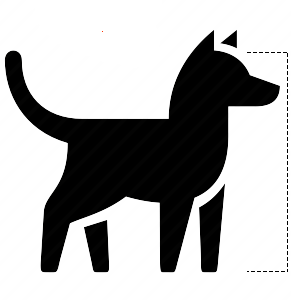
15 inches (38 sm)Male: 16 inches (41 sm) , Female: 15 inches (38 sm)
6 Months
11 lbs ( m 11 lbs, f 11 lbs )
10 inches ( m 10 inches, f 10 inches )
12 Months
17 lbs ( m 17 lbs, f 17 lbs )
15 inches ( m 15 inches, f 15 inches )
18 Months
22 lbs ( m 22 lbs, f 22 lbs )
15 inches ( m 15 inches, f 15 inches )
Eye Colors
Brown

Nose Colors
Black
Coat Colors
Black
White
Pied
Gray

Brindle