Dog Breeds by Tendency To Bark Or Howl
Tendency To Bark Or Howl refers to how a dog typically behaves or responds in everyday situations. Individual dogs may vary based on training, environment, and genetics.
Some breeds sound off more often than others. When choosing a breed, think about how the dog vocalizes — with barks or howls — and how often. If you're considering a hound, would you find their trademark howls musical or maddening? If you're considering a watchdog, will a city full of suspicious "strangers" put him on permanent alert? Will the local wildlife literally drive your dog wild? Do you live in housing with noise restrictions? Do you have neighbors nearby?
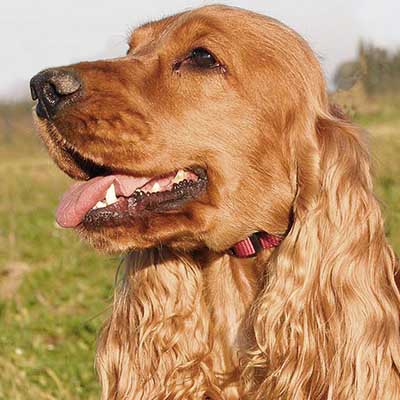
English Cocker Spaniel
English Cocker Spaniels are often described as joyful, a portrayal that truly captures their essence. Initially bred to retrieve game from thick underbrush during hunting expeditions, these dogs are energetic and devoted companions. Their coats, which are soft and silky, are prone to matting and tangling, making regular grooming essential due to their considerable shedding. The English Cocker Spaniel is the ancestor of the American Cocker Spaniel, which has been selectively bred to be somewhat smaller, with a rounder skull and a diminished prey drive. Although English Cocker Spaniels need more exercise than their American counterparts, they tend to be sturdier and less prone to anxiety or nervousness.
Read more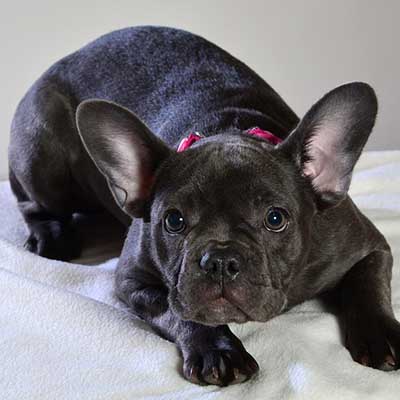
French Bulldog
The French Bulldog, often referred to as the Frenchie, is a small breed that originated in the 1800s, initially bred for companionship despite its lineage linked to bull-baiting and pit fighting. Hailing from Normandy, France, the French Bulldog remains a cherished pet in modern times. However, this breed is prone to several health concerns and requires a nurturing environment to flourish. Although the French Bulldog does not demand extensive exercise, it has a strong need for human interaction, stemming from its history as a companion animal. A lack of socialization can lead to undesirable behaviors in this breed.
Read more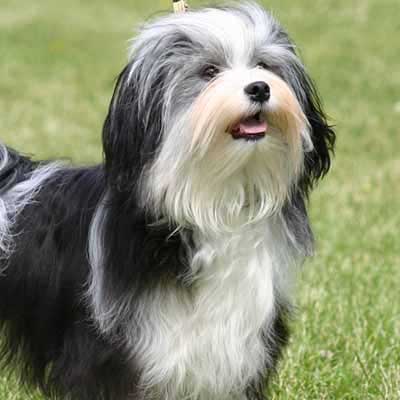
Lowchen
The Löwchen, affectionately referred to as the "little lion" in German, was a beloved pet among the European nobility during the 15th century, especially in regions such as Belgium, Germany, Spain, and France. This breed was intentionally bred for its small stature, opulent coat, and gentle nature, making it a favored companion for women who often brought them to court. Traditionally, their grooming involved a distinctive style where the fur on the legs, hindquarters, and part of the tail was closely trimmed to evoke a lion-like look. Even in modern times, the Löwchen remains treasured for its affectionate personality and continues to forge deep bonds with its human families.
Read more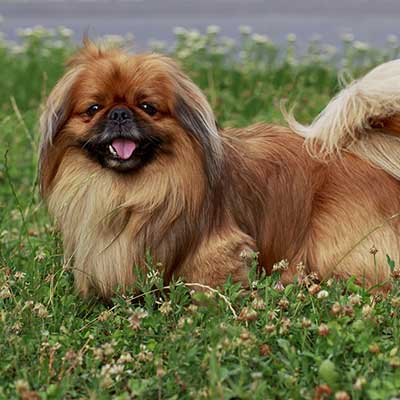
Pekingese
The Pekingese has a rich and esteemed history, having been celebrated as emblems of aristocracy in China. The breed's earliest records trace back to the 8th century during the T’ang Dynasty. Specifically bred to be companions, their name is derived from Peking, the former name of Beijing. These small, toy-sized dogs are known for their distinctive flat faces, lion-like manes, droopy ears, and a confident demeanor. According to Chinese mythology, the Pekingese is believed to be the offspring of a lion that fell in love with a marmoset. They come in a range of colors, including black, cream, fawn, gray, red, sable, and white.
Read more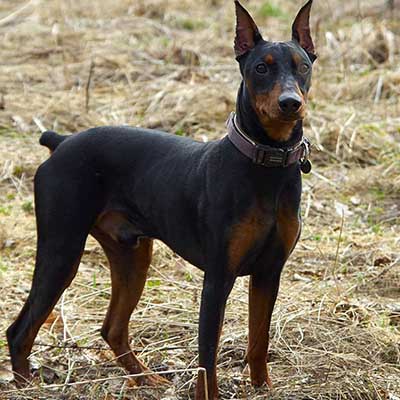
German Pinscher
The German Pinscher is a breed that exudes grace, strength, and a dignified presence. Originating in 17th-century Germany, this medium-sized dog was developed from the Black and Tan Terrier, eventually leading to the formation of the Rattenfanger. Celebrated for its effectiveness as both a watchdog and a rat-catcher, the Rattenfanger was known for its unwavering dedication to its tasks. Typically, the German Pinscher stands at a height comparable to an average adult's knee, showcasing a muscular build beneath its sleek fur. Its head is characterized by a unique wedge shape, and its dark, attentive eyes reflect a keen eagerness. As a companion, the German Pinscher is always eager to embrace new adventures. Initially bred for pest control, this breed has evolved into a recognized guard dog, loyal companion, and versatile working dog. While it tends to be cautious and may take time to warm up to strangers, the German Pinscher thrives in environments that are not overly stimulating, particularly those without boisterous children. This breed is fiercely protective of its family and territory, and with appropriate training, it can develop a well-rounded temperament around others. Caring for a German Pinscher is relatively simple; it sheds moderately and benefits from weekly grooming. This breed flourishes in spacious living conditions where it can roam freely and requires daily exercise to keep its mind active, making it an excellent choice for those with an active lifestyle.
Read more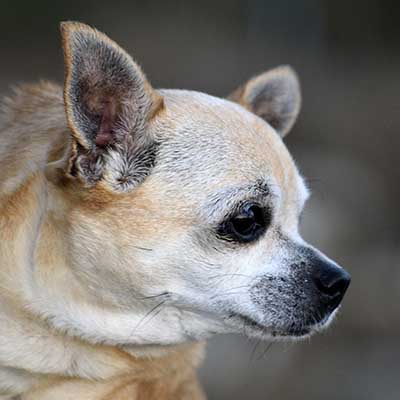
Chihuahua
The Chihuahua, celebrated as the tiniest dog breed in the world, takes its name from the Mexican state of Chihuahua. Both legends and archaeological findings indicate that these dogs originated in Mexico, with toy-like figures resembling Chihuahuas unearthed from Mexico to El Salvador, dating back to approximately 100 AD. Chihuahuas can have either long or short coats and are divided into two main head shapes: “apple heads,” which have rounder skulls, closely spaced eyes, and shorter legs, and “deer heads,” characterized by flatter skulls, wider-set eyes, larger ears, and longer legs. At present, apple-headed Chihuahuas are more popular among dog lovers. They come in a wide array of colors and patterns, but in this breed, the color does not influence the dog's personality. While Chihuahuas are primarily companions, they can take on a guarding role if not properly trained, exhibiting protective behaviors. Known for their spirited nature, loyalty, and protectiveness, Chihuahuas can be quick to react, making them less ideal for families with young children. They often form strong bonds with a single owner, showing a preference for that individual over others in the home, and they typically enjoy the company of fellow Chihuahuas more than that of other dog breeds.
Read more