Dog Breeds by Tendency To Bark Or Howl
Tendency To Bark Or Howl refers to how a dog typically behaves or responds in everyday situations. Individual dogs may vary based on training, environment, and genetics.
Some breeds sound off more often than others. When choosing a breed, think about how the dog vocalizes — with barks or howls — and how often. If you're considering a hound, would you find their trademark howls musical or maddening? If you're considering a watchdog, will a city full of suspicious "strangers" put him on permanent alert? Will the local wildlife literally drive your dog wild? Do you live in housing with noise restrictions? Do you have neighbors nearby?
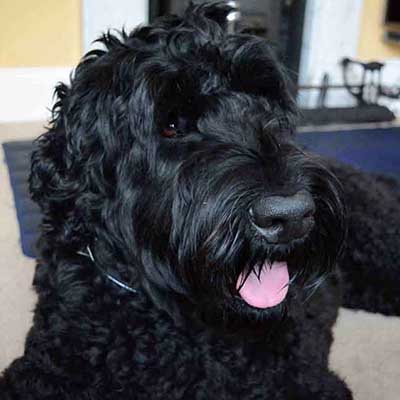
Black Russian Terrier
The Black Russian Terrier is a larger breed, standing out among medium-sized dogs with its robust physique and energetic demeanor. This breed thrives on physical activity and is always eager to engage in tasks, showcasing a lively spirit and a desire to please. They are notably resilient to various weather conditions, delighting in activities such as playing in the snow, splashing in the rain, or swimming in lakes. Affectionate by nature, these dogs prefer to be close to their human families, often following their owners closely. As a result, they are not particularly fond of being left outside in a kennel; however, they adapt well to indoor living, maintaining cleanliness and obedience when given proper training. It is vital to establish yourself as the pack leader, as this will earn their respect and ensure they follow your commands. Black Russian Terrier puppies are sensitive, playful, and quick to learn. During their early development, it is crucial for them to recognize their owner as the leader, which will make training more effective. This breed needs consistent and firm guidance, along with daily exercise to manage their high energy levels; without adequate physical activity, they may exhibit behavioral problems. Generally, they get along well with smaller pets, including dogs, cats, and rabbits, but may have difficulties with other large, dominant males. Their gentle and playful disposition makes them wonderful companions for families, particularly those with children. Training is relatively simple, and they adapt well to leash walking. It’s important to teach them to walk slightly behind or beside their owner, as dogs view the leader as the one who walks ahead. These strong and lively dogs are also easy to groom due to their soft, thick coats, but regular exercise is crucial for their overall happiness.
Read more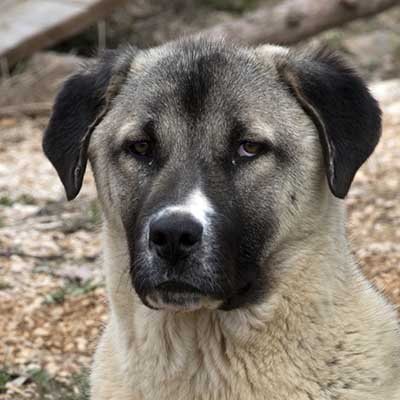
Anatolian Shepherd
The Anatolian Shepherd Dog serves primarily as a guardian for livestock rather than a herding breed, specifically created to shield animals from predators. This breed hails from Turkey, with its lineage believed to date back to approximately 2000 BC. Historical evidence of these dogs is depicted in ancient bas-reliefs located in the Assyrian Rooms of the British Museum in London. Furthermore, the Anatolian Shepherd is thought to be alluded to in the Bible, particularly in the Book of Job, which discusses these dogs in the context of flocks and is set in the Turkish region. Although they can display affection, Anatolian Shepherds are generally not ideal as family pets, especially in homes with young children. Their independent and assertive temperament often leads them to view children as peers rather than authority figures, which can result in a lack of respect.
Read more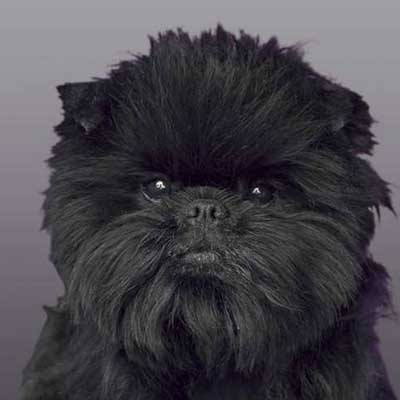
Affenpinscher
The Affenpinscher, commonly known as the "monkey dog," gets its name from a German term that reflects its playful appearance, particularly its resemblance to primates. Initially bred for hunting rats, these dogs were also referred to as ratters. The breed originated in Germany during the 17th and 18th centuries, evolving from various small terrier breeds. Their small stature and loving disposition made them popular as lapdogs among women, leading breeders to focus on creating even smaller versions. Typically, Affenpinschers reach a height of 9 to 11 inches and weigh about 9 pounds. They have medium-length, wiry fur that comes in several colors, including belge, tan, red, silver, gray, and black. Nowadays, this breed is relatively rare and not commonly found. It is recommended to keep Affenpinschers away from households with young children, as they generally dislike being squeezed or chased.
Read more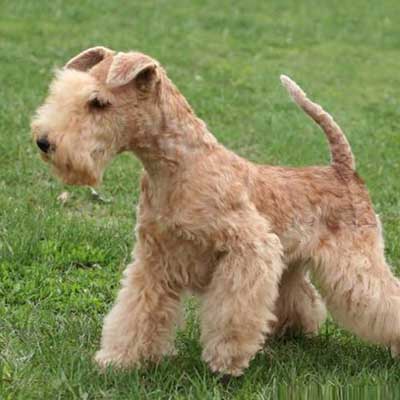
Lakeland Terrier
The Lakeland Terrier is one of the oldest breeds within the Terrier group, initially developed for hunting a range of pests such as otters, badgers, and even foxes. Since some of these animals could be larger than the dog, these Terriers were bred to be remarkably courageous. However, despite their boldness in the field, they are more prone to separation anxiety than many other breeds. Often considered hypoallergenic, Lakeland Terriers have minimal shedding and low odor. Although they don’t need regular baths, keeping their coat healthy requires weekly brushing and occasional clipping or stripping.
Read more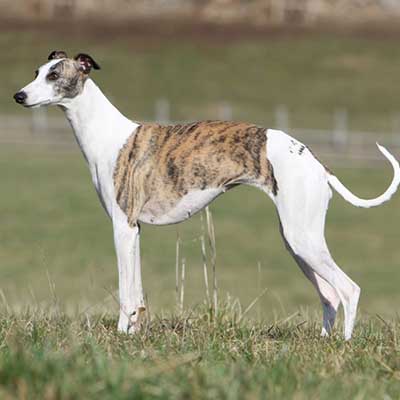
Whippet
The Whippet is a graceful breed that shares a close lineage with the Greyhound and hails from England. Originally developed for rabbit-luring competitions, these dogs later took part in rag races. With their slender build, Whippets are incredibly athletic and excel in a variety of canine sports, including agility, flyball, and lure coursing. They are known for their gentle nature, generally displaying good behavior around children and other dogs. However, it's important to exercise caution when they are around smaller pets, such as cats, as their instincts may lead them to see these animals as potential prey. Although they are vigilant and make good watchdogs, they do not possess the aggression needed to function as reliable guard dogs for your home.
Read more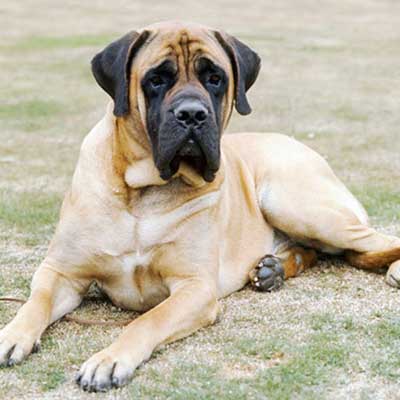
Mastiff
The Mastiff is acknowledged as the largest dog breed. Although breeds such as Wolfhounds and Great Danes may surpass it in height, the Mastiff is distinguished by its remarkable musculature, sturdy physique, and significant bone structure. This breed has its origins in the ancient Molosser lineage, which eventually migrated to the British Isles. Over time, the Mastiff thrived in England, initially serving as a guardian and later becoming involved in the cruel practices of bull and bear baiting. The 19th century marked the decline of these inhumane activities, prompting a selective breeding program that transformed this once fierce breed into a gentle giant. Today, the Mastiff retains its status as one of the largest breeds, continuing its tradition as a loyal protector of its family.
Read more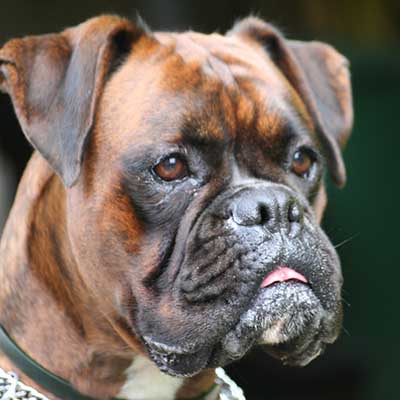
Boxer
The Boxer breed traces its roots back to Germany in the early 19th century, where it was originally developed for use as a bait and fighting dog, as well as a loyal guardian. Its strong, muscular, and agile build made it ideal for these roles until the prohibition of bull baiting and dog fighting. Since then, the Boxer has gained immense popularity around the globe, renowned for its loyalty, playful nature, and high energy, which make it an excellent family pet. Furthermore, Boxers are recognized for their self-grooming tendencies, resulting in relatively low grooming needs. However, it is crucial to provide them with sufficient mental and physical stimulation; without it, they may exhibit undesirable behaviors.
Read more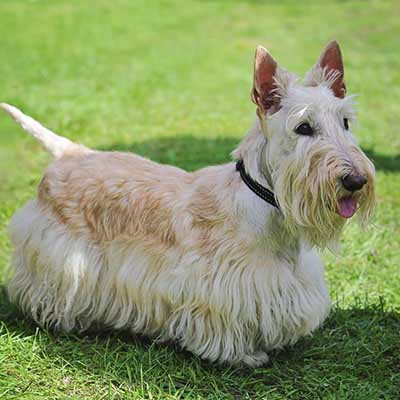
Scottish Terrier
The Scottish Terrier is a small yet spirited breed, celebrated for its lively character. In the 1700s, breeders started developing what we now know as the Scottish Terrier, originally calling it the Aberdeen Terrier after a town in Scotland. The breed was affectionately dubbed the “little diehard” by the fourth Earl of Dumbarton, a nickname that still resonates today. Though they are petite, these dogs are brimming with bravery and vitality. Initially bred to hunt rabbits, otters, foxes, and badgers, Scottish Terriers continue to excel as vigilant watchdogs and devoted companions.
Read more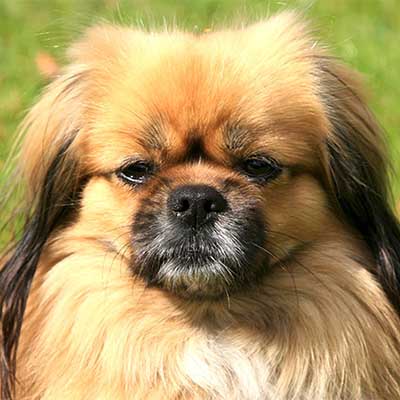
Tibetan Spaniel
The Tibetan Spaniel, celebrated for its independent spirit and gentle demeanor, was originally bred by Buddhist monks in Tibet. This breed is reminiscent of a lion, which holds significant meaning in Buddhism. While it shares some characteristics with the Pekingese, the Tibetan Spaniel features a slightly elongated face and does not possess the excessive skin commonly found in that breed. Its body is longer than it is tall, complemented by a small, rounded head that is well-proportioned to its frame. The muzzle is of medium length and smooth, free from wrinkles, while its dark, widely spaced eyes add to its charm. This delightful dog is adorned with a silky, flat double coat and a feathery tail that arches gracefully over its back, along with a longer mane around its neck. Historically, this loyal breed functioned as both a watchdog and a companion, alerting its owners to potential dangers with its distinctive bark. To maintain the health of its coat, regular grooming is vital, requiring daily brushing and combing to avoid matting. The Tibetan Spaniel has moderate energy levels, so it is important to provide adequate mental and physical stimulation to keep it engaged and stave off boredom.
Read more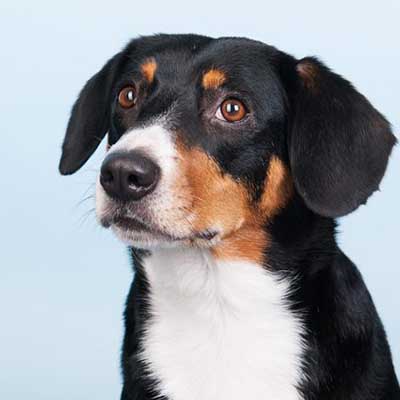
Entlebucher
The Entlebucher Mountain Dog is a sturdy, medium-sized breed known for its distinctive small brown eyes, short coat with multiple colors, and small triangular ears. Its sleek fur typically showcases a blend of white, tan, and black, highlighted by a soft, fluffy blaze and chest area. Among the various Swiss Mountain Dog breeds, the Entlebucher is the smallest, and some suggest it has lineage tracing back to the Mastiffs that accompanied the Romans for protection and warfare. Although the American Kennel Club officially recognized this breed only in 2011, it remains relatively rare in the United States, while it enjoys a strong following in Switzerland. Nowadays, the Entlebucher is primarily appreciated as a family pet rather than a livestock guardian.
Read more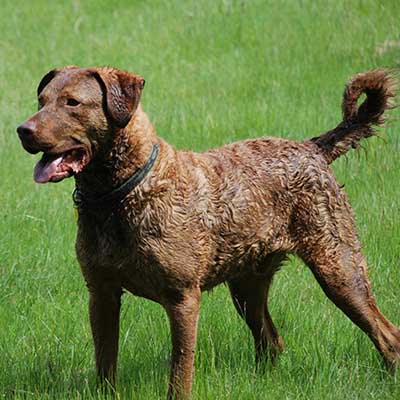
Chesapeake Bay Retriever
The Chesapeake Bay Retriever is a distinctive breed that sets itself apart from other Retrievers. This breed traces its roots back to two Lesser Newfoundland puppies, also referred to as St. John’s Water Dogs, which were saved by an American ship following a shipwreck near Maryland in 1807. These dogs were subsequently crossbred with local breeds, including Water Spaniels, Setters, and Hounds, in a somewhat haphazard manner. Although they share similar roles with other Retrievers, their genetic background is quite unique. Chesapeake Bay Retrievers are known for their striking looks, featuring a slightly oily, musky, waterproof wavy brown coat, captivating amber eyes, and a sturdy, muscular physique. While they are now mainly cherished as family pets and hunting companions, their initial role was to retrieve waterfowl. Renowned for their cheerful disposition, intelligence, and eagerness to please, these dogs excel in work, especially in water-related tasks. Their grooming requirements are relatively low, needing only a weekly brushing and a bath every three to four months. Due to their energetic and robust nature, they benefit from regular, vigorous exercise, whether through walking, running, or hunting geese. To ensure their proper development, consistent training combined with firm yet affectionate discipline is crucial.
Read more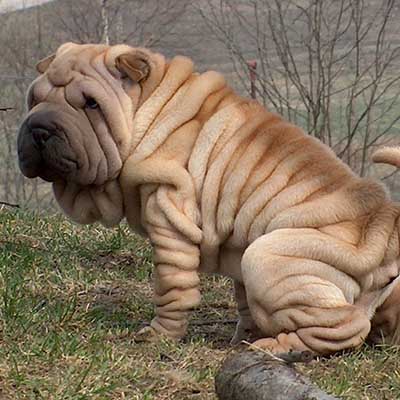
Chinese Shar-Pei
The Chinese Shar-Pei is a large dog breed distinguished by its unique wrinkled head and face. Typically, these dogs weigh around fifty pounds and stand about eighteen inches tall. There is a belief that the Chinese Shar-Pei shares a lineage with the Chow-Chow, as both breeds feature a blue-black tongue, which often causes confusion between them. Traditionally, the Chinese Shar-Pei was a multifunctional farm dog in China, employed for various tasks such as hunting, tracking, herding, and protecting livestock. Unfortunately, some people misused the breed for dogfighting, as its distinctive wrinkled skin and coarse fur were thought to hinder opponents' grip. The breed came perilously close to extinction during the Communist Revolution, but a businessman from Hong Kong played a vital role in reviving interest in the Shar-Pei among American dog lovers. In 1992, the American Kennel Club officially recognized the Chinese Shar-Pei, and it has since gained popularity as one of the favored dog breeds in the United States.
Read more