Companion Dog Group Breeds
This page features Companion Dog group breeds, offering detailed information for anyone interested in learning about these dogs. Each breed profile includes key traits such as temperament, size, energy level, and general care needs.
Many of these breeds originated in one of the other seven Groups but have been specially adapted to serve as family companions. With the exception of the English Bulldog and the Dalmatian, the Companion Dogs tend to be “miniaturized” versions of their ancestors. Companion Dogs are lively, intelligent, and affectionate.
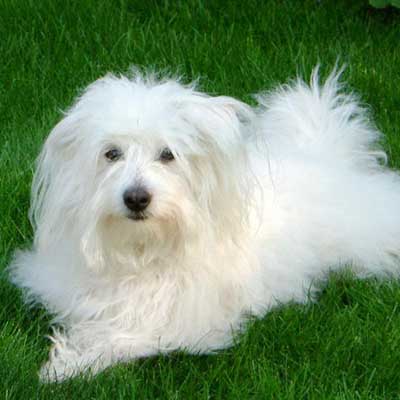
Coton De Tulear
Coton de Tulear dogs are renowned for their loving and playful demeanor, accentuated by their beautiful, fluffy white fur. Originating from Madagascar, these delightful little canines are related to breeds like the Bichon Frise, Maltese, and Havanese. They are deeply affectionate with their families and generally get along well with children and other animals. Coton de Tulears develop strong attachments to their owners and may experience anxiety when left alone for long periods. To alleviate their loneliness, having another pet can greatly improve their well-being when they are home alone. These small, clever dogs adapt effortlessly to different living situations, whether in an apartment or a large house, provided they receive plenty of love and exercise. Their lovely coats need regular grooming to avoid tangles, along with consistent nail trimming and dental care, similar to any other dog. Fortunately, Coton de Tulears are characterized by minimal shedding, drooling, and odor, making them a hypoallergenic option for many households.
Read more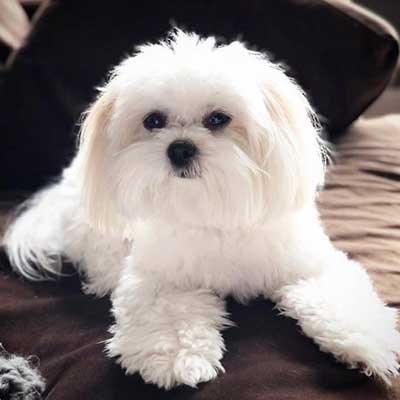
Mi-Ki
The Mi-ki dog, pronounced Mee-Kee, is a small breed that typically reaches a height of around 11 inches and weighs approximately 10 pounds. Full of energy and charm, these dogs possess a delightful temperament. They are friendly and affectionate, thriving on human companionship and getting along well with both children and strangers. Remarkably bold, they often seem oblivious to their small size when interacting with larger dogs. With their lively personalities, Mi-kis make wonderful companions for families and individuals alike. They relish daily walks, where they can show off their stunning coats and bask in compliments, often reciprocating with a kiss or two. Like many small breeds, they benefit from consistent training and a firm approach to prevent them from becoming overly dominant. Their size should not exempt them from discipline; in fact, keeping them mentally stimulated is crucial, as they are eager to please and can master a variety of commands. Cheerful and well-behaved, Mi-kis are a charming addition to any household.
Read more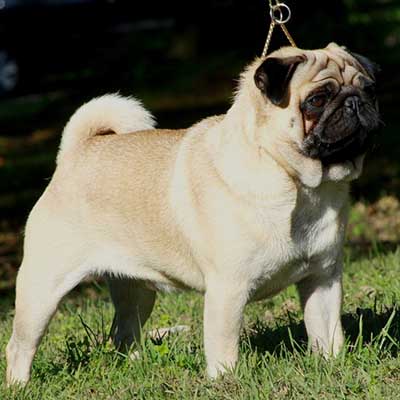
Pug
Pugs are cherished small dogs celebrated for their delightful personalities. They primarily act as loving companions, enjoying quality time with their families. These friendly pets thrive on interaction, whether it comes from family members, children, or even strangers. Despite their small stature, pugs have a robust physique and adapt easily to various living environments, including apartments. However, it’s essential to be aware that pugs are susceptible to several health concerns, and their unique features—like their prominent eyes and adorable facial wrinkles—demand extra attention to maintain their health. While they are generally easy to care for, they do shed significantly. Pugs are not hypoallergenic, but they typically drool only a little and have a moderate scent.
Read more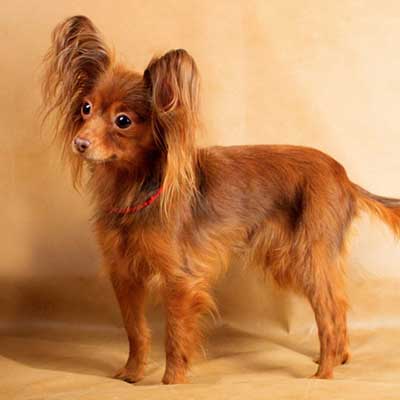
Russkiy Toy
This toy breed dog is rare but is quickly gaining popularity across the United States. As one of the tiniest toy breeds, he rivals the Chihuahua in both size and temperament. With a lively spirit and a bold attitude, he thrives as a therapy dog and excels in dog sports such as agility and rally. His high energy levels make playtime vital, and consistent exercise is important to keep him calm and happy at home. Given his petite size, the Russian Toy should never be left unsupervised outdoors, as he is at risk from predators like hawks and owls.
Read more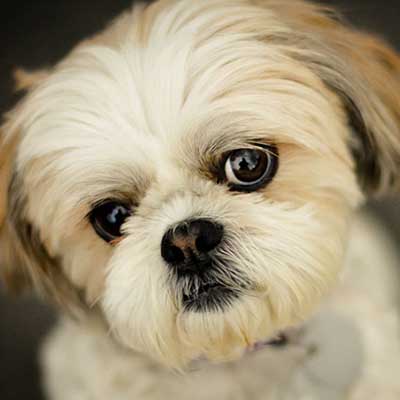
Shih Tzu
Shih Tzu dogs have played a significant role in Chinese culture since the Tang dynasty, where they were beloved companions of royalty and acted as attentive watchdogs, notifying their owners of any strangers. Primarily bred for companionship, these energetic and sociable dogs can flourish with sufficient exercise, even in smaller living environments. Although they require more grooming than many other breeds due to their long, luxurious double coat, they generally exhibit a friendly demeanor towards both people and other pets. It is crucial to handle them gently during interactions, particularly during their formative years, to avoid any rough treatment.
Read more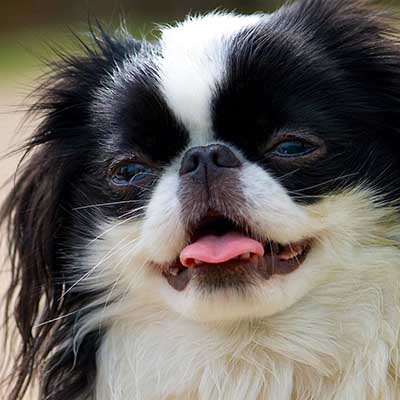
Japanese Chin
The Japanese Chin is a small breed within the toy dog category, distinguished by its flat face and elegant, flowing fur. While it is widely believed that this breed originated in the royal courts of China more than 1,500 years ago, there is some contention regarding whether it was first developed in Korea before arriving in Japan. Renowned for its playful and entertaining nature, the Chin is cherished in Japanese culture, often seen as a noble creature among dogs. This breed has a penchant for perching in high places, which has led to its nickname, “a cat in a dog suit,” reflecting its agile behavior and grooming habits.
Read more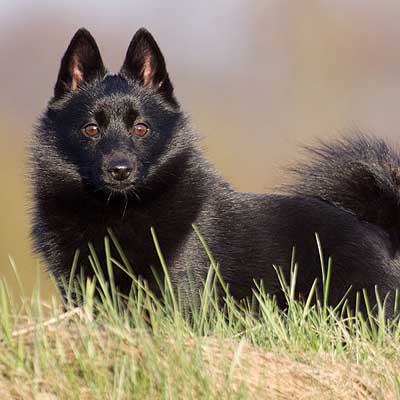
Schipperke
These small dogs exhibit a notable sense of independence, which can make them less ideal for first-time dog owners. Often referred to as "little black devils" or LBDs due to their curious and intelligent nature, Schipperkes are both courageous and devoted, acting as vigilant guardians for their families. They are versatile in their living situations, thriving on boats, farms, or in apartments, as long as they receive sufficient exercise and have neighbors who are either understanding or less sensitive to their barking. With a high energy level, these dogs need daily physical activity, and having a secure yard for them to play in is highly beneficial. The LBD is known for being a low shedder, with only two shedding seasons each year, and they typically require just occasional brushing instead of frequent baths. These dogs are affectionate towards children and can make wonderful family pets, particularly when raised under strong leadership and with proper training from a young age. They usually get along well with cats and visiting dogs. However, one minor drawback is their tendency to bark; they enjoy vocalizing and may do so for fun, not just as a means of alerting. While they flourish in rural environments, they can also adjust to city life if trained to control their barking, although this can prove to be a challenging endeavor.
Read more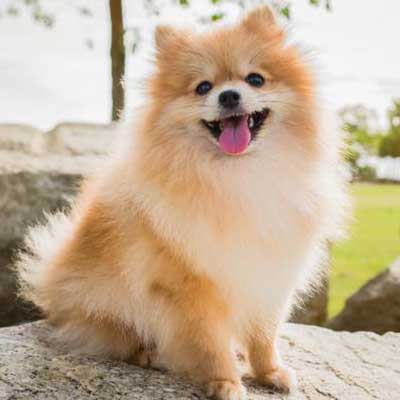
Pomeranian
The Pomeranian is an enchanting little dog known for its lively character. Despite their petite size, they possess a boundless heart and spirit. These feisty pups often display such self-assurance that they will confront much larger dogs, seemingly oblivious to their own smallness. In addition to their bold nature, Pomeranians typically get along well with children and other pets. Their frequent and boisterous barking makes them excellent watchdogs, though they do need proper training to keep this behavior in check. With a variety of nicknames and coat colors, they are sure to add happiness to your life. Historically, Pomeranians could weigh as much as 30 pounds and were used as sheepdogs. Nowadays, they are much smaller but continue to excel in activities like obedience, agility, therapy, flyball, and tracking, all while being loving companions.
Read more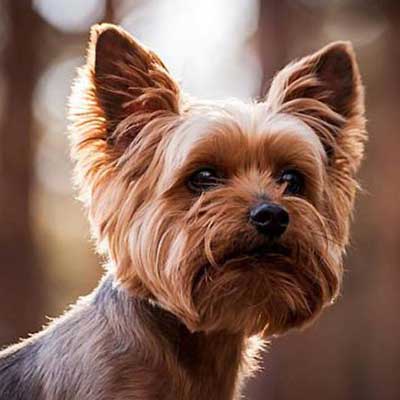
Yorkshire Terrier
The contemporary Yorkshire Terrier is a small breed primarily valued for companionship. In stark contrast, its forebears were much larger and were utilized for hunting small rodents and other vermin. It is thought that the Yorkshire Terrier emerged from a mix of several terrier breeds, with some contributions from the Maltese. Among these breeds are the Skye Terrier, Dandie Dinmont, Manchester Terrier, and the now-extinct Paisley or Clydesdale Terrier. Over the years, this brave little hunting dog evolved into a trendy pet, so petite that many women now carry them in handbags or under their arms. The American Kennel Club officially recognized the Yorkshire Terrier in 1885.
Read more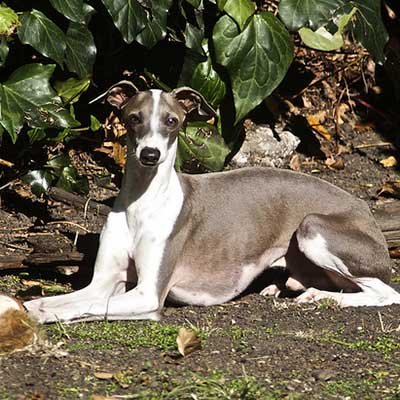
Italian Greyhound
The Italian Greyhound is recognized as the smallest of the sighthound breeds, often referred to as "miniature" due to its petite size. Historical artwork from ancient Egypt depicts dogs that closely resemble this breed. Renowned for their affectionate and lively disposition, Italian Greyhounds were originally bred for hunting purposes but have evolved into cherished companions that enjoy lounging on laps. It is crucial to keep them indoors or in a securely fenced space, as they have a propensity to chase after cars, bicycles, and even pedestrians. Although they are quite intelligent, they can pose challenges during house training. To flourish, they need plenty of love and attention. Furthermore, they may be sensitive to certain insecticides and anesthetics, yet they are generally regarded as healthy dogs overall.
Read more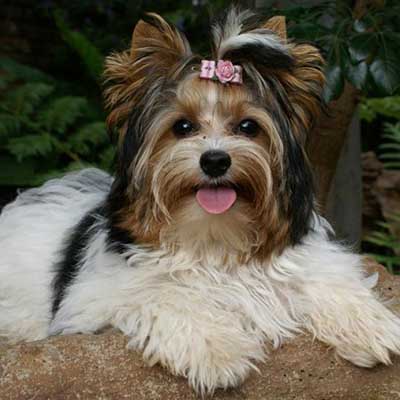
Biewer Terrier
The Biewer Terrier, pronounced BEE-VARE, is a toy breed that shares a close lineage with the Yorkshire Terrier. Renowned for its cheerful disposition, lively spirit, and sharp intelligence, this breed can present challenges in housetraining due to its petite size, necessitating dedication and patience from its owner. The Biewer Terrier is quite vocal and brimming with energy. Although generally friendly, it tends to be cautious around unfamiliar faces, often displaying signs of anxiety when meeting new people or dogs. To keep this spirited pup safe during play, a securely fenced yard is crucial; however, it’s important never to leave the dog outside unsupervised, as it could be vulnerable to predatory birds.
Read more