Pug
Chinese Pug, Mini Mastiff, Dutch Mastiff, Dutch Bulldog, Carlin, Mops
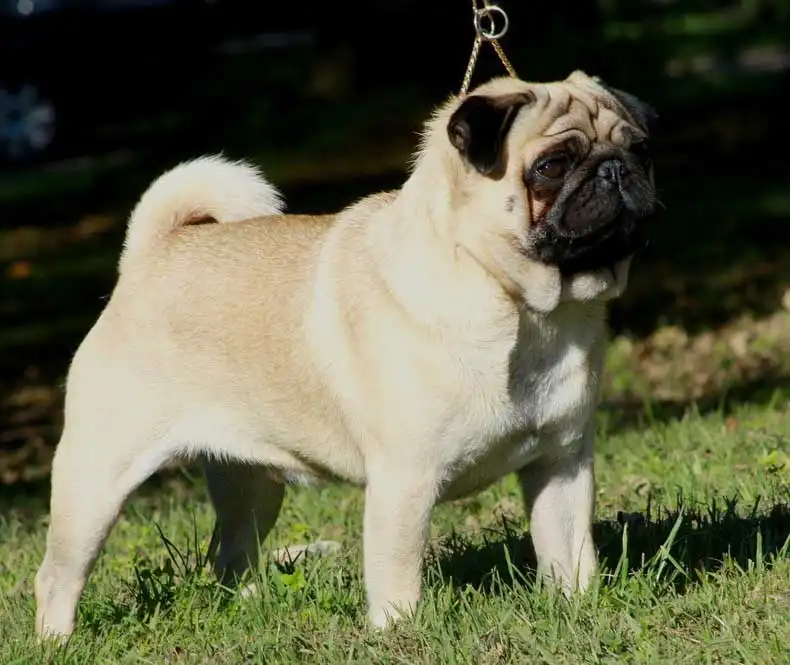
Pugs are cherished small dogs celebrated for their delightful personalities. They primarily act as loving companions, enjoying quality time with their families. These friendly pets thrive on interaction, whether it comes from family members, children, or even strangers. Despite their small stature, pugs have a robust physique and adapt easily to various living environments, including apartments. However, it’s essential to be aware that pugs are susceptible to several health concerns, and their unique features—like their prominent eyes and adorable facial wrinkles—demand extra attention to maintain their health. While they are generally easy to care for, they do shed significantly. Pugs are not hypoallergenic, but they typically drool only a little and have a moderate scent.
Breed Origin
The delightful and well-known Pug has its roots in China, dating back to between 206 B.C. and 200 A.D. during the Han dynasty. These dogs were highly valued by Chinese emperors, often treated with the utmost reverence, and sometimes even had soldiers assigned to ensure their safety. Similar breeds that resemble Pugs have also been found in ancient Tibet and Japan. When Dutch traders brought them to Europe in the 1500s and 1600s, they were referred to as Mopshond. After their introduction, Pugs quickly became beloved companions in royal families throughout Europe. As they spread around the world, they were given various names: Carlin in France, Doguillo in Spain, Mops in Germany, and Caganlino in Italy. By the 1800s, two main breeding lines had developed in England. One, known as the Morrisson line, was said to have originated from the royal dogs of Queen Charlotte, while the other was founded by Lord and Lady Willoughby de Eresby, based on dogs brought in from Hungary and Russia. These Pugs arrived in England in 1861 after the British seized control of the Chinese Imperial Palace. During the Victorian Era, Pugs surged in popularity, featuring prominently on postcards, figurines, and in paintings. The breed made its way to the United States following the Civil War and received official recognition from the American Kennel Club in 1885. The Pug Club of America was founded in 1931.
Breed Appearance
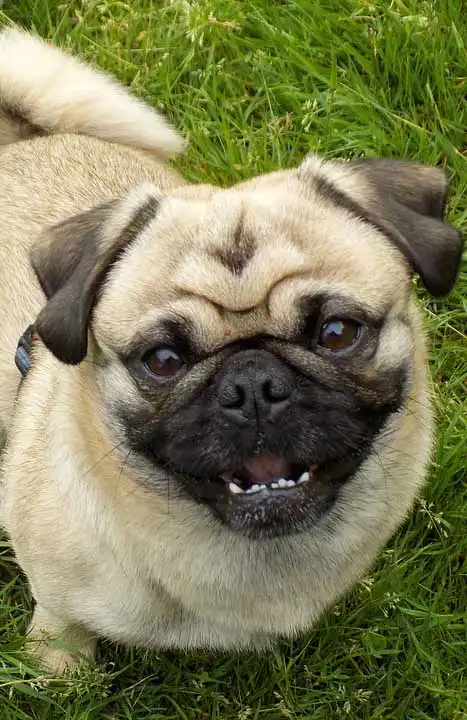
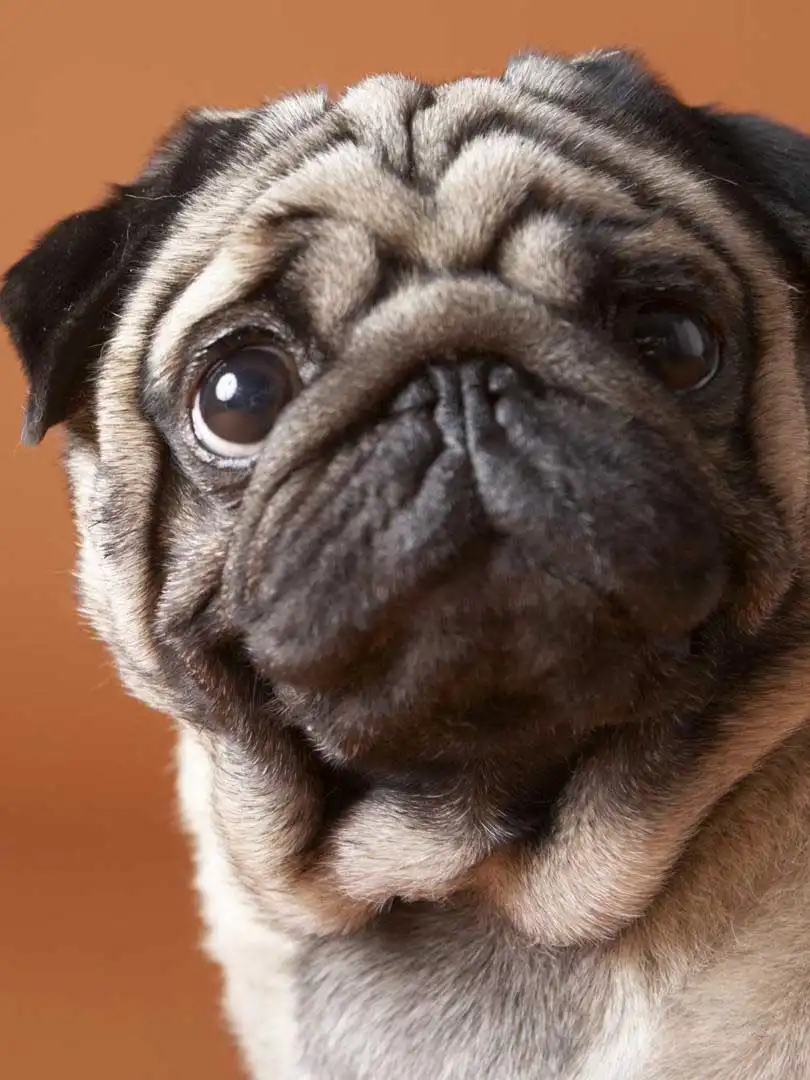
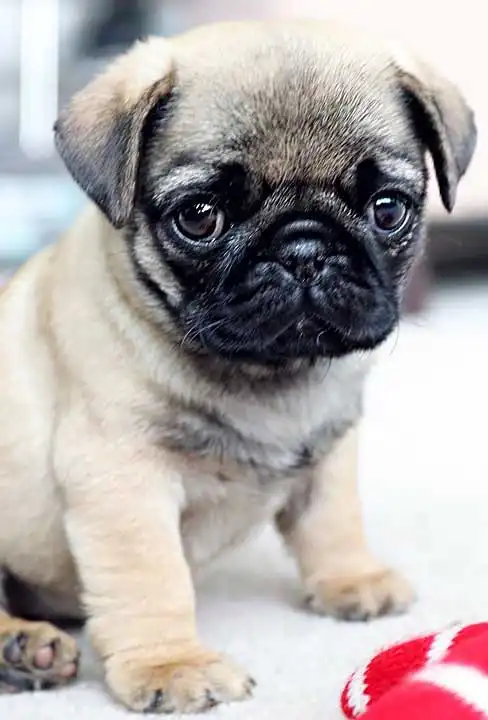
Pugs are commonly recognized for their fawn coats, which can range from silver to apricot, though they also come in black. These dogs are distinguished by their short, flat, and blunt black muzzles, which have a square shape, and their large, round heads. Their bodies are compact and sturdy, giving them a thickset appearance. Some pugs may have beauty spots, or moles, on their cheeks. Typically, their jaws and teeth are slightly undershot, and they feature large, dark, and prominent eyes. The breed's ears can be either button or rose-shaped, but they are always small and thin. One of the most notable characteristics of pugs is the deep, prominent wrinkles that embellish their faces. They also have a high-set tail that curls over their back, often making one or two loops. Pugs possess dew claws, which are frequently removed, and their short, double coat is smooth and fine in texture.
Care Routine
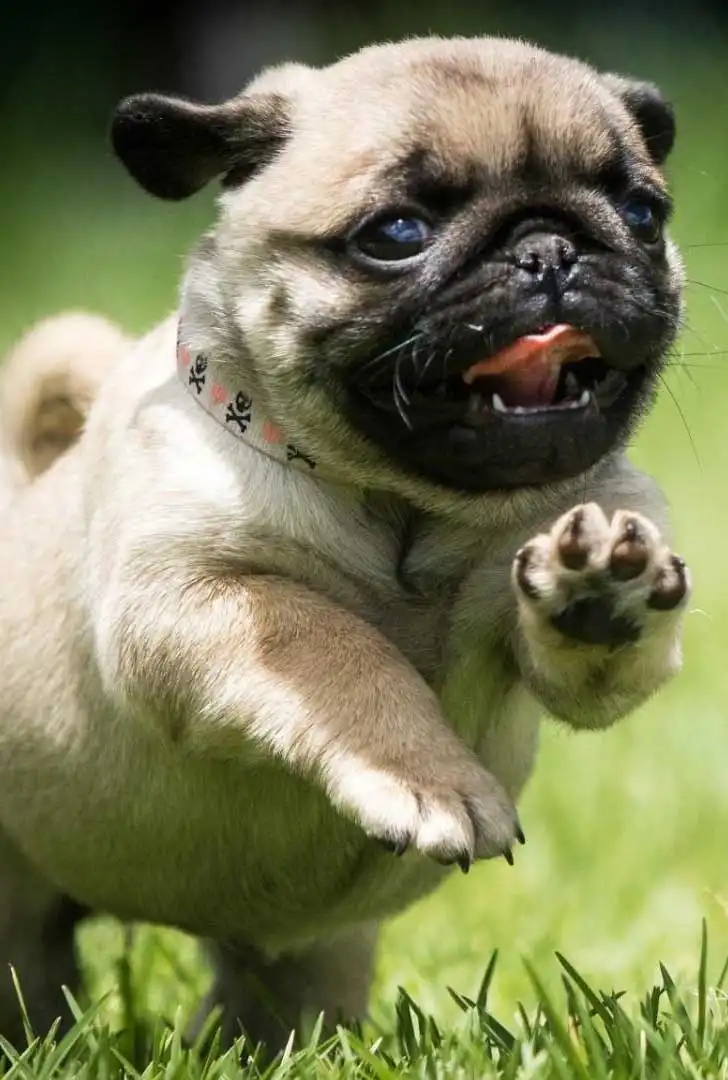
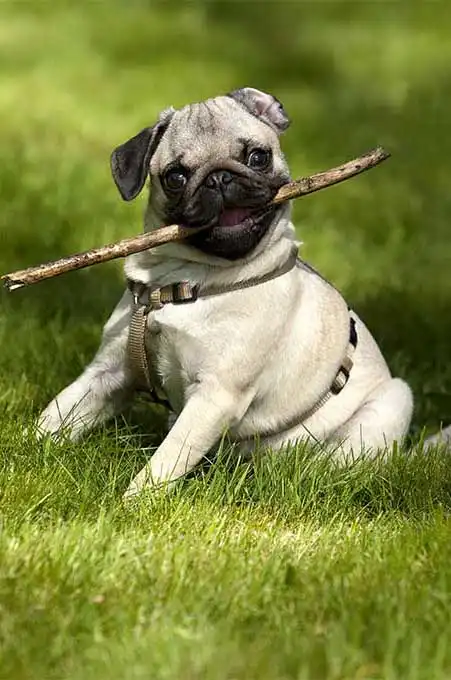
Pugs are small, generally calm dogs that serve as wonderful companions for seniors or those residing in apartments. Although they typically have a gentle demeanor, they can become quite energetic if they don’t get enough exercise. These lively dogs love going for walks and playing outdoors, but it’s crucial to steer clear of intense activities in hot and humid conditions, as they are particularly sensitive to heat. Additionally, their endearing snoring might be a factor to consider for those who are light sleepers. When it comes to their diet, Pugs should be fed between ½ to 1 cup of dry food each day, split into two meals. Despite having short fur, they do shed a fair amount, especially in the summer. To manage shedding and keep their coat healthy, regular brushing and bathing are necessary, with monthly baths usually being adequate, though more frequent washing is fine. Routine care also involves checking their ears and regularly trimming their nails. Pugs have unique facial wrinkles that need special care; it’s essential to dry these folds thoroughly after baths and clean them periodically to prevent infections from dirt and moisture. Their large, protruding eyes are susceptible to irritation and injury, so they require careful observation. Lastly, maintaining dental hygiene is vital, so their teeth should be brushed regularly.
Behavior & Temperament
Pugs were originally bred as companion animals, and they truly shine in this capacity. While they may not be ideal for tasks like hunting or guarding, their greatest delight comes from curling up in your lap. It's essential to recognize that they aren't just idle; these spirited little dogs enjoy frolicking and displaying their charming personalities. Despite their compact stature, Pugs are sturdy and can handle roughhousing with children, whom they absolutely adore. Although they relish being the focus of attention, they typically don't engage in activities such as fetch or chase. With appropriate training and socialization from an early age, Pugs can live peacefully with other pets, including rabbits and cats, and they appreciate the company of another dog. These clever dogs flourish under the leadership of assertive owners who can establish themselves as the pack leader; otherwise, they might exploit a more relaxed approach.
Play & Exercise
Things to Know
Cups Per Day
1.0 Cups
Daily Activity
40 Minutes
Average Lifespan
14 Years
Origin
ancient times
Type
Pure Breeds
Size
Small
Origin Country
China
Brush Frequency
Weekly
Coat Texture
Straight
Register
Your kids have been begging for a pet forever, and you've recently decided that it's time for your family to get a new addition -- a dog! While everyone is excited for the new arrival, you're wondering if you need to have a dog license. How much does it cost? Is it required? Where do you get one?
Member Clubs

PETINNATE
Companion Dog

AKC
Toy Group

UKC
Companion Dog
Height & Weight
Weight
16 lbs (7 kg)Male: 17 lbs (8 kg) , Female: 16 lbs (7 kg)
Height
12 inches (30 sm)Male: 13 inches (33 sm) , Female: 11 inches (28 sm)
6 Months
6 lbs ( m 6 lbs, f 6 lbs )
4 inches ( m 4 inches, f 4 inches )
12 Months
10 lbs ( m 10 lbs, f 10 lbs )
7 inches ( m 7 inches, f 7 inches )
18 Months
14 lbs ( m 14 lbs, f 14 lbs )
10 inches ( m 10 inches, f 10 inches )
Eye Colors
Brown

Nose Colors
Black
Coat Colors
Black
Fawn
Silver

Characteristics
Mixes
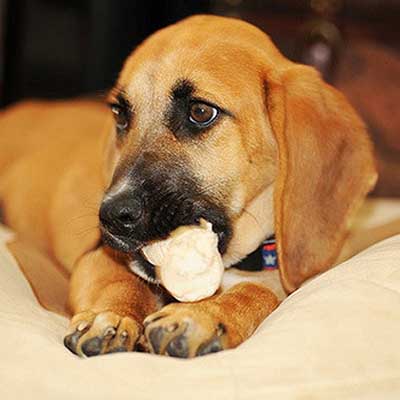
Bassugg
The Bassugg is a charming mix of the Basset Hound and the Pug, typically taking on the Basset Hound's appearance while also displaying some distinctive traits of the Pug. These dogs are known for their laid-back personalities and thrive on companionship, making them perfect for snuggling up with their owners. This quality makes them an excellent option for families and those new to pet ownership. For seniors seeking a canine companion, the Bassugg is especially fitting due to its serene nature and gentle temperament. Despite their calmness, they have enough playful energy to keep retirees active and engaged. While this breed is generally easy to train, they may inherit a touch of stubbornness from their Basset Hound ancestry. However, there's no need for alarm; both parent breeds are intelligent, and with consistent training, patience, and positive reinforcement, your Bassugg will adapt quickly. It’s worth mentioning that, due to the short coats of both parent breeds, Bassuggs are not ideal for cold climates. During colder months, it’s advisable to keep them indoors, and in hot weather, their outdoor time should be limited to avoid overheating.
Read more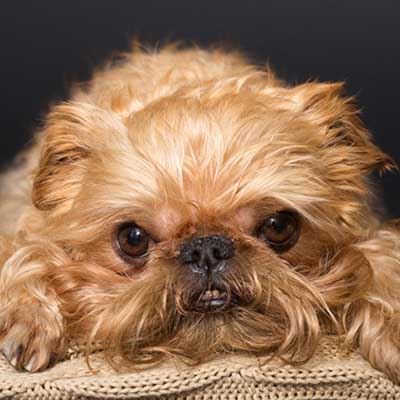
Brug
The Brug is an endearing small dog that emerges from the crossbreeding of a Brussels Griffon and a Pug. While this hybrid breed is still relatively rare, its appeal is growing due to its friendly nature and compact size, making it a perfect pet for those residing in smaller living spaces like apartments. Full of self-assurance and a joyful personality, the Brug exemplifies the qualities of a loyal companion, flourishing in a nurturing family setting where it receives ample attention. This little dog tends to see everyone it meets as a potential friend or admirer. However, its confidence can sometimes lead to issues, as the Brug may approach larger dogs without caution, which could be perceived as a challenge for dominance. Fiercely loyal to its owner, the Brug can display possessive behavior and may become uneasy around small children who might unintentionally hurt or play too roughly with it. Additionally, the Brug is sensitive to its owner’s emotions and may vocalize if it feels anxious or lonely. With its vibrant spirit, intelligence, and affectionate demeanor, the Brug is sure to be a devoted companion throughout its lively life.
Read more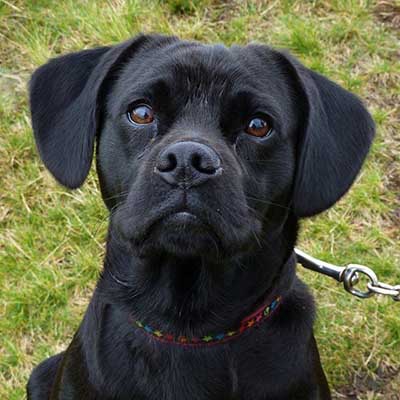
Cocker Pug
The Cocker Pug is a mixed breed created by deliberately crossing a Cocker Spaniel with a Pug. As a designer breed, it showcases traits from both of its parent breeds. The Cocker Spaniel is considered a medium-sized dog, while the Pug is smaller, resulting in the Cocker Pug typically being classified as small to medium in size. Its coat can range from smooth to wavy and is generally medium to long, requiring regular grooming to maintain its appearance. Cocker Pugs are known for their loving and sociable demeanor, making them adaptable companions who cherish time spent with their families. They are intelligent and tend to learn quickly, although their Pug heritage may bring a touch of stubbornness. This breed is especially good with children, making them wonderful family pets. Furthermore, Cocker Pugs can comfortably live in apartments, as long as they receive daily exercise to fulfill their activity requirements.
Read more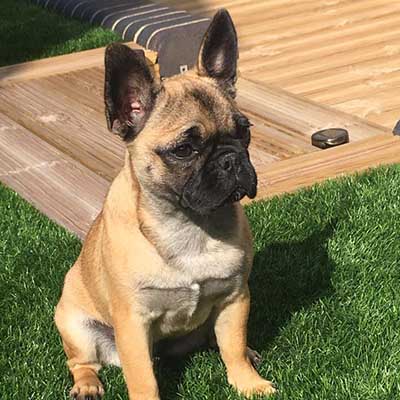
Frenchie Pug
Frenchie Pugs, affectionately known as “Frugs,” are small dogs that require minimal exercise yet boast lively and engaging personalities. These spirited companions are confident and thrive on human interaction. On average, Frenchie Pugs have a lifespan of 9 to 15 years, typically weigh between 15 and 23 pounds, and stand around 10 to 12 inches tall. Their coats are short, smooth, and fine, showcasing a variety of colors including black, cream, white, and fawn, often adorned with brindle patterns and ticked markings. This hybrid breed likely originated in the early 1900s and has since become one of the most cherished mixed breeds. However, it’s essential to recognize that Frenchie Pugs are not a fully established breed, resulting in significant diversity in their appearance and temperament. Despite these variations, most owners find that Frenchie Pugs are affectionate and proud members of their households.
Read more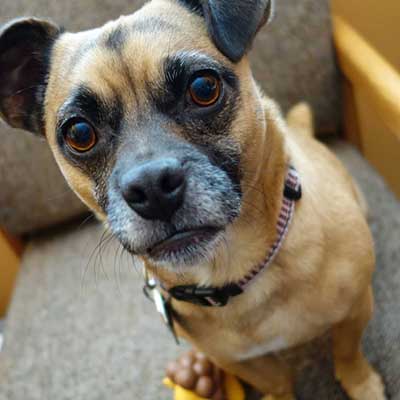
Jug
The Jug is a carefully crafted hybrid, resulting from the crossbreeding of the well-known Pug, a historic companion dog, and the spirited fox-hunting breed developed by John “Jack” Russell in Devonshire, England, in the early 1800s. These two breeds possess distinct differences in their looks, build, and personality, which can lead to a wide range of traits in their offspring, even among siblings. Regarding apartment living, the Jug's compatibility can differ; those that inherit the Pug's more relaxed nature usually adjust well, whereas those that take after the Jack Russell may be overly energetic and vocal, which could lead to potential disturbances for neighbors.
Read more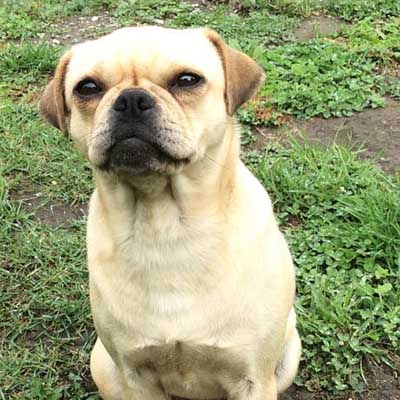
Mini Poxer
The Mini Poxer is an endearing hybrid that merges the charming Pug with the more obscure Mini Fox Terrier. This petite canine has a balanced energy level and is overflowing with love for its family. However, prospective owners should note that these mixed breeds can be quite headstrong, potentially leading to difficulties in training, which might not make them the best choice for novice dog owners. Unlike many Terrier mixes, the Mini Poxer flourishes with human companionship, which is crucial for its happiness. As a result, owners need to be ready to invest significant time in nurturing this spirited and cheerful pet.
Read more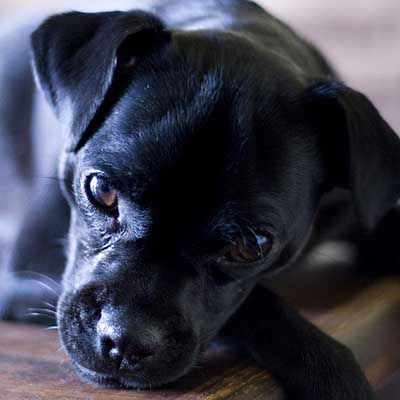
Muggin
The Muggin is a spirited and loving dog, celebrated for its joyful disposition. This breed typically forms a deep bond with its preferred human, often seeking to remain in close proximity. Although small in stature, the Muggin is brimming with energy and requires ample physical activity. Fortunately, they generally interact well with children and other dogs, making them a great option for families. However, their propensity to bark often could pose challenges in an apartment setting. Moreover, training a Muggin can be a bit challenging, so they are likely best suited for owners who have some experience in pet ownership.
Read more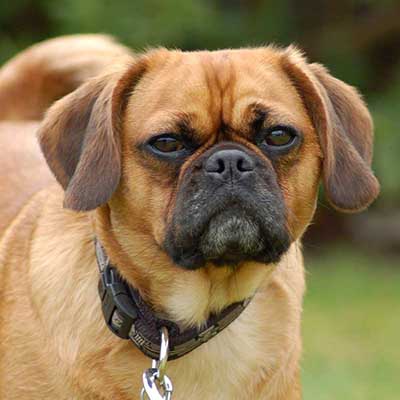
Pugalier
The Pugalier is a charming mixed breed that emerges from the union of a Pug and a Cavalier King Charles Spaniel. Typically, these small dogs weigh between 10 and 20 pounds and may display traits from one or both parent breeds. The goal of creating this hybrid was to maintain the Pug's lovable characteristics while addressing some of the breed's respiratory challenges by introducing a slightly elongated snout. While each Pugalier has its own unique personality, they are generally recognized for their friendly and loving demeanor, making them wonderful companions for families. Their moderate exercise needs enable them to thrive in a variety of living environments, whether in an apartment or a home with a yard.
Read more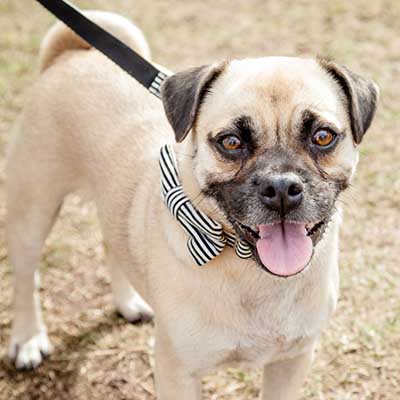
Pug-A-Mo
The Pug-a-Mo is a hybrid dog breed that results from crossing a Pug with an American Eskimo dog. This compact dog usually weighs up to 25 pounds at maturity. Renowned for his sociable personality, he tends to get along well with both children and other pets. While he is affectionate, he also has a surprisingly high energy level. The Pug-a-Mo is loyal and protective of his family, showcasing intelligence and curiosity. He is brave and not easily frightened; when something captures his attention, he is quick to explore. Furthermore, he learns rapidly and is generally easy to train, although it's worth mentioning that he may exhibit some territorial tendencies.
Read more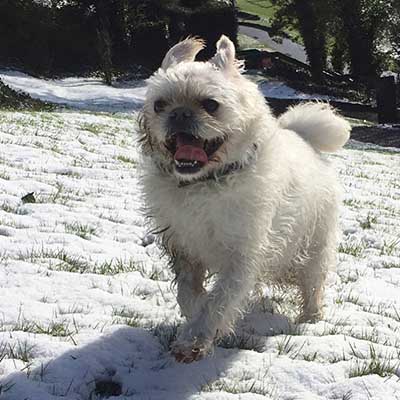
Pugapoo
The Pugapoo is a delightful mixed breed that arises from the crossbreeding of a Pug and a Poodle. Renowned for its adaptability, affection, and intelligence, this breed is sociable with both children and cats, making it an excellent companion. Whether living in an apartment or a house with a secure yard, the Pugapoo flourishes in a variety of environments. Typically, this breed is quite healthy; although it is not hypoallergenic, it usually sheds very little, with the amount of shedding largely determined by the coat type inherited from its parents. While the Pugapoo can serve as a reasonable watchdog, its small stature may not present a significant deterrent to intruders. In conclusion, the Pugapoo is sure to be a charming and loving addition to any household.
Read more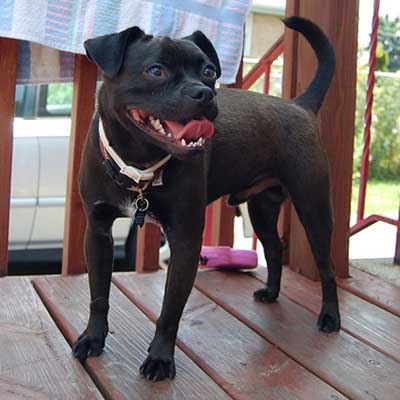
Puggat
The Puggat is a carefully crafted designer breed that results from the combination of the ancient Chinese Pug and the energetic Rat Terrier, renowned for its skills in pest control. These small dogs are full of life and playfulness, often showcasing a comical flair in their behavior. Generally, they are friendly and sociable, but their instinctual prey drive can make them less trustworthy around smaller animals. Although the Puggat is a compact breed that requires less grooming and exercise than many others, it craves attention and affection. If left alone for too long, they may resort to mischievous or destructive behaviors.
Read more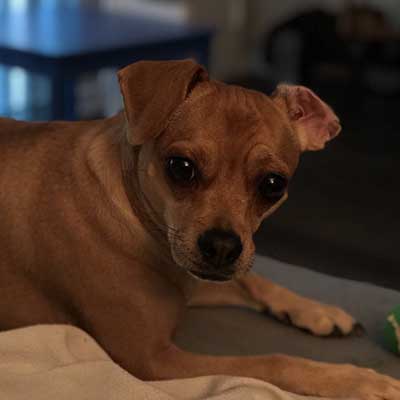
Puggit
The Puggit is a carefully crafted designer breed, resulting from the intentional crossbreeding of two cherished companion animals historically adored by royalty: the Pug and the Italian Greyhound. This loving and spirited dog carries an air of elegance, although it can sometimes display signs of anxiety and destructive behavior. To ensure a joyful and well-adjusted temperament, regular and gentle socialization and training are crucial. Although their short coat requires minimal upkeep and comes in various colors, it does make them more susceptible to extreme weather conditions, whether hot or cold, than many other breeds.
Read more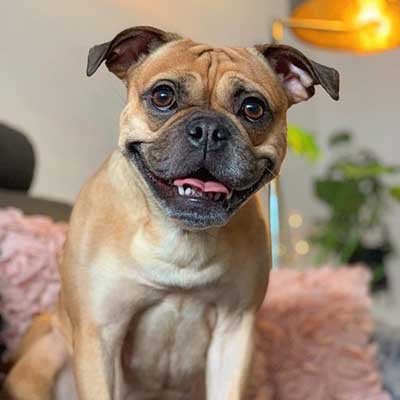
Pug Pit
The Pug Pit is a charming and lively breed, celebrated for its loving disposition towards both family and strangers. This dog adapts well to different living environments, whether in an apartment or a house with a fenced yard. With a compact and robust physique, the Pug Pit boasts a short, sleek coat that sheds minimally. The color of its coat can vary, depending on the dominant traits of its parent breeds. Furthermore, this breed tends to be relatively quiet, making it a great option for those living in apartment settings. Highly intelligent, the Pug Pit enjoys playful interactions with its human friends and will grow to a medium size as it develops.
Read more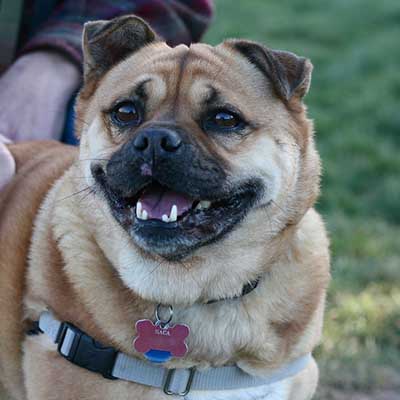
Pug Shiba
The Pug Shiba is a hybrid breed that emerges from the crossbreeding of a Shiba Inu and a Pug. This breed is known for its tendency to shed fur, a characteristic inherited from both parent breeds. The Pug Shiba requires a moderate amount of exercise and enjoys playful interactions with both children and adults. This versatile dog adapts well to different living environments, whether in an apartment or a house, and can thrive with or without a fenced yard. Renowned for being a delightful family pet, he generally gets along well with other animals and people. Although he is typically healthy, it's important to note that the Shiba Inu is a relatively rare breed, which makes the Pug Shiba even less common.
Read more
Sheltie Pug
The Sheltie Pug is a charming hybrid of the Pug and the Shetland Sheepdog. Given the size disparity between these two breeds, Sheltie Pugs usually weigh between 15 and 30 pounds and reach a height of approximately 12 to 18 inches. Their personality is marked by a playful, energetic, joyful, and affectionate nature, making them wonderful companions for families. However, it’s essential to supervise their interactions with young children and to provide early socialization. Their coat is typically short to medium in length, with a straight and smooth texture that makes grooming relatively easy. Despite this, they do shed, so daily brushing is advisable to keep your home free of pet hair.
Read more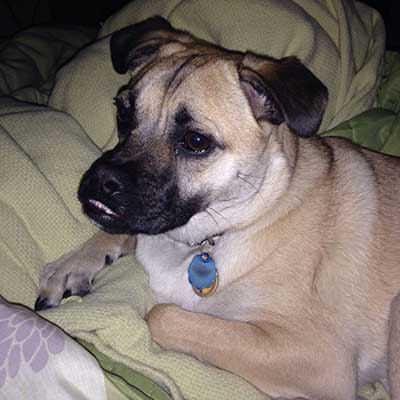
Shug
The Shug is a hybrid dog that emerges from the combination of a German Shepherd and a Pug. This medium-sized breed is relatively easy to care for and is recognized for its ability to learn quickly; it readily follows commands and has a strong inclination to please its owner. Regular physical activity is crucial for the Shug, as it is an active breed that flourishes with exercise. Generally, this dog is friendly with children of all ages and tends to get along well with other dogs. With proper socialization, it can also coexist harmoniously with various other pets. The Shug is both playful and loving, and while it benefits from having a secure yard for play, it can also adapt well to apartment living, provided it receives ample exercise opportunities.
Read more