Coton De Tulear
Coton, Cotie
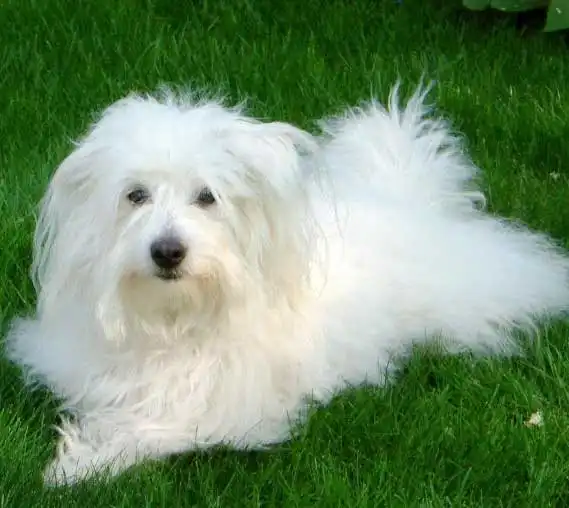
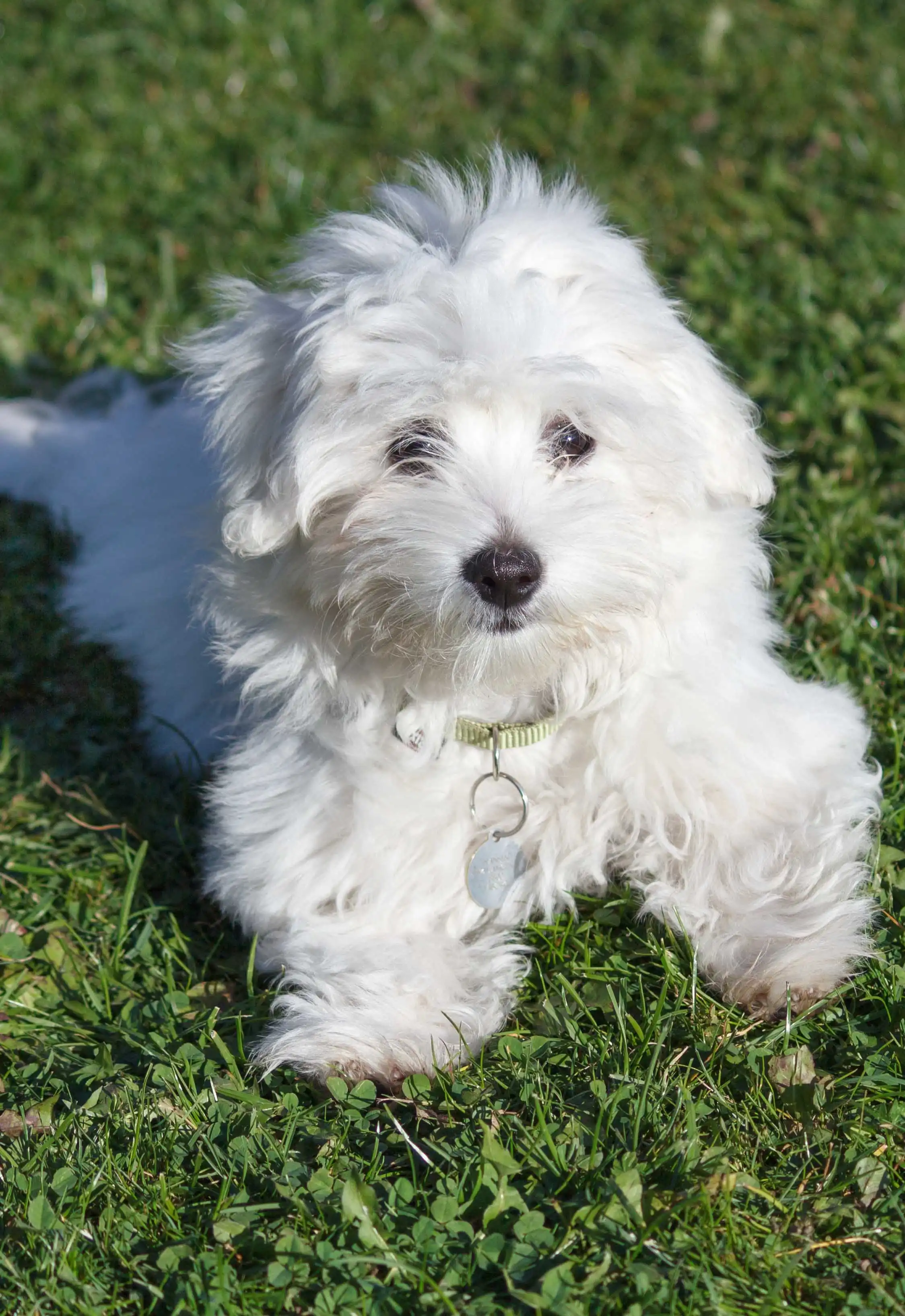
Coton de Tulear dogs are renowned for their loving and playful demeanor, accentuated by their beautiful, fluffy white fur. Originating from Madagascar, these delightful little canines are related to breeds like the Bichon Frise, Maltese, and Havanese. They are deeply affectionate with their families and generally get along well with children and other animals. Coton de Tulears develop strong attachments to their owners and may experience anxiety when left alone for long periods. To alleviate their loneliness, having another pet can greatly improve their well-being when they are home alone. These small, clever dogs adapt effortlessly to different living situations, whether in an apartment or a large house, provided they receive plenty of love and exercise. Their lovely coats need regular grooming to avoid tangles, along with consistent nail trimming and dental care, similar to any other dog. Fortunately, Coton de Tulears are characterized by minimal shedding, drooling, and odor, making them a hypoallergenic option for many households.
Breed Origin
Centuries ago, the Coton de Tulear breed emerged in Madagascar, though the precise details of their introduction remain unclear, surrounded by various legends. It is thought that these small, white dogs were either brought to the island as companions for women on long sea journeys or as rat catchers on ships. One popular tale suggests they arrived as the only survivors of a shipwreck, managing to swim to shore in Tulear, which is reflected in part of their name. Once they reached the island, they adapted to their surroundings, either living as strays scavenging for food, including local small wild boar, or being cared for as pets by wealthy families. This led to their nickname, “the Royal Dog of Madagascar.” Their early experiences of foraging are believed to have shaped the intelligence, alertness, and adaptability seen in today’s Coton de Tulear. Furthermore, their life in the tropical climate is thought to have contributed to the development of their unique cotton-like coat. The breed gained official recognition in the 1970s when a Frenchman visiting Madagascar discovered them and brought some back to France. Around the same period, they also made their way to North America. Today, these delightful little dogs are celebrated globally, yet they can still be found in their native land.
Breed Appearance
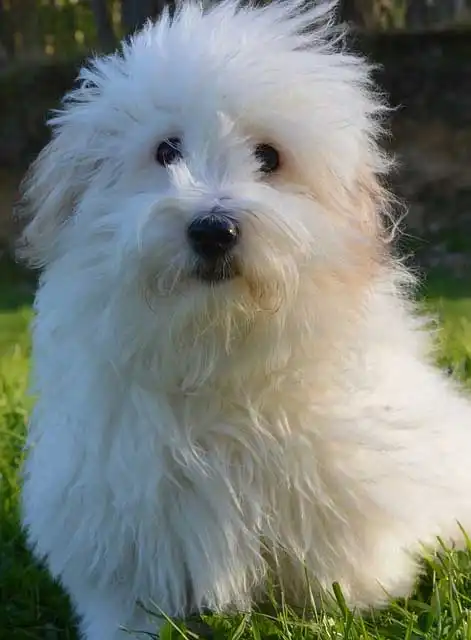
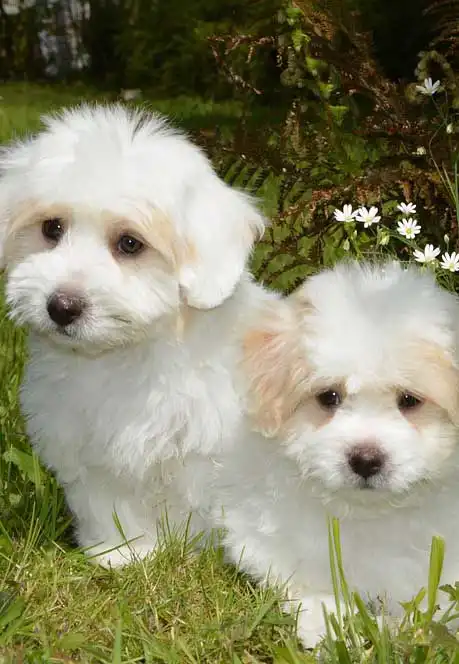
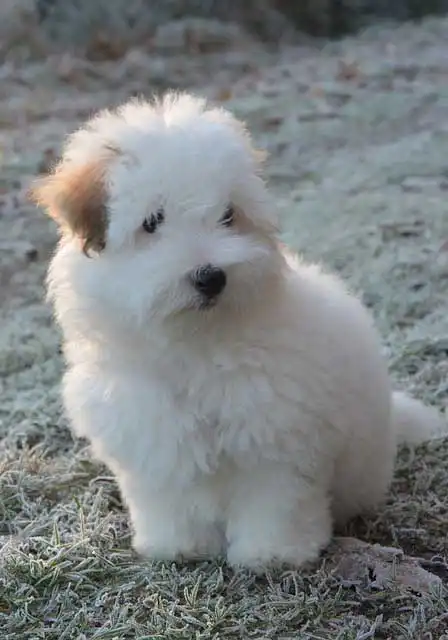
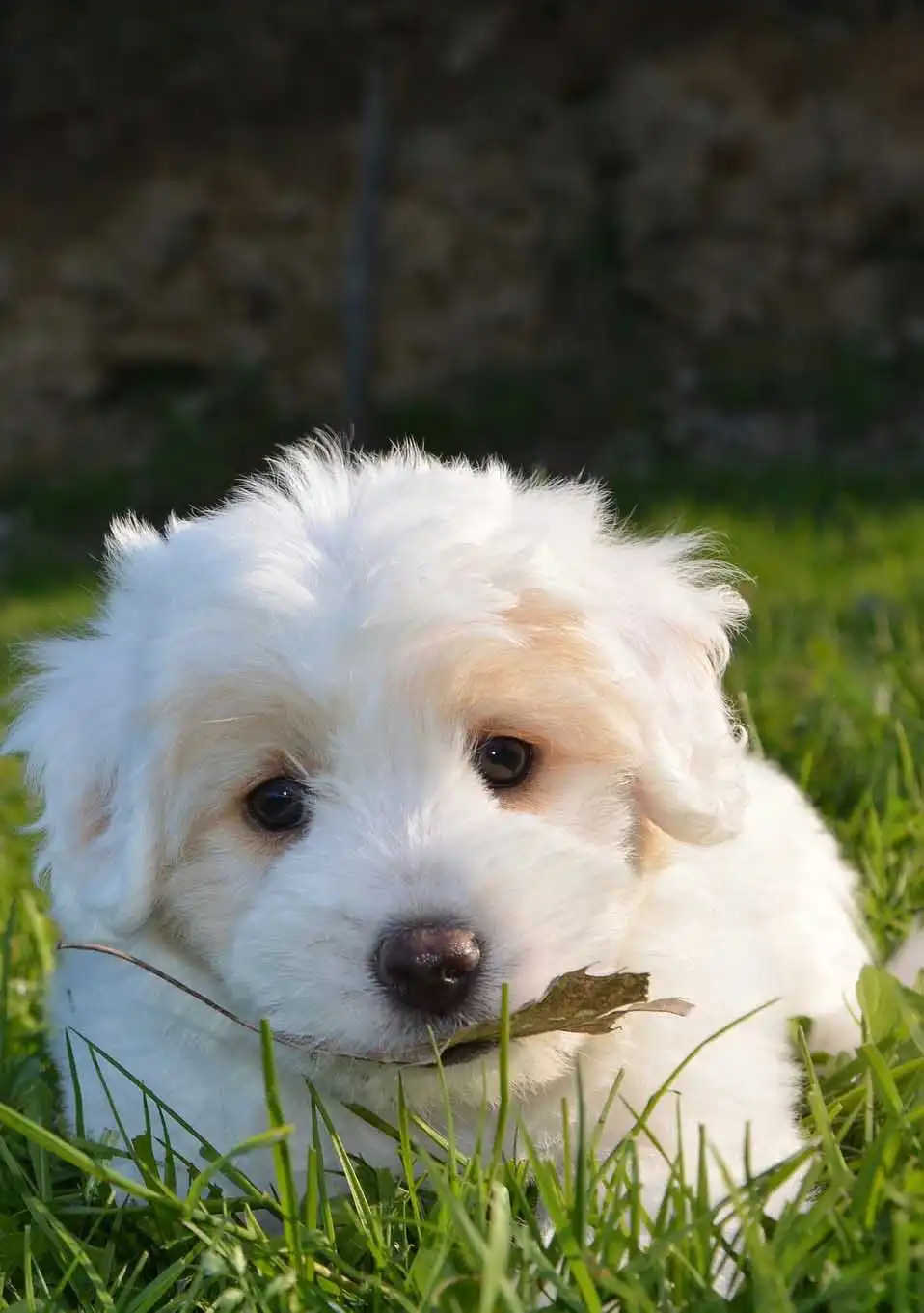
These delightful dogs are known for their soft, cotton-like white fur. Typically, their coats are long and thick, primarily a pure white, although they may occasionally exhibit faint hints of light gray or red roan, especially around the ears. As puppies, Coton de Tulears can be completely white or have spots on their heads, bodies, and ears in colors like rusty red, brown, gray, yellow, or black. As they mature, these markings often fade or change to lighter shades of gray or champagne. With a sturdy yet compact build, they wear a joyful expression that reflects their charming personality. Their eyes are dark and round, and their bodies are slightly longer than they are tall. The back of the Coton de Tulear has a gentle arch over the loin, and their tail is carried low with a subtle upward curve at the tip.
Care Routine
The Coton de Tulear is a small, affectionate breed that flourishes in a cozy indoor setting where they feel secure and loved by their family. Their petite stature and sociable demeanor make them perfect companions for those residing in apartments or smaller living spaces, though they can easily adapt to any nurturing environment. Given their curious nature, it's wise for homes with outdoor access to have a fenced yard to ensure their safety. While some owners may encounter difficulties with house training, these clever dogs can quickly grasp the concept with regular outdoor outings, a consistent schedule, and positive reinforcement when they eliminate in the right spot. Crate training can also be an effective strategy for addressing potty training challenges. Coton de Tulears are eager to please their families, and with the right encouragement, they can master a range of commands and tricks. They enjoy playtime and physical activity but do not require extensive exercise, easily matching their owner's energy levels. These dogs often find joy in obedience and agility training. To keep their fluffy, knot-free coat in good condition, it’s advisable to brush them with an uncoated metal pin brush two to three times a week. A fine-toothed comb can be used on their face to maintain a neat appearance. If their hair obstructs their vision, you can style it into a charming top knot using a comb and hair elastic. Regular trimming around the face can also help minimize grooming needs. Pay particular attention to brushing behind the ears, elbows, and legs. While optional, using a spray conditioner during grooming can help prevent hair breakage. More frequent grooming sessions can reduce the frequency of baths; however, if they become dirty, a bath may be necessary every month or even every week or two. Whitening shampoos can help maintain their bright white coat, and using a blow dryer while brushing will enhance their fluffy, cotton-like texture. When drying them, gently pat with a towel instead of rubbing, as this can lead to tangles in their fur. As they near 15 months, additional grooming will be necessary as their adult coat comes in. Like all dogs, Coton de Tulears require regular dental and nail care. Ideally, their teeth should be brushed two to three times a week, with daily brushing being the best practice. Nail trimming should be performed as needed, typically once or twice a month.
Behavior & Temperament
These delightful and stylish dogs flourish in a family environment, forming strong bonds with their owners. The Coton de Tulear is known for its deep emotional connections and prefers not to be left alone, as extended periods of solitude can result in excessive barking and destructive tendencies. While they thrive on human interaction, they generally get along well with other pets, and having a companion animal can greatly improve their overall happiness if they are often left alone. These dogs are intelligent and eager to learn, responding positively to praise and treats as rewards for good behavior. Although they are not typically excessive barkers, they may occasionally yap if something captures their attention. They are usually sociable with strangers, readily sharing their affection with anyone who shows them kindness. Female Coton de Tulears often exhibit more dominant and independent traits than males. Like all dogs, early exposure to a variety of people, environments, and experiences is crucial for their social development, helping them become friendly and well-adjusted in different situations. They generally get along well with children, as long as the children treat them kindly. Coton de Tulears particularly enjoy playing with older kids who understand how to interact gently, but they may be hesitant around younger children who might unintentionally be rough. It’s essential to teach children the proper way to approach and play with dogs, ensuring they avoid pulling on tails, ears, or legs.
Play & Exercise
Things to Know
Cups Per Day
0.7 Cups
Daily Activity
30 Minutes
Average Lifespan
15 Years
Origin
1600s
Type
Pure Breeds
Size
Small
Origin Country
Madagascar
Brush Frequency
Weekly
Coat Texture
Straight
Register
Your kids have been begging for a pet forever, and you've recently decided that it's time for your family to get a new addition -- a dog! While everyone is excited for the new arrival, you're wondering if you need to have a dog license. How much does it cost? Is it required? Where do you get one?
Member Clubs

PETINNATE
Companion Dog

AKC
Non-Sporting Group

UKC
Companion Dog
Height & Weight
Weight
10 lbs (5 kg)Male: 11 lbs (5 kg) , Female: 10 lbs (5 kg)
Height
10 inches (25 sm)Male: 11 inches (28 sm) , Female: 10 inches (25 sm)
6 Months
5 lbs ( m 5 lbs, f 5 lbs )
5 inches ( m 5 inches, f 5 inches )
12 Months
9 lbs ( m 9 lbs, f 9 lbs )
9 inches ( m 9 inches, f 9 inches )
18 Months
9 lbs ( m 9 lbs, f 9 lbs )
9 inches ( m 9 inches, f 9 inches )
Eye Colors
Brown

Nose Colors
Black
Coat Colors
White
Gray
Red
Characteristics
Mixes

Coton Tzu
The Coton Tzu is a small breed, usually weighing no more than 16 pounds. They are available in a range of colors, such as white, black, cream, brindle, brown, and gold, often showcasing a blend of these hues. Their coats tend to be medium to long, featuring a soft and fluffy texture. Grooming a Coton Tzu is fairly straightforward; they need regular brushing and occasional haircuts to maintain their appearance. These dogs make wonderful family pets and are especially gentle with children. Although they may present some challenges in training, requiring a patient and consistent approach from their owners, they are energetic and playful, which means they need regular exercise to stay healthy and active.
Read more
Lhasa-Coton
The Lhasa Coton is a charming hybrid created by crossing the Coton de Tulear with the Lhasa Apso. Both parent breeds fall into the toy category, which means this mix usually stays small, weighing about 10 pounds and standing around 11 inches tall. They feature a long, thick coat that is straight and comes in various colors and patterns. Lhasa Cotons are known for their spirited and courageous personalities; they are loving towards humans and generally get along well with other animals. However, it's crucial to keep an eye on them when they are around young children, as they might become defensive if they feel threatened. Training this breed can take some time and patience, so be prepared to dedicate extra effort to their learning process.
Read more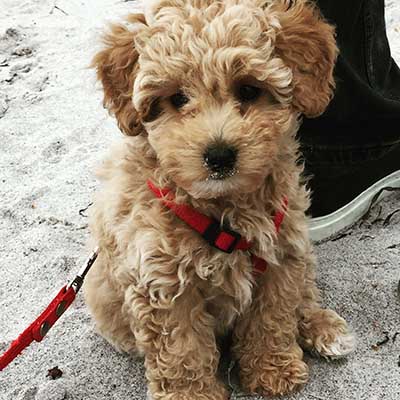
Poo-Ton
The Poo-Ton is an enchanting mix, born from the combination of a purebred Coton de Tulear and a purebred toy or miniature Poodle. Commonly referred to as a Doodle-Ton, Cotondoodle, or Cotonpoo, these small dogs are full of vitality and make excellent family pets. They are celebrated for their loving disposition and thrive on the affection of their owners. Friendly with children and other animals alike, they also act as surprisingly effective watchdogs despite their small stature. Their coats come in a range of colors, such as apricot, lemon, white, black, grey, brown, and sable, and typically vary from medium to long, featuring either wavy or curly textures. Moreover, these delightful dogs are often deemed hypoallergenic, making them a great option for allergy sufferers. Although they shed minimally, regular grooming is necessary to prevent tangles, along with occasional trims to maintain their coat's health.
Read more