Schipperke
Spitske
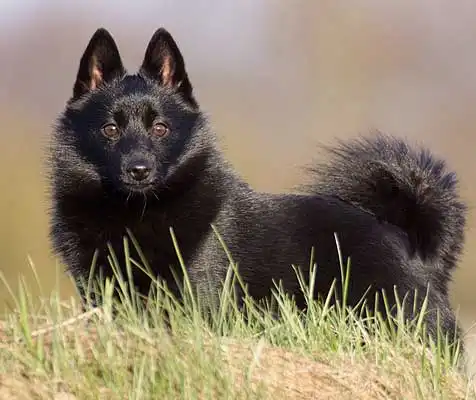
These small dogs exhibit a notable sense of independence, which can make them less ideal for first-time dog owners. Often referred to as "little black devils" or LBDs due to their curious and intelligent nature, Schipperkes are both courageous and devoted, acting as vigilant guardians for their families. They are versatile in their living situations, thriving on boats, farms, or in apartments, as long as they receive sufficient exercise and have neighbors who are either understanding or less sensitive to their barking. With a high energy level, these dogs need daily physical activity, and having a secure yard for them to play in is highly beneficial. The LBD is known for being a low shedder, with only two shedding seasons each year, and they typically require just occasional brushing instead of frequent baths. These dogs are affectionate towards children and can make wonderful family pets, particularly when raised under strong leadership and with proper training from a young age. They usually get along well with cats and visiting dogs. However, one minor drawback is their tendency to bark; they enjoy vocalizing and may do so for fun, not just as a means of alerting. While they flourish in rural environments, they can also adjust to city life if trained to control their barking, although this can prove to be a challenging endeavor.
Breed Origin
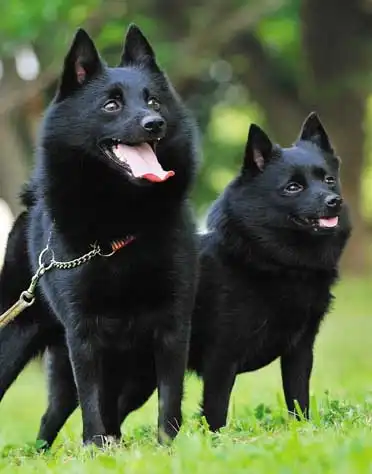
The Schipperke is believed to have originated from the Leauvenaar, commonly known as the Black Sheepdog, in Belgium. Initially bred to act as a watchdog on boats traversing the canals between Brussels and Antwerp, this breed gained prominence by participating in one of the earliest specialty dog shows in 1690. During this event, members of the Shoemakers Guild presented their Schipperkes, elegantly adorned with hammered brass collars, at the Grand Palace of Brussels. Initially called the Spitske or Spits dog, the breed adopted the name Schipperke when a breed club was formed in 1888. This name translates to "little shepherd" or "little captain," highlighting their versatility in both rural environments and on boats. Their popularity soared after Queen Marie Henriette noticed one at the Brussels dog show in 1885. Following this exposure, the breed made its way to the United States in 1888. The first specialty club for Schipperkes in the U.S. was established in 1905, and the official Schipperke Club of America was founded in 1929. Today, these delightful little dogs, often affectionately called "little black devils," are beloved for their playful nature and loyalty, demonstrating impressive adaptability and versatility.
Breed Appearance
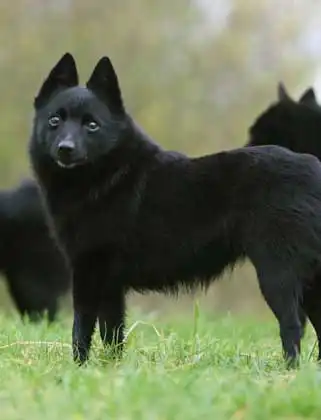
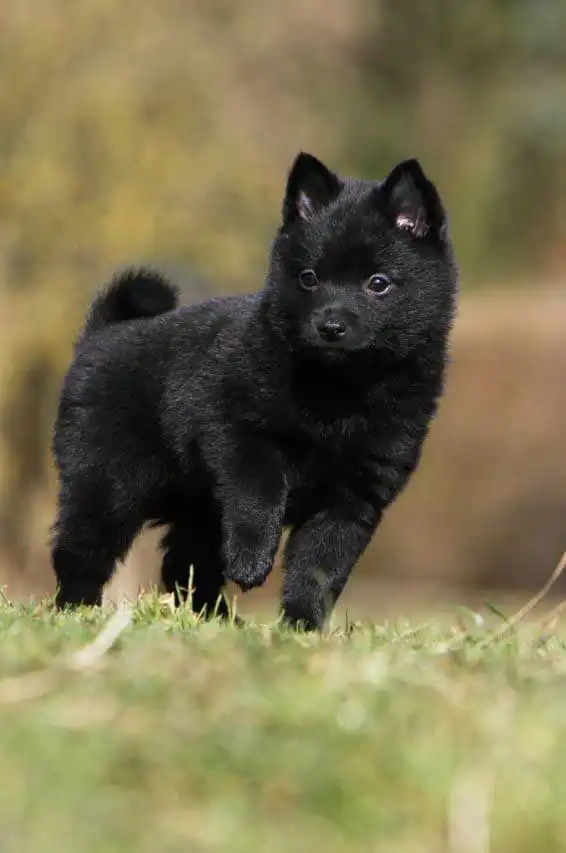
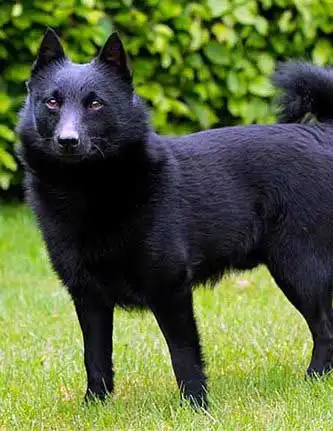
The Schipperke is a small dog that embodies the essence of a much larger breed. Renowned for their courage, they make outstanding guardians of both home and family. With a fox-like look, they display a playful yet watchful attitude. Their physique is square, and when seen from the side, the skull has a slight roundness that narrows toward a shorter muzzle. Their dark, oval eyes are set forward on the face, and they are topped with high, pointed ears that stand erect. These dogs have a small black nose, and their teeth meet in either a scissors or level bite. The Schipperke boasts a broad chest and a back that gently slopes toward the rear. While many are born without tails, those that do have them often undergo docking at the base, a practice that is banned in Europe. Their impressive double coat is thick and varies in length: it is short on the face, ears, and front legs, medium on the body, and longer around the neck, shoulders, and hindquarters. Although the AKC recognizes only solid black as an official color, they can also be found in various shades of fawn or tan. Full of energy and spirit, these dogs are not the best choice for inexperienced owners, as they can be quite headstrong and need a confident leader to gain their trust.
Care Routine
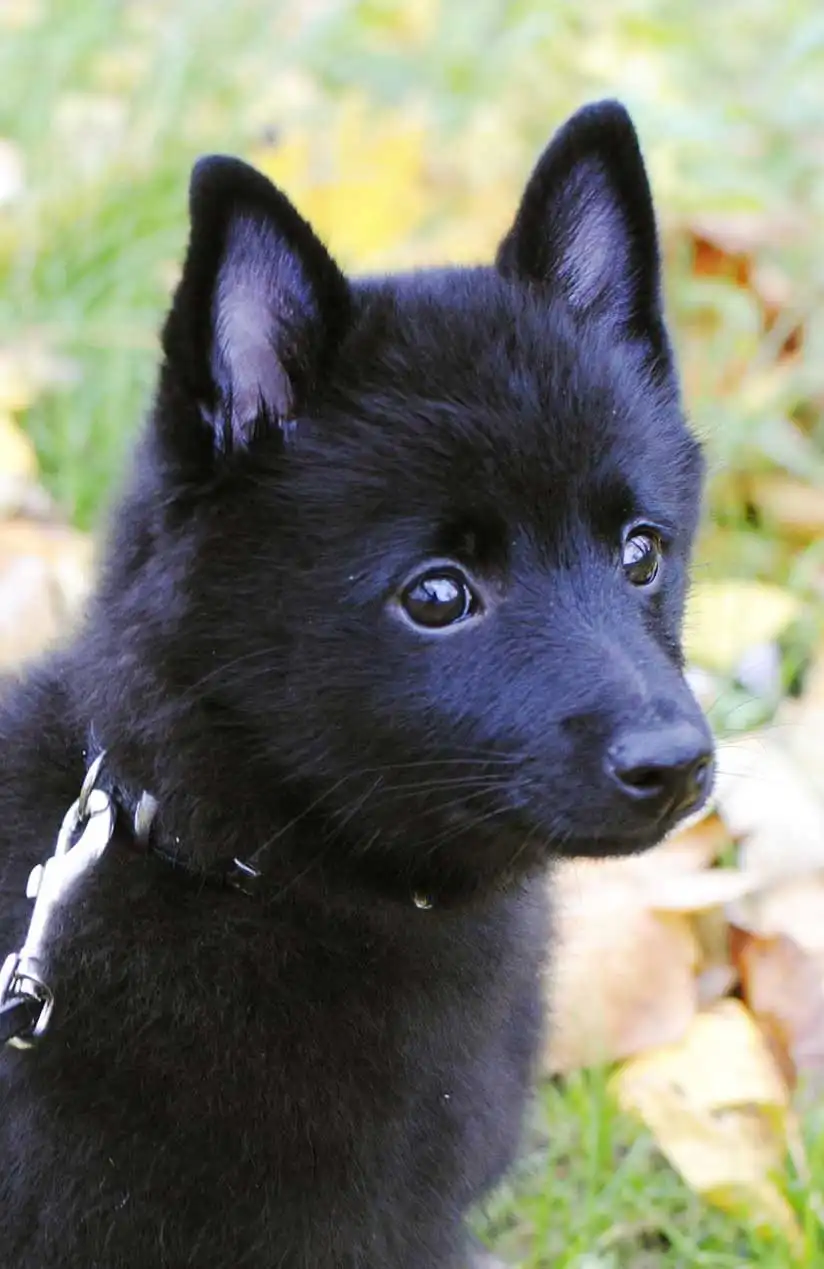
The Schipperke is a clean breed known for its low odor. Bathing is only required if they encounter something unpleasant. Regular brushing is essential to prevent loose hair from accumulating in your home. During shedding season, which typically lasts about a month, a warm bath can help loosen dead fur, making it easier to brush out. Grooming also includes maintaining their dental hygiene and trimming their nails. It’s advantageous to introduce your young Schipperke to tooth brushing and nail clipping early on, as this will simplify their care as they grow. Since dogs can be sensitive about their paws, getting them accustomed to this routine will also make vet visits less stressful. For this lively breed, transforming grooming into a positive experience will make it much easier in the long run. Schipperkes are full of energy and need daily exercise and playtime to burn off their excess energy. Their natural curiosity keeps them constantly on the move. When walking them, a leash is crucial, as they are incredibly fast and tend to chase after anything that moves, often ignoring your calls.
Behavior & Temperament
The Schipperke is a lively breed that requires plenty of physical activity and mental stimulation to channel their abundant energy. Without sufficient engagement, they may develop destructive habits or bark excessively. This breed is often wary of strangers, making early socialization vital. By exposing them to a variety of people and animals during their early development, Schipperkes can cultivate a more sociable and friendly personality, rather than becoming timid and difficult to handle. Additionally, Schipperkes have a strong prey drive and are remarkably fast, so it’s crucial to keep them on a leash during walks to prevent them from chasing after small animals. Although they possess a determined spirit that can complicate training, it’s important for them to recognize their position within the family structure. Gentle, positive reinforcement is the most effective training approach, as harsh methods can backfire. Given their propensity to escape, proper handling is essential to prevent them from running off. They flourish under the guidance of a respected owner who can establish themselves as a confident leader. Schipperkes make wonderful companions for children and enjoy being involved in family activities and games.
Play & Exercise
Things to Know
Cups Per Day
0.8 Cups
Daily Activity
45 Minutes
Average Lifespan
14 Years
Origin
1600s
Type
Pure Breeds
Size
Small
Origin Country
Belgium
Brush Frequency
Weekly
Coat Texture
Straight
Register
Your kids have been begging for a pet forever, and you've recently decided that it's time for your family to get a new addition -- a dog! While everyone is excited for the new arrival, you're wondering if you need to have a dog license. How much does it cost? Is it required? Where do you get one?
Member Clubs

PETINNATE
Companion Dog

AKC
Non-Sporting Group

UKC
Companion Dog
Height & Weight
Weight
14 lbs (6 kg)Male: 14 lbs (6 kg) , Female: 13 lbs (6 kg)
Height
12 inches (30 sm)Male: 12 inches (30 sm) , Female: 11 inches (28 sm)
6 Months
7 lbs ( m 7 lbs, f 7 lbs )
6 inches ( m 6 inches, f 6 inches )
12 Months
10 lbs ( m 10 lbs, f 10 lbs )
11 inches ( m 11 inches, f 11 inches )
18 Months
13 lbs ( m 13 lbs, f 13 lbs )
11 inches ( m 11 inches, f 11 inches )
Eye Colors
Brown

Nose Colors
Black
Coat Colors
Black
Cream
Brown
Blue
Characteristics
Mixes
Corgi Schip
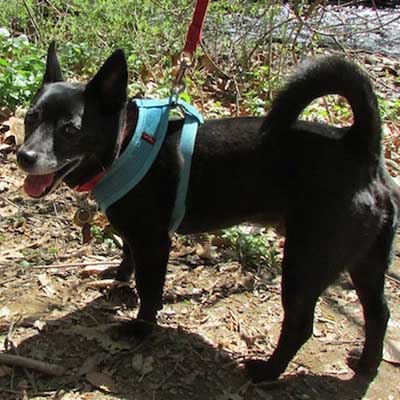
The Corgi Schip is a charming mix of two small breeds: the Schipperke and the Welsh Corgi. Within the Welsh Corgi family, there are two separate varieties: the Pembroke and the Cardigan, both acknowledged as distinct breeds. Each parent breed is celebrated for its compact size and protective instincts towards their families. The Schipperke was initially bred for hunting pests and acting as a watchful guardian, while the Welsh Corgi was designed for herding cattle and serving as a farm companion. Both breeds share a high level of intelligence, a trait that the Corgi Schip inherits. Additionally, the Schipperke adds a sense of independence and a love for adventure to this hybrid. The Corgi Schip is officially recognized by the Dog Registry of America, Inc.
Read more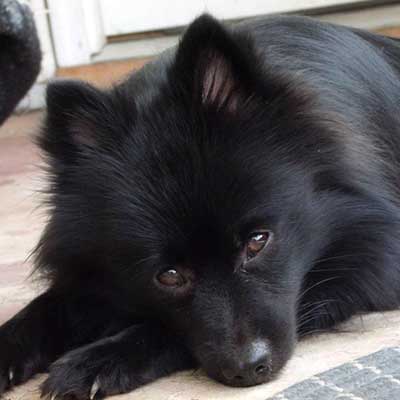
Schip-A-Pom
The Schip-A-Pom, commonly known as the Pomerke, is a meticulously bred designer dog that emerges from the combination of two spirited and inquisitive breeds: the Schipperke and the Pomeranian. These hybrids are celebrated for their energetic and friendly nature, making them excellent companions for adults and older children. However, they might not be the best fit for families with young children, as they can be sensitive to teasing and roughhousing. Grooming these dogs often requires more effort compared to many other breeds. Although they are highly intelligent, training them can sometimes be challenging; they may display stubbornness, distraction, or even manipulative tendencies when they are not motivated to learn.
Read more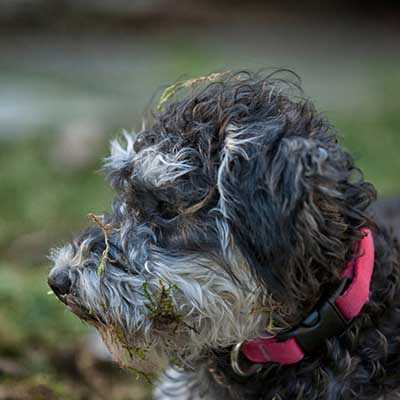
Schipper-Poo
The Schipper-Poo is an endearing small breed resulting from the cross between a Poodle and a Schipperke. This hybrid is celebrated for its loving and playful demeanor, full of vitality but lacking any aggressive tendencies. Typically, a Schipper-Poo boasts a striking black coat with short, soft fur that can vary from smooth to slightly wavy, complemented by its characteristic pointy ears. These dogs thrive on human interaction and affection, and their intelligence generally makes them easy to train. However, due to the Schipperke's often strong-willed nature, the Schipper-Poo may inherit some of this stubbornness, which can lead to potential training difficulties.
Read more