Northern Breed Group Breeds
This page features Northern Breed group breeds, offering detailed information for anyone interested in learning about these dogs. Each breed profile includes key traits such as temperament, size, energy level, and general care needs.
The Northern Breeds were essential to the survival of Arctic people. These versatile dogs pulled sleds, herded livestock, hunted, and provided companionship in the harsh climate of the north. All but one of the Northern Breeds are Spitz types, ancient breeds whose small pricked ears, wedge-shaped heads and heavy coats reflect the heritage of their wolf ancestors. Only the Chinook, a breed of more recent origin than the Spitz breeds, is more Mastiff-like in appearance with a broad head and a shorter coat, tawny in color.
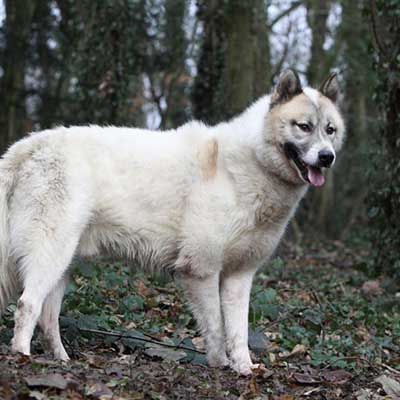
Greenland Dog
The Greenland dog, one of the rarest and oldest breeds in North America, embodies a timeless essence marked by an unquenchable thirst for both work and play. Outside its homeland of Greenland, this breed is rarely seen due to its isolation, thick fur, and unwavering temperament, which render it ill-equipped for climates that differ from its natural surroundings. With an exceptionally dense double coat, these dogs flourish in extreme cold, withstanding temperatures as low as -75°F, and their furry, upright ears are remarkably resistant to frostbite. While they are known for their affectionate and generally sociable nature, they require an experienced and consistently assertive owner to effectively manage their behavior, even after extensive training. Bred for high energy and labor, Greenland dogs possess an innate drive to work. Their impressive stamina and sturdy build make them excellent candidates for sledding. Historically, they have also been utilized in hunting polar bears and seals, thanks to their acute sense of smell, refined hunting instincts, and remarkable mental and physical endurance. Despite their impressive capabilities and well-rounded personalities, they do not thrive in confined spaces, environments that lack adequate exercise, or without a strong leader to guide them.
Read more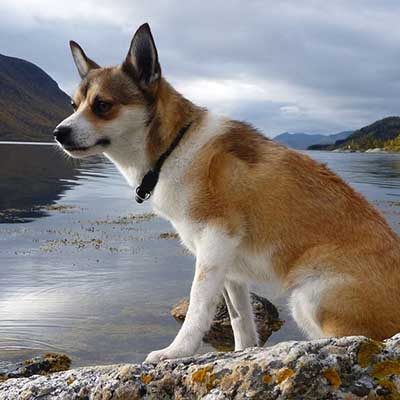
Lundehund
The Norwegian Lundehund is a truly distinctive breed. Each paw is equipped with six toes, and the toes on his front legs may be double or even triple-jointed. His legs are uniquely positioned at a 90-degree angle, and his head can bend back almost to touch his spine. Furthermore, he can fold his ears both forward and backward, enabling him to close them. This extraordinary flexibility poses a challenge when it comes to keeping him contained. In addition to his unusual physical traits, the Lundehund is full of energy, making him more suitable for an experienced dog owner.
Read more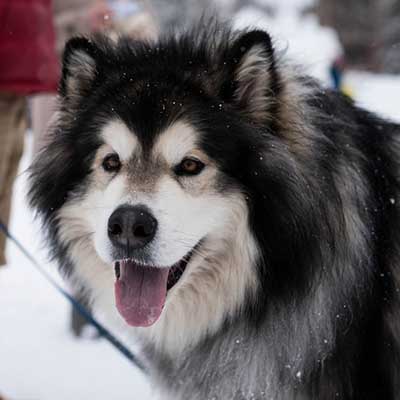
Alaskan Malamute
The Alaskan Malamute, known as the largest sled dog in the Arctic, gets its name from both its geographical roots and the Mahlemut tribe it is linked to. This ancient breed has a history that dates back around 4,000 years, originating with the Inuit people of Alaska. Originally bred to hunt large game such as polar bears and seals, Malamutes are now mainly used for sled pulling and as cherished pets. They generally maintain good health, with an average lifespan of about 12 years, although they may be susceptible to certain genetic conditions like hip dysplasia and cataracts. Their unique double coat allows them to thrive in cold and wet conditions, and they actually prefer cooler climates. Alaskan Malamutes are typically striking in appearance, often showcasing a white base adorned with shades of gray, red, or black. While they bear a resemblance to wolves, their expressions are characteristically softer.
Read more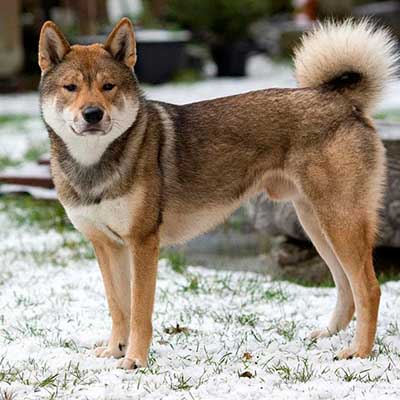
Shikoku
The Shikoku is a classic spitz breed recognized for its cautious demeanor around strangers. This dog possesses a brave and loyal disposition, making it a fierce guardian of its family. To thrive, the Shikoku needs a confident owner who can clearly define its place within the home. Early training and socialization are essential for shaping the Shikoku into a well-rounded adult. Without adequate social exposure, it may display heightened aggression towards other dogs and people. Furthermore, due to its strong instinct to chase, the Shikoku might not be the best fit for families with young children or other pets, although it generally gets along well with older kids it has been raised alongside.
Read more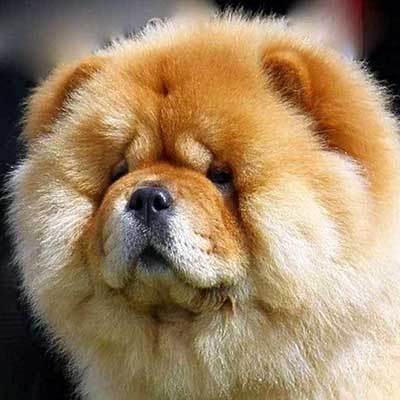
Chow Chow
One of the most notable features of the Chow Chow is its distinctive blue-black tongue. This breed is also recognized for its unique, stilted walking style and the lion-like "mane" that frames its neck. As a member of the Spitz family, the Chow Chow is thought to have originated in the cold northern regions of China. Throughout history, it has fulfilled various roles such as hunting, herding, pulling carts, and guarding homes. This medium-sized dog is characterized by its broad head and deep muzzle, along with small, triangular ears that perch on its double-coated neck. Chows are available in a range of colors, including red, black, blue, cinnamon, and cream.
Read more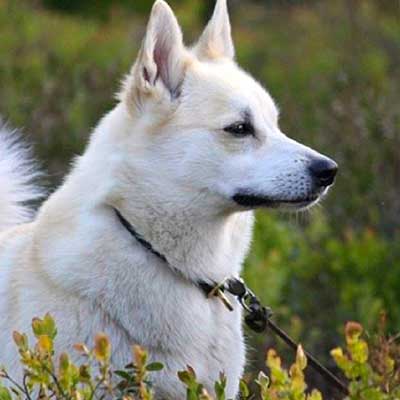
Norwegian Buhund
The Norwegian Buhund, pronounced nor-WEE-juhn BOO-hund, is a historic spitz breed with roots dating back to the Viking age. This adaptable herding dog was mainly responsible for safeguarding young livestock from birds of prey. Renowned for its keen alertness, the Buhund enjoys being the center of attention. These dogs are typically quite vocal, communicating not only through barking but also with a range of sounds including yips, chortles, yodels, and trills. As a breed full of energy, the Buhund needs plenty of exercise to remain happy. To prevent boredom, it’s essential to introduce a variety of activities during play and training sessions to keep them engaged.
Read more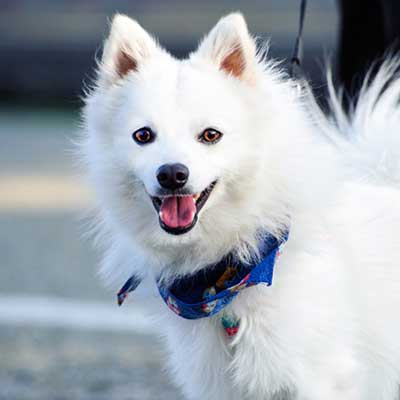
Japanese Spitz
The Japanese Spitz is a relatively new breed that hails from Japan, distinguished by its compact size and spirited nature. These dogs are celebrated for their intelligence and friendly disposition, although they can sometimes show a propensity to pursue smaller animals. While the American Kennel Club has not yet granted official recognition to this breed, it is acknowledged by several other kennel organizations globally, including the Japanese Kennel Club, the United Kennel Club, and the American Rare Breeds Association. In the U.S., the popularity of these striking all-white dogs is on the rise, and the Japanese Spitz Club of the USA is actively striving to secure formal recognition from the American Kennel Club.
Read more