Sighthound and Pariah Dog Group Breeds
This page features Sighthound and Pariah Dog group breeds, offering detailed information for anyone interested in learning about these dogs. Each breed profile includes key traits such as temperament, size, energy level, and general care needs.
This group is divided into two types: Pariah Dogs and Sighthounds. Pariah Dogs Pariah Dogs comprise some of the oldest breeds known to man. These breeds represent the first stage in the evolution of dogs from wild creatures to domestic animals. Pariah Dogs evolved primarily in the southern hemisphere where a limited food supply drove them to a closer association with people. These breeds lived on the outskirts of human settlements, scavenging and occasionally interacting with humans. In response to the warm climate, the Pariah Dogs developed short, smooth coats and large, erect ears. These breeds are believed to be the ancestors of the Sighthounds. Sighthounds In the treeless deserts of North Africa, hunting was accomplished by sighting the prey and chasing it on horseback. As hunting evolved from a necessity to a leisure pastime, dogs became an integral part of the sport. The Sighthounds were bred with light bone and deep chests, enabling them to run swiftly for longer periods of time. Long heads evolved to minimize wind resistance and enable the dog to withstand higher temperatures. Early sea traders carried these Sighthounds to all corners of the known world where their remarkable hunting abilities and exceptional beauty made them valuable commodities.
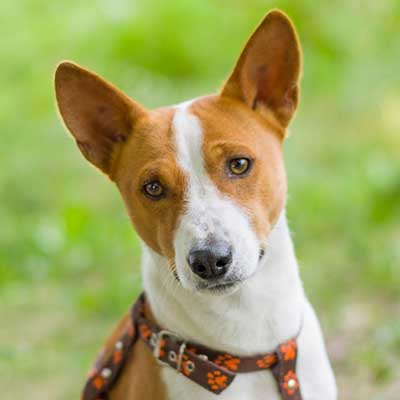
Basenji
The Basenji is a lively and energetic breed, distinguished by its remarkable lack of a barking sound. This breed is thought to originate from Africa, where it was highly regarded in ancient Egypt. During that time, Basenjis were gifted to pharaohs as symbols of loyalty and respect. Known for their exceptional hunting skills, these dogs were adept at capturing rats and other small pests, while also being devoted companions. The Basenji boasts a sleek, short coat and unique upright ears, complemented by a wrinkled forehead that gives it a constantly worried look. Its temperament is often compared to that of a cat, reflecting a strong independence and a meticulous nature. Furthermore, the Basenji is celebrated for its intelligence and curiosity. Caring for this breed is relatively easy; a simple weekly brushing with a curry brush is enough to control shedding, thanks to its short fur.
Read more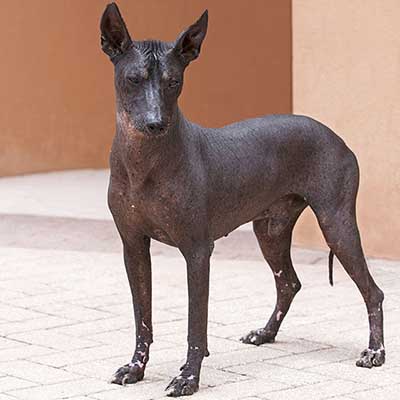
Peruvian Inca Orchid
The Peruvian Inca Orchid features an elegant form and comes in two unique coat varieties: hairless and powderpuff. The hairless version is more prone to health issues than the powderpuff, making it susceptible to sunburn and frostbite. Regardless of the coat type, this breed is recognized for its intelligence and loving disposition, thriving in human companionship. Due to its sensitive nature, it is best suited for families with older children. The Peruvian Inca Orchid requires only moderate physical activity and can excel in various canine sports, such as obedience, rally, and agility. It is crucial for this breed to reside indoors and have access to soft, cushioned bedding to protect its fragile skin and lightweight frame.
Read more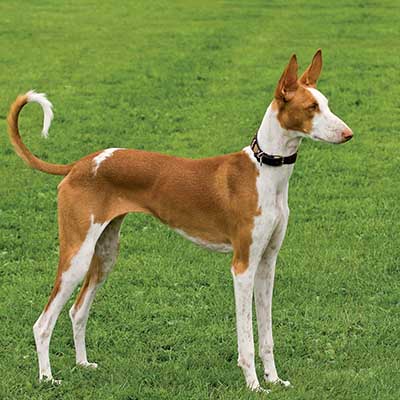
Ibizan Hound
The Ibizan Hound carries an air of elegance and dignity, yet underneath that refined facade lies a playful and slightly silly disposition. This breed is notorious for its playful mischief, frequently snatching food whenever it gets the chance and eagerly chasing after any small creature that crosses its path. As a result, households with small pets such as rabbits, hamsters, or birds may not be the best fit for an Ibizan Hound. With impressive agility, this dog can effortlessly clear a five-foot fence, highlighting its athletic prowess. To keep this breed happy, it needs significant attention and daily exercise—ideally around 20 to 30 minutes on a leash. Additionally, it thrives with plenty of time to run in a securely fenced yard. While the Ibizan Hound may be somewhat reserved with strangers, early socialization is essential for its growth. Although it enjoys being around children, it is more compatible with older kids, as its lively nature might be too much for younger ones. Enthusiasts of this breed often endearingly call it a "Beezer."
Read more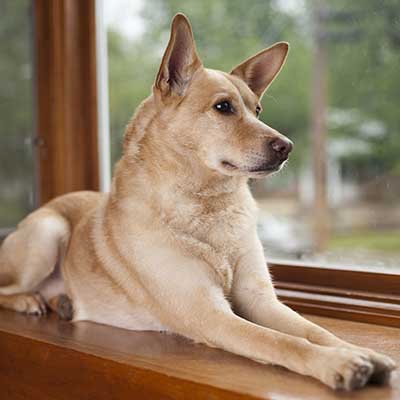
Carolina Dog
The Carolina Dog is a medium-sized breed known for its primitive traits, which have been preserved due to its rarity. In contrast to many domesticated breeds that often face health problems from overbreeding, the Carolina Dog is generally healthier. This breed is mainly located in the southern United States and is relatively unknown to people outside this region. While he usually gets along well with children, he flourishes in a home with a firm leader, as this helps him recognize his role within the family. Furthermore, he tends to be cautious around unfamiliar faces.
Read more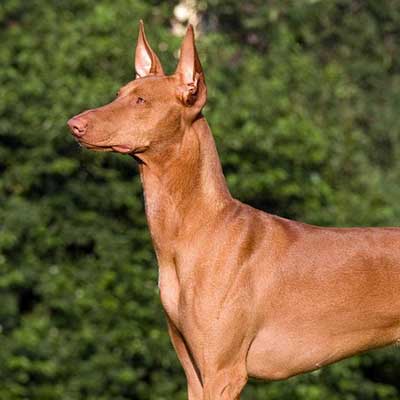
Pharaoh Hound
The Pharaoh Hound, recognized for its reserved yet spirited personality, has origins dating back to around 3000 B.C. While it has traditionally been thought to originate from Ancient Egypt, recent genetic research suggests that its true beginnings are in Malta. Ancient Egyptian hieroglyphics provide evidence of the Pharaoh Hound's long-standing presence, indicating that this breed has existed for millennia. With a strong and athletic physique, the Pharaoh Hound exhibits a graceful and elegant movement. Initially bred for hunting small game, it utilizes its sharp senses of sight, sound, and smell. This breed boasts an exotic and noble appearance, brimming with energy and a love for playful pursuits. The Pharaoh Hound shines in agility and lure coursing, demonstrating its remarkable athletic abilities. Grooming is simple due to its short, glossy coat, which only requires weekly brushing to manage shedding. For optimal well-being, the Pharaoh Hound thrives in an environment that meets its exercise needs.
Read more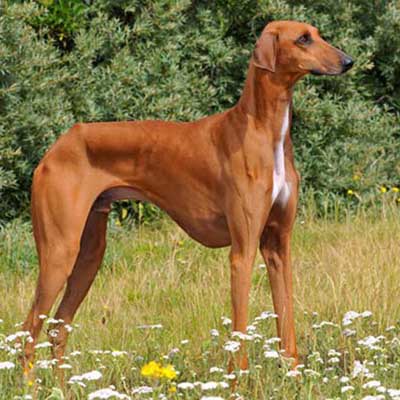
Azawakh
Originating from the West African regions of Burkina Faso, Mali, and Niger, the Azawakh, often called the Tuareg Sloughi, is a sighthound that was originally developed by the Tuareg people for hunting various game, including hares, antelopes, and wild boars. Renowned for its elegance and stature, the Azawakh is not only a cherished companion but also exhibits strong loyalty and protective instincts towards its owners. This breed comes in a range of color patterns, such as red, sandy, fawn, parti-color, blue, black, and brown. While it thrives in environments without young children, the Azawakh is particularly adept at serving as a guardian. Its unique head is characterized by a black mask, accented with white markings on its legs, chest, and the tip of its tail.
Read more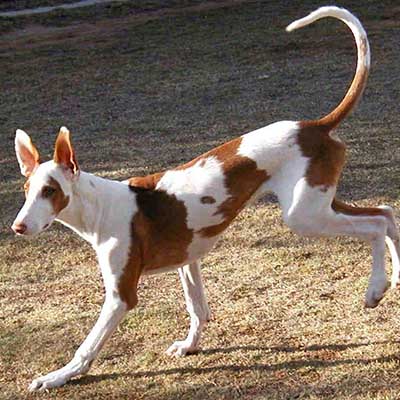
Podenco Canario
The Podenco Canario is a unique and elegant breed, thought to have origins linked to ancient Egyptian dogs. Although there is some evidence to support this connection, the breed itself was established in the Canary Islands approximately 500 years ago. Renowned for their calm nature, Podenco Canarios rarely bark and are incredibly loving, often forming deep attachments to their families. They are gentle companions for children during play, but may react unfavorably to rough play, occasionally responding with a quick nip. It is important to teach children how to engage with this breed in a respectful and gentle manner. Highly energetic, intelligent, and agile, the Podenco Canario excels as a hunter with a strong instinct to chase, which necessitates caution in homes with small pets. Traditionally, these dogs have been used for hunting rabbits and continue to fulfill this role in their homeland of the Canary Islands. Due to their independent streak, they are not the best choice for inexperienced owners; they need a handler who can offer both gentle and firm direction. This graceful breed flourishes in spacious settings where they can fully utilize their abundant energy and stamina.
Read more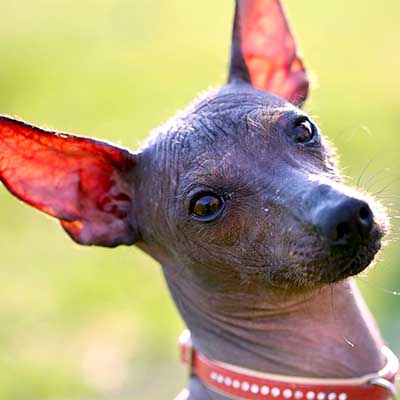
Xoloitzcuintli
The Xoloitzcuintli, commonly known as the Mexican Hairless Dog, boasts a rich history that dates back long before Christopher Columbus arrived in the Americas. This adaptable breed has fulfilled various roles throughout its existence, serving not only as a food source and in sacrificial ceremonies but also as a companion, hunting aide, guard dog, and even a provider of medicinal properties. Hailing from Central America, especially Mexico, the Xoloitzcuintli is represented in artifacts discovered in the burial sites of the Aztec, Maya, and Colima cultures. This breed is available in three distinct sizes: standard, miniature, and toy. Notably, despite its prevalent name, there are also coated versions of this breed, which are simply called "Xolos."
Read more