Azawakh
Tuareg Sloughi
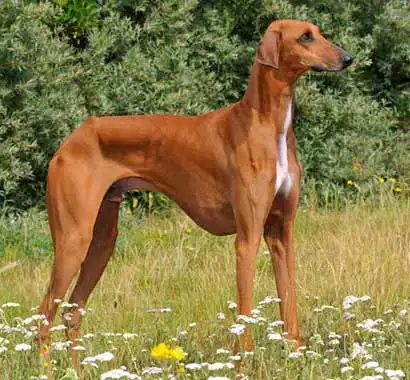
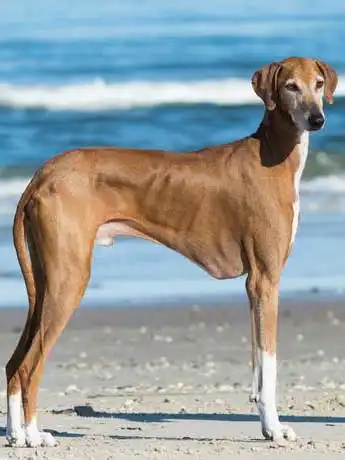
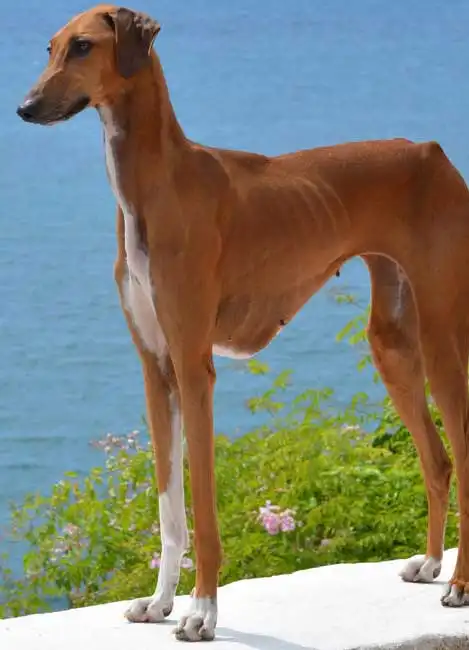
Originating from the West African regions of Burkina Faso, Mali, and Niger, the Azawakh, often called the Tuareg Sloughi, is a sighthound that was originally developed by the Tuareg people for hunting various game, including hares, antelopes, and wild boars. Renowned for its elegance and stature, the Azawakh is not only a cherished companion but also exhibits strong loyalty and protective instincts towards its owners. This breed comes in a range of color patterns, such as red, sandy, fawn, parti-color, blue, black, and brown. While it thrives in environments without young children, the Azawakh is particularly adept at serving as a guardian. Its unique head is characterized by a black mask, accented with white markings on its legs, chest, and the tip of its tail.
Breed Origin
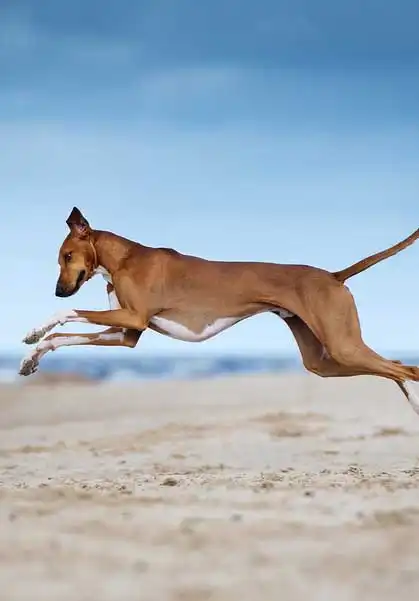
The Azawakh, commonly known as the Tuareg Sloughi, takes its name from the nomadic Tuareg people. This breed is also referred to by various other titles, including Idi n' Illeli, which means "sight hound of the free people" or "noble dog of the free people." Although the exact origins of the Azawakh are somewhat ambiguous, it began to gain recognition in certain areas during the 1970s. It is thought to have developed in the Southern Sahara and Sahel regions of West Africa, particularly around Mali and Niger. Nomadic communities hold the Azawakh in high esteem for its noble characteristics. The breed has evolved through centuries of interbreeding and shares ancestry with the Saluke and Sloughi breeds. Despite its extensive history, our understanding of the Azawakh's temperament and background remains relatively limited. These dogs are cherished as family members and possess a natural instinct to protect against intruders and unfamiliar faces. They are skilled hunters, capable of pursuing game such as hares, antelopes, and wild boars, and are renowned for their impressive speed and endurance, reaching up to 40 mph. Traditionally, they were trained to guard encampments and assist in hunting, but nowadays, they tend to hunt in packs rather than solo. The Azawakh was introduced to the United States in the 1980s, with the first puppies being red and fawn with white markings. While the breed is not yet recognized by the American Kennel Club (AKC), it gained acknowledgment from the United Kennel Club (UKC) in 1993. Although still considered a rarity in the U.S., the Azawakh is slowly but surely increasing in popularity.
Breed Appearance
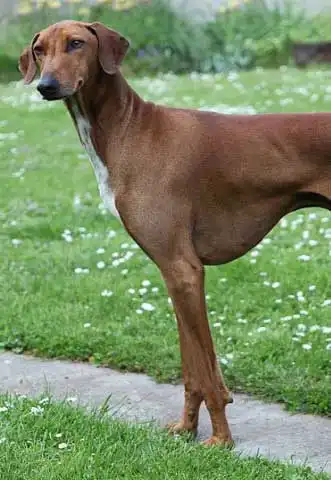
The Azawakh is characterized by a sleek, athletic physique that is evident in its taut skin, which highlights a well-defined skeletal structure and muscular build. While some observers might mistakenly view this breed as underweight, this appearance is actually a reflection of its natural form. The dog's notable height is primarily attributed to its long legs, which are built for speed and require regular exercise to maintain its toned physique. Renowned for its dignified and graceful look, the Azawakh has a body that is taller than it is long, featuring a flat, short back and elongated, slender legs. Its head is marked by a long muzzle, drooping ears, and dark, almond-shaped eyes that exude intelligence through their steady gaze. The coat is short and fine, coming in a range of colors such as black, blue, cream, fawn, gray, red, sandy, and white. The Azawakh moves with a light, agile gait, and its tail is typically held low, arching gracefully over its back. The medium-sized ears are positioned close to the head, enhancing the breed's elegant silhouette.
Care Routine
To maintain the coat of this moderate shedder in optimal condition, it is recommended to brush your dog on a weekly basis to reduce excessive shedding. Utilizing a firm bristle brush or a curry brush will be effective for this purpose. Nail trimming should occur every three to four weeks to keep them at a manageable length. Furthermore, it is essential to inspect and clean your dog's ears weekly to avert infections and eliminate any debris. Daily tooth brushing is advisable to decrease the likelihood of dental problems in your Azawakh. Bathing your dog at least once a month will help regulate oil production in the coat, ensuring it remains vibrant and healthy. The Azawakh is a lively and athletic breed that needs daily walks and additional exercise to maintain its happiness. This breed flourishes in spacious environments that provide ample room for movement. Preferring warm, dry climates, the Azawakh is not well-equipped for cold weather due to its thin skin. A low-protein diet is ideal for this breed, as it has been developed to thrive under such conditions. Many experts recommend adding fruits and vegetables, such as bananas and carrots, to their diet, which can be paired with some wild rice.
Behavior & Temperament
The Azawakh is a breed that tends to be quite reserved, marked by a gentle bark that is rarely heard. This dog is often seen as devoted and affectionate towards its owners, yet it also cherishes its independence. To thrive, an Azawakh needs attention and benefits significantly from early socialization, which is essential for a smooth transition into adulthood. Due to its strong prey drive, this breed may find it difficult to live harmoniously with cats or small dogs. Thus, early socialization is vital, as it can be more challenging to achieve later in life. When outside, it is advisable to keep the Azawakh on a leash to avoid chasing after small animals; allowing it to roam freely is not recommended unless in a securely fenced area. Recognized for its independence and dignity, the Azawakh responds best to positive reinforcement and does not handle punishment well. While it can make a delightful companion, its high energy and tendency to be distant during rough play may not make it the best fit for families with young children. Although it shows affection towards family members, the Azawakh might display reserved or even aggressive behavior towards kids due to its natural territorial instincts. Furthermore, this breed is generally cautious around unfamiliar people, and its reactions can vary significantly based on the circumstances.
Play & Exercise
Things to Know
Cups Per Day
3.0 Cups
Daily Activity
75 Minutes
Average Lifespan
11 Years
Origin
ancient times
Type
Pure Breeds
Size
Medium
Origin Country
Africa
Brush Frequency
Monthly
Coat Texture
Straight
Register
Your kids have been begging for a pet forever, and you've recently decided that it's time for your family to get a new addition -- a dog! While everyone is excited for the new arrival, you're wondering if you need to have a dog license. How much does it cost? Is it required? Where do you get one?
Member Clubs

PETINNATE
Sighthound and Pariah Dog

AKC
Hound Group

UKC
Sighthound and Pariah Dog
Height & Weight
Weight
44 lbs (20 kg)Male: 50 lbs (23 kg) , Female: 39 lbs (18 kg)
Height
27 inches (69 sm)Male: 27 inches (69 sm) , Female: 26 inches (66 sm)
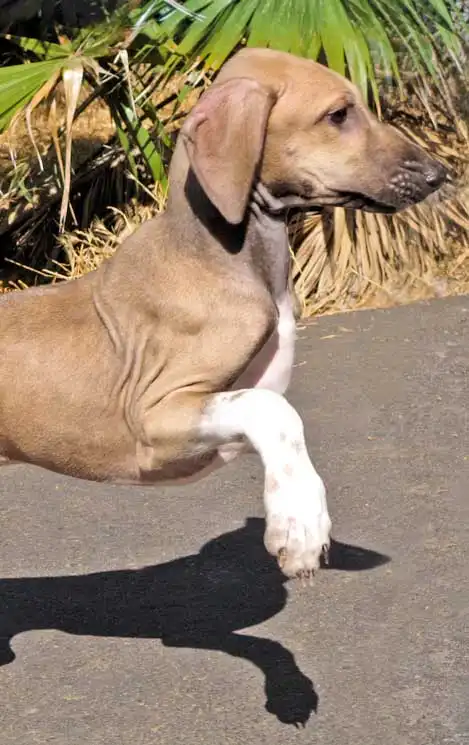
6 Months
19 lbs ( m 19 lbs, f 19 lbs )
13 inches ( m 13 inches, f 13 inches )
12 Months
27 lbs ( m 27 lbs, f 27 lbs )
26 inches ( m 26 inches, f 26 inches )
18 Months
35 lbs ( m 35 lbs, f 35 lbs )
26 inches ( m 26 inches, f 26 inches )
Eye Colors
Brown

Nose Colors
Black
Coat Colors
Black
Brindle
Fawn
Blue