Xoloitzcuintli
Mexican Hairless, Tepeizeuintli
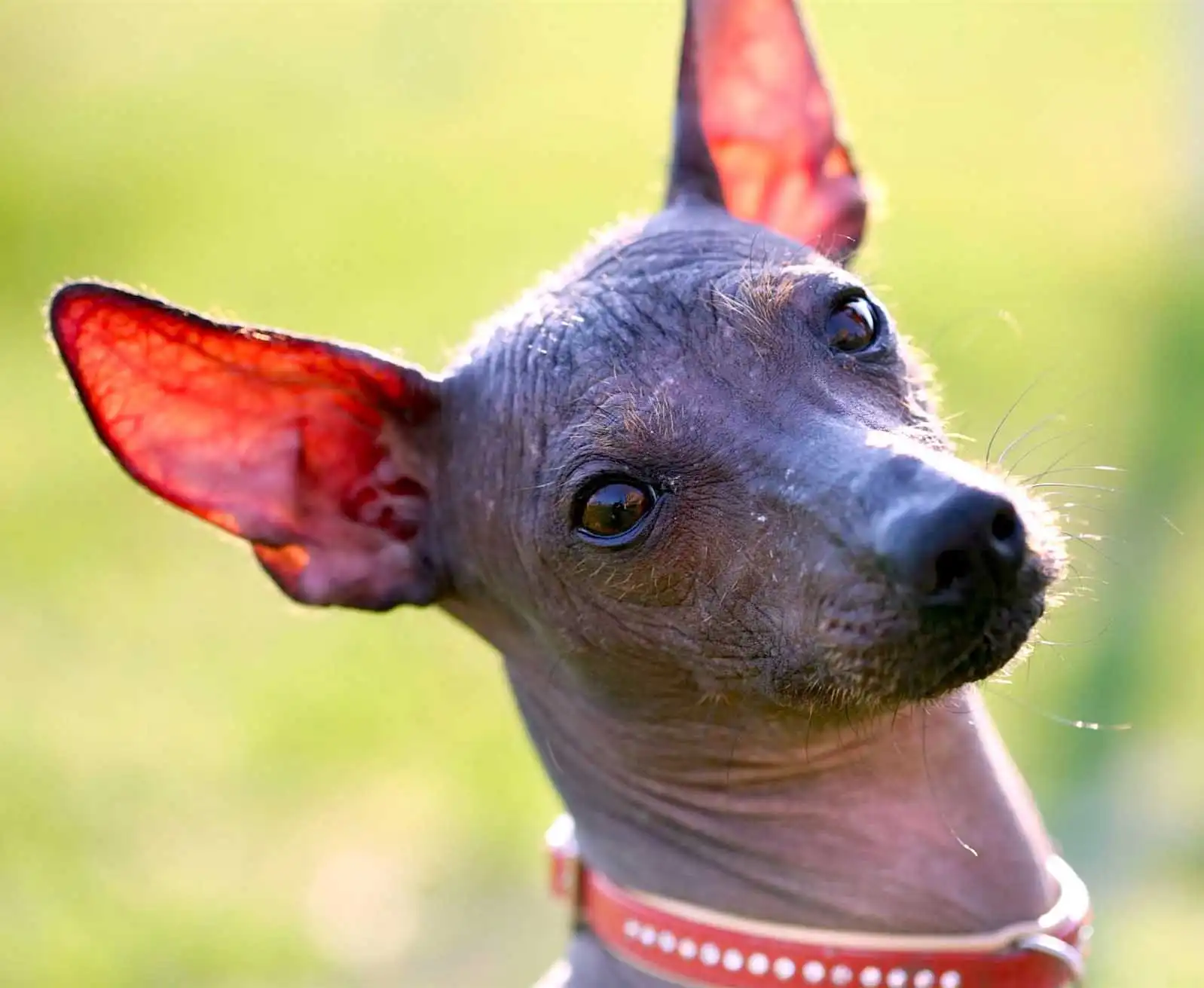
The Xoloitzcuintli, commonly known as the Mexican Hairless Dog, boasts a rich history that dates back long before Christopher Columbus arrived in the Americas. This adaptable breed has fulfilled various roles throughout its existence, serving not only as a food source and in sacrificial ceremonies but also as a companion, hunting aide, guard dog, and even a provider of medicinal properties. Hailing from Central America, especially Mexico, the Xoloitzcuintli is represented in artifacts discovered in the burial sites of the Aztec, Maya, and Colima cultures. This breed is available in three distinct sizes: standard, miniature, and toy. Notably, despite its prevalent name, there are also coated versions of this breed, which are simply called "Xolos."
Breed Origin
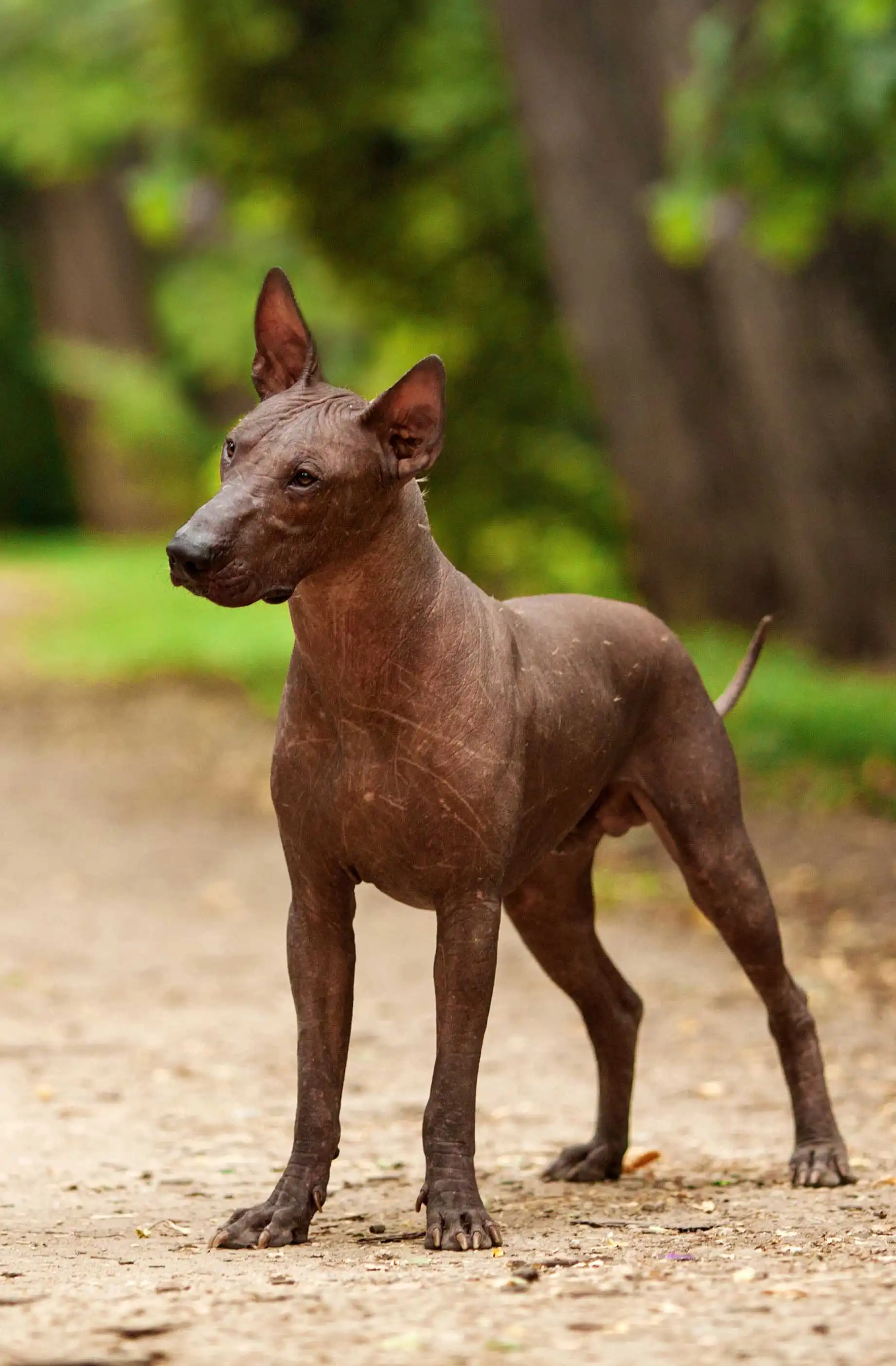
The word “Xolo” means “god of the underworld,” while “itzcuintli” translates to dog, both terms stemming from the Aztec language. The designation “Mexican Hairless” comes from the breed's place of origin and the characteristic absence of fur in most Xolos. This breed has a rich history, often referred to as the “first dog of the Americas,” with roots that extend back at least three millennia. The Aztecs and Mayans viewed the Xolo not only as a food source but also as a sacrificial animal. They believed that the Xolo's naturally warm body had healing properties, using the dog similarly to a heating pad to provide warmth. It was commonly employed to treat various ailments, including toothaches, insomnia, rheumatism, and asthma. Furthermore, the Xolo was thought to ward off evil spirits and was valued as a protective companion. The breed reached its height of popularity in the 1930s and 1940s, appearing in the works of famous artists like Frida Kahlo and Diego Rivera. However, its popularity declined shortly thereafter, resulting in the American Kennel Club removing the Xolo from its stud book due to a decrease in numbers. The breed gained official recognition from the United Kennel Club in 1993, and in 2011, it was included in the American Kennel Club's Non-Sporting Group.
Breed Appearance
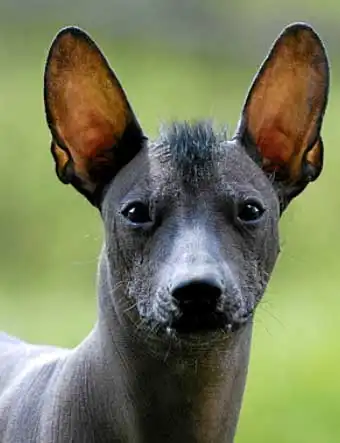
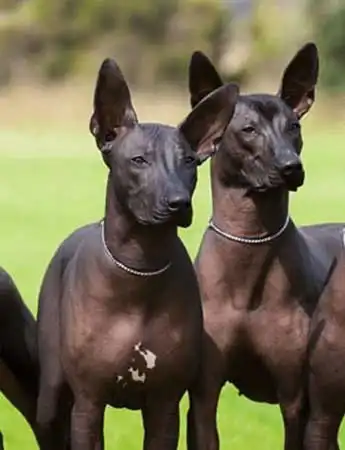
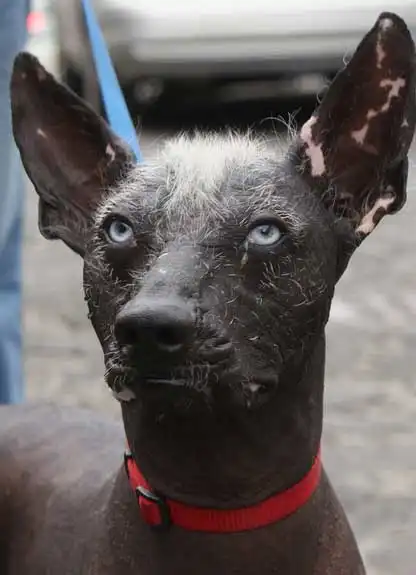
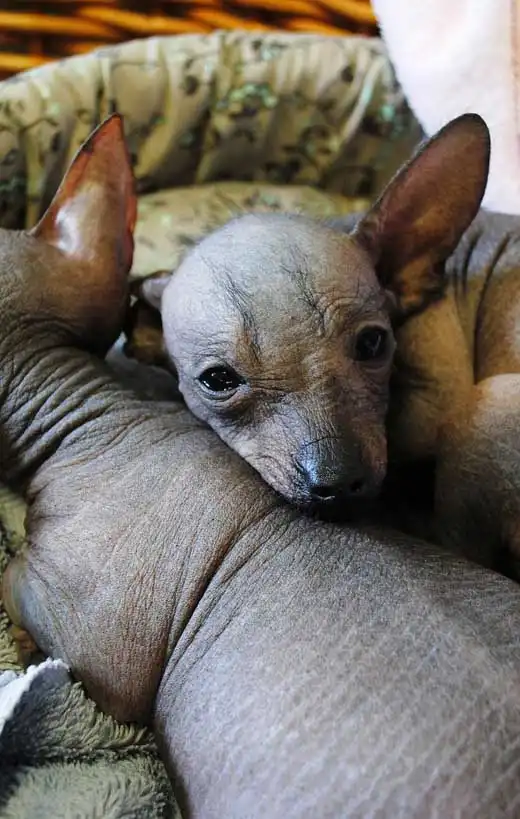
The Xolo, best recognized for its distinctive hairless feature, also includes a furred variant. This breed is categorized into three sizes: standard, miniature, and toy, with the hairless version being the most popular. While mainly hairless, it may have a small tuft of hair on its head and tail. The skin of a Xolo should feel soft and smooth. This breed comes in various colors, such as black, slate gray, gray, bronze, brindle, red, and fawn, with skin that can be either a solid color or spotted. If a Xolo has fur, it should be short and sleek, akin to that of a Doberman. Although the furred variety tends to shed more, consistent brushing can help reduce this. The Xolo is distinguished by its broad skull, which features either a black nose or one that matches its skin color, and it has large, upright ears that resemble those of a bat. Additionally, a Xolo may experience changes in color as it ages.
Care Routine
While the Xolo is not officially recognized as a hypoallergenic breed, its sparse fur, lack of dander, and absence of fleas make it a suitable choice for those who prioritize cleanliness or suffer from allergies and asthma. This breed is celebrated for its soothing warmth, which the Aztecs and Mayans attributed to its healing properties. Grooming requirements are quite low, especially for the hairless variant. It is advisable to bathe the Xolo and apply lotion twice a month or as needed, using sunscreen only when necessary. Excessive use of lotion can result in acne, and the winter season may heighten the risk of dry skin. Care should also be taken to protect its sensitive ears from extreme weather conditions. Furthermore, nails should be trimmed every two months, and daily brushing of the teeth is crucial to prevent gum disease and bad breath.
Behavior & Temperament
The Xolo is a remarkably intelligent, loyal, energetic, and affectionate breed. This dog tends to form deep connections with those it recognizes as caregivers, making it advantageous for the whole family to be involved in its upbringing. Such involvement helps cultivate a bond with all family members instead of just one person. While the Xolo is naturally protective, it may show signs of shyness around strangers. Generally, they are easy to house train, but they do need consistent and firm discipline; without proper guidance, a Xolo might take on a dominant role in the household. Many owners affectionately refer to the Xolo as a “Velcro dog” because they often stay close to their humans. It’s crucial to note that the Xolo can be susceptible to Small Dog Syndrome, a condition that typically stems from inconsistent handling rather than any inherent flaw in the dog. To avoid the emergence of undesirable behaviors, owners should adopt a steady and assertive approach. In conclusion, the Xolo makes a beloved and devoted companion for families.
Play & Exercise
Things to Know
Cups Per Day
2.2 Cups
Daily Activity
45 Minutes
Average Lifespan
14 Years
Origin
ancient, pre-columbian times
Type
Pure Breeds
Size
Small
Origin Country
Mexico
Brush Frequency
Daily
Coat Texture
Straight
Register
Your kids have been begging for a pet forever, and you've recently decided that it's time for your family to get a new addition -- a dog! While everyone is excited for the new arrival, you're wondering if you need to have a dog license. How much does it cost? Is it required? Where do you get one?
Member Clubs

PETINNATE
Sighthound and Pariah Dog

AKC
Non-Sporting Group

UKC
Sighthound and Pariah Dog
Height & Weight
Weight
24 lbs (11 kg)Male: 25 lbs (11 kg) , Female: 22 lbs (10 kg)
Height
16 inches (41 sm)Male: 18 inches (46 sm) , Female: 15 inches (38 sm)
6 Months
12 lbs ( m 12 lbs, f 12 lbs )
12 inches ( m 12 inches, f 12 inches )
12 Months
19 lbs ( m 19 lbs, f 19 lbs )
15 inches ( m 15 inches, f 15 inches )
18 Months
22 lbs ( m 22 lbs, f 22 lbs )
15 inches ( m 15 inches, f 15 inches )
Eye Colors
Hazel

Brown
Nose Colors
Black
Brown
Coat Colors
Black

Fawn
Brindle
Brown
White