Dog Breeds Starting With h
Browse dog breeds whose names start with h and explore their unique characteristics.
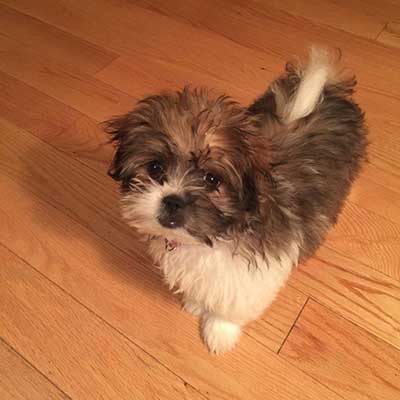
Havachin
The Havachin is a mixed breed that emerges from the combination of a Japanese Chin and a Havanese, showcasing characteristics and appearances from both parent breeds. Common color variations include black, white, black and tan, sable, grey, and red. Both breeds possess silky coats that tend to be relatively long, necessitating regular grooming. The Japanese Chin is distinguished by the feathering on its ears and legs, while the Havanese can have either straight or curly fur, which requires daily brushing if kept long to prevent tangles. Japanese Chins are friendly little companions that flourish with family engagement, but their small stature may make them less suitable for homes with very young children. On the other hand, Havanese dogs are celebrated for their loving disposition, getting along well with kids and other pets. They are not fond of being left alone and can experience separation anxiety, making them a great choice for those who spend considerable time at home.
Read more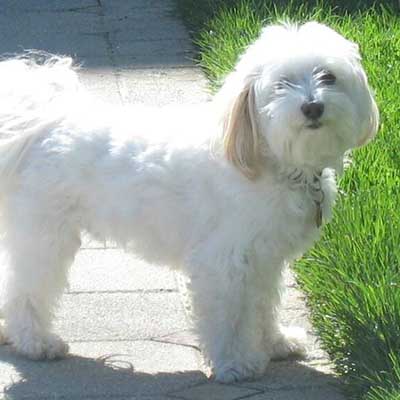
Havaco
The Havaco is a designer dog breed resulting from the cross between a Havanese and a Cocker Spaniel, primarily bred to be a companion. Despite its recognition by the American Canine Hybrid Club, the Havaco is still not widely known. While both parent breeds enjoy popularity, the Havanese is considered rare, which likely affects the Havaco's visibility. This small, toy-sized dog is perfect for those living in apartments and shows impressive adaptability to different climates.
Read more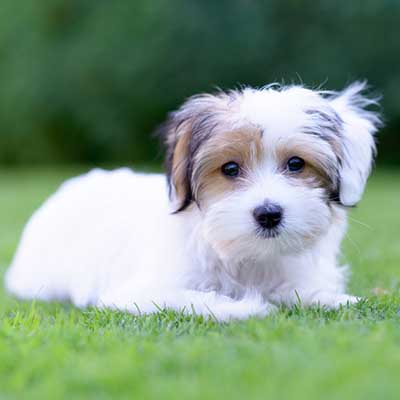
Havamalt
The Havamalt is a delightful blend resulting from the crossbreeding of two small dog breeds: the Havanese and the toy Maltese. This endearing combination produces a fantastic companion, celebrated for its loving temperament, keen alertness, and joyful personality. Both parent breeds are part of the Bichon lineage and share a common heritage, although they began to evolve separately before the 15th century. The Havamalt is officially recognized by various organizations, including the American Canine Hybrid Club, the Designer Dogs Kennel Club, the Designer Breed Registry, the Dog Registry of America, and the International Designer Canine Registry.
Read more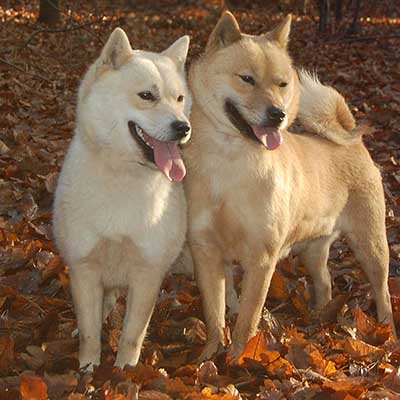
Hokkaido
The Hokkaido is a medium-sized spitz breed recognized for its sturdy physique and remarkable stamina. This dog forms a deep connection with its owner, showcasing unwavering loyalty throughout its life. Bringing an older Hokkaido into your home can be difficult, as they often have strong attachments to their families. They excel in very cold conditions but may struggle in warmer climates unless they have air conditioning. This breed may not be suitable for novice dog owners or families with young kids. Nevertheless, a Hokkaido can make a fantastic companion for children if it is raised with them, properly socialized, and taught to respect their space.
Read more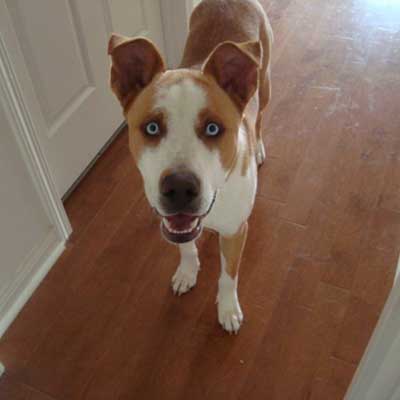
Husker
The Husker, commonly known as the Boxsky or Bosky, is a large hybrid breed that results from crossing a Boxer with a Siberian Husky. Typically, they display the Boxer’s shorter coat and robust build, while also showcasing traits from both parent breeds. These dogs are known for their high energy and need for significant daily exercise, making them ideal companions for active families who enjoy engaging in play, whether inside or outside. Huskers are extremely affectionate and crave human interaction, often striving to be the focal point of attention and going to great lengths to achieve this. However, their need for companionship can lead to undesirable behaviors if they are left alone for long periods. When outdoors, they may try to escape from a tall-fenced yard, and indoors, they might become noisy or destructive if they experience boredom or frustration. Generally, Huskers are good with children and can be moderately friendly with other dogs, especially if they receive proper training and socialization from an early age. Nonetheless, training can be a challenge due to their intelligence and occasional stubbornness, so they need an owner who is experienced, patient, and firm to guide them effectively.
Read more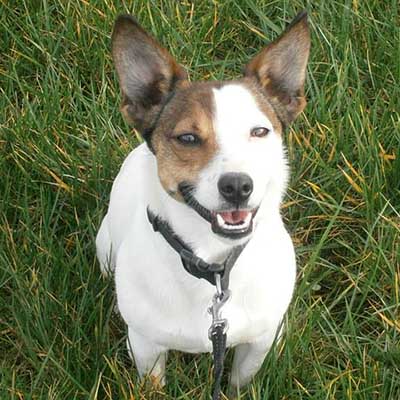
Husky Jack
The Husky Jack is an energetic hybrid breed created by crossing a Siberian Husky with a Jack Russell Terrier. Renowned for their spirited personalities, these dogs exhibit traits of boldness, loyalty, and affection. Generally, they are medium-sized, weighing between 30 and 40 pounds and standing 17 to 19 inches tall, with a lifespan of approximately 11 to 16 years. Their coats are short and smooth, showcasing a variety of colors, including white, black, gray, red, sable, and agouti, often highlighted by markings in shades of black, brown, tan, cream, or even tri-color combinations. While the Husky Jack has become increasingly popular since the late 20th century, it is not officially recognized as a breed by the American Kennel Club (AKC) due to its ongoing development and lack of standardization.
Read more