Dog Breeds by Adaptability
Adaptability refers to how a dog typically behaves or responds in everyday situations. Individual dogs may vary based on training, environment, and genetics.
How easily the dog can adapt to different environments, such as new homes, changes in routine, or weather conditions.
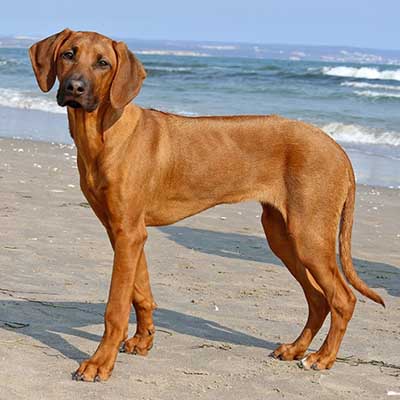
Rhodesian Ridgeback
In their quest for a hunting dog better suited to Africa's challenging climates, Dutch settlers crossbred their imported European breeds with a native tribal dog. This breeding produced a reddish-brown dog characterized by a unique ridge of fur along its back, adept at hunting large game and protecting families and homes. Originally employed for lion hunting, the Rhodesian Ridgeback's loyal and affectionate disposition soon endeared it to families, contributing to its rising popularity in other countries. Today, while it is still appreciated for its keen eyesight and scent-tracking skills, the Rhodesian Ridgeback is also celebrated as a low-maintenance, well-mannered, and energetic companion, thriving in dog shows, protection roles, and playful interactions with its human family.
Read more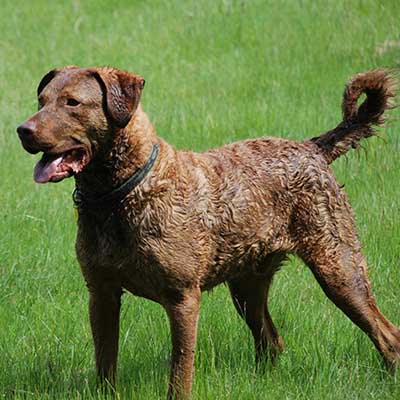
Chesapeake Bay Retriever
The Chesapeake Bay Retriever is a distinctive breed that sets itself apart from other Retrievers. This breed traces its roots back to two Lesser Newfoundland puppies, also referred to as St. John’s Water Dogs, which were saved by an American ship following a shipwreck near Maryland in 1807. These dogs were subsequently crossbred with local breeds, including Water Spaniels, Setters, and Hounds, in a somewhat haphazard manner. Although they share similar roles with other Retrievers, their genetic background is quite unique. Chesapeake Bay Retrievers are known for their striking looks, featuring a slightly oily, musky, waterproof wavy brown coat, captivating amber eyes, and a sturdy, muscular physique. While they are now mainly cherished as family pets and hunting companions, their initial role was to retrieve waterfowl. Renowned for their cheerful disposition, intelligence, and eagerness to please, these dogs excel in work, especially in water-related tasks. Their grooming requirements are relatively low, needing only a weekly brushing and a bath every three to four months. Due to their energetic and robust nature, they benefit from regular, vigorous exercise, whether through walking, running, or hunting geese. To ensure their proper development, consistent training combined with firm yet affectionate discipline is crucial.
Read more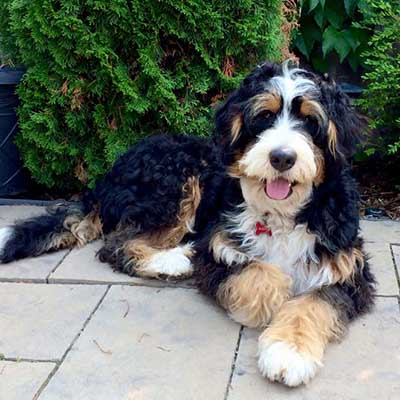
Bernedoodle
The Bernedoodle is a mixed breed resulting from the crossbreeding of Bernese Mountain Dogs and Poodles. The Bernese Mountain Dog originates from Switzerland, while the Poodle has its beginnings in Germany and France. Bernedoodles come in three different sizes, determined by whether the Poodle parent is a toy, miniature, or standard type. The height of Toy Bernedoodles ranges from 12 to 17 inches, Mini Bernedoodles from 18 to 22 inches, and Standard Bernedoodles from 23 to 29 inches, with weights varying from 10 to 90 pounds depending on their size. Although the toy and mini versions may display higher energy levels and a bit of stubbornness, Bernedoodles are generally recognized for their playful and loving demeanor. They thrive on interaction with children and cherish quality time with their families. Due to their strong need for companionship, they struggle when left alone for long periods. Furthermore, they can be wary of strangers, making early socialization essential. Their coats can be long and wavy, curly, or straight; typically, the wavy and curly varieties shed very little, while the straight coats tend to shed more.
Read more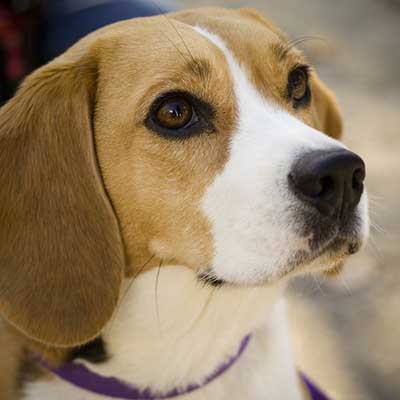
Beagle
The Beagle is frequently seen as one of the most laid-back and cheerful dog breeds. With a lively and amusing demeanor, this breed spreads happiness to those around it. Originating in England in the early 1800s, Beagles were originally developed for tracking and hunting rabbits. They flourish when allowed to explore their environment, utilizing their exceptional sense of smell, which can sometimes lead them into playful trouble. As scent hounds, Beagles have ancestry that includes the Talbot Hound, North Country Beagle, and Southern Hound. Their compact and muscular build makes them an ideal companion. Beagles are easily identifiable by their droopy ears and endearing expressions. Their short, smooth coats require little maintenance; a simple weekly brushing with a rubber curry brush is enough to keep them looking their finest.
Read more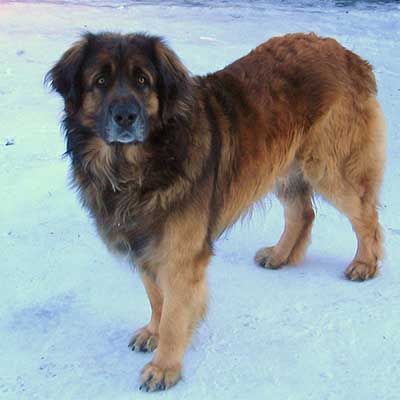
Leonberger
The Leonberger, a sizable molosser breed developed in Germany by Heinrich Essig, is endearingly known as the Gentle Lion. Their remarkable stature, tawny coat, and the prominent ruff that adorns the necks of males contribute to their lion-like appearance. Yet, it is their gentle and perceptive nature that truly reflects the "gentle" in their name, making them exceptional therapy dogs. Maintaining their long, dense fur requires regular grooming—ideally several times a week—to avoid tangles and matting. Additionally, it’s important to inspect their coats for fleas, ticks, burrs, or any concealed injuries. To ensure these dogs grow into beloved and well-adjusted family members, early training and socialization are vital.
Read more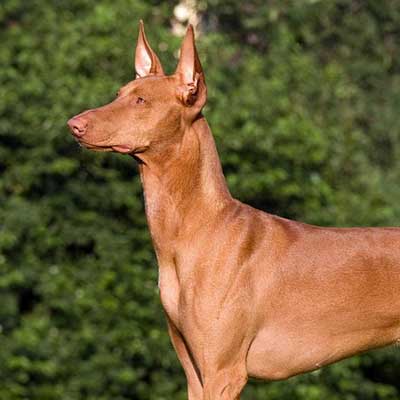
Pharaoh Hound
The Pharaoh Hound, recognized for its reserved yet spirited personality, has origins dating back to around 3000 B.C. While it has traditionally been thought to originate from Ancient Egypt, recent genetic research suggests that its true beginnings are in Malta. Ancient Egyptian hieroglyphics provide evidence of the Pharaoh Hound's long-standing presence, indicating that this breed has existed for millennia. With a strong and athletic physique, the Pharaoh Hound exhibits a graceful and elegant movement. Initially bred for hunting small game, it utilizes its sharp senses of sight, sound, and smell. This breed boasts an exotic and noble appearance, brimming with energy and a love for playful pursuits. The Pharaoh Hound shines in agility and lure coursing, demonstrating its remarkable athletic abilities. Grooming is simple due to its short, glossy coat, which only requires weekly brushing to manage shedding. For optimal well-being, the Pharaoh Hound thrives in an environment that meets its exercise needs.
Read more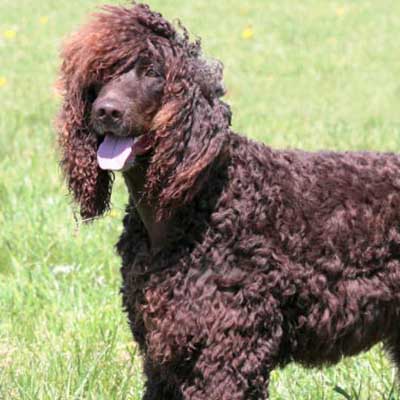
Irish Water Spaniel
The Irish Water Spaniel is an eye-catching water retriever known for its unique curly coat and exceptional hunting skills. This breed is lively and serves as a fantastic companion for families. As the largest of the Spaniel breeds, the Irish Water Spaniel commands attention. Its history dates back to the 1830s in Ireland, where a dog named Boatswain, owned by Justin McCarthy, is often considered the ancestor of the modern Irish Water Spaniel. McCarthy kept the details of Boatswain's lineage under wraps, leaving some uncertainty about the breed's background. Nevertheless, experts believe that the breed may be linked to the Barbet, various Poodle-like breeds, and Portuguese Water Dogs. The Irish Water Spaniel was introduced to the United States in the 1870s.
Read more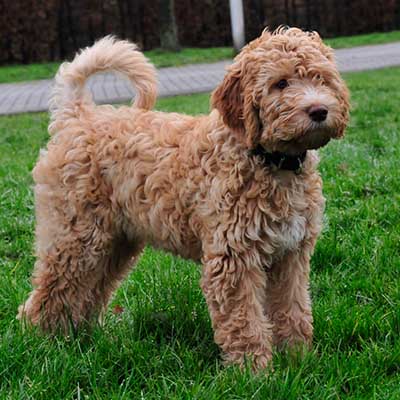
Barbet
The Barbet, pronounced Bar-bay, is a historic gun dog that hails from France and was primarily bred for hunting waterfowl. While it hasn't gained widespread recognition, this breed is beginning to garner interest beyond its native land. After World War II, the Barbet faced a serious risk of extinction. With origins dating back to the 16th century, this ancient breed is celebrated for its loyalty, intelligence, and affectionate demeanor. Agile and full of energy, the Barbet thrives in various dog sports such as agility, Frisbee, and lure coursing. It is well-suited for cold weather and can comfortably swim in any conditions. However, prospective owners should note that the Barbet's coat demands considerable grooming, making it a relatively high-maintenance pet.
Read more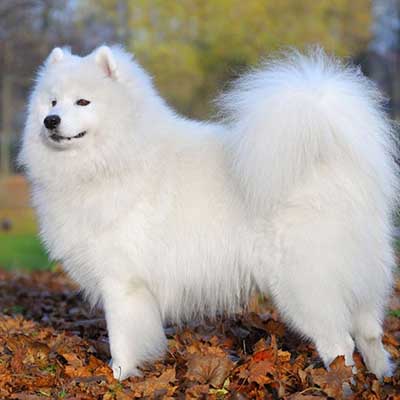
Samoyed
The Samoyed is a breed characterized by its gentle temperament, intelligence, and unwavering loyalty, thriving on close bonds with its family. Renowned for their affectionate nature, especially towards children, these dogs eagerly engage in family activities. With their distinctive ‘Sammy smile’ and a penchant for human interaction, they are charming companions full of personality. However, their stunning coat demands considerable maintenance, particularly during shedding periods, when you can expect fur to be found on your clothes, furniture, and bedding. While their friendly disposition is endearing, it’s important to remember that Samoyeds were initially bred for hunting, and this instinct is still very much alive. They may chase after small animals, including the neighbor’s cat. If you have a cat, it’s essential to introduce them to the Samoyed while the dog is still a puppy, and even then, close supervision is advisable. When taking them for walks, these spirited dogs should always be kept on a leash due to their strong chasing instincts. Samoyeds are also quite vocal, often communicating through howls, barks, or grumbles. They respond best to varied training techniques, as they can quickly lose interest in repetitive tasks, which can make training a bit more challenging. Activities that engage their minds, such as agility and tracking, are particularly beneficial. This breed is full of energy and always eager for adventure, requiring plenty of space to run and play, making them less suitable for small living environments. Although they may not be the simplest breed to care for, their delightful personalities more than make up for the grooming they require.
Read more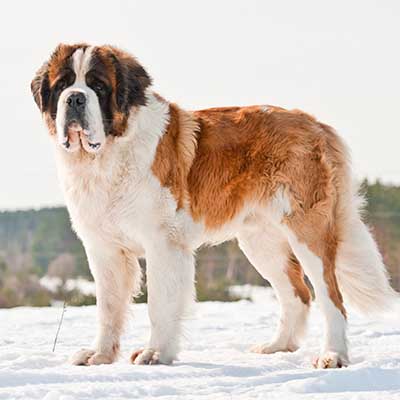
Saint Bernard
The Saint Bernard is a friendly and loving breed, especially known for their gentle nature with children, showcasing impressive patience and tolerance. Due to their large size, they are not well-suited for small living spaces, even though they typically have a calm disposition. Bred to withstand the severe cold of the Alps, they do not cope well in hot weather. These dogs thrive on companionship and prefer to stay indoors with their families. With a stable temperament, Saint Bernards may take longer to mature mentally and often maintain a playful, puppy-like spirit well into adulthood, making them charming companions. However, for those who prioritize cleanliness, their biannual shedding, drooling, and tendency to bring in dirt can pose challenges. They need plenty of room to move around comfortably but are not overly energetic. Training is generally easy, although they can be a bit stubborn at times. A well-adjusted Saint Bernard benefits greatly from early socialization with a variety of people and experiences.
Read more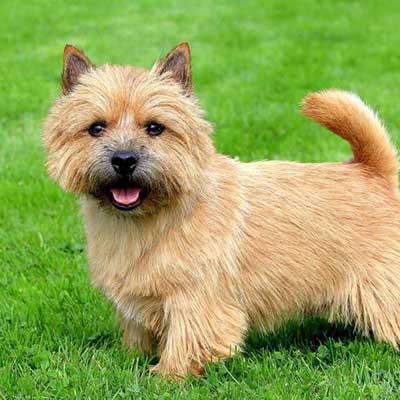
Norwich Terrier
The Norwich Terrier breed originated in England during the 1800s, initially developed as a working dog to control rat populations and other vermin in stables. This breed is the smallest among working terriers, typically standing about 10 inches tall and weighing around 11 pounds. Their coat can come in various colors, including black and tan, grizzle, wheaten, tan, and red. Although these lively dogs were once celebrated for their hunting abilities, they are now mainly cherished as companion animals and show dogs. According to the American Kennel Club, the Norwich Terrier ranks as the 104th most popular breed in the United States, with its registration beginning in 1936. Despite their petite size, they are recognized for their spirited, energetic, and determined personalities, making them endearing and loving pets.
Read more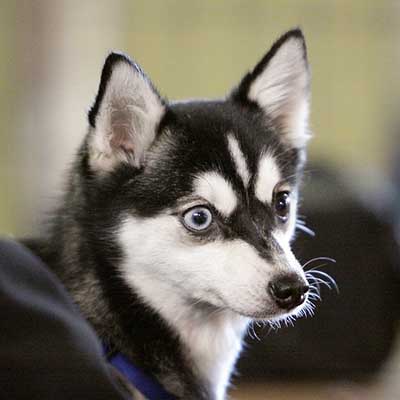
Alaskan Klee Kai
The Alaskan Klee Kai is a breed that emerged in the 1970s, created to be a smaller counterpart to the Alaskan Husky. These energetic, smart dogs are mainly bred for companionship rather than for labor. While they share a resemblance with their larger relatives, Alaskan Klee Kais can thrive in apartment settings, as long as they receive ample exercise and playtime. They might show signs of shyness or hesitation when encountering new people and communicate their emotions—be it fear, happiness, or sadness—through various vocal sounds.
Read more