Terrier Group Breeds
This page features Terrier group breeds, offering detailed information for anyone interested in learning about these dogs. Each breed profile includes key traits such as temperament, size, energy level, and general care needs.
Terriers are probably descended from small Spitz-type dogs. The majority of the Terrier breeds were developed in Britain and were bred to assist in controlling vermin. Terriers are characterized by feisty temperaments, weather-resistant coats, muscular bodies, and strongly independent natures. The Feist breeds are descended from the terriers brought over by working class immigrants. These terriers probably included crosses between the Smooth Fox Terrier, the Manchester Terrier and the now extinct white English Terrier. Some of these dogs were crossed with Whippets or Italian Greyhounds (for speed) and Beagles (for hunting ability). Eventually, these tough little terriers evolved into today’s squirrel-hunting Feists.
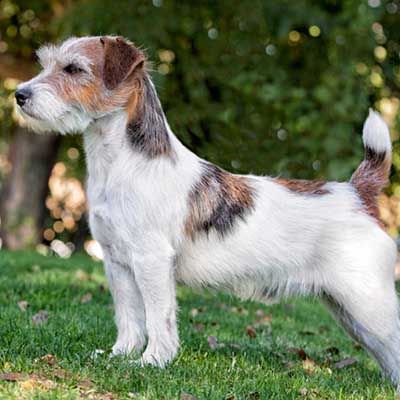
Russell Terrier
The Russell Terrier is a lively and spirited small breed, full of character. These dogs are not just active; they also possess a commanding presence. Often characterized as intelligent, strong-willed, determined, impulsive, and spirited, they have a quick bark and an even quicker chase. Bred initially for hunting small game, they maintain a strong instinct to pursue, so it's wise to be cautious around cats and other small animals. Without proper socialization during their early development, they may show aggression towards other dogs, including those of their own kind. With their abundant energy, Russell Terriers excel in activities like fetching, digging, and participating in engaging games such as agility training, flyball, or advanced obedience tasks. To ensure their happiness and well-being, they need plenty of physical exercise and mental challenges, along with a strong leader—usually their owner—who can gain their respect and emphasize the importance of obedience. When nurtured and trained with a firm yet affectionate approach, these dogs can become wonderful companions, displaying loyalty and friendliness. However, their high energy levels make them unsuitable for a calm or solitary lifestyle, although they can adapt to apartment living if they receive adequate exercise throughout the day.
Read more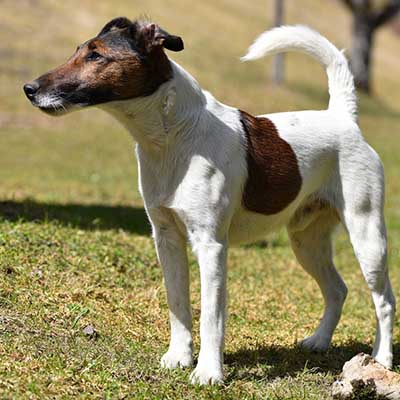
Smooth Fox Terrier
Originally developed for hunting pests and chasing foxes, the Smooth Fox Terrier typically weighs between 15 and 19 pounds and reaches a height of approximately 15.5 inches. While its historical records are somewhat sparse, it is believed that this breed dates back to the 1700s. Initially categorized as a variant of the Fox Terrier, alongside the Wire Fox Terrier, the Smooth Fox Terrier boasts a unique ancestry; it is thought to have evolved from Smooth Coated black and tan Terriers, the Bull Terrier, the Greyhound, and the Beagle. As one of the first breeds to compete in dog shows, the Smooth Fox Terrier tends to be cautious around strangers but is incredibly devoted to its family, making it an outstanding watchdog.
Read more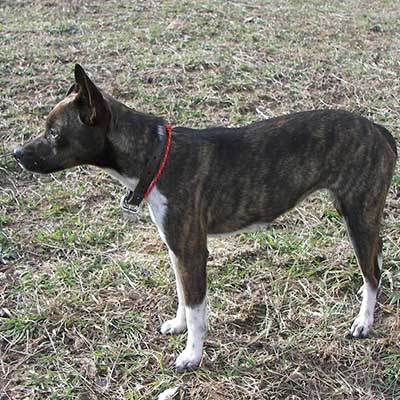
Treeing Feist
The Treeing Feist is a small, agile breed that has been refined over the years to become a top-tier treeing dog. These dogs are specifically trained to chase prey into trees, where they wait for the hunter to either call them off or take down the game. Renowned for their exceptional abilities, they are often referred to as the "ultimate squirrel dog," but they are also proficient in hunting raccoons and opossums. Their remarkable speed allows them to quickly approach their targets while remaining stealthy. Once they have successfully cornered their prey in a tree, they signal their owners with loud, persistent barking. Among recognized breeds, the Feist stands out for its flexible standards. Although there are some guidelines regarding height and weight, these dogs can be found in virtually any color and pattern, thanks to their varied lineage, which likely includes a blend of scent hounds, European terriers, and native American hounds. Known for their adaptability, Treeing Feists thrive in both small and large living environments, as long as they receive regular exercise. Affectionate and loyal, Treeing Feists develop strong connections with their families, including children. However, due to their energetic nature and size, they typically benefit from training and socialization to prevent them from becoming overly exuberant around kids. Their terrier heritage gives them a somewhat territorial nature; while they generally coexist well with other dogs, they may be wary of strangers and could bark if they feel threatened. Overall, Treeing Feists are not only excellent companions but also skilled hunters and vigilant watchdogs.
Read more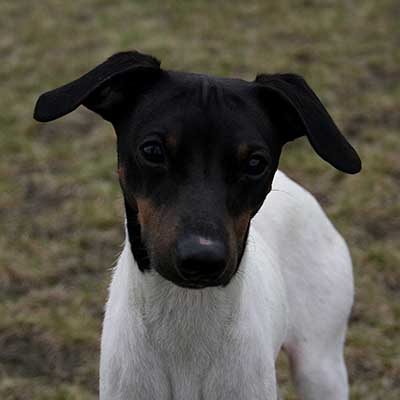
Japanese Terrier
The Japanese Terrier is a lively, clever, and joyful breed. Although he may initially appear a bit shy, he truly delights in playing games and chasing after squirrels. This loving dog enjoys snuggling and often prefers to curl up on your lap while you unwind with a film or work on your laptop. He tends to develop strong bonds with his family and may exhibit possessive behavior if he feels his owner is giving too much attention to other pets or even other people. In moments of jealousy, you can expect him to bark loudly to regain your attention. Generally, he gets along well with other dogs, as long as each one receives equal affection.
Read more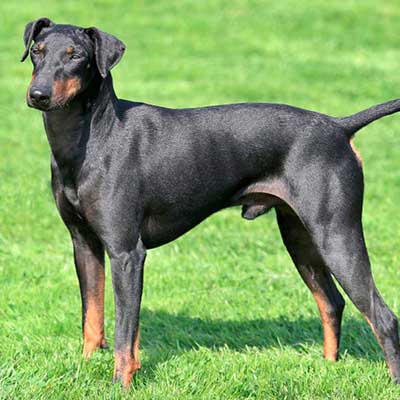
Manchester Terrier
The Manchester Terrier was developed in response to the worsening sanitation issues in England, which were intensified by the Industrial Revolution and a growing population. As rat infestations became more prevalent, there was an increasing need for smaller, energetic dogs like Terriers. This breed originated from the crossbreeding of a Whippet and a mixed-breed terrier, resulting in a spirited and courageous hunting companion. Today, the Manchester Terrier is recognized as a lively earth dog and a delightful pet. Although this breed is both active and friendly, it requires ongoing training to keep its strong-willed disposition in check, as it often assumes a leadership role. While regular exercise is crucial for a Manchester Terrier, they are generally easy to care for in terms of grooming.
Read more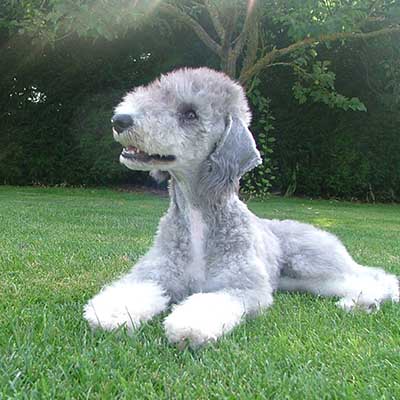
Bedlington Terrier
Bedlington Terriers stand out among Terrier breeds for their unique characteristics, typically weighing between 17 and 23 pounds. Females generally reach an average height of about 15.5 inches, while males are slightly taller at around 16.5 inches. These dogs are known for their graceful physique, which includes a slender build, lively personality, and distinctive coat. Their appearance is further enhanced by an arched back, ears adorned with tassels, and a narrow head. With gentle expressions, they exude a friendly nature, displaying neither shyness nor anxiety. Often regarded as delightful, entertaining, and loyal companions, Bedlington Terriers possess remarkable stamina, showcasing the energetic qualities of a Terrier along with the speed of a small coursing Hound. They respond well to training and typically interact positively with children and other dogs, especially when supervised. Although generally healthy, some may experience issues related to copper toxicosis. Their non-shedding single coat requires regular grooming, including scissor trimming and clipping, to maintain its appearance.
Read more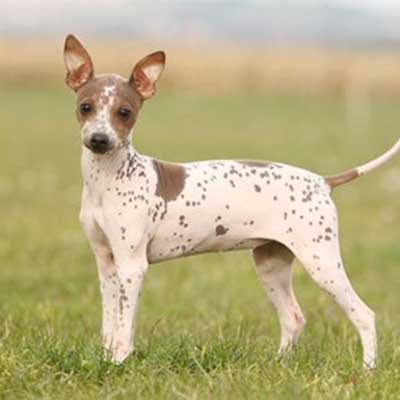
American Hairless Terrier
The American Hairless Terrier is a sturdy, compact breed that traces its roots back to the Rat Terrier. With a typical terrier personality, this dog is known for its playful and mischievous nature. A long tail is a breed standard, as docking or natural bobbing is not allowed. While the hairless variety is the most recognized, there is also a smooth-coated option available. Hairless puppies maintain their natural eyebrows and whiskers. This breed is lively and makes an excellent companion for both individuals and families. They are particularly good with children and are full of energy. However, if left alone for too long, they can become destructive, as they crave attention. To keep them mentally engaged when you can't interact with them, providing interactive toys is a great way to help.
Read more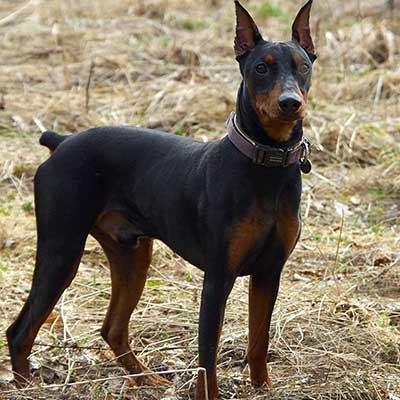
German Pinscher
The German Pinscher is a breed that exudes grace, strength, and a dignified presence. Originating in 17th-century Germany, this medium-sized dog was developed from the Black and Tan Terrier, eventually leading to the formation of the Rattenfanger. Celebrated for its effectiveness as both a watchdog and a rat-catcher, the Rattenfanger was known for its unwavering dedication to its tasks. Typically, the German Pinscher stands at a height comparable to an average adult's knee, showcasing a muscular build beneath its sleek fur. Its head is characterized by a unique wedge shape, and its dark, attentive eyes reflect a keen eagerness. As a companion, the German Pinscher is always eager to embrace new adventures. Initially bred for pest control, this breed has evolved into a recognized guard dog, loyal companion, and versatile working dog. While it tends to be cautious and may take time to warm up to strangers, the German Pinscher thrives in environments that are not overly stimulating, particularly those without boisterous children. This breed is fiercely protective of its family and territory, and with appropriate training, it can develop a well-rounded temperament around others. Caring for a German Pinscher is relatively simple; it sheds moderately and benefits from weekly grooming. This breed flourishes in spacious living conditions where it can roam freely and requires daily exercise to keep its mind active, making it an excellent choice for those with an active lifestyle.
Read more