Dog Breeds Starting With c
Browse dog breeds whose names start with c and explore their unique characteristics.
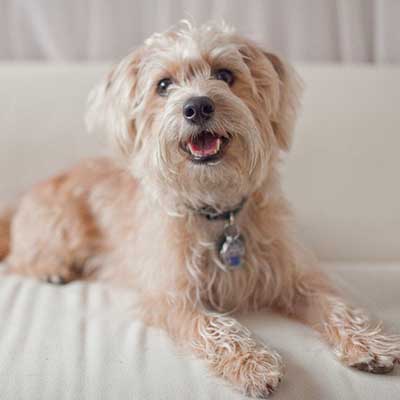
Cairnoodle
The Cairnoodle is an enchanting mix of the Cairn Terrier and the Miniature Poodle, both of which are compact breeds. The Poodle is frequently selected for crossbreeding because of its amiable disposition, sharp intellect, and hypoallergenic coat. On the other hand, the Cairn Terrier is celebrated for its burrowing abilities and effectiveness in controlling pests. Originally a German working dog with a passion for water, the Poodle has evolved into a cherished companion. This combination of breeds produces a Cairnoodle that not only inherits the intelligence of its parents but is also recognized for being a loving and joyful addition to any household.
Read more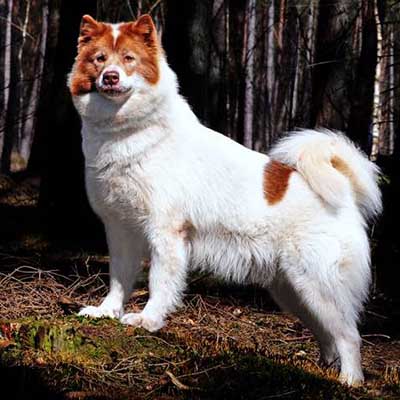
Canadian Eskimo Dog
The Canadian Eskimo Dog is a time-honored purebred that originates from Canada, as its name indicates. These dogs were integral to the Eskimo and Inuit communities, who depended on their strength and abilities as sled dogs. Historically, the responsibility of caring for Canadian Eskimo Dogs rested with women, which contributed to their gentle demeanor around children—a trait that continues today with proper socialization and care. While they typically behave well within their pack, they can display aggression towards unfamiliar dogs. Bred for the rigorous demands of pulling heavy sleds across extensive distances, this breed is very active and needs plenty of exercise. It’s essential to recognize that they are suited to the harsh Arctic environment and tend to struggle in warmer climates.
Read more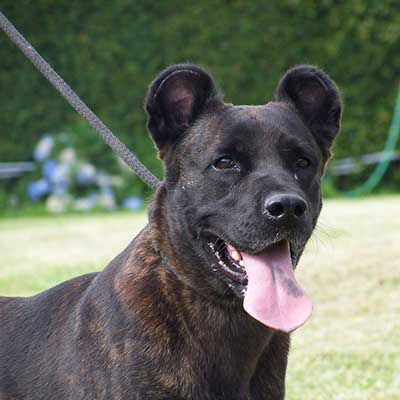
Cao Fila de Sao Miguel
The Cao Fila de Sao Miguel is a historic breed originating from Sao Miguel, one of the Azores islands. It was likely bred to assist in managing the wild livestock that inhabited the area. This breed is notably large and sturdy, characterized by a powerful jaw and a naturally aggressive, territorial disposition. While believed to be descendants of ancient molosser dogs, they are typically smaller than other breeds in that group and have longer snouts. Renowned for their steadfast loyalty to their families, they are highly protective but often reserved around strangers and may show aggression towards other animals.
Read more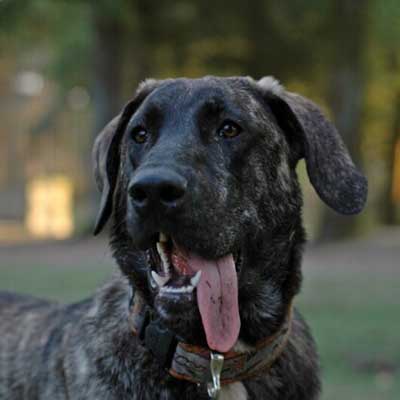
Cao de Castro Laboreiro
The Cão de Castro Laboreiro is considered one of the rarest dog breeds in the world, with a population estimated to be between 200 and 500 individuals. Historical records about this breed are limited, and even the Portuguese Kennel Club admits that many stories regarding its origins are largely conjectural. Although several theories have been proposed, there is a general agreement that this breed is indeed ancient. It is believed to have existed for thousands of years and is likely part of the Lupomolossoid group, which eventually led to the development of breeds like the Great Pyrenees, positioning it as one of the earliest descendants of the original herding and guarding dogs. Despite its mysterious past, the Cão de Castro Laboreiro has been a protector in Portugal for centuries. Its physical traits, including its facial structure and coat, bear a resemblance to that of a wolf, and its cautious attitude towards strangers enhances this likeness. This breed is known for its assertive and protective instincts, yet it is also sensitive, responding more favorably to positive reinforcement rather than harsh training methods. Within their family, they are affectionate and form strong bonds with familiar individuals, but they can be wary of strangers and other dogs, making them better suited as solo pets unless they undergo thorough socialization. Their high intelligence and strong-willed nature mean they flourish under the care of a knowledgeable and assertive owner who can provide effective training. Once properly trained, they tend to be obedient and exhibit deep loyalty to their families.
Read more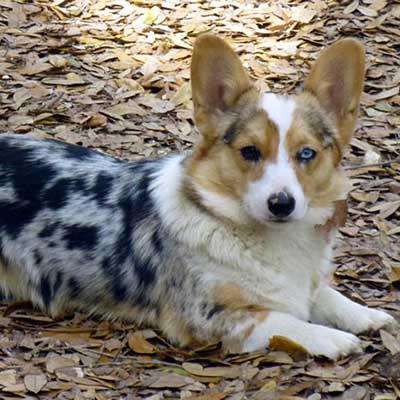
Cardigan Pembroke Corgi
The Cardigan Pembroke Corgi is a hybrid resulting from the crossbreeding of the Cardigan Welsh Corgi and the Pembroke Welsh Corgi. While comprehensive details about this hybrid are scarce, there is extensive information available about its parent breeds. These two breeds are closely linked and are often described as “cousins” in various research. Both hail from the United Kingdom, with the Cardigan Welsh Corgi being the older of the two, dating back to 1200 B.C., while the Pembroke Welsh Corgi emerged around 1200 A.C. Historically, both breeds were bred for similar roles, mainly in herding and tracking, and are appreciated for their adeptness in managing livestock while skillfully evading kicks from larger animals. The interbreeding of these breeds took place in the early 20th century, which explains their notable similarities in appearance. Beyond their shared physical traits and abilities, both breeds possess comparable temperaments, marked by affection, alertness, gentleness, intelligence, love, and loyalty. The Pembroke Welsh Corgi adds further qualities to the mix, including cheerfulness, friendliness, independence, liveliness, sociability, and playfulness. Although both breeds are known for their consistent shedding, they are generally regarded as low-maintenance when it comes to grooming.
Read more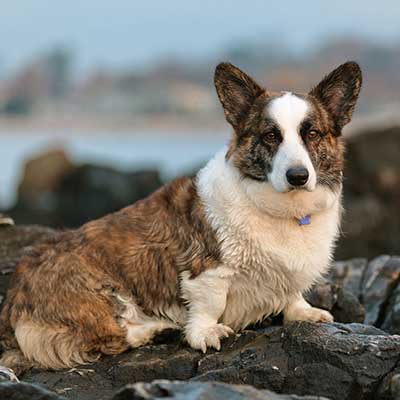
Cardigan Welsh Corgi
These delightful dogs are full of vitality and smarts, always ready to share their love. The Cardigan Welsh Corgi is related to the Dachshund, which likely explains their unique combination of long and short body features. Originally, they had floppy ears, but through selective breeding, they now typically have the upright ears that define the breed. While their initial purpose was to herd cattle, they have also become wonderful companions. With a vibrant personality packed into a compact size, the Cardigan is a playful and engaging pet. He thrives on interaction with his family and radiates happiness, making him a fantastic choice for homes with children. Originating from Wales, the Cardigan Welsh Corgi is endearingly known as the “yard-long dog” and was historically used for herding cattle, safeguarding farms, and controlling pests. Although he may occasionally exhibit herding behaviors, the Cardigan is now primarily recognized in dog shows and cherished as a family pet.
Read more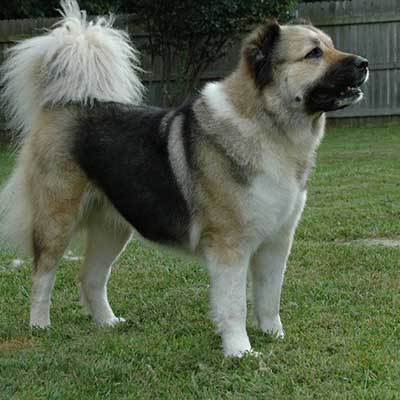
Caucasian Ovcharka
This ancient breed exudes a sense of strength and authority. Hailing from the rugged Caucasus Mountains, which lie between Europe and Asia, it is known by several names, the most common being the Caucasian Ovcharka or Caucasian Shepherd. These large dogs were originally bred to protect sheep from various threats, both human and animal. As a result, the temperament of the Caucasian Mountain Dog can vary widely. They can be affectionate and gentle with their families or, conversely, display aggressive and unruly behavior. The key to their demeanor often lies in the owner's approach to training, which should strike a balance between firmness and compassion. While their protective nature can be appealing, this breed may not be the best choice for inexperienced dog owners. Although these large, fluffy dogs were initially intended for guarding flocks, they are increasingly being kept as family pets. Nonetheless, their aggressive and protective instincts have historically hindered their popularity. As interest in the Caucasian Mountain Dog continues to rise, it is likely that selective breeding efforts will focus on moderating their overly protective traits.
Read more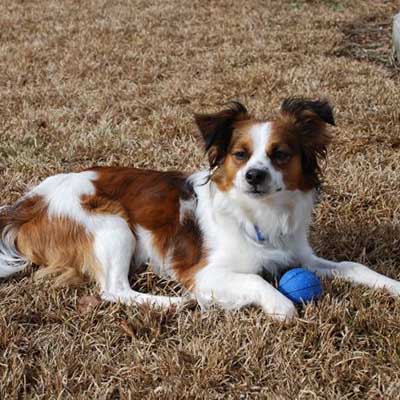
Cava-lon
The Cava-lon is a charming hybrid breed created by crossing a Cavalier King Charles Spaniel with a Papillon. These small dogs usually weigh up to 18 pounds and are available in a range of colors, such as black, brown, white, silver, red, and black and tan. Their long, silky fur needs consistent grooming to avoid tangles. Renowned for their joyful and playful demeanor, Cava-lons are wonderful family pets, particularly because they generally get along well with children. They are smart and eager to learn, responding well to training. Although they don’t need a lot of exercise, regular walks are helpful for keeping them healthy.
Read more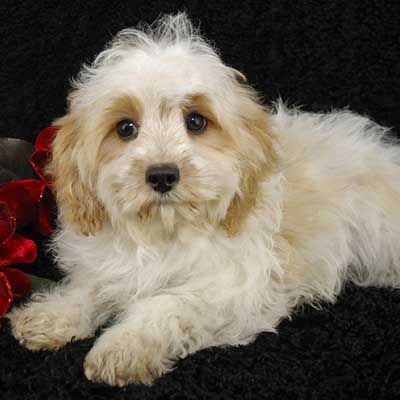
Cavachon
The Cavachon is a hybrid breed created by crossing a Bichon Frise with a Cavalier King Charles Spaniel. These petite dogs are known for their soft, silky coats, which often display gentle waves. Their fur typically comes in various colors, including white, apricot and white, or white with black or black and tan markings, with many showcasing a tricolored pattern. Renowned for their friendly and loving disposition, Cavachons are wonderful companions for families, generally getting along well with both children and other pets. While they may bark at strangers, their small size makes them unsuitable as watchdogs. With minimal shedding, they require relatively little grooming and respond positively to training, particularly when positive reinforcement methods are employed. Cavachons thrive in indoor environments and adapt well to apartment living.
Read more
Cavaton
The Cavaton is a charming blend of the Cavalier King Charles Spaniel and the Coton De Tulear, creating a small but loving companion. These dogs are known for their affectionate disposition and thrive on human companionship, always eager to please their owners. However, they can be quite sensitive, so gentle handling is essential. With their high energy levels, daily walks are crucial—not only to help them burn off energy but also to facilitate important social interactions with other dogs and people. Generally sociable and keen to learn, Cavaton dogs particularly enjoy playing with children. If you have a fenced yard, your Cavaton will delight in the opportunity to play outside with you, likely leaving you more tired from the fun than they are. While they love being close to their family, it’s important to teach them good manners and establish yourself as the leader during training sessions.
Read more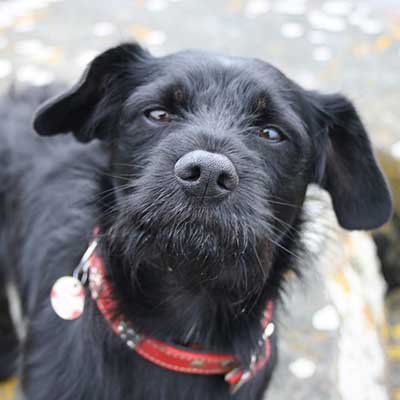
Cavottish
In recent times, designer dog breeds have surged in popularity, with the Cavottish emerging as a notable example. This small hybrid is the result of crossing two purebred dogs: the Cavalier King Charles Spaniel and the Scottish Terrier. While each breed has its unique traits, their combination creates a delightful companion known for its calm demeanor, gentleness, and playful nature. Cavottishes typically have a lifespan of 12 to 15 years and adapt well to living in apartments. However, they tend to dislike cold weather and may display some stubbornness. To help your Cavottish develop into a confident and well-mannered pet, it is crucial to provide proper training and socialization.
Read more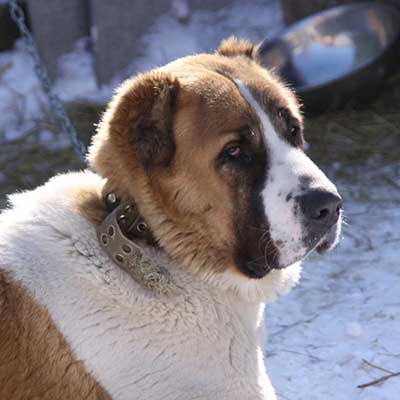
Central Asian Shepherd
This fascinating ancient dog breed traces its origins back to approximately 3000 B.C. and has developed through the process of natural selection. Its evolution has been shaped by various environmental influences and climatic conditions. While it is thought to have descended from the Tibetan Mastiff, the precise lineage remains unclear due to the absence of intentional breeding by humans over such an extensive timeframe. Today, the Central Asian Shepherd is recognized as one of the oldest breeds still in existence. This breed is notable for its robust and powerful build, featuring strong, muscular legs, a broad, short head, and a thick neck with a prominent dewlap. Their coats can vary in length and are available in colors such as white, fawn, black, or brindle. As the breed progressed, three distinct types emerged, each tailored to specific roles: herders, dog fighters, and livestock guardians, with each type showcasing traits suited to its function. All Central Asian Shepherds possess qualities such as intelligence, confidence, bravery, and protectiveness; however, the fighting type is often characterized by a more aggressive temperament. Given their size, strength, and intensity, these dogs are not recommended for inexperienced owners; those new to dog ownership should opt for a more manageable breed. The Central Asian Shepherd requires a significant amount of food, exercise, and training to effectively harness its considerable mental, emotional, and physical energy. This breed is truly exceptional, but prospective owners must be fully prepared to meet its demands.
Read more