Other Group Breeds
This page features Other group breeds, offering detailed information for anyone interested in learning about these dogs. Each breed profile includes key traits such as temperament, size, energy level, and general care needs.
This group includes dog breeds that do not fall into any of the standard categories. They may have unique characteristics, functions, or origins that make them distinct from the rest.
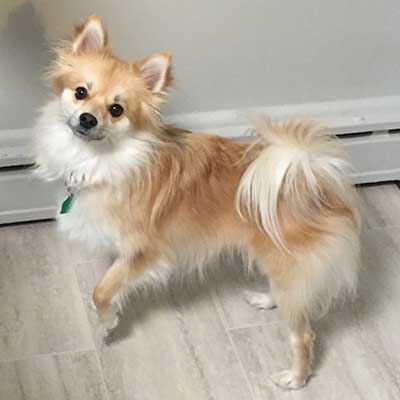
Pomimo
The Pomimo is a lively and spirited small dog that can be a fantastic addition to any household. They are especially great with children of all ages and are celebrated for their loving disposition. This hybrid breed results from crossing a purebred Pomeranian with a purebred American Eskimo, and they are also known as Eskiranians or Eskipoms. Despite their petite size, Pomimos serve as effective watchdogs, alerting their owners with barks at strangers. However, they are quick to warm up to new people and typically get along well with other dogs. These energetic pups need ample exercise and love to explore their surroundings, whether it’s a stroll through the neighborhood or a run on the beach. Their coats can differ, showcasing either the longer fur of the Pomeranian or the shorter, denser fur of the American Eskimo, and they do tend to shed quite a bit. Pomimos come in a wide range of colors, including orange, red, cream, white, black, blue, brown, sable, and tan, often featuring combinations of these hues and brindle patterns.
Read more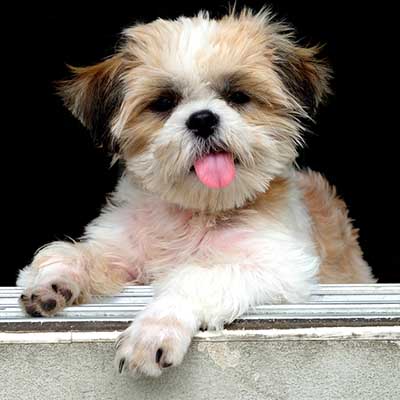
Tzu Basset
The delightful Tzu Basset is a charming blend of Shih Tzu and Basset Hound. These loving companions generally fall within the small to medium size range, standing between 9 and 13 inches tall and typically weighing under 40 pounds as adults. Their coats can vary widely, from short and smooth to long, silky, and straight, and they are available in various colors, including white, brown, and brindle. Many Tzu Bassets display bi-colored or tri-colored patterns. With moderate exercise needs, they are well-suited for urban environments and apartment living. However, due to their Basset Hound lineage, they possess a strong tracking instinct, which means they may wander off if not kept on a leash or secured within a fenced area.
Read more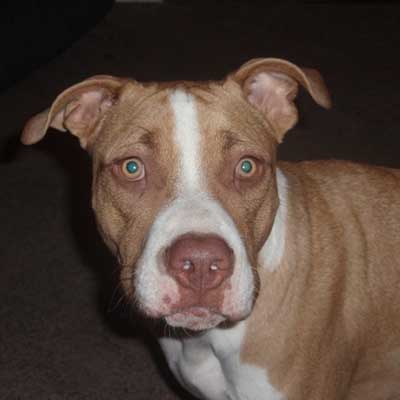
Bullboxer Pit
The Bullboxer Pit, commonly known as the American Bullboxer, is a popular mixed breed. This hybrid is created by crossing a Boxer with an American Pit Bull Terrier, both of which were originally bred for bull and bear baiting because of their impressive strength. While these dogs can make excellent family pets, it is essential to start training and socialization early to develop a calm and self-assured demeanor. Continuous training throughout their lives will lead to the most favorable results. Their short, smooth coats require minimal upkeep, although they do shed year-round and are prone to drooling.
Read more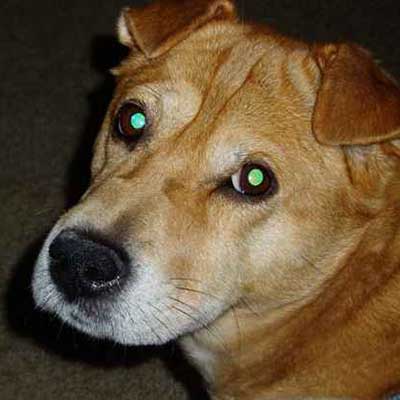
Rus-A-Pei
The Rus-A-Pei is a meticulously developed designer breed, emerging from the deliberate combination of the ancient Chinese Shar-Pei, historically recognized for its role as a guardian and protector, and the spirited Parson or Jack Russell Terrier, celebrated for its determination as a fox hunter. This breed is marked by its lively disposition and independent nature, along with a keen intelligence that can occasionally manifest as stubbornness. Consequently, it is recommended that Rus-A-Pei owners who are inexperienced in training consider enrolling their dogs in obedience classes and seeking advice from experienced trainers. Although training these dogs may present some challenges, their high level of intelligence means that, with the right mix of exercise, attention, and mental stimulation, they can grow into loyal, charming, and well-behaved companions.
Read more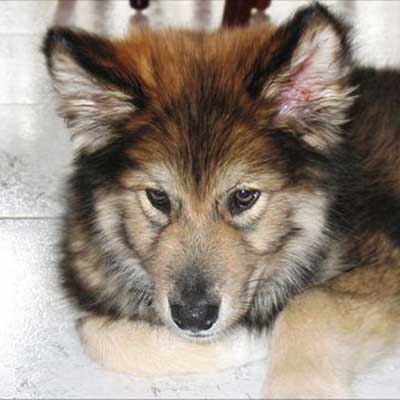
Native American Village Dog
The Native American Village Dog is a hybrid breed resulting from the combination of the German Shepherd and the Native American Indian Dog. Once fully grown, these dogs can reach weights of up to 110 pounds and heights of around 30 inches. They are generally sociable with children and other pets, especially when given proper socialization and training. Renowned for their adaptability, these dogs perform exceptionally well in various activities, including hunting, sledding, and herding sheep. They also excel in agility training, enjoy playing fetch, and cherish time spent with their families. Their eagerness to learn and obedient disposition make them excellent companions, even for those new to dog ownership.
Read more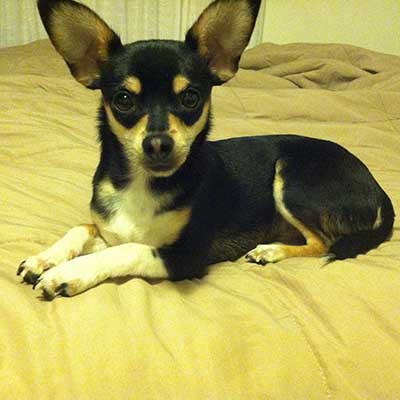
Taco Terrier
The Taco Terrier gets its name from its parent breeds: the Chihuahua and the Toy Fox Terrier. The "Taco" part is a nod to the small Chihuahua that appears in Taco Bell advertisements. This breed has gained popularity largely because of its small size, which makes it ideal for living in any space, no matter how limited. Taco Terriers come in a wide range of colors and often display patterns such as parti-colored, sable, brindle, pied, spotted, merle, or speckled. They usually have a short coat, unless they inherit long hair from their Chihuahua parent. Renowned for their intelligence and desire to please, Taco Terriers generally get along well with other pets and older children. However, due to their diminutive size, it's crucial to supervise them when they are around young children.
Read more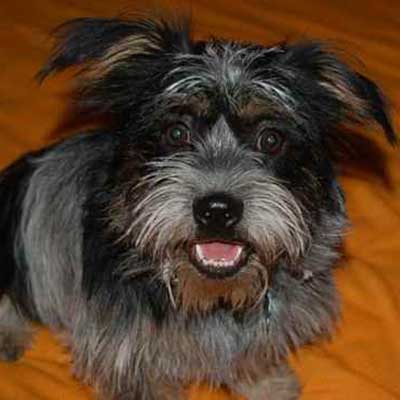
Blue-Tzu Heeler
Blue Tzu Heelers are a mixed breed that emerges from the combination of Australian Cattle Dogs and Shih Tzus. Bred primarily for companionship, these dogs are known for their friendly, energetic, and loving demeanor, though they can occasionally display a stubborn streak. They need a moderate amount of exercise and flourish with ample human interaction. Their lifespan typically falls between 10 to 14 years, with heights ranging from 11 to 18 inches and weights between 16 to 35 pounds. In appearance, Blue Tzu Heelers have a shaggy look reminiscent of Cattle Dogs, while also showcasing some unique features of Shih Tzus. As a relatively recent breed, their standards are still being developed, and they have yet to gain recognition from the American Kennel Club, although they are included in the Designer Breed Registry as hybrids.
Read more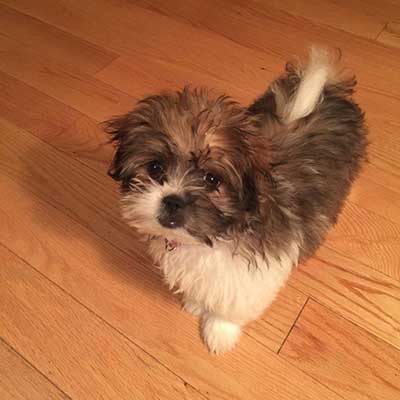
Havachin
The Havachin is a mixed breed that emerges from the combination of a Japanese Chin and a Havanese, showcasing characteristics and appearances from both parent breeds. Common color variations include black, white, black and tan, sable, grey, and red. Both breeds possess silky coats that tend to be relatively long, necessitating regular grooming. The Japanese Chin is distinguished by the feathering on its ears and legs, while the Havanese can have either straight or curly fur, which requires daily brushing if kept long to prevent tangles. Japanese Chins are friendly little companions that flourish with family engagement, but their small stature may make them less suitable for homes with very young children. On the other hand, Havanese dogs are celebrated for their loving disposition, getting along well with kids and other pets. They are not fond of being left alone and can experience separation anxiety, making them a great choice for those who spend considerable time at home.
Read more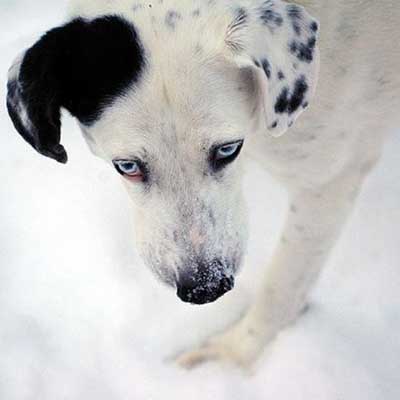
Dalmatian Husky
The Dalmatian Husky is a mixed breed that emerges from the combination of a Dalmatian and a Siberian Husky. Renowned for their energetic and playful demeanor, these dogs often require extra patience during training. They are affectionate and spirited, making them excellent companions for children. Their grooming requirements are moderate, especially if they take after the thick coat of their Husky ancestry. Regular exercise is crucial for this breed, as a lack of physical activity can result in weight gain. While many Dalmatian Huskies tend to resemble their Siberian Husky parent, some may also exhibit the unique spots typical of Dalmatians.
Read more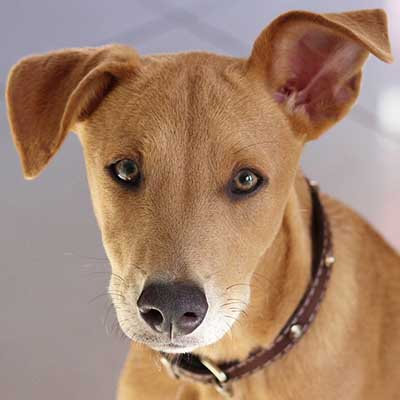
Africanis
The Africanis dog is a recently acknowledged landrace that has developed naturally in South Africa. This breed is celebrated for its versatility, showcasing a strong yet elegant build, paired with a temperament that balances friendliness with caution. Unlike many standardized dog breeds, the Africanis displays a remarkable diversity within its population due to its organic evolution. There are still thriving feral groups of these dogs found near various traditional towns across South Africa. Until the late 1990s, they were often regarded as mere mongrels and faced considerable bias. However, the Africanis Society, founded by John Gallant and Dr. Udo Küsel, has played a crucial role in improving their standing and recognition.
Read more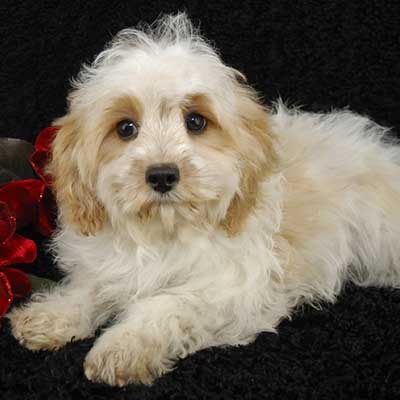
Cavachon
The Cavachon is a hybrid breed created by crossing a Bichon Frise with a Cavalier King Charles Spaniel. These petite dogs are known for their soft, silky coats, which often display gentle waves. Their fur typically comes in various colors, including white, apricot and white, or white with black or black and tan markings, with many showcasing a tricolored pattern. Renowned for their friendly and loving disposition, Cavachons are wonderful companions for families, generally getting along well with both children and other pets. While they may bark at strangers, their small size makes them unsuitable as watchdogs. With minimal shedding, they require relatively little grooming and respond positively to training, particularly when positive reinforcement methods are employed. Cavachons thrive in indoor environments and adapt well to apartment living.
Read more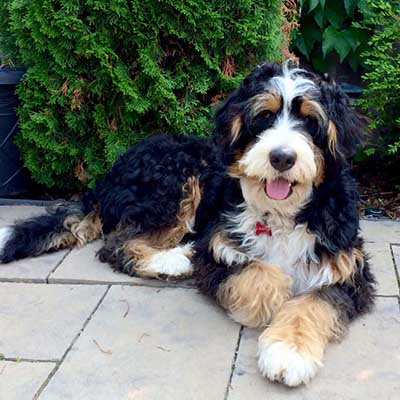
Bernedoodle
The Bernedoodle is a mixed breed resulting from the crossbreeding of Bernese Mountain Dogs and Poodles. The Bernese Mountain Dog originates from Switzerland, while the Poodle has its beginnings in Germany and France. Bernedoodles come in three different sizes, determined by whether the Poodle parent is a toy, miniature, or standard type. The height of Toy Bernedoodles ranges from 12 to 17 inches, Mini Bernedoodles from 18 to 22 inches, and Standard Bernedoodles from 23 to 29 inches, with weights varying from 10 to 90 pounds depending on their size. Although the toy and mini versions may display higher energy levels and a bit of stubbornness, Bernedoodles are generally recognized for their playful and loving demeanor. They thrive on interaction with children and cherish quality time with their families. Due to their strong need for companionship, they struggle when left alone for long periods. Furthermore, they can be wary of strangers, making early socialization essential. Their coats can be long and wavy, curly, or straight; typically, the wavy and curly varieties shed very little, while the straight coats tend to shed more.
Read more