Gun Dog Group Breeds
This page features Gun Dog group breeds, offering detailed information for anyone interested in learning about these dogs. Each breed profile includes key traits such as temperament, size, energy level, and general care needs.
Many Gun Dog breeds were already in use by hunters before the advent of hunting with firearms. Originally used to hunt a variety of game types, today’s Gun Dogs are primarily used to hunt birds. The dogs in this Group can be roughly subdivided into four often overlapping categories, based on their primary usage: Retrievers, Pointers, Setters and Flushing Spaniels. The earliest Retrievers were the water dogs, characterized by shaggy, sometimes curly coats, and probably descended from crosses between the shaggy herding dogs of the East and dogs used for hunting. The land retrievers, developed later and primarily of British origin, have heavier bodies, wider heads, and shorter, dense, water-resistant coats. The many breeds of Pointers, developed to identify the location of birds with a distinctive “pointing” stance, are descendants of the scenthounds. Pointers display their ancestors’ strong hunting drive and scenting abilities. Early Setters displayed a trait of slightly crouching or “setting” upon locating game. This trait enabled falconers and hunters with nets to get closer to the birds when stalking their prey. Setters are characterized by fringes of hair on the ear, legs, and tail. Flushing Spaniels are the descendants of Setters with the added ability of flushing out the game. The affectionate personality and attractive appearance of the Spaniel breeds led to the development of diminutive Spaniel breeds used exclusively as companions.
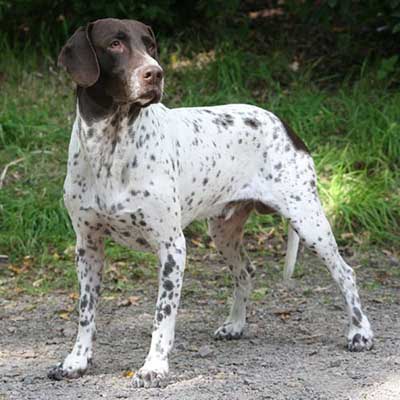
Old Danish Pointing Dog
The Old Danish Pointer is a medium-sized dog recognized for its unique white coat featuring brown patches. Although this breed is quite popular in Denmark, it is relatively unknown in many other regions. Known for its gentle temperament, the Old Danish Pointer displays impressive resolve and bravery. When out hunting, it maintains close contact with its owner, moving purposefully as it seeks out game. At home, this breed is a loyal friend, often seen unwinding after enjoying lengthy walks or playful sessions in the garden.
Read more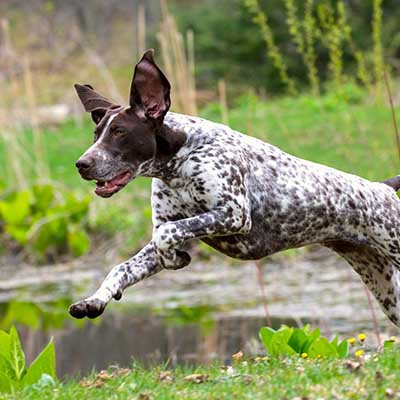
German Shorthaired Pointer
If you've ever seen a cartoon dog abruptly stop and dramatically point at something, you've caught a glimpse of what a Pointer embodies—albeit in a comically exaggerated way! The German Shorthaired Pointer, or GSP for short, is a dynamic hunting breed that hails from Germany and has been a reliable hunting partner for many years. The current version of this breed was developed in the early 1800s and is easily identifiable by its short, spotted coat, distinct head, and elongated body that narrows from the snout to the tail. Its ancestry dates back to the 1600s, with early breeds playing a significant role in the development of the dog we recognize today. This energetic and lively breed is not only exceptionally intelligent but also makes a fantastic family pet, thriving as both a hunter and a sporting dog. With roots that include pointers and bloodhounds, the German Shorthaired Pointer is both vocal and full of energy, necessitating plenty of exercise to keep its high energy in check. While it may bark at strangers, it does so in a friendly way, showcasing the breed's sociable disposition. Although it was initially bred for hunting, the German Shorthaired Pointer is now increasingly appreciated as a family companion and show dog in modern times.
Read more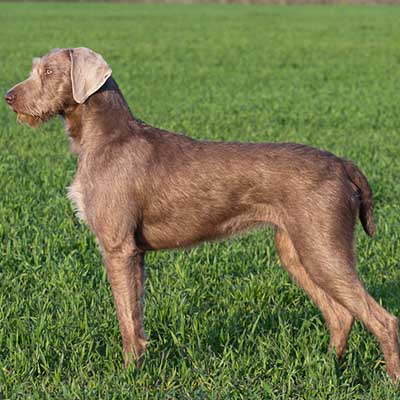
Slovakian Wire-Haired Pointing Dog
The Slovakian Rough-haired Pointer was created in the 1950s with the goal of developing a versatile hunting dog adept at tracking, pointing, and retrieving in both terrestrial and aquatic settings. Breeders successfully achieved this objective, resulting in a breed renowned for its strong work ethic and eagerness to please, which simplifies the training process. This breed is distinguished by its impressive stamina, enabling it to work for extended periods, and it flourishes in rural settings where it has plenty of room to explore and engage in physical activities. These dogs are not inclined to be sedentary; they have a high energy level that necessitates regular exercise to maintain their happiness. Without adequate physical activity, they may become discontented. However, after a vigorous run or a hunting outing, they transform into joyful companions who relish spending time with their families. Their strong need for companionship can lead to anxiety if they are left alone for long durations. Maintaining an active lifestyle for the Slovakian Rough-haired Pointer is crucial, as insufficient daily exercise can result in behavioral problems. Generally, they are friendly and well-tempered, particularly with children, but their lively nature means they should be monitored around younger kids.
Read more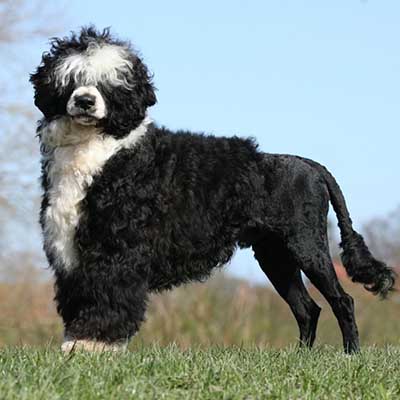
Portuguese Water Dog
The Portuguese Water Dog traces its lineage back to approximately 700 B.C., originally bred to aid fishermen in various tasks related to water. This historical background accounts for their strong affinity for swimming and aquatic activities. Known for their affectionate nature and family-oriented temperament, these dogs are friendly companions for both children and other pets. They are easily recognizable by their unique curly or wavy coats and webbed feet, which make them ideally suited for aquatic life. With their high energy levels and intelligence, Portuguese Water Dogs shine in numerous canine sports, such as tracking, agility, obedience, and trick performance. However, their keen intellect can sometimes lead them to try to outsmart their owners. With proper training and socialization, these dogs can develop good manners and adapt well to various environments.
Read more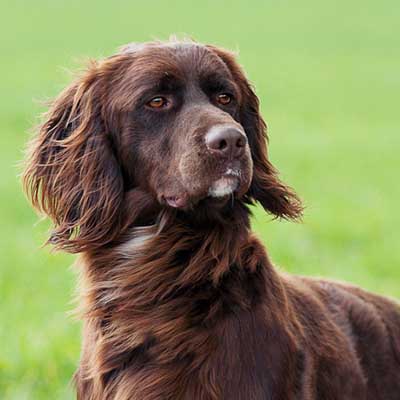
German Long Haired Pointer
The German Longhaired Pointer is a friendly and intelligent breed, but it can be prone to experiencing separation anxiety. As a classic example of German pointers, this breed is characterized by its webbed feet. Without proper training, it may display aggressive tendencies, especially when it comes to food. To develop a well-adjusted companion, early socialization is crucial. This breed requires plenty of exercise to remain happy and healthy, as it flourishes when given a purpose rather than being inactive. Moreover, children can make excellent playmates for the German Longhaired Pointer.
Read more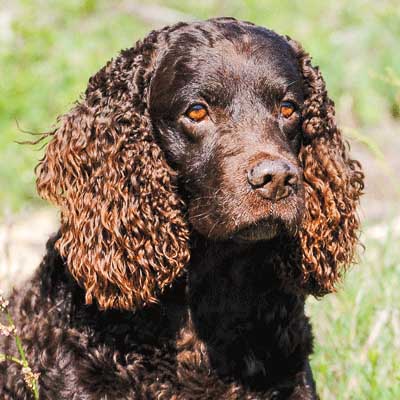
American Water Spaniel
The American Water Spaniel is a compact breed with a rich brown coat, tracing its roots back to the Midwestern United States in the 18th century. Originally developed as a hunting companion for waterfowl, pheasants, and rabbits, this breed is known for its lively and confident presence in the field, although it may show some timidity around unfamiliar people. Equipped with a double coat that effectively repels water and webbed feet, the American Water Spaniel thrives in aquatic settings, but it does need consistent grooming to keep its fur healthy and clean. Beneath its dense, curly exterior lies a strong, agile body, enabling the American Water Spaniel to gracefully jump in and out of small boats or canoes without creating a disturbance.
Read more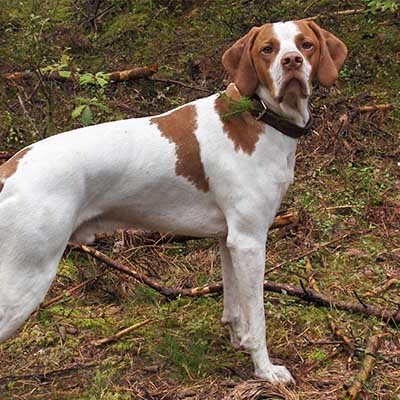
Braque Saint Germain
The Braque Saint Germain, originally developed as a sporting dog from a blend of English and French pointers, has become increasingly popular in the show ring thanks to its graceful appearance and well-rounded personality. Beyond its show dog status, this breed excels as a hunting partner, showcasing exceptional awareness, strong tracking skills, and a gentle mouth for retrieving game, which contributes to their ease of training. In a home environment, Braque Saint Germains are characterized by their relaxed, friendly, and affectionate demeanor, often expressing their affection through enthusiastic face-licking. Bred to hunt in groups, they are naturally sociable and typically get along well with strangers, other dogs, and children. However, without proper training and socialization, their instinct to chase may be triggered by non-canine animals. Moreover, they can function as decent watchdogs, promptly notifying their owners of new arrivals. However, they are not considered effective protectors, as they tend to bark without displaying aggression. Their energetic puppies can be quite a handful, particularly in homes with infants or toddlers due to their lively antics. Overall, the Braque Saint Germain's balanced temperament and impressive abilities make it an excellent choice for hunting, companionship, or competition in the show ring.
Read more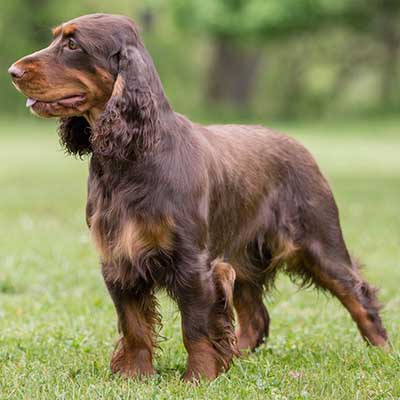
Field Spaniel
The Field Spaniel is a medium-sized dog recognized for its gentle nature and energetic spirit. Initially bred as a hunting companion, this breed gained traction in competitive dog shows during the 19th century. It descended from land Spaniels, diverging from breeds such as the Cocker Spaniel, English Water Spaniel, and Sussex Spaniel. Regrettably, early breeding efforts focused on specific traits nearly pushed the breed to the brink of extinction in the 20th century. Although Field Spaniels do not need specialized grooming, they thrive with weekly brushing to remove dead and loose fur. Additionally, like many Spaniels, they may experience issues with bad breath, which can be alleviated through regular brushing with dental products designed for dogs.
Read more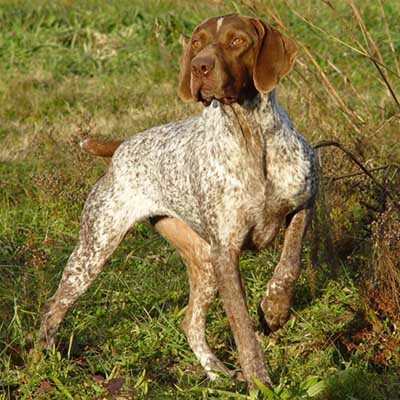
Braque Francais, de Petite Taille
The Braque Francais Pyrenean was originally developed exclusively for hunting purposes, but it has gradually transformed into a loyal companion for families. This breed is characterized by its eagerness to please rather than a dominant nature. With appropriate training, the Braque Francais Pyrenean can be an outstanding pet for households with children. However, it is not the ideal choice for a guard dog, as it is generally friendly and sociable, lacking a pronounced territorial instinct. As an active sporting dog, it needs plenty of exercise and becomes distressed if left alone in the yard without family interaction.
Read more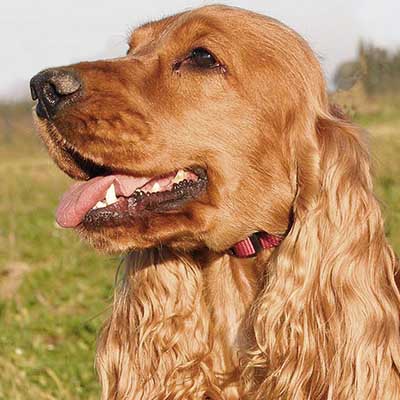
English Cocker Spaniel
English Cocker Spaniels are often described as joyful, a portrayal that truly captures their essence. Initially bred to retrieve game from thick underbrush during hunting expeditions, these dogs are energetic and devoted companions. Their coats, which are soft and silky, are prone to matting and tangling, making regular grooming essential due to their considerable shedding. The English Cocker Spaniel is the ancestor of the American Cocker Spaniel, which has been selectively bred to be somewhat smaller, with a rounder skull and a diminished prey drive. Although English Cocker Spaniels need more exercise than their American counterparts, they tend to be sturdier and less prone to anxiety or nervousness.
Read more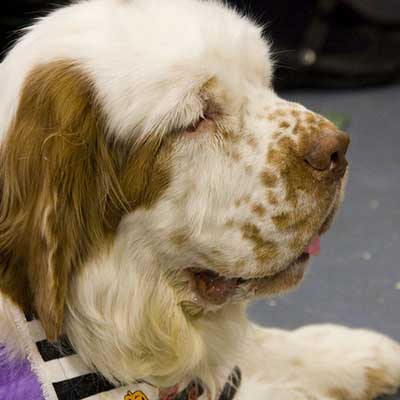
Clumber Spaniel
The Clumber Spaniel, which emerged in the 1700s, is celebrated as one of the oldest and sturdiest breeds within the Spaniel family. Its ancestry is believed to include the Alpine Spaniel, Basset Hound, and Saint Bernard. These dogs typically have a medium height but are characterized by their solid build. Renowned for their gentle and affectionate temperament, Clumber Spaniels often exhibit a playful and somewhat goofy personality. Although they may drool and shed, their intelligence and eagerness to learn make them delightful companions. Commonly known as the "retired gentleman’s Spaniel," they also excel as hunters. While they are generally easy to house train, it’s important not to leave them alone for long periods, as they can become bored and might chew on household items. With their short legs, large heads, and unique stature, Clumber Spaniels have a striking appearance.
Read more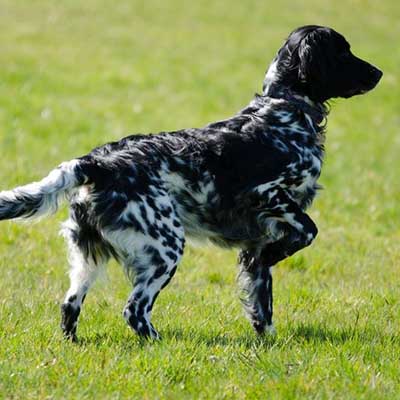
Large Munsterlander
The Munsterlander is a dynamic sporting breed that comes in two sizes: small and large. Although it is relatively new to the United States, it has long been favored for hunting in Europe. Both size variations require considerable attention and training to develop into well-adjusted family companions. With a strong hunting drive, the Munsterlander thrives when involved in meaningful activities. It is crucial for this breed to reside indoors, allowing for plenty of interaction with family members. If left unsupervised in the backyard, a Munsterlander may engage in mischief and potentially cause damage to your landscaping, as they are adept at finding ways to entertain themselves.
Read more