Gun Dog Group Breeds
This page features Gun Dog group breeds, offering detailed information for anyone interested in learning about these dogs. Each breed profile includes key traits such as temperament, size, energy level, and general care needs.
Many Gun Dog breeds were already in use by hunters before the advent of hunting with firearms. Originally used to hunt a variety of game types, today’s Gun Dogs are primarily used to hunt birds. The dogs in this Group can be roughly subdivided into four often overlapping categories, based on their primary usage: Retrievers, Pointers, Setters and Flushing Spaniels. The earliest Retrievers were the water dogs, characterized by shaggy, sometimes curly coats, and probably descended from crosses between the shaggy herding dogs of the East and dogs used for hunting. The land retrievers, developed later and primarily of British origin, have heavier bodies, wider heads, and shorter, dense, water-resistant coats. The many breeds of Pointers, developed to identify the location of birds with a distinctive “pointing” stance, are descendants of the scenthounds. Pointers display their ancestors’ strong hunting drive and scenting abilities. Early Setters displayed a trait of slightly crouching or “setting” upon locating game. This trait enabled falconers and hunters with nets to get closer to the birds when stalking their prey. Setters are characterized by fringes of hair on the ear, legs, and tail. Flushing Spaniels are the descendants of Setters with the added ability of flushing out the game. The affectionate personality and attractive appearance of the Spaniel breeds led to the development of diminutive Spaniel breeds used exclusively as companions.
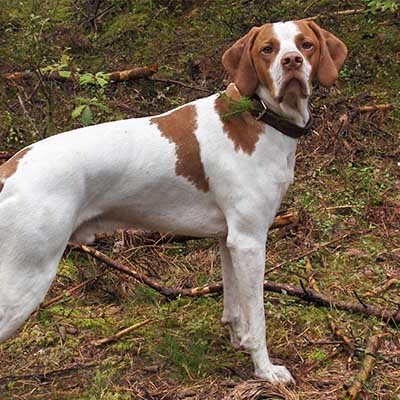
Braque Saint Germain
The Braque Saint Germain, originally developed as a sporting dog from a blend of English and French pointers, has become increasingly popular in the show ring thanks to its graceful appearance and well-rounded personality. Beyond its show dog status, this breed excels as a hunting partner, showcasing exceptional awareness, strong tracking skills, and a gentle mouth for retrieving game, which contributes to their ease of training. In a home environment, Braque Saint Germains are characterized by their relaxed, friendly, and affectionate demeanor, often expressing their affection through enthusiastic face-licking. Bred to hunt in groups, they are naturally sociable and typically get along well with strangers, other dogs, and children. However, without proper training and socialization, their instinct to chase may be triggered by non-canine animals. Moreover, they can function as decent watchdogs, promptly notifying their owners of new arrivals. However, they are not considered effective protectors, as they tend to bark without displaying aggression. Their energetic puppies can be quite a handful, particularly in homes with infants or toddlers due to their lively antics. Overall, the Braque Saint Germain's balanced temperament and impressive abilities make it an excellent choice for hunting, companionship, or competition in the show ring.
Read more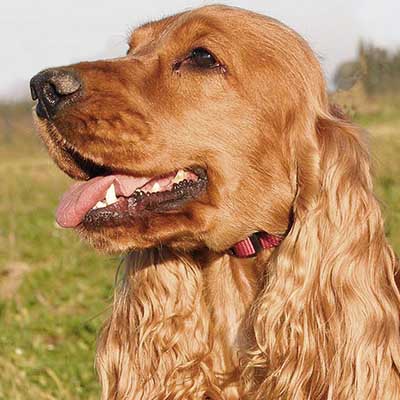
English Cocker Spaniel
English Cocker Spaniels are often described as joyful, a portrayal that truly captures their essence. Initially bred to retrieve game from thick underbrush during hunting expeditions, these dogs are energetic and devoted companions. Their coats, which are soft and silky, are prone to matting and tangling, making regular grooming essential due to their considerable shedding. The English Cocker Spaniel is the ancestor of the American Cocker Spaniel, which has been selectively bred to be somewhat smaller, with a rounder skull and a diminished prey drive. Although English Cocker Spaniels need more exercise than their American counterparts, they tend to be sturdier and less prone to anxiety or nervousness.
Read more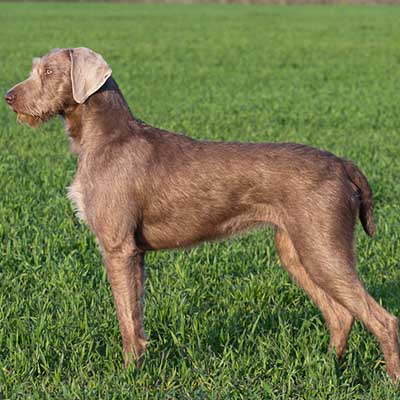
Slovakian Wire-Haired Pointing Dog
The Slovakian Rough-haired Pointer was created in the 1950s with the goal of developing a versatile hunting dog adept at tracking, pointing, and retrieving in both terrestrial and aquatic settings. Breeders successfully achieved this objective, resulting in a breed renowned for its strong work ethic and eagerness to please, which simplifies the training process. This breed is distinguished by its impressive stamina, enabling it to work for extended periods, and it flourishes in rural settings where it has plenty of room to explore and engage in physical activities. These dogs are not inclined to be sedentary; they have a high energy level that necessitates regular exercise to maintain their happiness. Without adequate physical activity, they may become discontented. However, after a vigorous run or a hunting outing, they transform into joyful companions who relish spending time with their families. Their strong need for companionship can lead to anxiety if they are left alone for long durations. Maintaining an active lifestyle for the Slovakian Rough-haired Pointer is crucial, as insufficient daily exercise can result in behavioral problems. Generally, they are friendly and well-tempered, particularly with children, but their lively nature means they should be monitored around younger kids.
Read more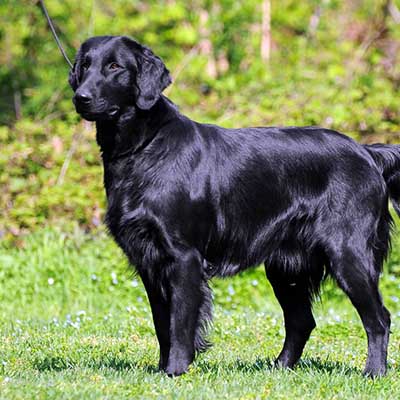
Flat Coated Retriever
The Flat-Coated Retriever is a remarkable breed, celebrated for its shiny black coat, although a deep liver hue can also be seen from time to time. This breed is categorized as large, standing up to 24.5 inches tall and weighing as much as 80 pounds. Hailing from England in the 1800s, these dogs were originally developed for retrieving waterfowl and serving as hunting companions. However, their popularity declined after World War I, especially as the Golden Retriever gained favor. Known for their playful nature, Flat-Coated Retrievers mature at a slower pace despite their considerable size. Nonetheless, this breed is charming and hardworking, sure to fill your life with joy and laughter.
Read more