Other Group Breeds
This page features Other group breeds, offering detailed information for anyone interested in learning about these dogs. Each breed profile includes key traits such as temperament, size, energy level, and general care needs.
This group includes dog breeds that do not fall into any of the standard categories. They may have unique characteristics, functions, or origins that make them distinct from the rest.

Box-a-Pug
The Box-a-Pug is a hybrid breed that emerges from the crossbreeding of a Boxer and a Pug. Their size can range from small to medium, influenced by the dominant traits of either parent breed. Often called Poxers, these dogs typically feature short coats that may be light brown, black, or brindle. They usually have curly tails, though some may have straight ones. Their muzzles are intermediate in length, being longer than a Pug's but shorter than a Boxer's. Renowned for their intelligence and lively disposition, Box-a-Pugs make wonderful companions and tend to get along well with children. They love to snuggle but can also act as vigilant watchdogs, despite their compact size.
Read more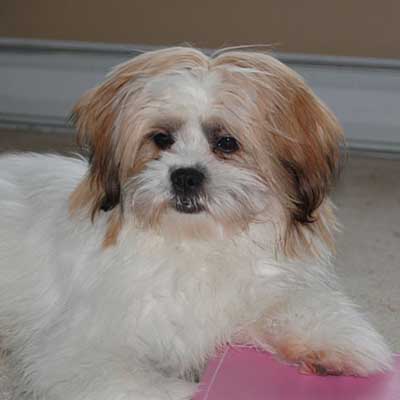
Shih-Mo
The Shih-Mo is an endearing hybrid designer dog that results from the crossbreeding of an American Eskimo and a Shih Tzu. This mix has surged in popularity over the last twenty years, although its exact origins are somewhat ambiguous. The Shih-Mo showcases a delightful combination of traits from both parent breeds, typically standing between 12 to 18 inches tall and weighing around 15 to 25 pounds, with females usually being a bit smaller than their male counterparts. Known for its long, silky coat that comes in shades of cream and tan, the Shih-Mo is celebrated for its affectionate and loving disposition. This breed is often seen as the perfect companion for both young children and the elderly, as it thrives on attention and enjoys its role as a devoted lapdog.
Read more
Vizsla Staff
The Vizsla Staff is a mixed breed resulting from the cross between the American Staffordshire Terrier and the Vizsla. Renowned for their athletic build, these dogs are full of vitality and have a joyful personality. Typically weighing around 50 pounds, they are surprisingly loving and enjoy snuggling with their owners, often behaving like lapdogs. Their short, low-shedding coats are easy to maintain, and although they may be susceptible to certain health concerns, they are generally quite sturdy. Their intelligence and strong connection with people make them excellent candidates for service roles, making them a wonderful option for active families in search of a devoted companion.
Read more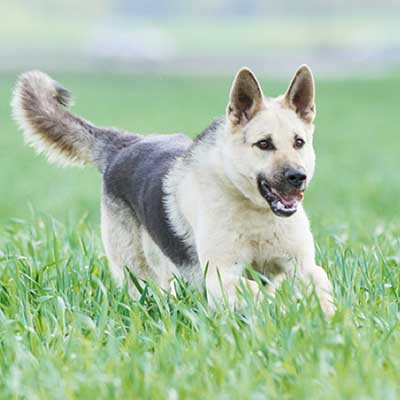
East European Shepherd
The East European Shepherd is an impressively large breed, recognized for its alert demeanor and strong protective nature. Developed in the 1930s, this breed was specifically bred to excel in colder environments and to mitigate the hip and joint problems often associated with its predecessor, the German Shepherd. These dogs are highly trainable, displaying obedience and a desire to please, which means they require little repetition during training. As attentive guardians, they are quick to notify their owners of any potential threats and are courageous in defending their loved ones. For East European Shepherds, growing up with children is crucial, as it helps forge a deep bond that can last a lifetime. However, they tend to be wary of unfamiliar people, including children, highlighting the necessity of early socialization. While they can adapt to living in apartments, they truly flourish in homes with yards that provide ample space for exercise and exploration. These intelligent dogs are well-suited for a variety of working roles, including law enforcement and search and rescue, but they also excel as devoted companions, always ready to assist their owners in any circumstance.
Read more
Puganese
The Puganese is a charming blend of Pug and Havanese, typically weighing about ten pounds. This small hybrid is celebrated for its joyful personality and thrives on the affection it receives from its owners. Similar to its Pug lineage, the Puganese possesses a natural curiosity and a desire to explore its environment. However, it also inherits a more assertive temperament from the Pekingese, which can sometimes lead to attempts to assert dominance within the household, potentially resulting in aggressive behavior and excessive barking. Consequently, it is essential for a Puganese to have a confident owner who can provide strong leadership, ensuring that the humans in the household maintain control over the dog.
Read more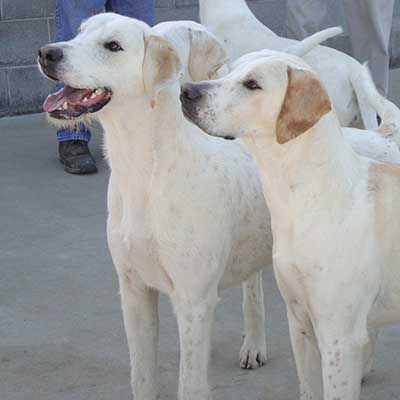
July Hound
The July Hound is a unique variety of American Foxhound, developed by integrating Irish Foxhounds recognized for their exceptional hunting skills, particularly in tracking the Red Fox, a robust and common species. Previous foxhound breeds in the United States were mainly designed for hunting the Grey Fox, which escapes danger by climbing trees. Colonel Miles G. Harris, a Georgian hunter, established the July Hound lineage to create a dog better suited for tracking the ground-dwelling Red Fox, in contrast to the tree-climbing Grey Fox that his earlier dogs had been trained to chase.
Read more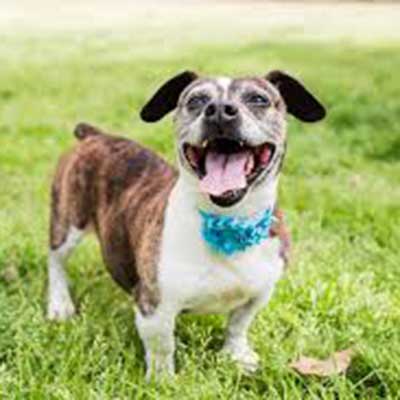
Miniature English Bulldach
The Miniature English Bulldach is a thoughtfully designed hybrid breed, created by combining the English Bulldog—originally developed as a companion for bull baiting—with the Dachshund, a tenacious hunting dog known for pursuing badgers and foxes in their dens. Like many mixed breeds, the Miniature English Bulldach can inherit various characteristics from both parent breeds. Typically, this breed is more robust and relaxed than the Dachshund, showcasing a longer muzzle, back, and tail than the English Bulldog, along with a bit more vitality. They are generally friendly with individuals of all ages, but it’s crucial to monitor their interactions with other dogs and children. While they usually coexist peacefully with other pets, some male Miniature English Bulldachs may display aggression towards other dogs, and their Dachshund heritage may lead them to chase small or fast-moving animals.
Read more
Boxmas
The Boxmas, a hybrid breed resulting from the combination of a Boxer and a Mastiff, is known for its affectionate nature, loyalty, and strong devotion to its family. If not trained properly from a young age, this breed can develop a strong attachment to one particular owner. Typically calm and not prone to excessive barking, the Boxmas is a well-mannered companion. Although its origins are not thoroughly documented, this breed has gained recognition in Europe in recent years. With a sharp awareness of its surroundings, the Boxmas is skilled at monitoring its environment and effectively guarding against potential threats. While it may seem intimidating at first, its endearing personality is likely to win you over. The breed boasts a short, dense coat that is water-resistant, making grooming easy, provided it receives regular exercise and energetic playtime.
Read more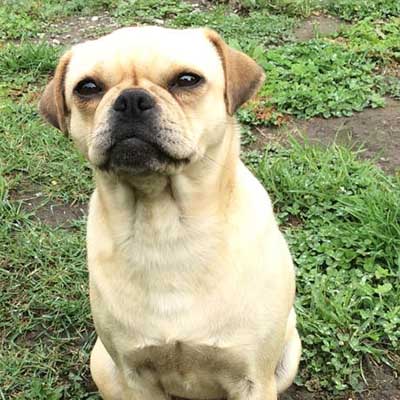
Mini Poxer
The Mini Poxer is an endearing hybrid that merges the charming Pug with the more obscure Mini Fox Terrier. This petite canine has a balanced energy level and is overflowing with love for its family. However, prospective owners should note that these mixed breeds can be quite headstrong, potentially leading to difficulties in training, which might not make them the best choice for novice dog owners. Unlike many Terrier mixes, the Mini Poxer flourishes with human companionship, which is crucial for its happiness. As a result, owners need to be ready to invest significant time in nurturing this spirited and cheerful pet.
Read more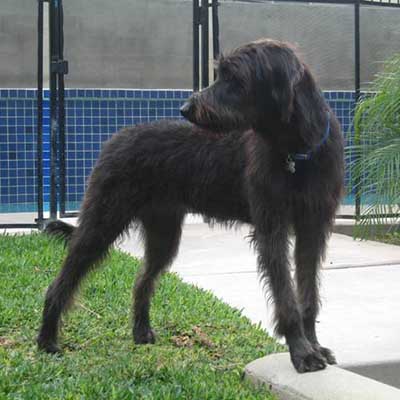
Doodleman Pinscher
The Doodleman Pinscher is a large hybrid breed created by crossing a Doberman Pinscher with a Standard Poodle. This breed is characterized by its thick, wavy coat, which comes in a variety of colors, including black and white, and typically ranges from short to medium in length. Weighing around 75 pounds on average and standing about 26 inches tall, they are generally easy to train. However, they may show signs of stubbornness if not managed with a consistent and firm approach. It's crucial to avoid using physical punishment, as this can provoke aggressive tendencies. Thanks to their Poodle heritage, Doodleman Pinschers require regular grooming and thrive as family pets, especially when they have access to a yard for exercise.
Read more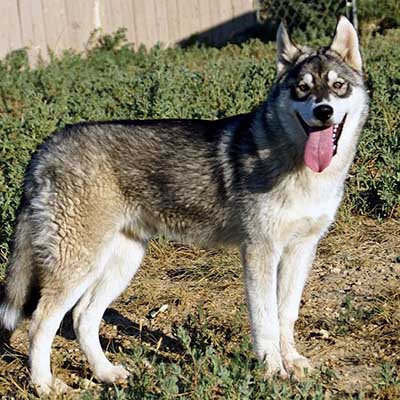
Kugsha
The Kugsha, also known as the Amerindian Malamute, suffers from a lack of acknowledgment by both national and international Kennel Clubs, resulting in limited information about the breed. This Spitz-type dog bears a striking resemblance to wolves, evident in its unique head shape, size, coloration, and coat texture. Historically, Kugshas were bred primarily for their strength and energy, making them excellent weight-pullers. They are also sometimes employed as guard dogs, thanks to their imposing presence and fierce appearance. These dogs are recognized for their intelligence, which requires an experienced owner for proper training and socialization. Early intervention in training is essential to unlock their full behavioral potential. While Kugshas are moderately social and typically get along with other dogs, they develop strong bonds with their families. This deep attachment can lead to separation anxiety, potentially resulting in destructive behaviors if not managed. They display a gentle affection and playfulness but require substantial exercise, relishing the opportunity to run and explore in open areas like dog parks or backyards. Due to their size, training difficulties, and occasionally sensitive nature, Kugshas remain primarily working dogs and have not yet made a significant shift towards being companion animals.
Read more
Malti-Pug
The Malti-Pug is a designer dog, often called a boutique breed, resulting from the deliberate crossbreeding of two well-known companion breeds: the Pug and the Maltese Terrier. The Pug, a small dog with a unique short snout originating from China, is known for its loving nature and playful behavior. On the other hand, the Maltese Terrier, a small white dog, is adored for its energetic and friendly disposition. The blend of these two breeds produces a small dog that is both delightful and entertaining. Although they are sociable and get along well with people, this friendliness means they are not the best choice for a watchdog. Nevertheless, their calm demeanor and low exercise requirements make them ideal for living in apartments.
Read more