Terrier Group Breeds
This page features Terrier group breeds, offering detailed information for anyone interested in learning about these dogs. Each breed profile includes key traits such as temperament, size, energy level, and general care needs.
Terriers are probably descended from small Spitz-type dogs. The majority of the Terrier breeds were developed in Britain and were bred to assist in controlling vermin. Terriers are characterized by feisty temperaments, weather-resistant coats, muscular bodies, and strongly independent natures. The Feist breeds are descended from the terriers brought over by working class immigrants. These terriers probably included crosses between the Smooth Fox Terrier, the Manchester Terrier and the now extinct white English Terrier. Some of these dogs were crossed with Whippets or Italian Greyhounds (for speed) and Beagles (for hunting ability). Eventually, these tough little terriers evolved into today’s squirrel-hunting Feists.
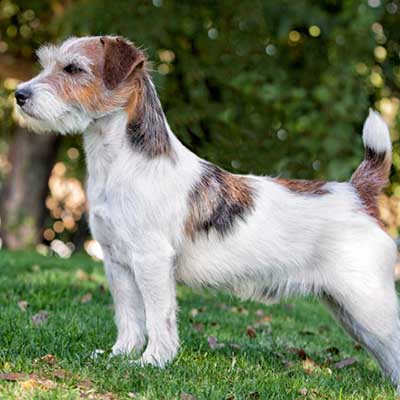
Russell Terrier
The Russell Terrier is a lively and spirited small breed, full of character. These dogs are not just active; they also possess a commanding presence. Often characterized as intelligent, strong-willed, determined, impulsive, and spirited, they have a quick bark and an even quicker chase. Bred initially for hunting small game, they maintain a strong instinct to pursue, so it's wise to be cautious around cats and other small animals. Without proper socialization during their early development, they may show aggression towards other dogs, including those of their own kind. With their abundant energy, Russell Terriers excel in activities like fetching, digging, and participating in engaging games such as agility training, flyball, or advanced obedience tasks. To ensure their happiness and well-being, they need plenty of physical exercise and mental challenges, along with a strong leader—usually their owner—who can gain their respect and emphasize the importance of obedience. When nurtured and trained with a firm yet affectionate approach, these dogs can become wonderful companions, displaying loyalty and friendliness. However, their high energy levels make them unsuitable for a calm or solitary lifestyle, although they can adapt to apartment living if they receive adequate exercise throughout the day.
Read more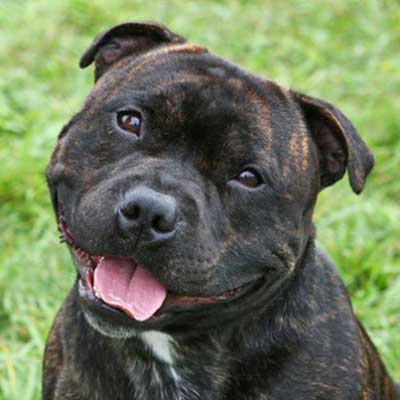
Staffordshire Bull Terrier
Often confused with its colonial counterpart, the American Staffordshire Bull Terrier, the Staffordshire Bull Terrier is somewhat shorter but equally strong and muscular. Commonly known as "Stafford," this breed is celebrated for its lively and playful demeanor. While it does not actively seek out conflict, it is steadfast when challenged. Initially bred for dog fighting and ratting, the Staffordshire Bull Terrier underwent a transformation in its role after such cruel practices were banned in England. Despite its tough image, early breeding focused on cultivating gentler characteristics, which enhanced its loyalty and protective instincts towards its family. Today, this loving breed is an excellent companion for energetic families, full of vitality and enthusiasm for play.
Read more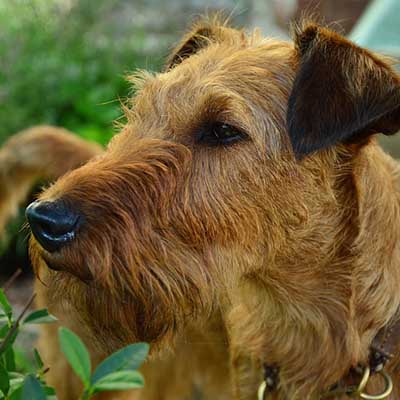
Irish Terrier
The Irish Terrier, celebrated for its spirited and adventurous nature, holds the distinction of being the oldest among all Terrier breeds, although its exact origins are somewhat ambiguous. Historical documentation suggests that by the 17th century, this breed was esteemed in Ireland for its prowess in hunting vermin and serving as a guard dog on rural farms. By the 18th century, the Irish Terrier had become popular in dog shows throughout Ireland, England, Scotland, and even the United States. Today, this medium-sized dog, known for its wiry coat, is treasured as a loyal, joyful, and energetic family companion. While it requires little grooming, this resolute breed demands plenty of daily exercise, along with early socialization and training to flourish.
Read more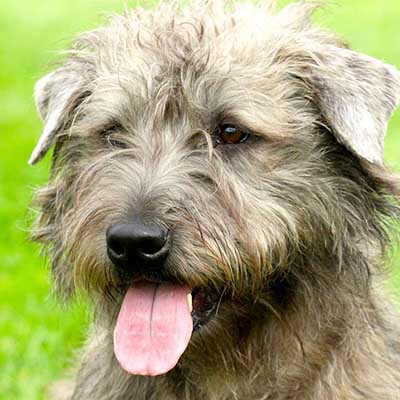
Glen of Imaal Terrier
The Glen of Imaal Terrier is frequently seen as a distinctively shaped small dog. With a sturdy physique and short legs, this breed usually reaches about 14 inches in height at the shoulder. Known for its lively personality, the Glen of Imaal Terrier is incredibly loving towards its family. Originally developed for hunting pests like vermin, badgers, and foxes, this breed has a natural tendency to dig and flourishes when given tasks to accomplish. While he makes a reliable watchdog, his bark can be surprisingly powerful for such a small dog. To manage his Terrier instincts and ensure a peaceful home environment, effective training is crucial.
Read more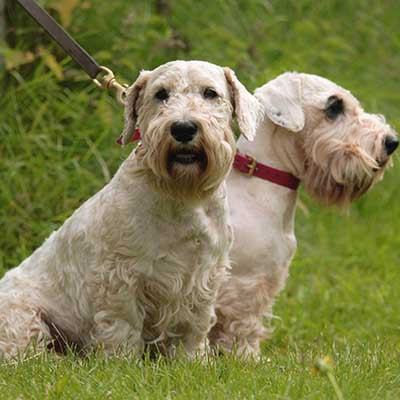
Sporting Lucas Terrier
The Sporting Lucas Terrier was initially developed to hunt small pests, but it has evolved into a charming and loving pet. This breed is characterized by its vibrant energy, lively personality, and sharp awareness—qualities commonly found in terriers. Although he is active, he is not overly excitable and tends to be relatively easy to train. He enjoys running, playing, and interacting with his family, but he also knows how to relax and appreciate peaceful moments at home. To help him become a well-adjusted member of the family, early socialization is crucial for the Sporting Lucas Terrier.
Read more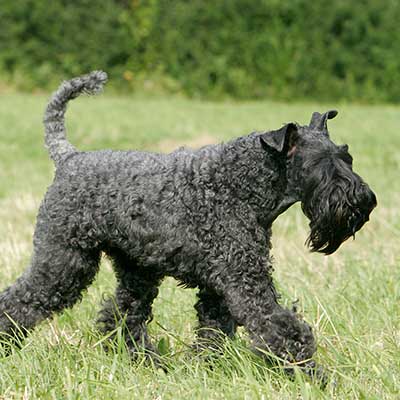
Kerry Blue Terrier
The Kerry Blue Terrier is renowned for its loyalty, intelligence, and sometimes entertaining behavior during play. This medium-sized breed has a robust and muscular physique, which means they require supervision while playing, especially around young children. If they are not properly socialized as puppies, they may become moody or reserved, making it essential for their owners to be strong yet fair and consistent in their training approach. These dogs respond best to positive reinforcement, thriving on praise and rewards rather than harsh discipline. They are particularly sensitive to any perceived unfairness, which can trigger aggressive tendencies if they feel mistreated. Although they are quite energetic, Kerry Blue Terriers can adjust well to living indoors, including in apartments, as long as they receive a good daily walk to help them burn off energy. When out for walks, it’s crucial to keep them on a leash due to their strong hunting instincts, as they may chase after small animals. They can also show aggression towards other dogs, often trying to establish their dominance. Their stunning, soft coat is advantageous for those with allergies, but it requires weekly grooming to keep it in good shape. Regular cleaning of their beards is also necessary to avoid odors from trapped food. Generally, these dogs need a bath once a week and a trim every six weeks. They are low-odor, do not drool, and are extremely loyal to their families. However, they may develop a habit of barking unless trained to limit it to a single bark, a lesson that should start during their puppy stage.
Read more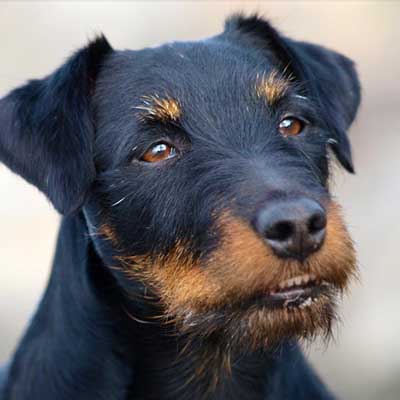
Jagdterrier
The Jagdterrier, pronounced YAHK-terrier, is a devoted hunting and sporting dog that approaches its duties with great seriousness. While it serves primarily as a hunting partner in Germany, this breed is relatively rare outside its homeland. Renowned for its sharp intelligence, the Jagdterrier keeps its owner both engaged and alert. To maintain its well-being, this breed needs plenty of daily exercise. Families interested in adopting a Jagdterrier should be quite active or willing to participate in dog sports such as agility, barn hunts, or rally training. This dog typically forms a strong bond with a specific person or family, which can complicate the process of rehoming as it grows older.
Read more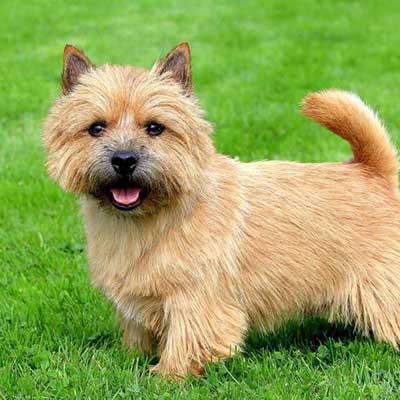
Norwich Terrier
The Norwich Terrier breed originated in England during the 1800s, initially developed as a working dog to control rat populations and other vermin in stables. This breed is the smallest among working terriers, typically standing about 10 inches tall and weighing around 11 pounds. Their coat can come in various colors, including black and tan, grizzle, wheaten, tan, and red. Although these lively dogs were once celebrated for their hunting abilities, they are now mainly cherished as companion animals and show dogs. According to the American Kennel Club, the Norwich Terrier ranks as the 104th most popular breed in the United States, with its registration beginning in 1936. Despite their petite size, they are recognized for their spirited, energetic, and determined personalities, making them endearing and loving pets.
Read more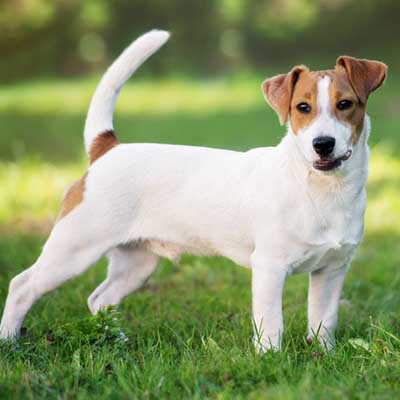
Jack Russell Terrier
The Jack Russell Terrier is a breed that has gained fame through popular television series like Frasier and Wishbone. Many fans have fallen in love with the quirky and endearing personalities of characters like Eddie from Frasier and Wishbone. However, the reality of owning a Jack Russell Terrier is quite different from what is depicted on screen. The dogs featured in these shows are supported by professional trainers and are given specific tasks to perform. In contrast, a real Jack Russell Terrier thrives on interaction and will actively seek out ways to entertain itself if its owner is busy. This breed is known for its high energy levels, relishing activities such as running, digging, and engaging in playful mischief. With the right training and an appropriate outlet for their considerable energy, they can make wonderful and loving companions.
Read more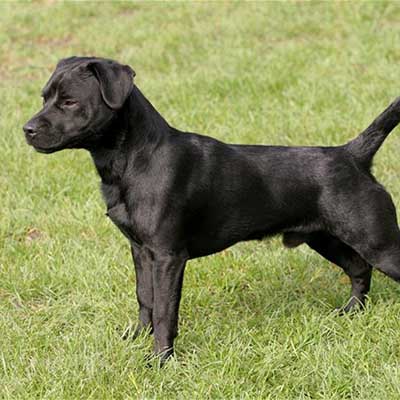
Patterdale Terrier
The Patterdale Terrier is characterized by its compact and robust build, typically featuring a short, smooth, or rough coat that is predominantly black—appearing in about 95% of cases—though variations in red, brown, and black and tan are also present. Staying true to their terrier lineage, these dogs exhibit a lively temperament, a dynamic personality, and are known for their resilience and dependability. Beneath their tough exterior lies a friendly, protective, and affectionate disposition. Despite their charming and cuddly looks, Patterdale Terriers are full of energy! Bred originally for hunting small game such as rats, foxes, and rabbits, they are quick and curious, thriving in outdoor settings where they can explore and express their playful nature. As a result, they are not ideal for apartment living; they thrive best in homes with secure yards or, preferably, in rural areas. These dogs typically get along well with children, although they may compete for attention. Given their strong hunting instincts, it’s wise to keep them away from smaller pets in the home. Small yet sturdy and exceptionally friendly, the Patterdale Terrier is fundamentally a working dog, making them a perfect companion for those with an active lifestyle who can keep up with their energetic nature.
Read more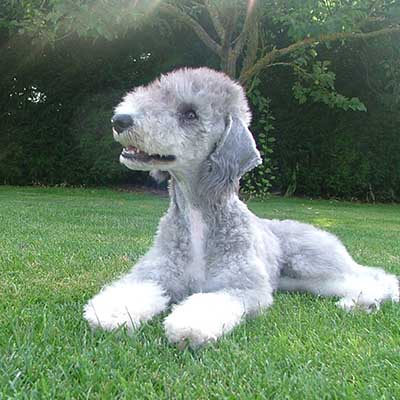
Bedlington Terrier
Bedlington Terriers stand out among Terrier breeds for their unique characteristics, typically weighing between 17 and 23 pounds. Females generally reach an average height of about 15.5 inches, while males are slightly taller at around 16.5 inches. These dogs are known for their graceful physique, which includes a slender build, lively personality, and distinctive coat. Their appearance is further enhanced by an arched back, ears adorned with tassels, and a narrow head. With gentle expressions, they exude a friendly nature, displaying neither shyness nor anxiety. Often regarded as delightful, entertaining, and loyal companions, Bedlington Terriers possess remarkable stamina, showcasing the energetic qualities of a Terrier along with the speed of a small coursing Hound. They respond well to training and typically interact positively with children and other dogs, especially when supervised. Although generally healthy, some may experience issues related to copper toxicosis. Their non-shedding single coat requires regular grooming, including scissor trimming and clipping, to maintain its appearance.
Read more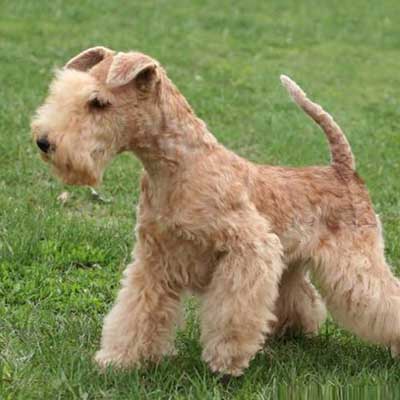
Lakeland Terrier
The Lakeland Terrier is one of the oldest breeds within the Terrier group, initially developed for hunting a range of pests such as otters, badgers, and even foxes. Since some of these animals could be larger than the dog, these Terriers were bred to be remarkably courageous. However, despite their boldness in the field, they are more prone to separation anxiety than many other breeds. Often considered hypoallergenic, Lakeland Terriers have minimal shedding and low odor. Although they don’t need regular baths, keeping their coat healthy requires weekly brushing and occasional clipping or stripping.
Read more