Scenthound Group Breeds
This page features Scenthound group breeds, offering detailed information for anyone interested in learning about these dogs. Each breed profile includes key traits such as temperament, size, energy level, and general care needs.
This group is divided into two types: Tree Hounds and Trailing Hounds. Tree Hounds Included in this group are the seven Coonhound breeds and the four Cur breeds. The Coonhounds are descended from Trailing Hounds brought to the United States shortly after the country was founded. The ancestors of the Coonhound breeds include the English Foxhound, red Irish hounds, the French Bleu de Gascogne hounds, and the German brindle Schweisshunds. Hounds in America were utility dogs whose primary function was to help feed the family, but who also served as guard dogs and family companions. As the Tree Hounds evolved from the earlier Trailing Hound breeds, the dogs developed the ability to drive game up a tree, alert the hunter with a distinctive “bark,” and hold the game in the tree until the hunter arrived. Because of the vast size of American hunting grounds, the Tree Hounds needed superior stamina and a “cold” nose, that is, the ability to smell and track old, cold trails. As more coon hunters became pleasure hunters and then competition hunters, the traits of the six individual Coonhound breeds became more distinct. Curs were developed by early settlers in the southern and western United States as all-purpose dogs. Curs are excellent tree dogs, used to hunt squirrel, coon, mountain lion, and bear. They are used in Louisiana and Texas to hunt wild hogs. They also serve as stock dogs. Trailing Hounds The trailing Scenthounds are probably descended from Mastiffs bred by Celtic tribes in Europe and Britain. During the Middle Ages, Belgian monks developed a strain of black and tan hounds called the St. Hubert Hound, which was the basis of many of these breeds. Trailing Hounds are characterized by their strongly developed tracking ability, their hanging ears, their endurance, and their congenial dispositions which predispose them to working in a pack. Many Trailing Hounds are also famous for the baying sounds they make when hunting.
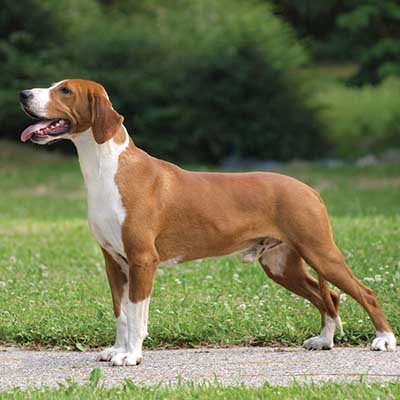
Posavaz Hound
The Posavaz Hound is a small yet robust scent hound, primarily bred for hunting small game. These dogs are known for their joyful and loving nature, often forming deep connections with their families. However, they thrive on regular interaction and exercise; a lack of these can result in destructive behaviors and heightened anxiety. Given their energetic disposition, they are not ideal for apartment living. Effective training and socialization require a confident and skilled leader. Without proper guidance, these dogs may try to take charge, leading to potential issues within the home. Therefore, enrolling them in training classes is strongly recommended to help them grasp their place in the family structure.
Read more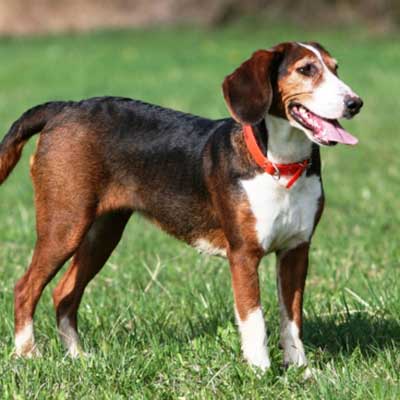
Deutsche Bracke
The Deutsche Bracke is an eye-catching and endearing breed, generally falling within the small to medium size range. While they enjoy popularity in Germany, they are still relatively unknown in many other regions. Bred initially for hunting purposes, these dogs need plenty of exercise, ideally engaging in physical activities twice daily. They thrive on companionship and can experience anxiety if left alone for long stretches, which may result in unwanted behaviors. Their gentle nature makes them excellent companions for families, especially around children. Sociable with other dogs, the Deutsche Bracke has been trained to hunt both in packs and individually. However, their strong hunting instincts can pose a threat to smaller pets like cats or rabbits, so supervision is crucial. Despite their calm demeanor, their independent streak can make training a bit challenging. This breed does not respond well to harsh training methods; instead, positive reinforcement is essential. Training sessions should be fun, varied, and brief to keep their attention. When taking the Deutsche Bracke for walks, it’s important to keep them on a leash, as they can quickly take off in pursuit of an intriguing scent. Once they catch a whiff of something interesting, redirecting their focus can be quite difficult. Overall, this breed is eager to please, affectionate, intelligent, and a devoted companion.
Read more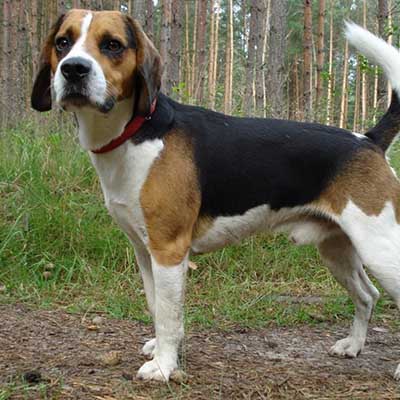
Harrier
The Harrier is frequently mistaken for either a small English Foxhound or a larger Beagle. However, it is essential to understand that the Harrier is a distinct breed, historically bred as a scenthound for hunting foxes and hares. This breed is relatively rare and is believed to have its roots dating back to 1066 AD. Renowned for its loyalty, the Harrier exemplifies the ideal hound. It is an active dog with a playful nature and a strong tendency to vocalize. The Harrier expresses itself through a range of sounds, including moans, groans, mumbles, and grumbles, and, true to its hound heritage, it can also emit the characteristic loud bay associated with its breed.
Read more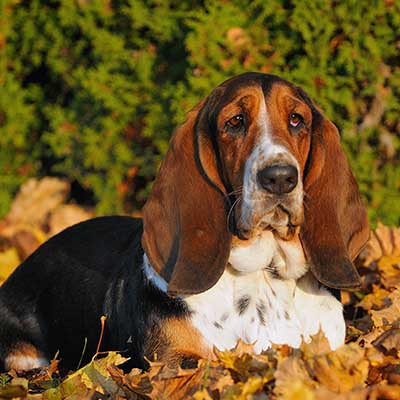
Chien d'Artois
Originating in the 15th century, the Chien d'Artois, or Artois Hound, is a breed rich in history, though it exists today in limited numbers. This breed holds a unique position in the canine world, being a descendant of the famous Bloodhound and likely an ancestor of the well-loved Beagle. However, unlike these two breeds, the Artois Hound has not achieved widespread recognition on an international scale. While it shares many physical and behavioral characteristics with both the Bloodhound and Beagle, the Artois Hound remains relatively rare outside of France. Nevertheless, its scarcity does not lessen its worth. Historically, this breed has been valued by royalty and respected by hunters for its remarkable abilities and temperament. Over the years, the Artois Hound has evolved from a hunting and tracking dog to a beloved companion, known for its friendly and affectionate nature. This shift seems to be ongoing, as the breed's popularity has been gradually rising in recent times.
Read more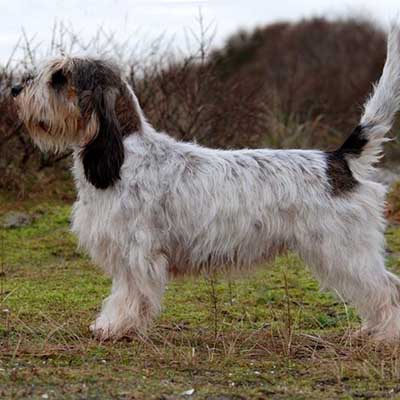
Grand Basset Griffon Vendeen
The Grand Basset Griffon Vendéen, commonly known as the GBGV among fans, is an energetic and lively companion that flourishes with consistent direction and well-defined limits. Although he is bright and learns quickly, his stubborn streak can sometimes test your patience. This breed is not suited for small living quarters like apartments; rather, he thrives in spacious environments that allow for plenty of outdoor exercise. With a naturally sociable nature, the GBGV is friendly and approachable, making him an excellent choice for therapy work, as he truly relishes meeting new people.
Read more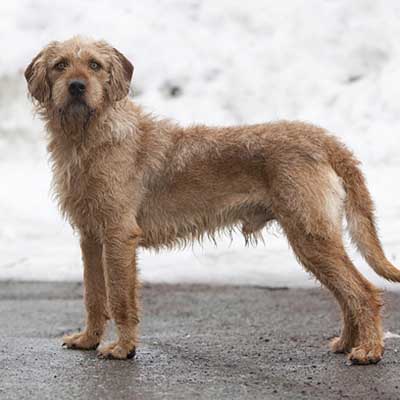
Istrian Coarse-Haired Hound
The Istrian Coarse-Haired Hound is a medium-sized scent hound that remains largely unfamiliar outside of Croatia and Slovenia. This breed was specifically bred for hunting a variety of game, such as foxes, rabbits, hares, and wild boars. While he is primarily appreciated as a hunting partner, he also makes a devoted pet. This lively dog thrives on physical activity and will find ways to entertain himself if his owner cannot give him enough attention. To ensure his happiness and health, he needs an active family willing to spend time with him, along with a securely fenced yard to keep him from getting into trouble in the neighborhood.
Read more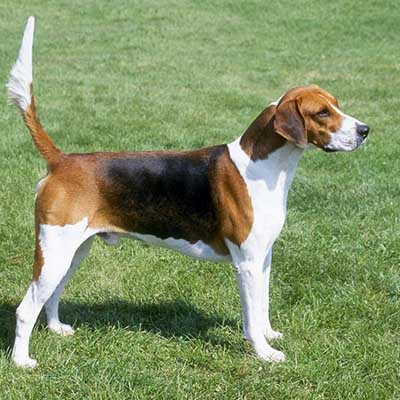
English Foxhound
The English Foxhound is a sturdy breed recognized for its low occurrence of genetic or hereditary health problems. Established in 1750, this breed emerged from the crossbreeding of various hounds with different dog breeds to create a dependable companion for tracking foxes. Generally, they reach a height of about 25 inches and weigh between 55 and 75 pounds. These dogs come in a range of color patterns and are built for endurance rather than speed. With their large brown eyes and gentle nature, English Foxhounds possess a charming and friendly appeal. Although they were originally developed for fox hunting, they also make excellent pets and reliable watchdogs. However, their natural inclination to bay can result in a fair amount of vocalization.
Read more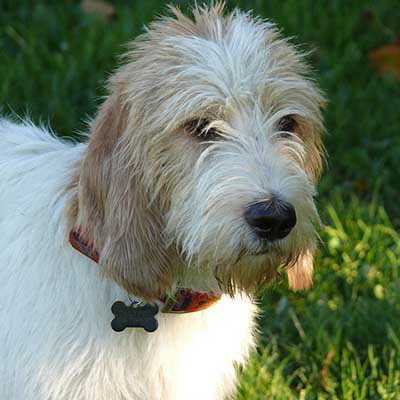
Briquet Griffon Vendeen
The Briquet Griffon Vendéen is the least known of the four Griffon Vendéen varieties, which also include the Grand Griffon Vendéen, Grand Basset Griffon Vendéen, and Petit Basset Griffon Vendéen. The name "Briquet" means "medium-sized dog," which accurately describes this breed as a mid-sized member of its group. Although they are smaller than some of their relatives, they are celebrated for their lively personalities. These dogs are energetic hunters, possessing sharp senses and remarkable endurance. Furthermore, Briquet Griffon Vendéens are sociable and laid-back, making them suitable for a variety of family settings. They generally get along well with other dogs, strangers, and children, but unlike many other French scent hounds, they are more discerning in their interactions, alerting their owners to any unusual occurrences. Their high energy levels and intelligence mean they flourish when engaged in tasks or activities that challenge them mentally and physically, such as playing fetch. While they can be excellent running partners, they require consistent training due to their strong-willed and independent nature, which can make training a bit difficult. A balanced approach that combines firmness with patience is crucial. Even well-trained Briquet Griffon Vendéens may sometimes choose to follow their instincts over their owner's commands. Despite this stubborn streak, they shine as both hunters and companions, fully embracing these roles with enthusiasm.
Read more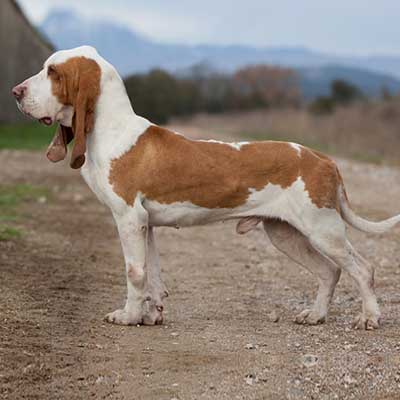
Spanish Hound
The Spanish Hound is a breed steeped in history, originally developed for hunting a variety of game such as foxes, hares, wild boars, and even bears. Renowned for their exceptional stamina, these dogs can traverse long distances once they pick up the scent of their quarry. As a breed full of energy, they flourish in expansive spaces; without enough room to roam, they may exhibit destructive tendencies. This breed is ill-suited for apartment living and should be kept in a securely fenced area when not actively hunting. Although their main role was as working dogs rather than companions, with enough patience and consistent exercise, they can adjust to family life and become devoted pets.
Read more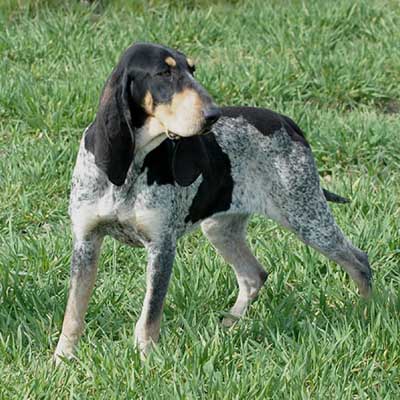
Grand Bleu De Gascogne
The Grand Bleu de Gascogne is a large, ancient breed believed to have descended from dogs kept by the Gauls and Phoenicians. Recognized for their historical importance and genetic contributions, they are one of the two primary breeds that have influenced the development of many modern hound types over the last thousand years or more. These dogs are adept hunters, known for their slow and steady approach, yet they are methodical and efficient, having been used for centuries to track significant game like deer, wolves, and boar—aptly reflected in their name, "grand," which denotes their impressive targets. Traditionally, they have hunted in packs, which has cultivated a friendly nature and a remarkably strong, almost musical voice that facilitates communication among pack members and with hunters. With a well-balanced temperament, they are typically sociable and amiable at home, but they display a lively enthusiasm when out in the field. Regrettably, the decline of pack hunting—partly due to evolving needs and the expenses associated with such practices—has made the Grand Bleu de Gascogne a rare breed. Their population has significantly decreased during periods of conflict and continues to diminish in contemporary times. However, passionate breed advocates are striving to sustain their numbers, albeit on a small scale. While this breed originates from France, its near-cult following in the United States has led many to perceive that they are more prevalent and favored there than anywhere else in the world.
Read more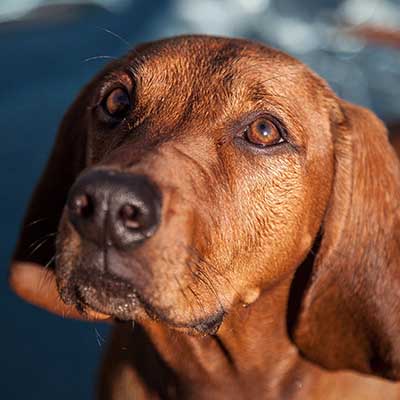
Redbone Coonhound
The Redbone Coonhound traces its roots back to 18th century America, emerging from a blend of Foxhounds and Bloodhounds brought over from Ireland and Scotland. These dogs were specifically bred for their speed and tracking abilities, enabling them to pursue raccoons as they climb trees. Known for their agility and energetic nature, Redbone Coonhounds can easily traverse a variety of landscapes. Their striking solid red coat is a defining characteristic of the breed. Valued for their loyalty and affectionate nature, they make wonderful family companions and adapt well to different hunting situations. Breed enthusiasts particularly admire their deep, resonant bark, which can carry for miles, especially when they catch an intriguing scent, often drawing attention from nearby residents.
Read more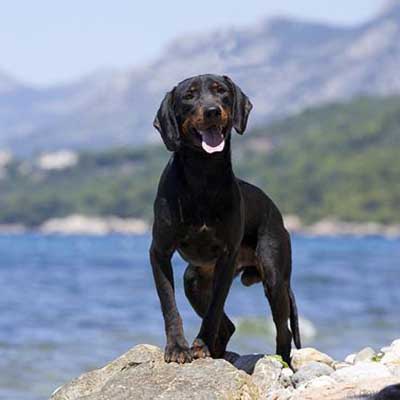
Montenegrin Mountain Hound
Similar to other scent hounds from the area, the Montenegrin Mountain Hound, previously known as the Black or Yugoslavian Mountain Hound, is recognized for its amiable nature and exceptional tracking abilities. These dogs are admired not only for their acute sense of smell but also for their sturdy build, remarkable endurance, steadfast determination, and generally well-rounded temperament. As their name suggests, they were specifically bred to traverse challenging mountainous terrains and have a rich history as dedicated hunters, pursuing small game like hares and foxes, as well as occasionally larger animals such as deer and wild boar, often in groups. Their characteristics are deeply intertwined with their historical functions, which enhance their friendly interactions with other dogs and their laid-back demeanor towards most people. Montenegrin Mountain Hounds develop strong attachments to their owners and families, showing considerable affection, especially towards those who train them. While they may not be the simplest dogs to train, they can be managed by experienced owners who provide consistent yet gentle instruction. In recent times, these hounds have shifted from being hunting partners to cherished family pets, largely due to their easygoing temperament that makes them relatively low-maintenance. However, they do present some challenges, including a high energy level that requires significant exercise and a strong prey drive, which can make them less suitable for homes with non-canine pets. Furthermore, their instinct to alert their owners to potential prey or excitement often results in barking, which may not be ideal for apartment living unless they are properly trained. An intriguing fact: the most famous representative of this breed is a rubber hand puppet named Triumph, the Insult Comic Dog, who appeared on Late Night with Conan O'Brien.
Read more