English Foxhound
Foxhound
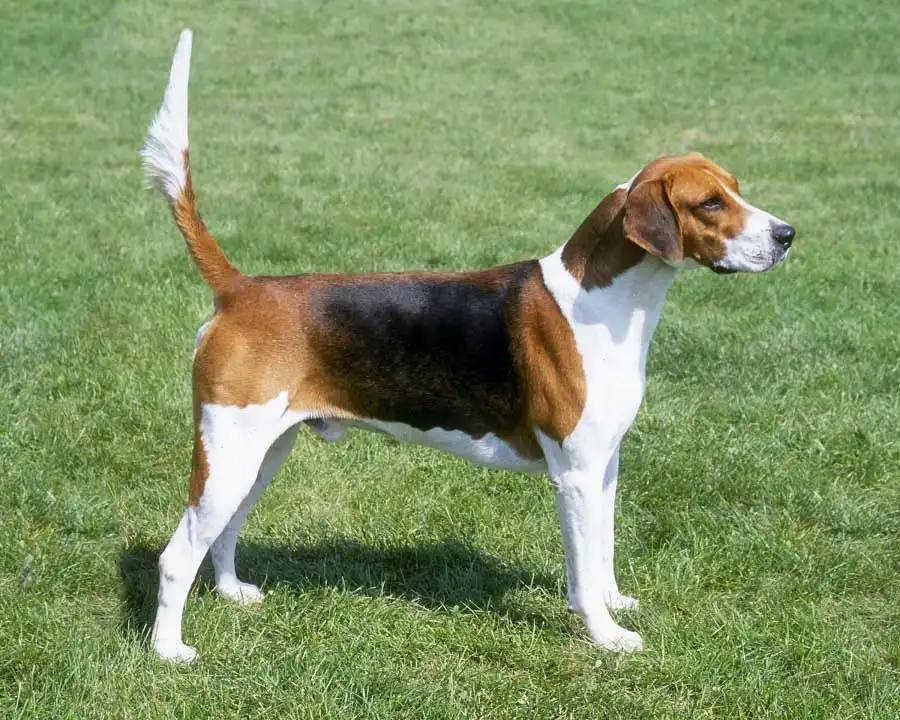
The English Foxhound is a sturdy breed recognized for its low occurrence of genetic or hereditary health problems. Established in 1750, this breed emerged from the crossbreeding of various hounds with different dog breeds to create a dependable companion for tracking foxes. Generally, they reach a height of about 25 inches and weigh between 55 and 75 pounds. These dogs come in a range of color patterns and are built for endurance rather than speed. With their large brown eyes and gentle nature, English Foxhounds possess a charming and friendly appeal. Although they were originally developed for fox hunting, they also make excellent pets and reliable watchdogs. However, their natural inclination to bay can result in a fair amount of vocalization.
Breed Origin
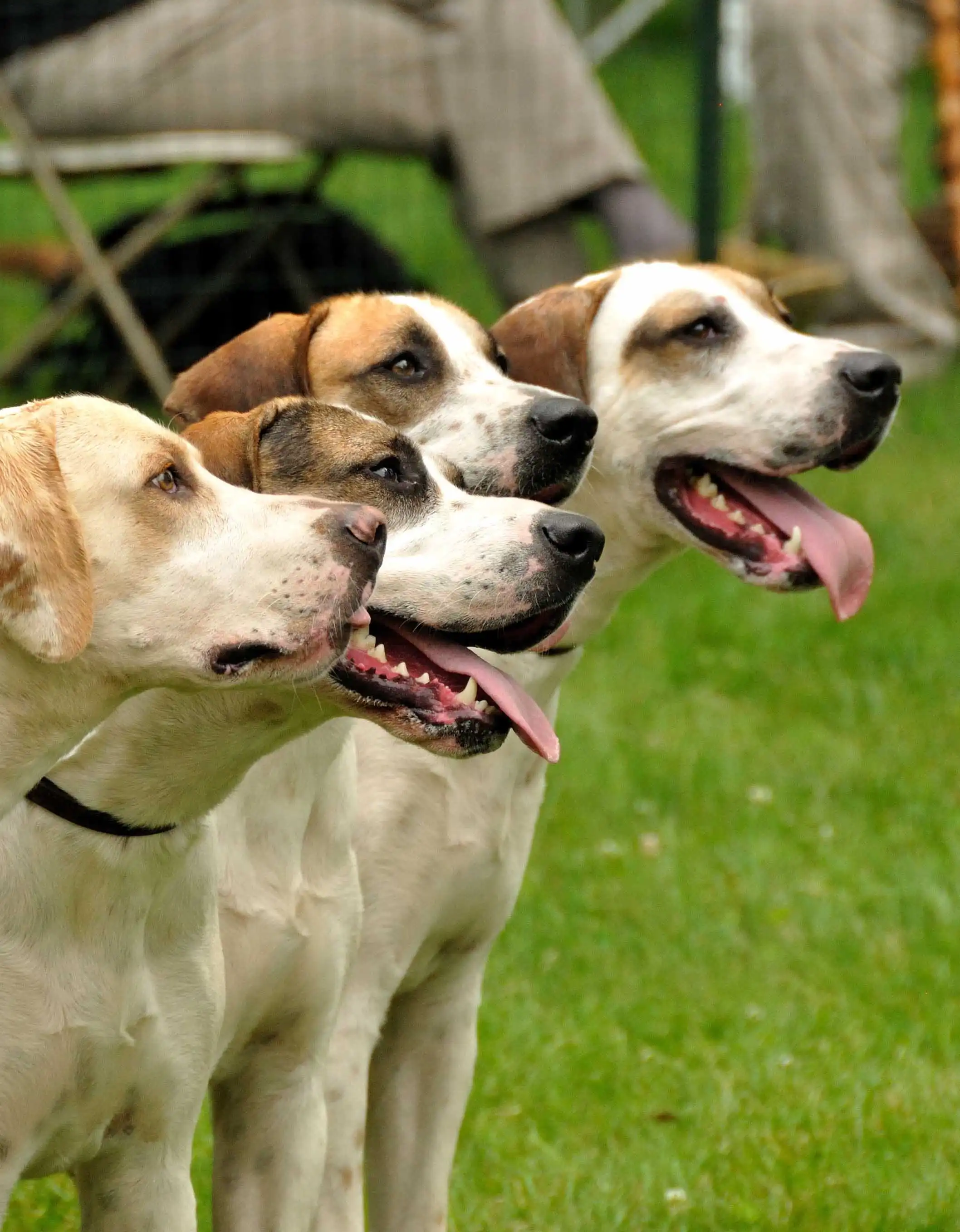
In the mid-1700s, fox hunters were in search of a dog breed that could effectively track and chase foxes for long durations. To create such a breed, they crossbred several types of hounds, including the Bloodhound, Deerhound, Greyhound, and Staghound, with the Fox Terrier, Whippet, and Bulldog, ultimately leading to the development of the English Foxhound. This pursuit was mainly favored by wealthy gentlemen, who derived more enjoyment from accompanying their English Foxhounds than from the actual act of hunting. They began to selectively breed these dogs for distinct color patterns and markings, resulting in visually striking packs of 50 or more hounds. This hobby soon transformed into a commercial venture, capturing the attention of royalty who acquired these dogs for their own hunting packs. British colonists brought the breed to the United States in the 17th century, and by the late 1700s, American breeders started to mix English Foxhounds with other breeds, giving rise to the American Foxhound. The English Foxhound was officially recognized by the American Kennel Club in 1909, but it remains less favored as a pet or show dog. It is one of four acknowledged Foxhound breeds, alongside the American Foxhound, Dumfriesshire Foxhound, and Black and Tan Virginia Foxhound. While they can adapt to being house pets, English Foxhounds truly flourish in working or hunting settings and typically get along well with other dogs. Their scarcity in the United States is primarily due to the greater appeal of the American Foxhound. Noteworthy historical figures, including George Washington and Thomas Lord Fairfax of Virginia, were among the notable owners of English Foxhounds.
Breed Appearance
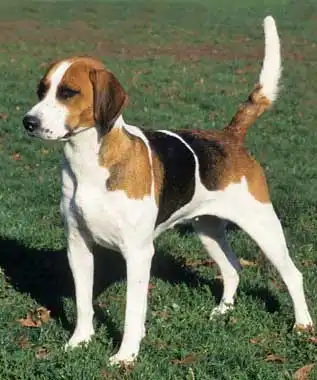
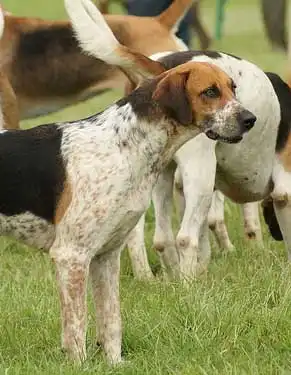
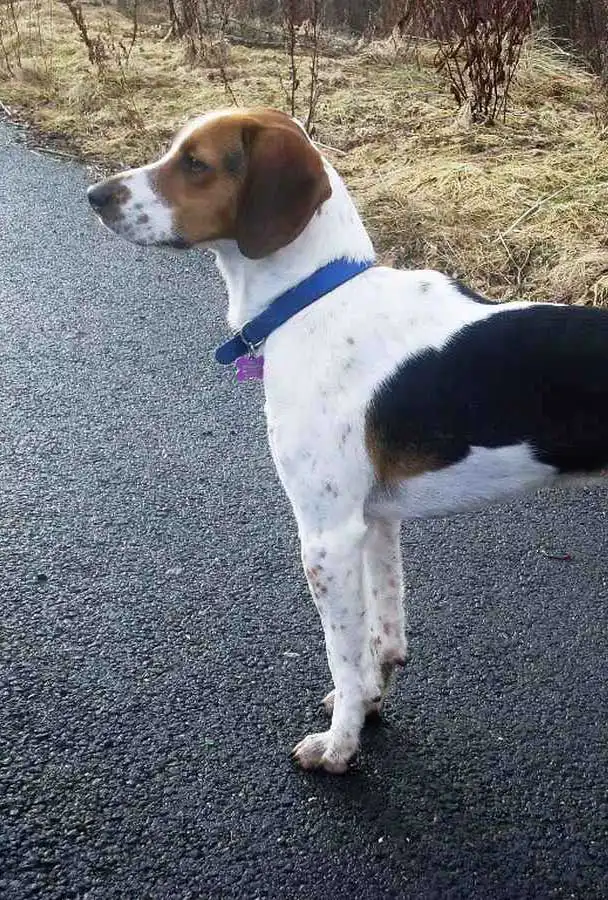
The English Foxhound is a striking example of beauty, agility, and stamina. With their straight, powerful legs, strong and level backs, and deep chests, they are always ready for a hunt or a sprint at a moment's notice. Their long necks support a broad, flat head adorned with a large nose featuring prominent nostrils, a well-defined brow, and low, rounded ears. They have a complete scissor bite and medium-sized eyes that can be either brown or hazel. The coat is short, glossy, and dense, providing weather resistance, and comes in a variety of hound color combinations, including white, tan, and black, as well as mixes of white and yellow, and solid white. Their rounded feet, reminiscent of a cat's, are equipped with strong pads and knuckles, while their legs are both straight and robust. The English Foxhound's long tail is typically held high, though it does not curl over its back. Standing at approximately 25 inches tall, they are shorter than other breeds of Foxhounds.

Care Routine
The English Foxhound needs to be brushed just once a week with a rubber curry brush or hound mitt. This simple routine effectively eliminates dead hair, helping to control shedding, while also spreading natural oils from the skin to keep the coat in good condition. Bathing should be done as needed, but it’s crucial to use a mild dog shampoo and conditioner recommended by your veterinarian. During grooming, take the chance to check your dog’s eyes for any discharge or signs of issues, and inspect the ears for wax, dirt, or other debris. Because of their droopy ears, English Foxhounds are susceptible to moisture retention, which can result in infections such as otitis media. Yeast infections and mites are also common concerns for dogs with this ear structure. Nail trimming is typically necessary about once a month, depending on your dog's individual needs. This can be done at home using a veterinarian-approved nail grinder or clipper, or you may choose to have it performed by your vet. To promote oral health and prevent bad breath, it’s recommended to brush your dog’s teeth daily.
Behavior & Temperament
Although the English Foxhound was initially bred for hunting, they are also cherished as delightful companions for children and other pets. Their kind and loving disposition makes them generally sociable with most people, though they may exhibit some wariness around unfamiliar faces. It may take some time for your English Foxhound to become comfortable with new individuals, but once a connection is established, they will prove to be a devoted friend for life. Training this breed can be a challenge, requiring considerable time and patience, as they often display a stubborn streak and prefer to rely on their instincts. Nevertheless, with consistent effort, they can learn to obey commands. If you live in an apartment, keep in mind that your neighbors might be disturbed by your dog's vocalizations, whether it's howling at night or barking without clear reason when you're not home. Exploring alternative strategies to manage this behavior could be beneficial, and seeking advice from your veterinarian may offer valuable guidance. As a breed that thrives in a pack environment, the English Foxhound enjoys the company of other dogs or pets. However, due to their hunting heritage, they may instinctively perceive smaller animals, like stray cats and squirrels, as potential prey.
Play & Exercise
Things to Know
Cups Per Day
3.0 Cups
Daily Activity
60 Minutes
Average Lifespan
12 Years
Origin
1700s
Type
Pure Breeds
Size
Large
Origin Country
Great Britain
Brush Frequency
Weekly
Coat Texture
Wiry
Register
Your kids have been begging for a pet forever, and you've recently decided that it's time for your family to get a new addition -- a dog! While everyone is excited for the new arrival, you're wondering if you need to have a dog license. How much does it cost? Is it required? Where do you get one?
Member Clubs

PETINNATE
Scenthound

AKC
Hound Group

UKC
Scenthound
Height & Weight
Weight
65 lbs (29 kg)Male: 65 lbs (29 kg) , Female: 65 lbs (29 kg)
Height
25 inches (64 sm)Male: 25 inches (64 sm) , Female: 25 inches (64 sm)
6 Months
35 lbs ( m 35 lbs, f 35 lbs )
18 inches ( m 18 inches, f 18 inches )
12 Months
55 lbs ( m 55 lbs, f 55 lbs )
25 inches ( m 25 inches, f 25 inches )
18 Months
65 lbs ( m 65 lbs, f 65 lbs )
25 inches ( m 25 inches, f 25 inches )
Eye Colors
Hazel

Brown
Nose Colors
Black
Coat Colors
Black

White
Brown
Pied