Harrier
Harehound, Heirer
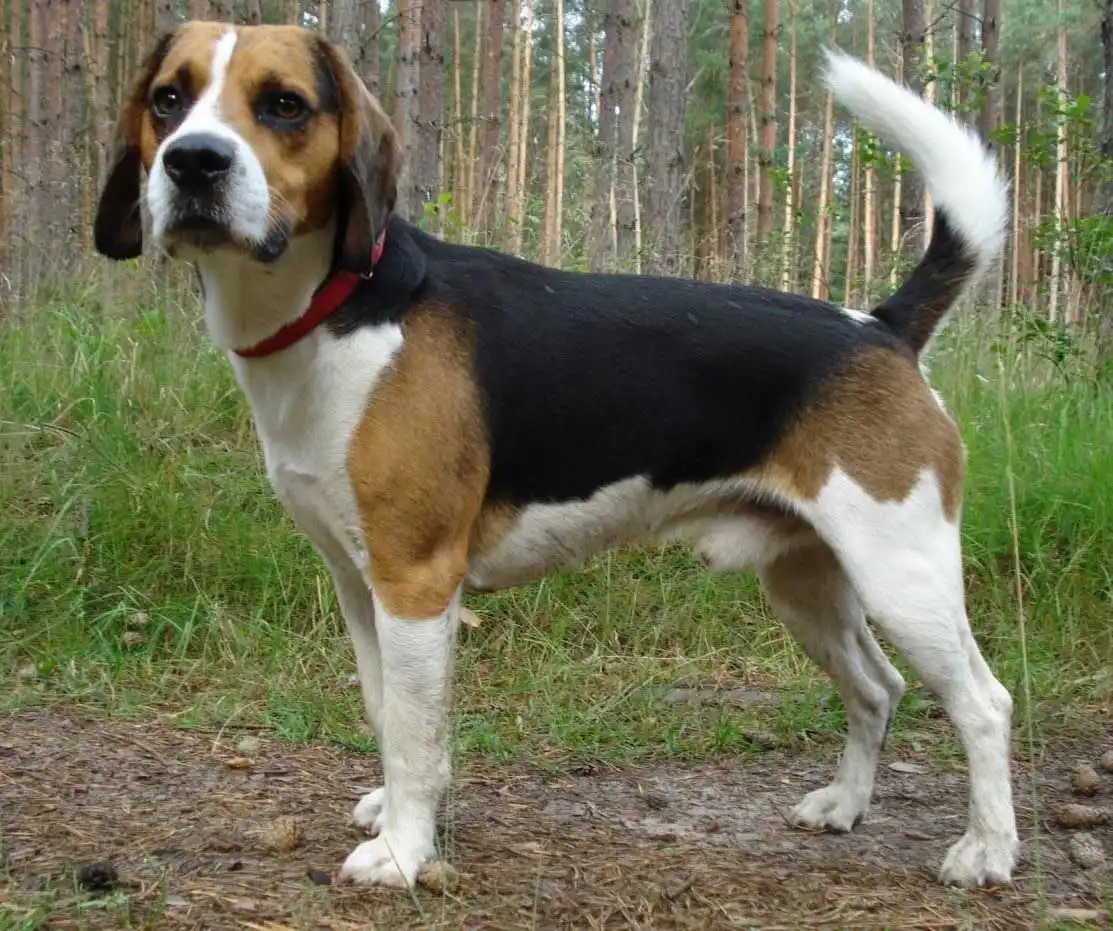
The Harrier is frequently mistaken for either a small English Foxhound or a larger Beagle. However, it is essential to understand that the Harrier is a distinct breed, historically bred as a scenthound for hunting foxes and hares. This breed is relatively rare and is believed to have its roots dating back to 1066 AD. Renowned for its loyalty, the Harrier exemplifies the ideal hound. It is an active dog with a playful nature and a strong tendency to vocalize. The Harrier expresses itself through a range of sounds, including moans, groans, mumbles, and grumbles, and, true to its hound heritage, it can also emit the characteristic loud bay associated with its breed.
Breed Origin
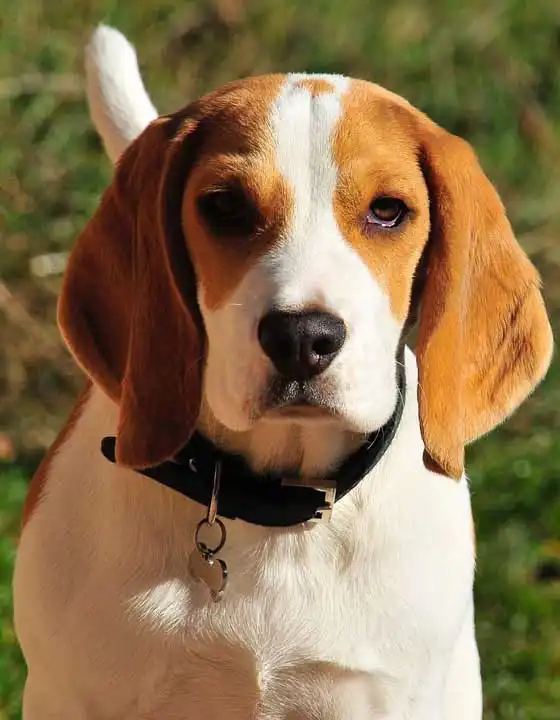
The Harrier is thought to have roots that date back to the medieval era, particularly around the time of the Norman conquest of England in 1066. During this period, dogs resembling the Harrier were brought in to aid in hunting hares. The earliest documented pack of Harriers in England, known as the Penistone pack, was established in 1260 and maintained its lineage for at least five centuries. Unlike Foxhounds, which are hunted on horseback, Harriers are pursued on foot by their handlers. Some specialists contend that the Harrier is not a direct descendant of the Foxhound; rather, it may have originated from a blend of Greyhounds and the now-extinct Southern Hound. Other hypotheses propose that the breed could have evolved from a mix of Bloodhounds, Talbot Hounds, and possibly Basset Hounds, or even from crossing Foxhounds with Fox Terriers and Greyhounds. Regardless of the ambiguity surrounding its lineage, the Harrier is undoubtedly a genuine hound, committed to its purpose. Acknowledged as one of the oldest breeds by the American Kennel Club (AKC), the Harrier gained official recognition in 1885. In 1992, the Harrier Club of America was founded to promote the breed and increase its visibility. Today, the Harrier is classified as a rare breed, ranking 165th in popularity among AKC-registered breeds. In terms of size, the Harrier is smaller than a Foxhound but larger than a Beagle. It continues to be employed for hare hunting in both the UK and the US, as well as in fox hunts. This requires the Harrier to embody all the essential characteristics of a scent hound and to be robustly built, enabling it to traverse challenging terrains without quickly tiring.
Breed Appearance
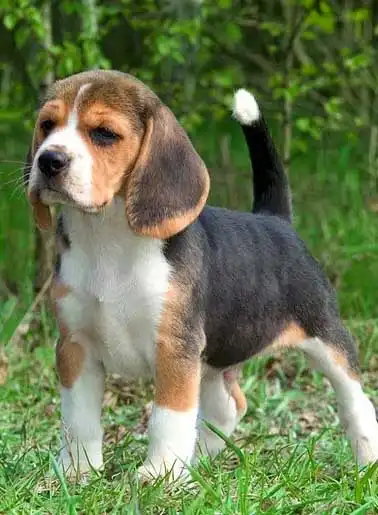
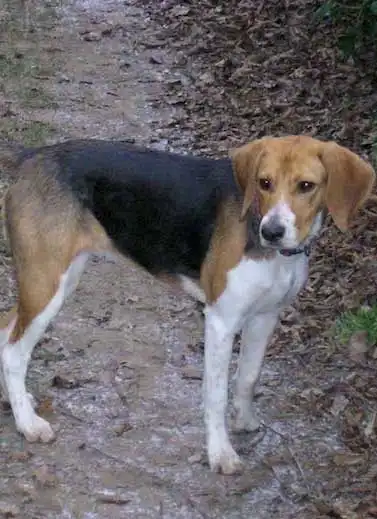
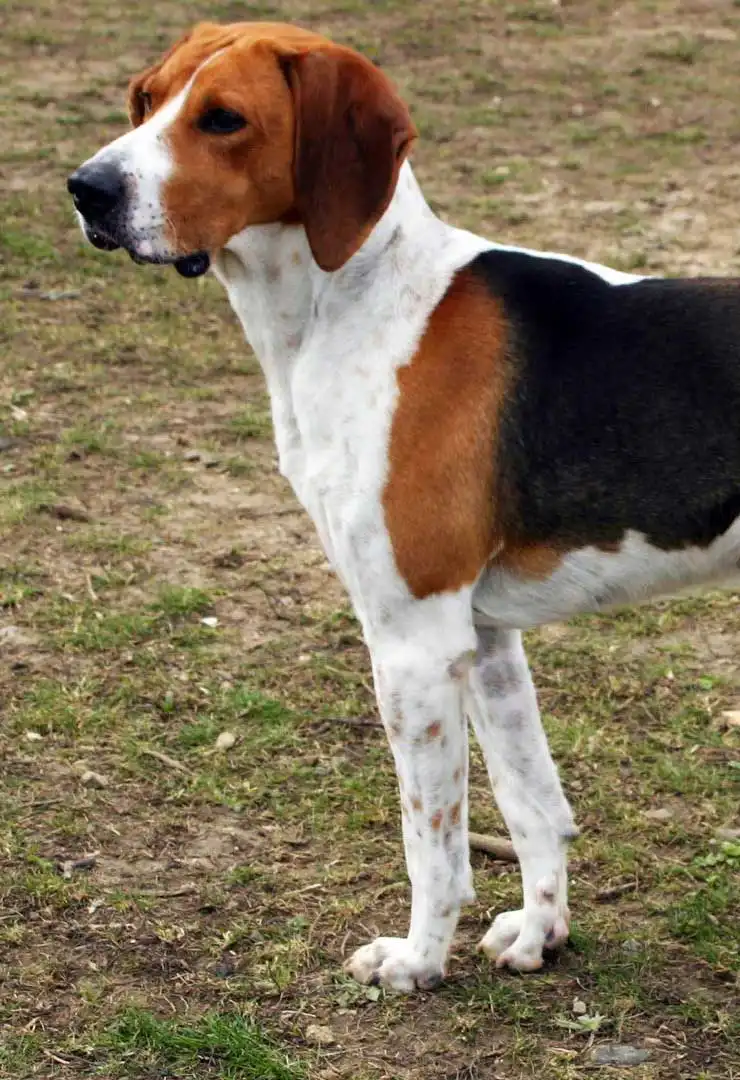
The Harrier is distinguished by its short, dense coat that has a coarse texture. This coat should exhibit a shiny finish, steering clear of any lackluster appearance. The roughness of the fur is crucial for the Harrier's ability to traverse different terrains while pursuing hares or foxes, as it minimizes the potential obstacles that a longer or silkier coat might present. Moreover, this texture serves as a protective barrier against scratches from underbrush. While the coat is generally suitable for a range of weather conditions, the Harrier is not well-suited for extremely cold climates and should avoid hunting in excessively hot weather. The fur on the ears is softer, and there is a tuft of hair on the underside of the tail that should be slightly thickened rather than bushy. Common color variations include black, white and tan, lemon and white, and red and white. All these colors are acceptable and do not significantly affect a Harrier's performance in conformation shows. However, the black, white, and tan combination is the most commonly photographed, leading many to associate this coloration with the breed.
Care Routine
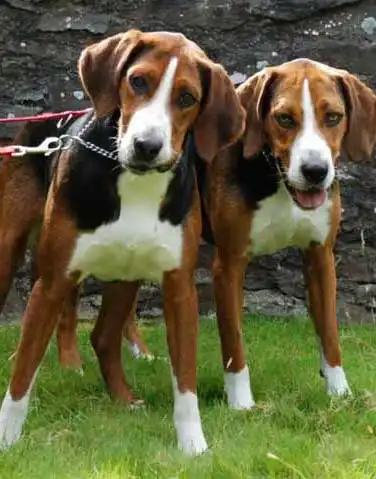
Caring for a Harrier is quite simple thanks to its short, dense coat. A weekly brushing with a rubber curry brush or hound mitt is important; this not only helps spread natural oils across the skin but also removes dead hair. Regular grooming prevents loose fur from accumulating on your clothes, furniture, and floors. Bathing the Harrier is generally not required often; he typically needs a bath only two to three times a year, with additional baths as necessary. Nail care is also essential, requiring trimming every two to three weeks. You can use either nail clippers or a nail grinder to maintain the proper length. Since the Harrier has droopy ears, it’s vital to keep them clean and dry to prevent infections. Furthermore, dental care should be a priority, which includes using a veterinarian-recommended toothpaste and arranging for annual cleanings with a vet.
Behavior & Temperament
The Harrier is a lively and friendly breed, celebrated for its sociable disposition. This dog flourishes with human companionship and generally gets along well with other dogs. As a breed that thrives in packs, the Harrier struggles with loneliness, making a single-dog household less suitable for him. He is quite vocal and will express his needs to his family. However, he can be quite stubborn, often wanting things done his way. To ensure he responds to commands, training should focus on positive reinforcement combined with a firm and consistent method. A secure, robustly fenced yard is also vital, as he has a tendency to wander off in search of small animals. The Harrier requires a job or activity to keep him stimulated; without it, he may resort to mischief. With a talent for problem-solving, he can be quite a challenge for his owners! Additionally, he enjoys digging, so providing an array of toys is essential to keep him occupied.
Play & Exercise
Things to Know
Cups Per Day
2.5 Cups
Daily Activity
90 Minutes
Average Lifespan
11 Years
Origin
1066 AD
Type
Pure Breeds
Size
Medium
Origin Country
United Kingdom
Brush Frequency
Weekly
Coat Texture
Straight
Register
Your kids have been begging for a pet forever, and you've recently decided that it's time for your family to get a new addition -- a dog! While everyone is excited for the new arrival, you're wondering if you need to have a dog license. How much does it cost? Is it required? Where do you get one?
Member Clubs

PETINNATE
Scenthound

AKC
Hound Group

UKC
Scenthound
Height & Weight
Weight
53 lbs (24 kg)Male: 53 lbs (24 kg) , Female: 53 lbs (24 kg)
Height
22 inches (56 sm)Male: 22 inches (56 sm) , Female: 22 inches (56 sm)
6 Months
32 lbs ( m 32 lbs, f 32 lbs )
18 inches ( m 18 inches, f 18 inches )
12 Months
42 lbs ( m 42 lbs, f 42 lbs )
19 inches ( m 19 inches, f 19 inches )
18 Months
52 lbs ( m 52 lbs, f 52 lbs )
22 inches ( m 22 inches, f 22 inches )
Eye Colors
Hazel

Brown
Amber
Nose Colors
Black
Coat Colors
Black
Gray
Brown
Red
Cream
Fawn
White
Pied
Sable
Brindle