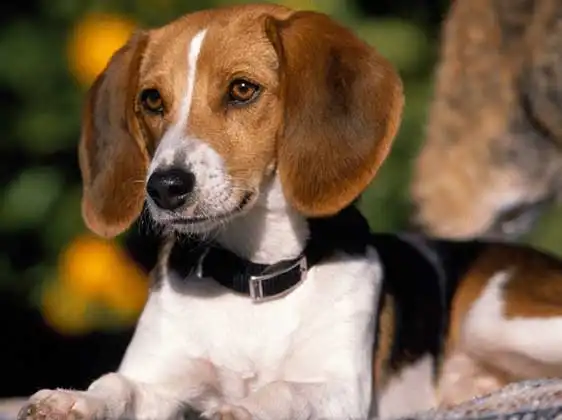
American Foxhound
Foxhound
Much like its English equivalent, the American Foxhound is an outstanding companion for hunting, specifically designed for pack hunting. This breed is generally taller and lighter than its European counterparts, offering superior speed during chases. Known for its affectionate and gentle demeanor, the American Foxhound remains composed indoors but flourishes with plenty of outdoor exercise. Its short, sleek coat classifies it as an average shedder, requiring minimal grooming; however, occasional brushing with a firm-bristle brush is recommended. Furthermore, the American Foxhound is renowned for its beautiful bay, a distinctive sound that has endeared it to owners over the years, enabling them to identify their dog's unique voice even amidst a large group.
Breed Origin
The American Foxhound is recognized as one of the oldest dog breeds to originate in the United States. Its name is derived from the English Foxhound, a breed celebrated for its prowess in fox hunting throughout Western Europe. The first American Foxhounds made their way to the Americas in the mid-1600s, establishing themselves as a unique black-and-tan variety. The ancestry of modern American hounds, including the Foxhound's relatives like the Coonhounds, can be traced back to a working pack owned by Robert Brooke. In the 1700s, larger French hounds were brought in to enhance the size of the American Foxhound. A key figure in the breed's evolution was George Washington, the first President of the United States, who actively bred and hunted with Foxhounds throughout his life. By the 1830s, Irish hounds were also introduced to improve the breed's speed. Today, the American Foxhound is a quintessential American breed, resulting from a blend of English, French, and Irish hounds. Initially bred for pack hunting, particularly in fox clubs, these dogs remain popular among American hunters due to their exceptional speed and keen scenting abilities. The American Kennel Club officially recognized the breed in 1886, yet the number of registered dogs is surprisingly low. This is largely because many owners opt not to register their pets, making the American Foxhound a well-loved but underrepresented breed. These dogs often play vital roles in large hunting packs and are frequently registered with the International Foxhunter's Studbook, published by The Chase.
Breed Appearance
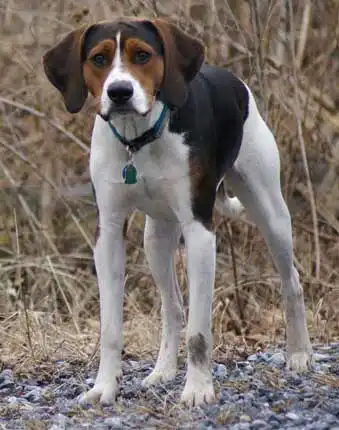
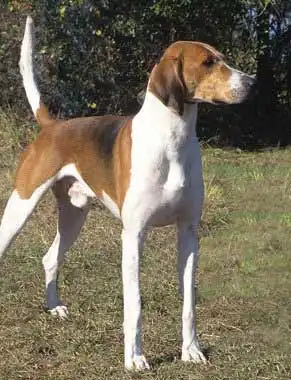
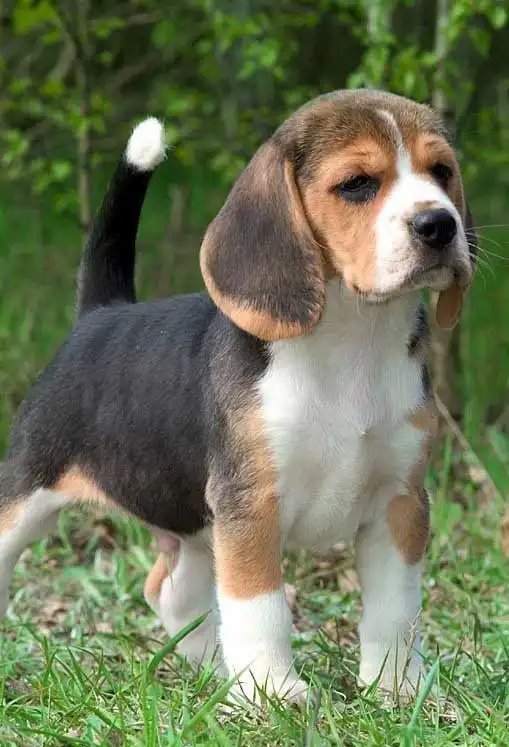
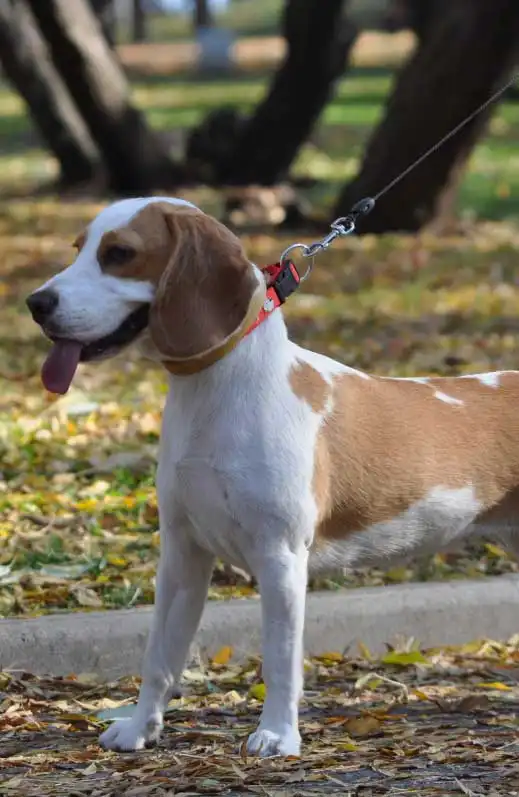
The American Foxhound is easily recognized by its unique tri-color coat, which typically features a blend of black, white, and tan, or alternatively, white, black, and tan. Nonetheless, this breed can also present a variety of color combinations, including different shades of red and blue. Its tail is carried high and has a slight brush at the tip, but it does not curl over the back. The coat is of medium length, lies close to the body, and is resilient enough to endure the challenges of traversing rugged terrain. This breed has an elongated head with ears that hang down at a moderate height. When fully extended, the ears nearly reach the nose but fall just short. The American Foxhound boasts a deep chest, providing significant lung capacity vital for running. Its back is straight, long, and muscular, while the forelegs are straight from the elbows to the paws, which resemble fox feet with thick, sturdy pads. The hips and thighs are powerfully muscled, leading to slender, straight legs that highlight the Foxhound's exceptional speed and strong propulsion.
Care Routine
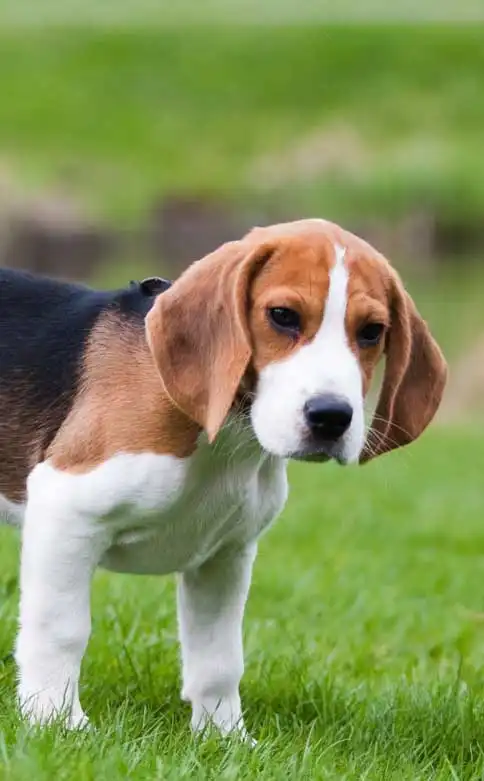
Caring for an American Foxhound is relatively straightforward if you maintain an active lifestyle. This breed features a durable coat that sheds moderately, which means you won’t have to groom or brush him as often as you would with some other breeds. Nonetheless, regular brushing can strengthen your bond and reduce the frequency of baths, while also helping to control the characteristic odor that hounds can have. It's crucial to keep in mind that a dog's skin is more delicate than human skin, so the Foxhound should only be bathed when absolutely necessary, such as after a playful romp in the mud. The American Foxhound is built for speed and requires plenty of space to run freely. A lack of exercise can lead to issues like depression and weight gain. Like all hounds, they have a robust appetite, so it’s advisable to portion their food and provide two meals a day rather than leaving food out continuously to prevent overeating. This breed is not well-suited for apartment living, as they need ample room to stretch their legs. Regular physical activity is vital for keeping your Foxhound both mentally stimulated and physically healthy. Although primarily recognized as a pack hunter, the Foxhound can also make a wonderful companion for activities like running or cycling, but urban environments are not ideal for him. This breed can adapt to different climates, though he thrives in cooler conditions. Due to his speed and enthusiasm for running, he may be susceptible to overheating in warmer weather, so it’s essential to ensure he has access to fresh water and shade to avoid dehydration and overheating.
Behavior & Temperament
Like many hound breeds, the American Foxhound can display a degree of stubbornness and a strong drive to chase after prey, especially when they pick up a scent. However, with the right training, these dogs can be incredibly affectionate towards people. They are generally friendly with strangers, which makes them poor choices for guard dogs, but they make wonderful companions for children and other medium to large dogs. If you have other pets, it’s important to socialize your Foxhound with people regularly and from a young age. This interaction helps establish a bond with you as the leader of the pack, rather than allowing them to form a stronger attachment to other dogs. In contrast to some hound breeds, Foxhounds can live harmoniously with smaller pets such as cats, rabbits, or birds. Nonetheless, it’s essential to introduce these smaller animals to your Foxhound early on, and even then, supervision is necessary, as Foxhounds have a natural tendency to chase. Overall, the Foxhound is a gentle and patient breed, but they require a lot of exercise. They are not the best fit for first-time dog owners, especially those in urban environments. This intelligent and active breed needs plenty of space and time to run; otherwise, they may engage in destructive behaviors to keep themselves entertained.
Play & Exercise
Although the American Foxhound may seem somewhat aloof when encountering new people, it truly thrives on human interaction and is enthusiastic about participating in family activities. Regular physical activity is crucial, and having a large yard for running is highly beneficial. Spending quality time with your American Foxhound will not only strengthen your relationship but also help it expend excess energy. Daily brisk walks, occasional hikes, and leashed runs are likely to be its favorite activities. Due to its strong hunting instincts, be aware that your Foxhound might take off after an interesting scent. Therefore, it’s advisable to keep it on a leash unless you are in a safe, enclosed area away from traffic and other dangers. Participating in obedience training can also be advantageous, as it can be challenging to recall your dog once it is in pursuit of something.
Things to Know
Cups Per Day
3.0 Cups
Daily Activity
90 Minutes
Average Lifespan
12 Years
Origin
1600s
Type
Pure Breeds
Size
Medium
Origin Country
United States
Brush Frequency
Weekly
Coat Texture
Straight
Register
Your kids have been begging for a pet forever, and you've recently decided that it's time for your family to get a new addition -- a dog! While everyone is excited for the new arrival, you're wondering if you need to have a dog license. How much does it cost? Is it required? Where do you get one?
Member Clubs

PETINNATE
Scenthound

AKC
Hound Group

UKC
Scenthound
Height & Weight
Weight
53 lbs (24 kg)Male: 53 lbs (24 kg) , Female: 53 lbs (24 kg)
Height
23 inches (58 sm)Male: 24 inches (61 sm) , Female: 23 inches (58 sm)
6 Months
30 lbs ( m 30 lbs, f 30 lbs )
18 inches ( m 18 inches, f 18 inches )
12 Months
40 lbs ( m 40 lbs, f 40 lbs )
19 inches ( m 19 inches, f 19 inches )
18 Months
52 lbs ( m 52 lbs, f 52 lbs )
22 inches ( m 22 inches, f 22 inches )
Eye Colors
Hazel

Brown
Nose Colors
Black
Brown
Coat Colors
Black

Brown
Red
Cream
Blue
White
Pied
Characteristics
Mixes
American Foxy Dane
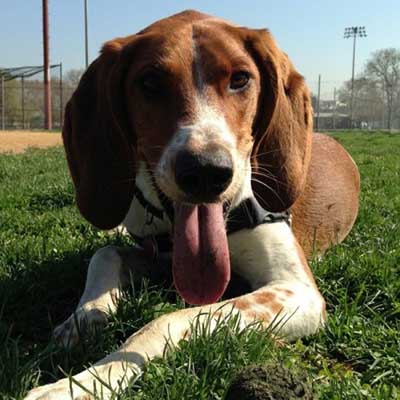
The American Foxy Dane is a newly developed hybrid breed, created through the deliberate crossbreeding of the Great Dane and the American Foxhound. This breed seeks to merge the best traits of both parent breeds, resulting in a devoted, affectionate, and easygoing pet that excels in family environments, particularly with young children. The Great Dane lends a commanding presence, while the American Foxhound contributes to a more refined temperament and a sleeker, more agile physique, making the dog eager to please. The American Foxy Dane is quick to grasp new commands and responds positively to training; however, it is essential to approach training with patience and a positive attitude, as the dog can pick up on frustration in your tone, which may lead to misunderstandings. These dogs thrive under the leadership of a consistent and confident owner.
Read more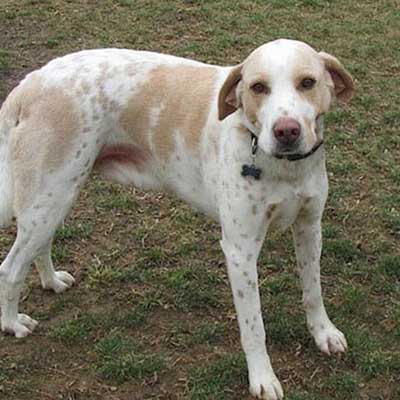
Mally Foxhound
The Mally Foxhound is a mixed breed resulting from the crossbreeding of an Alaskan Malamute and a Foxhound. Although various Foxhound types may have played a role in this hybrid's development, it is widely believed that the English Foxhound was the primary breed involved. While detailed information about this hybrid is somewhat scarce, it is recognized for inheriting diverse traits from its parent breeds. This amiable and gentle hybrid is not only adept at hunting and tracking but also tends to be very good with children. However, it may struggle to coexist peacefully with cats and other pets.
Read more