Barbet
French Water Dog
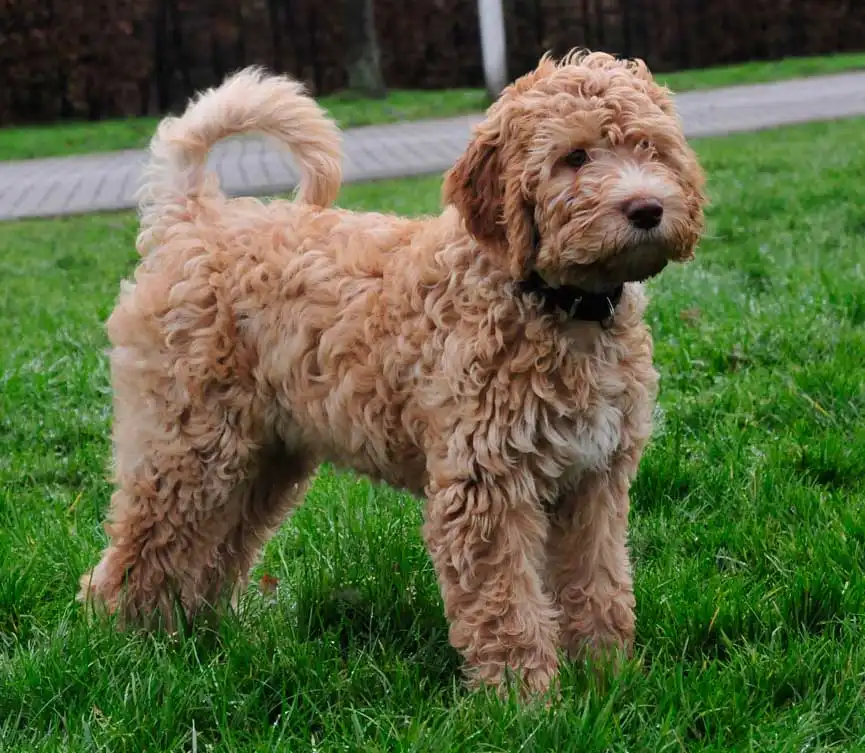
The Barbet, pronounced Bar-bay, is a historic gun dog that hails from France and was primarily bred for hunting waterfowl. While it hasn't gained widespread recognition, this breed is beginning to garner interest beyond its native land. After World War II, the Barbet faced a serious risk of extinction. With origins dating back to the 16th century, this ancient breed is celebrated for its loyalty, intelligence, and affectionate demeanor. Agile and full of energy, the Barbet thrives in various dog sports such as agility, Frisbee, and lure coursing. It is well-suited for cold weather and can comfortably swim in any conditions. However, prospective owners should note that the Barbet's coat demands considerable grooming, making it a relatively high-maintenance pet.
Breed Origin
The Barbet, commonly known as the French Water Dog, was initially bred as a water retriever for hunting purposes. Its name is derived from the French word for "beard." This breed's origins trace back to the 16th century, when it was employed to flush and retrieve waterfowl in marshes and wetlands. Over the years, the Barbet has taken on various roles, including pulling carts and serving as a guard dog. The first official breed standard was established in 1894. Historically, the Barbet has been celebrated in French literature and was once a well-known breed. It has appeared in numerous artworks that highlight its prowess in hunting within marshy environments. There are even anecdotes suggesting that Napoleon owned a Barbet. Many experts believe this breed contributed to the development of other breeds, such as the Briard, Poodle, and Bichon, although definitive evidence for these claims is lacking. The Barbet nearly faced extinction after the World Wars of the 20th century. However, passionate enthusiasts dedicated themselves to preserving the breed, resulting in a revival of its population. Today, the Barbet is gaining popularity, though it remains relatively uncommon and is becoming a cherished family companion. The precise timeline of the Barbet's arrival in the United States is uncertain, but its popularity has surged, leading to the establishment of the Barbet Club of America. In 2007, the breed began to be recognized in the American Kennel Club’s Foundation Stock Service.
Breed Appearance
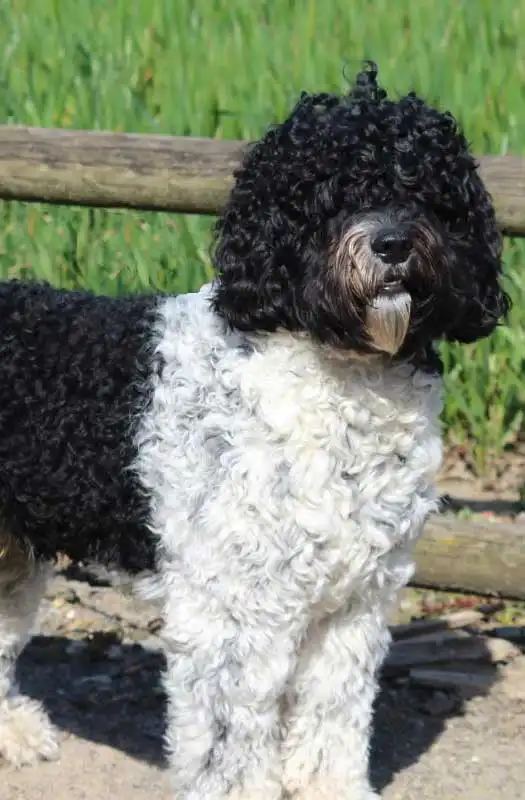
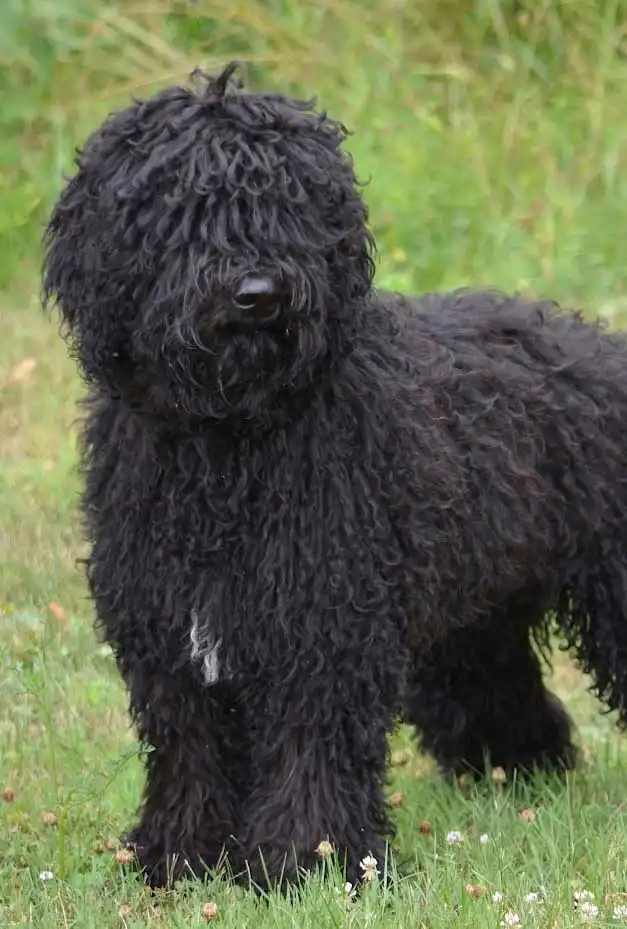
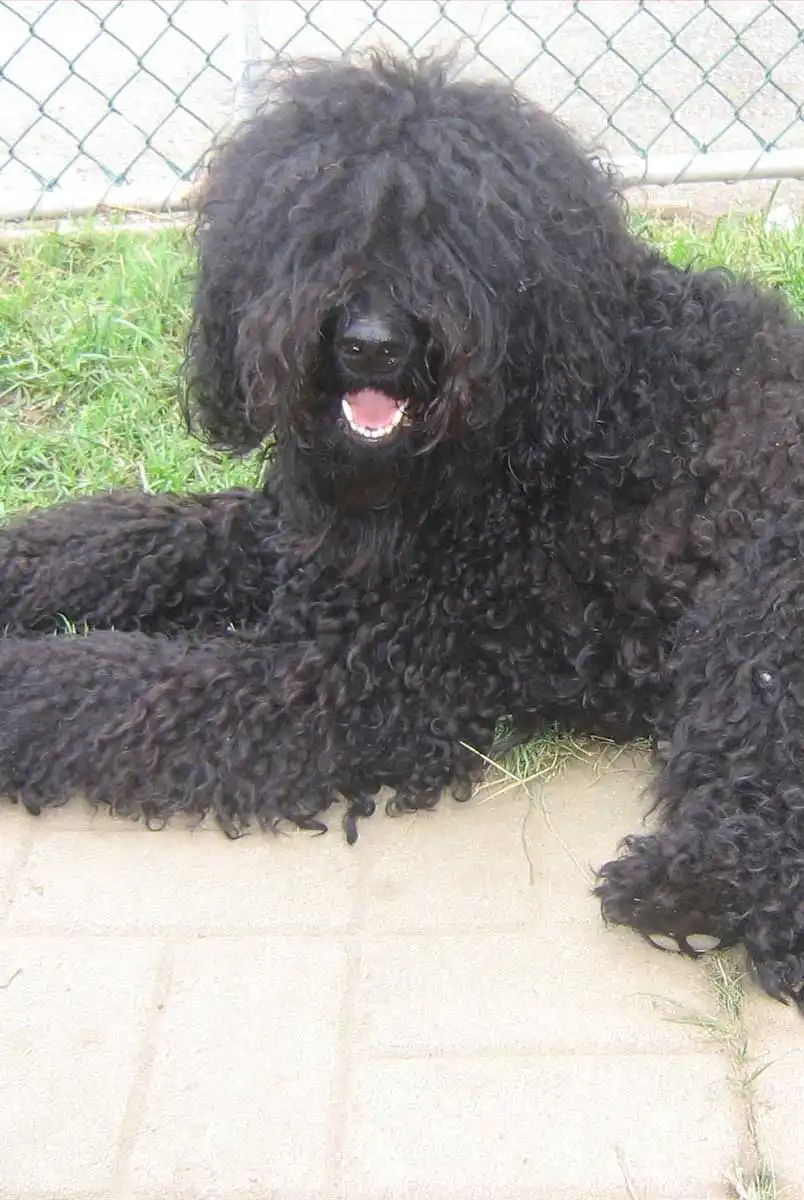
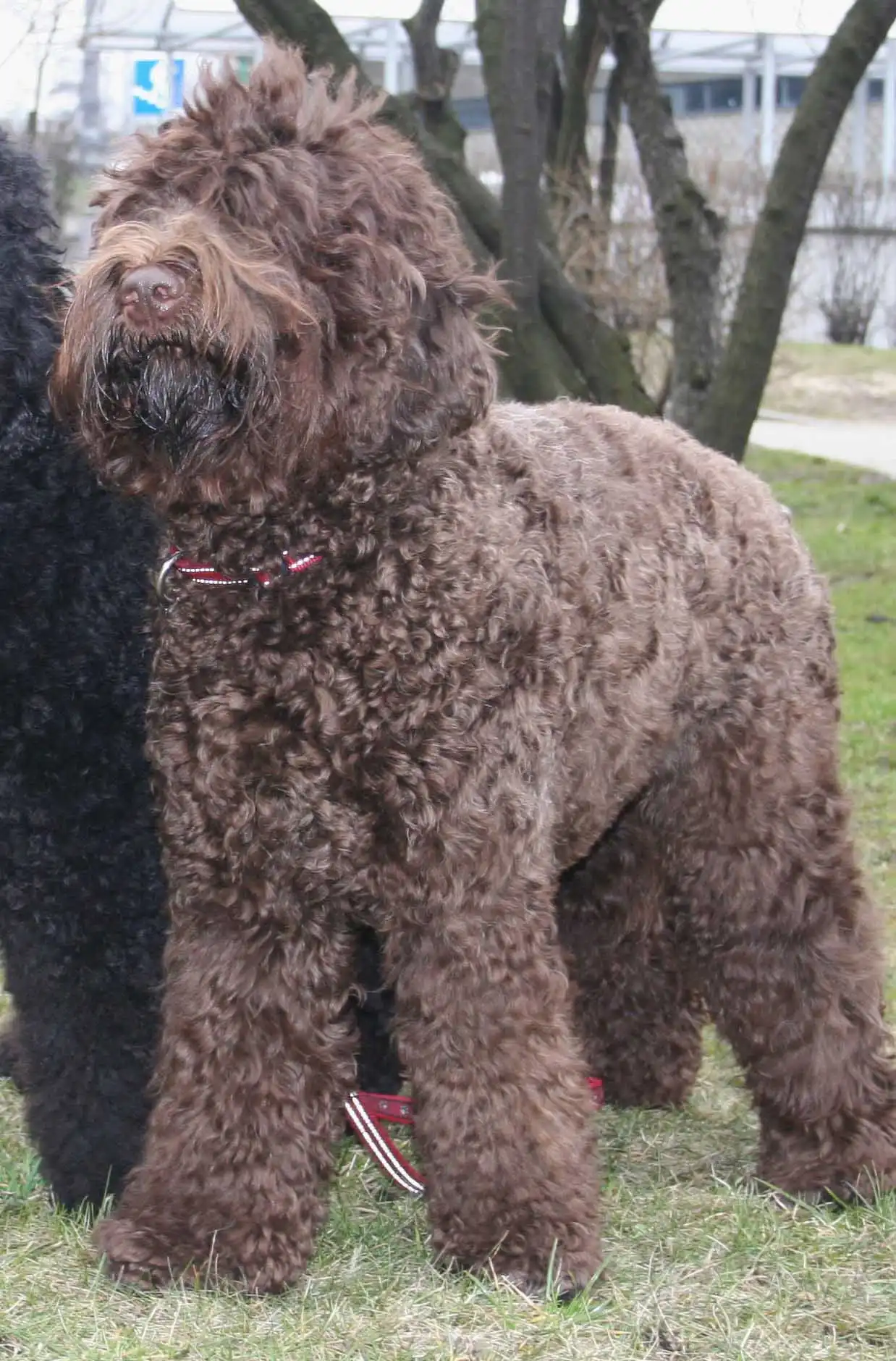
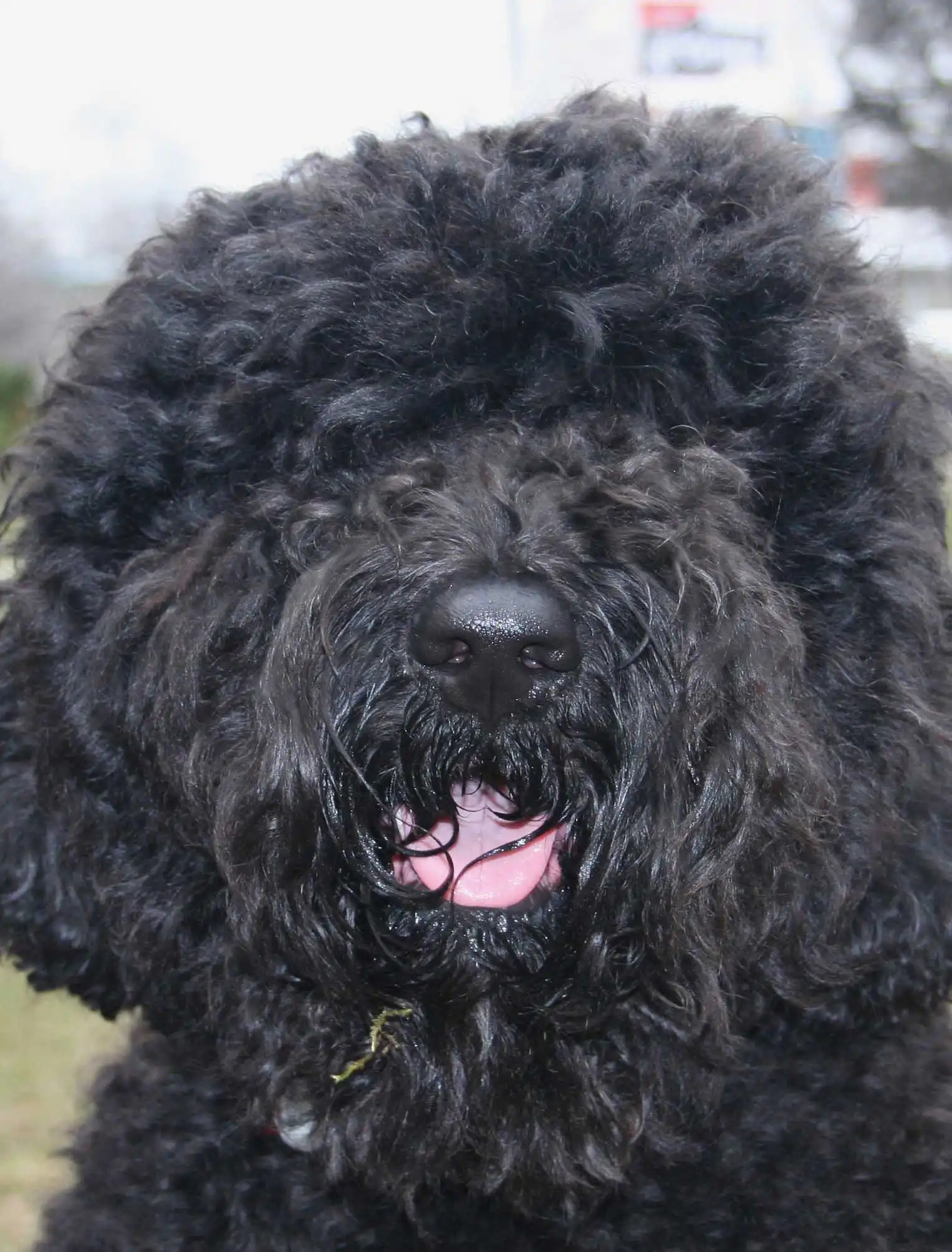
The Barbet is a historic dog breed known for its distinctive features, including a prominent head and a long, flowing tail. This breed is adorned with a thick, curly coat that is not only long but also showcases a unique beard, contributing to its striking appearance with a lush fur covering its entire body. The coat's curls can vary significantly, ranging from large and loose to small and tight. The hair on the Barbet's head should reach the bridge of its nose and is complemented by a beard, while its ears are elegantly framed with long hair. It is crucial to keep the coat untrimmed to preserve its natural texture and prevent tangling, ensuring that the curls remain intact even after bathing. Barbets come in a variety of colors, such as fawn, brown, black, and gray, and may feature white markings on their chest or paws. They can also display a pied pattern, predominantly white with patches of fawn, brown, black, or gray.
Care Routine
Although no dog can be entirely hypoallergenic due to the inevitable presence of dander across all breeds, the Barbet stands out as a favorable choice for those with allergies. This breed boasts unique hair that doesn’t shed like many others; instead, it releases small clumps that are usually manageable with weekly brushing. To ensure the health of both the coat and skin, regular combing is crucial to prevent matting. Grooming should involve brushing down to the skin to eliminate tangles and mats effectively. Given the Barbet's love for water activities, it’s essential to groom him after each outing to keep his coat in optimal condition. His hair grows continuously, which means regular trimming is necessary to maintain a neat look. For pet owners not involved in dog shows, keeping his coat trimmed to about two inches can make maintenance easier. However, it’s important to avoid shaving the Barbet completely, as his coat serves as vital protection for his skin. Moreover, to prevent excessive hair growth that can trap dirt, regular plucking of his ears is recommended, and maintaining their cleanliness is crucial to prevent infections. Nail trimming should be performed as needed, typically every two to three weeks, and the hair between his paw pads should also be trimmed on a regular basis.
Behavior & Temperament
The Barbet is a versatile hunting dog known for its affinity for water, thriving in aquatic settings. This breed eagerly jumps into any body of water—be it a pool, pond, or lake—whenever it gets the chance. Thanks to its weather-resistant coat, the Barbet can partake in water activities regardless of the temperature. As a family companion, this dog is affectionate and gets along well with children and other pets. However, caution is necessary around pet birds due to its natural instinct to chase. Training a Barbet is relatively easy, particularly when using positive reinforcement methods. It’s crucial not to leave this dog unsupervised in the yard for long periods, as it may engage in destructive behaviors or excessive barking. While generally sociable, a lack of early socialization can result in shyness and apprehension in new situations. To promote healthy social skills, start introducing your Barbet puppy to other dogs and people soon after completing its final vaccination in the puppy series.
Play & Exercise
Things to Know
Cups Per Day
3.0 Cups
Daily Activity
45 Minutes
Average Lifespan
14 Years
Origin
1500s
Type
Pure Breeds
Size
Medium
Origin Country
France
Brush Frequency
Weekly
Coat Texture
Curly
Register
Your kids have been begging for a pet forever, and you've recently decided that it's time for your family to get a new addition -- a dog! While everyone is excited for the new arrival, you're wondering if you need to have a dog license. How much does it cost? Is it required? Where do you get one?
Member Clubs

PETINNATE
Gun Dog

AKC
Miscellaneous Class

UKC
Gun Dog
Height & Weight
Weight
45 lbs (20 kg)Male: 50 lbs (23 kg) , Female: 41 lbs (19 kg)
Height
23 inches (58 sm)Male: 24 inches (61 sm) , Female: 22 inches (56 sm)
6 Months
21 lbs ( m 21 lbs, f 21 lbs )
17 inches ( m 17 inches, f 17 inches )
12 Months
32 lbs ( m 32 lbs, f 32 lbs )
21 inches ( m 21 inches, f 21 inches )
18 Months
41 lbs ( m 41 lbs, f 41 lbs )
22 inches ( m 22 inches, f 22 inches )
Eye Colors
Brown

Amber
Nose Colors
Black
Brown
Coat Colors
Black
Brown

Fawn

Gray

Pied