Border Terrier
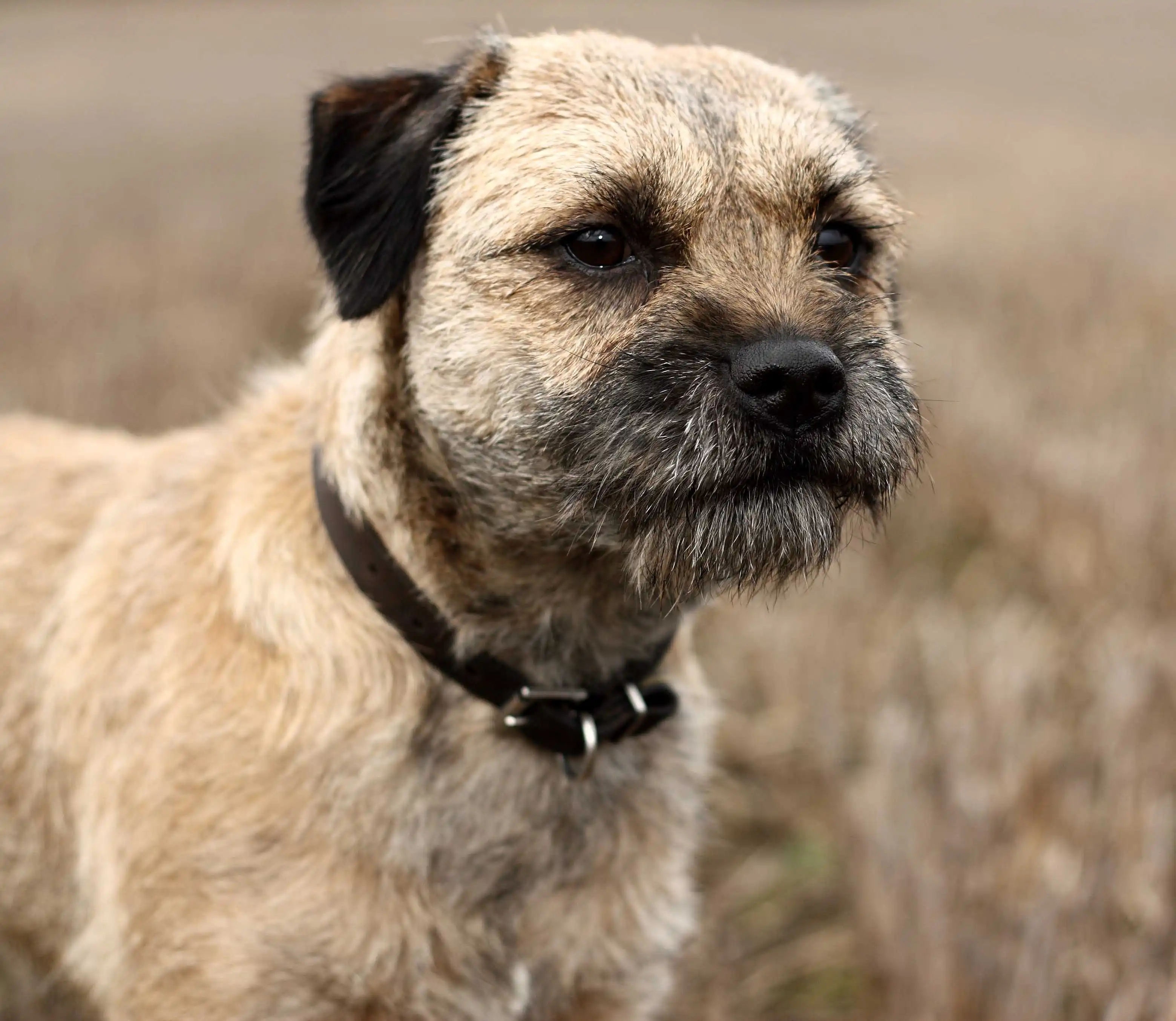
Border Terriers are warm and loving companions, making them delightful pets. Originally bred for fox hunting, these terriers were tasked with driving foxes out of their burrows, enabling hounds to chase them. Recognized as one of Britain’s oldest terrier breeds, the Border Terrier is characterized by its energetic nature and a pronounced instinct to dig and hunt. Consequently, they flourish in lively homes that provide plenty of chances for play and physical activity. Their unique rough coat needs to be brushed weekly, and it’s recommended to seek professional grooming a few times each year.
Breed Origin
Originally referred to as the Coquetdale Terrier or Redesdale Terrier, the Border Terrier takes its name from the areas of Coquetdale and Redesdale, where it was first developed. In the 1800s, it adopted the name Border Terrier, reflecting its association with the Border Hunt in Northumberland. This breed is believed to have lineage connections to both the Bedlington Terrier and the Dandie Dinmont Terrier, all originating from the same region. Bred by farmers and shepherds along the England-Scotland border, the Border Terrier was specifically created to manage the fox population, which threatened livestock. As foxhunting gained popularity as a sport in the 19th century, these terriers accompanied horses and hounds during the hunts. Their legs were crafted to be long enough to keep up with the chase while still being short enough to enter a fox's den. Despite their compact size, Border Terriers are celebrated for their tenacity, intelligence, and strong work ethic. The breed received official recognition from the English Kennel Club as a distinct breed and was registered with the American Kennel Club in 1930. Over the years, Border Terriers have appeared in numerous films and television series, such as "There’s Something About Mary," "Anchorman," "Return to Oz," and "It’s Always Sunny in Philadelphia." Transitioning from a working dog on farms to a cherished companion for the aristocracy, the Border Terrier has evolved into a beloved pet and show dog in modern times.
Breed Appearance
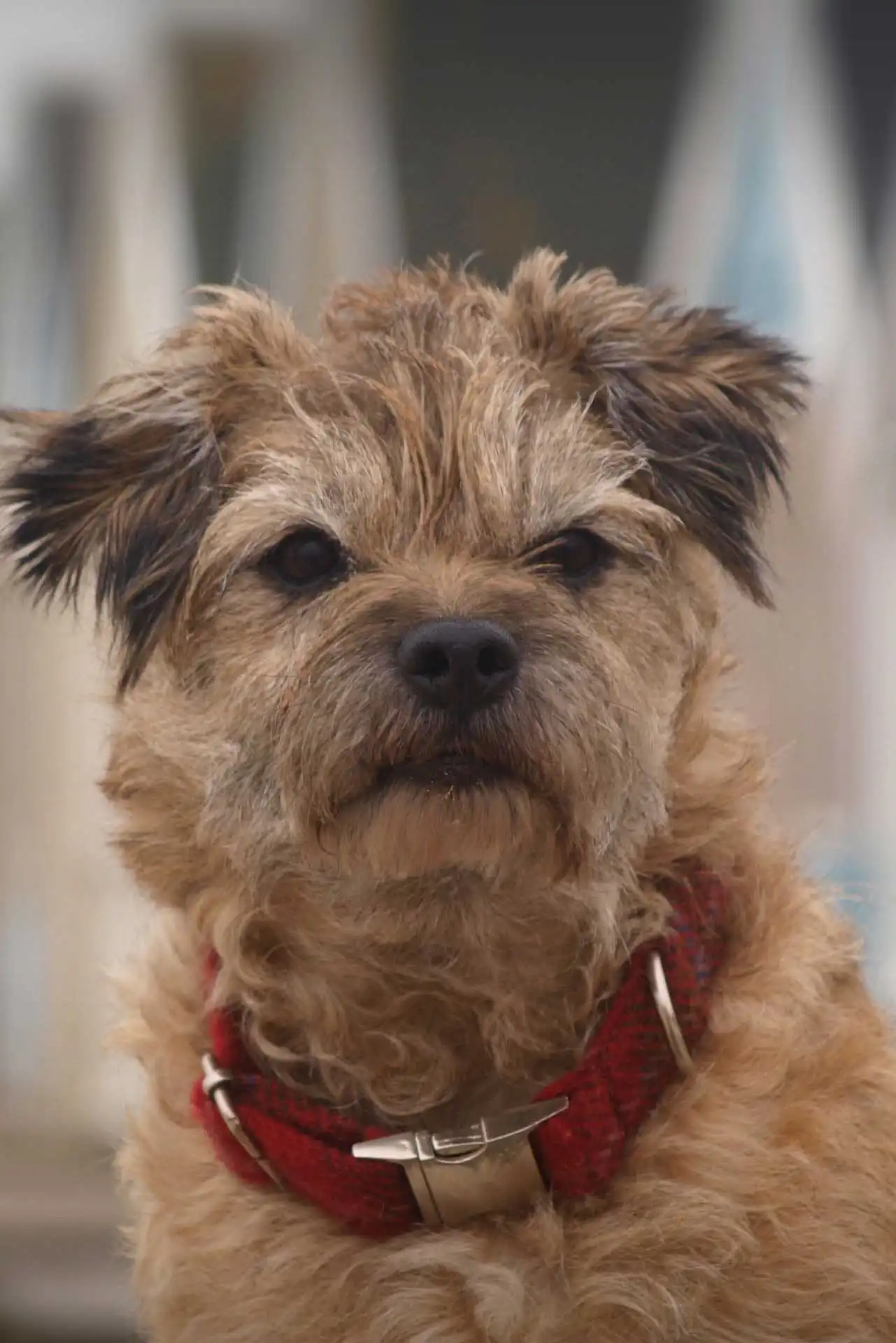
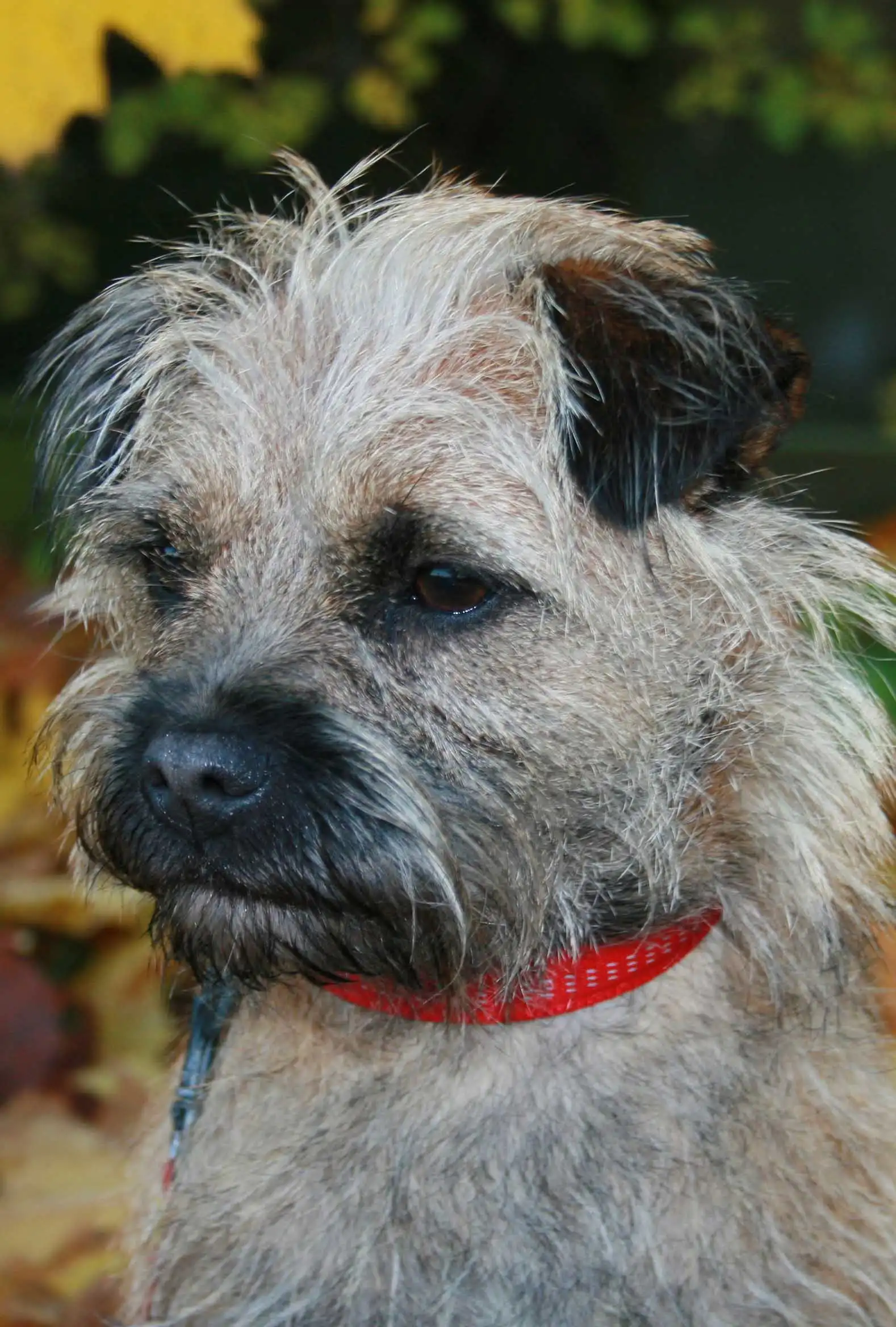
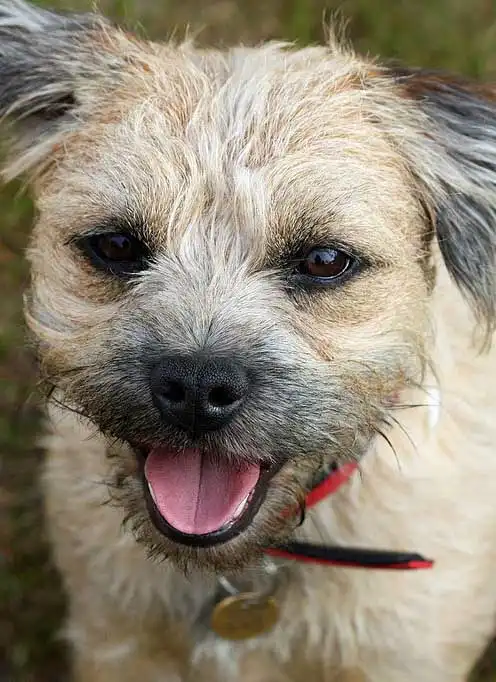
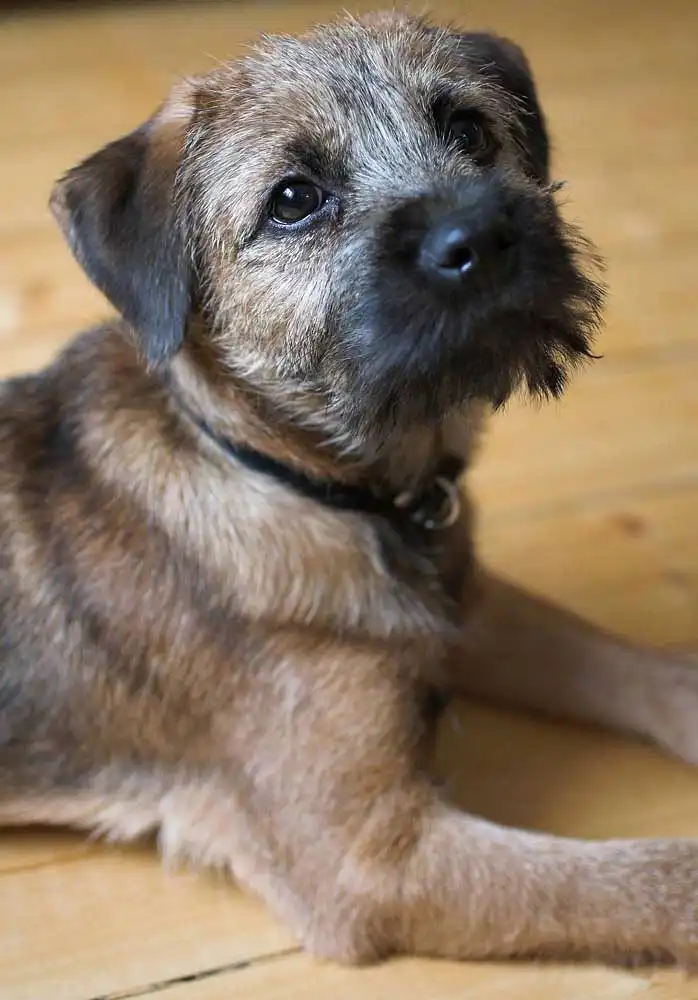
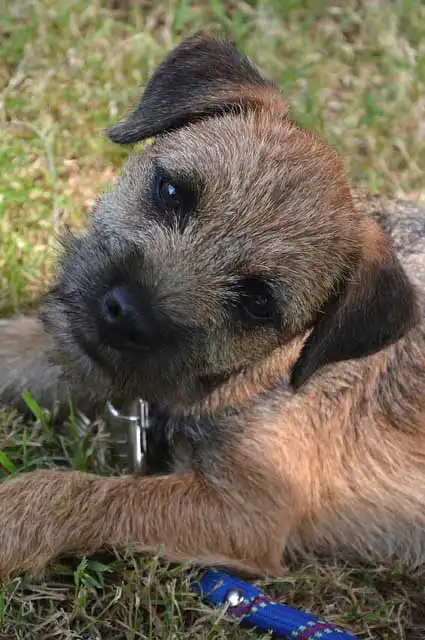
The Border Terrier is easily recognized by its distinctive otter-shaped head, which features a wide skull and a short, dark muzzle. Its coat is short and rough, coming in a variety of colors such as red, blue, tan, wheaten, and grizzle with tan. This breed is known for its small, expressive eyes that often hint at a playful nature, complemented by a black nose and small, folded ears that resemble a "V." The muzzle is adorned with only a few short whiskers, and the Border Terrier has strong teeth that align in a scissor bite. Its tail is moderately short and thick at the base. The breed boasts a double coat that is both short and dense, comprising a soft undercoat and a coarse, dirt-repellent outer layer. Additionally, they have compact feet with thick pads, and their hind legs are particularly muscular.
Care Routine
The coat of a Border Terrier needs to be groomed weekly, with the outer layer hand-stripped several times a year to remove dead hair. This breed is characterized by minimal shedding, making them ideal for individuals with allergies. While regular baths aren't necessary, when you do wash your Border Terrier, it's advisable to use a shampoo designed specifically for terrier coats. Border Terriers are lively dogs that require daily exercise to thrive. With sufficient physical activity, they can easily adapt to living in both apartments and houses. They enjoy both physical and mental stimulation, and interactive toys, like hide-and-seek games, can keep them entertained and stave off boredom. If left alone for extended periods without enough exercise, Border Terriers may start to bark excessively. It's important to have a secure backyard for them, as they are known for their ability to escape. Moreover, if they are unsupervised outdoors, their instinct to dig may come to the forefront.
Behavior & Temperament
Border Terriers are inherently driven by a strong hunting instinct, a characteristic that stems from their historical background. If they do not receive proper socialization during their early development, they may chase and potentially injure smaller animals like cats, squirrels, rats, rabbits, and hamsters. Furthermore, these dogs often find it challenging to coexist peacefully with other dogs of the same sex. Their curious disposition means they thrive in stimulating environments and activities. While they can be trained successfully, their stubborn nature can present some difficulties. They do not respond well to harsh training techniques; rather, they excel with positive reinforcement. This breed is particularly adept at agility training and, as a working dog, they value having a clear sense of purpose. Border Terriers also show great enthusiasm for new toys, especially those meant for chewing and play. They can make excellent companions for children, although their high energy levels may be too much for very young kids to handle.
Play & Exercise
Things to Know
Cups Per Day
1.0 Cups
Daily Activity
60 Minutes
Average Lifespan
14 Years
Origin
1700s
Type
Pure Breeds
Size
Small
Origin Country
Border of Scotland and England
Brush Frequency
Weekly
Coat Texture
Wiry
Register
Your kids have been begging for a pet forever, and you've recently decided that it's time for your family to get a new addition -- a dog! While everyone is excited for the new arrival, you're wondering if you need to have a dog license. How much does it cost? Is it required? Where do you get one?
Member Clubs

PETINNATE
Terrier

AKC
Terrier Group

UKC
Terrier
Height & Weight
Weight
13 lbs (6 kg)Male: 14 lbs (6 kg) , Female: 13 lbs (6 kg)
Height
11 inches (28 sm)Male: 11 inches (28 sm) , Female: 11 inches (28 sm)
6 Months
10 lbs ( m 10 lbs, f 10 lbs )
8 inches ( m 8 inches, f 8 inches )
12 Months
11 lbs ( m 11 lbs, f 11 lbs )
9 inches ( m 9 inches, f 9 inches )
18 Months
14 lbs ( m 14 lbs, f 14 lbs )
10 inches ( m 10 inches, f 10 inches )
Eye Colors
Brown

Nose Colors
Black
Coat Colors
Black
Gray

Red

Cream
Blue

Brindle
Characteristics
Mixes
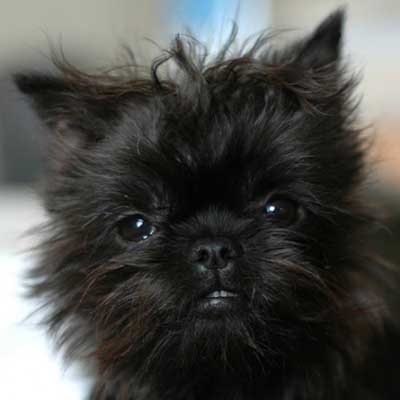
Affen Border Terrier
Affen Border Terriers are a small dog breed that emerges from the combination of the Affenpinscher and the Border Terrier. Renowned for their vibrant personalities, these dogs rank among the sturdier Terrier types and are often characterized as playful, clever, and loyal companions. Typically, they measure between 10 to 14 inches in height and possess short to medium-length, coarse, wiry coats, complemented by their unique “monkey-like” facial features. Although they require moderate upkeep, it is essential to provide them with adequate training and mental stimulation to prevent any behavioral issues.
Read more