Dog Breeds Starting With g
Browse dog breeds whose names start with g and explore their unique characteristics.
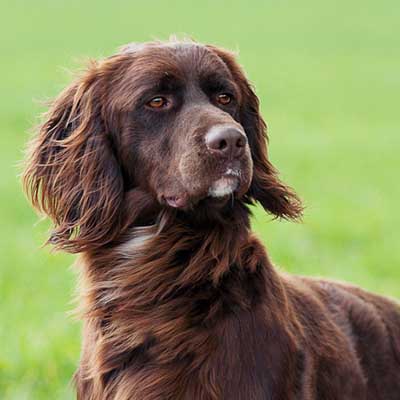
German Long Haired Pointer
The German Longhaired Pointer is a friendly and intelligent breed, but it can be prone to experiencing separation anxiety. As a classic example of German pointers, this breed is characterized by its webbed feet. Without proper training, it may display aggressive tendencies, especially when it comes to food. To develop a well-adjusted companion, early socialization is crucial. This breed requires plenty of exercise to remain happy and healthy, as it flourishes when given a purpose rather than being inactive. Moreover, children can make excellent playmates for the German Longhaired Pointer.
Read more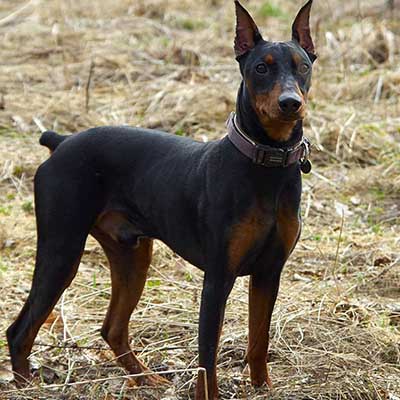
German Pinscher
The German Pinscher is a breed that exudes grace, strength, and a dignified presence. Originating in 17th-century Germany, this medium-sized dog was developed from the Black and Tan Terrier, eventually leading to the formation of the Rattenfanger. Celebrated for its effectiveness as both a watchdog and a rat-catcher, the Rattenfanger was known for its unwavering dedication to its tasks. Typically, the German Pinscher stands at a height comparable to an average adult's knee, showcasing a muscular build beneath its sleek fur. Its head is characterized by a unique wedge shape, and its dark, attentive eyes reflect a keen eagerness. As a companion, the German Pinscher is always eager to embrace new adventures. Initially bred for pest control, this breed has evolved into a recognized guard dog, loyal companion, and versatile working dog. While it tends to be cautious and may take time to warm up to strangers, the German Pinscher thrives in environments that are not overly stimulating, particularly those without boisterous children. This breed is fiercely protective of its family and territory, and with appropriate training, it can develop a well-rounded temperament around others. Caring for a German Pinscher is relatively simple; it sheds moderately and benefits from weekly grooming. This breed flourishes in spacious living conditions where it can roam freely and requires daily exercise to keep its mind active, making it an excellent choice for those with an active lifestyle.
Read more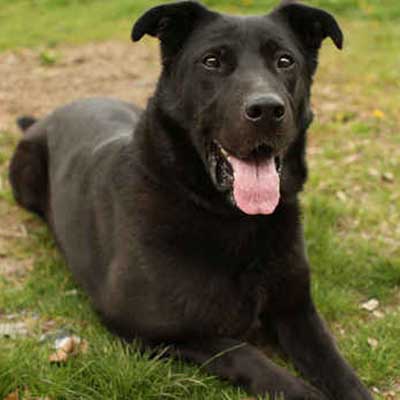
German Sheprador
The German Sheprador is a mixed breed resulting from the combination of a German Shepherd and a Labrador Retriever. This sizable dog is not only an alert guardian but also a loving companion. Although he sheds a moderate amount and requires consistent grooming, his coat is generally short, resembling that of the Labrador, although he might also have a double coat inherited from his German Shepherd ancestry. Renowned for his ability to learn quickly, he is especially great with kids, displaying both loyalty and a protective instinct. His substantial stature often acts as a strong deterrent against potential intruders.
Read more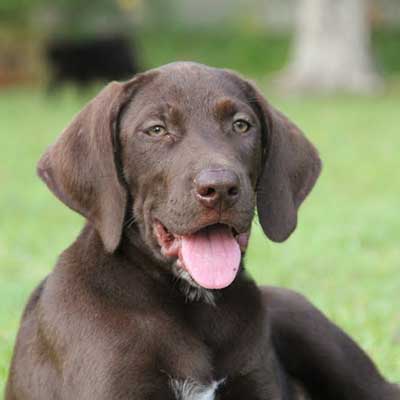
German Shorthaired Lab
The German Shorthaired Lab is a hybrid breed resulting from the combination of the German Shorthaired Pointer and the Labrador Retriever. This sizable dog is an agile and eager hunter, benefiting from the strong lineage of its parent breeds, which originate from Germany and Newfoundland, Canada. Both breeds are adept in diverse environments, thriving on land and in water alike. This mix is particularly suitable for novice pet owners, thanks to its sociable and easygoing nature with people and other pets. Although it tends to be relatively calm, the German Shorthaired Lab requires consistent exercise and has moderate grooming needs.
Read more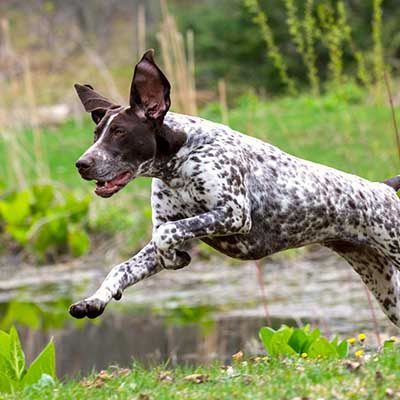
German Shorthaired Pointer
If you've ever seen a cartoon dog abruptly stop and dramatically point at something, you've caught a glimpse of what a Pointer embodies—albeit in a comically exaggerated way! The German Shorthaired Pointer, or GSP for short, is a dynamic hunting breed that hails from Germany and has been a reliable hunting partner for many years. The current version of this breed was developed in the early 1800s and is easily identifiable by its short, spotted coat, distinct head, and elongated body that narrows from the snout to the tail. Its ancestry dates back to the 1600s, with early breeds playing a significant role in the development of the dog we recognize today. This energetic and lively breed is not only exceptionally intelligent but also makes a fantastic family pet, thriving as both a hunter and a sporting dog. With roots that include pointers and bloodhounds, the German Shorthaired Pointer is both vocal and full of energy, necessitating plenty of exercise to keep its high energy in check. While it may bark at strangers, it does so in a friendly way, showcasing the breed's sociable disposition. Although it was initially bred for hunting, the German Shorthaired Pointer is now increasingly appreciated as a family companion and show dog in modern times.
Read more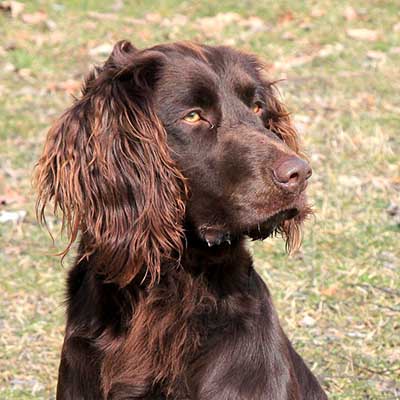
German Spaniel
The German Spaniel is a sturdy, medium-sized breed recognized for its dual roles as a hunting companion and a family pet. Although it is relatively rare outside of Germany, it is quite popular among German hunters and gamekeepers. Typically, the German Spaniel is a friendly dog that generally gets along well with most individuals, although his high energy levels might be overwhelming for very young children. This breed can show some stubbornness, which means that a confident and assertive owner is important. To keep him engaged and curious, training should be dynamic and varied. Furthermore, having a securely fenced yard is crucial to prevent him from wandering off and hunting in the neighborhood.
Read more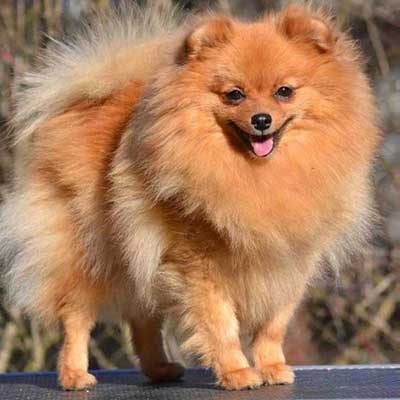
German Spitz
The German Spitz, while reminiscent of a larger Pomeranian, is a distinct breed with its own identity. It is available in two sizes: klein (small) and mittel (medium). These dogs are characterized by their playful, loyal, and sometimes mischievous demeanor, and they can become quite vocal if they do not receive enough mental and physical stimulation. To keep them entertained, it is important to provide a variety of toys and engage them in activities. Furthermore, due to their strong instinct to chase, they may not be suitable companions for smaller dogs or pets like cats, birds, ferrets, and hamsters. The breed's history is thought to date back to the early Stone Age, where they were valued as both hunters and companions.
Read more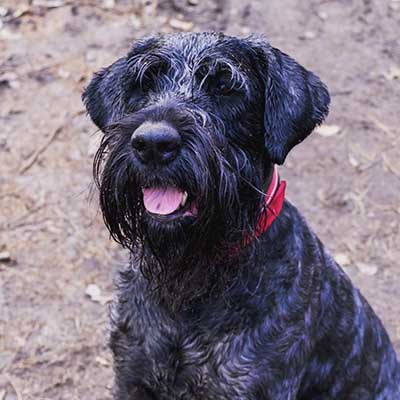
Giant Irish Wolf Schnauzer
The Giant Irish Wolf Schnauzer is a meticulously designed hybrid breed, created through the deliberate crossbreeding of the Giant Schnauzer and the Irish Wolfhound. The Giant Schnauzer, a sturdy dog with origins in Germany, was historically utilized for various farm tasks, such as herding cattle, protecting livestock, and pulling carts. On the other hand, the Irish Wolfhound is a large breed that was traditionally used for hunting and eradicating the now-extinct Irish wolf, and possibly the Irish elk, with roots tracing back to at least 391 A.D. Both breeds are typically sociable and enjoy being around children, regardless of their size. However, they may exhibit excessive energy or clumsiness when interacting with very young kids, especially the younger Giant Irish Wolf Schnauzers. It’s also important to mention that there are Standard and Miniature Irish Wolf Schnauzers, which are bred using either the Standard or Miniature Schnauzer instead of the Giant Schnauzer. These three types of Schnauzers, while sharing similar looks, are distinct breeds that vary significantly in terms of health concerns, temperament, and natural abilities, making the Standard and Miniature Irish Wolf Schnauzers quite different from their Giant relative.
Read more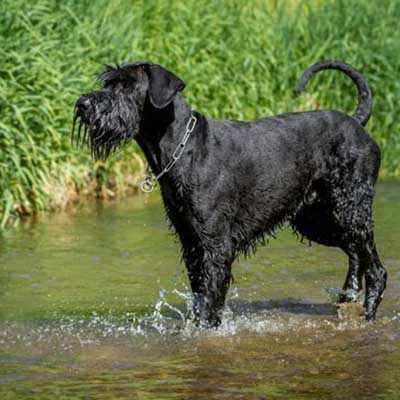
Giant Kerry Blue Schnauzer
The Giant Kerry Blue Schnauzer is a mixed breed that emerges from the combination of a Kerry Blue Terrier and a Giant Schnauzer. The parent breeds typically showcase a variety of colors, including black, salt and pepper, silver, blue, slate blue, and grey. The Giant Schnauzer is characterized by its wiry, robust, and dense coat, which is relatively low-maintenance, while the Kerry Blue Terrier is known for its soft, thick, and wavy fur. Since both parent breeds are recognized for their minimal shedding, it is likely that the Giant Kerry Blue Schnauzer will also exhibit low shedding tendencies. This breed is expected to inherit the lively and playful characteristics of its lineage, making it an excellent choice for families. Furthermore, it has the potential to excel as a working dog in various capacities, including police and military roles.
Read more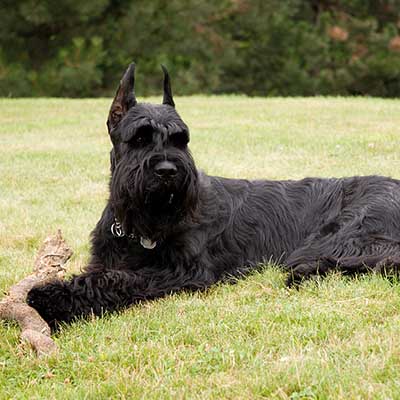
Giant Schnauzer
The Giant Schnauzer is the largest of the three recognized Schnauzer breeds. Initially bred as a working dog, its primary roles included herding cattle and protecting livestock. It is commonly thought that the Giant Schnauzer was developed by crossing the Standard Schnauzer with the Great Dane and the Bouvier des Flandres. Given its demanding temperament and the necessity for extensive training, this breed may not be the best fit for novice dog owners. Known for its intelligence and strong sense of independence, the Giant Schnauzer can be somewhat difficult to keep mentally stimulated. Furthermore, this breed requires considerable grooming, making it a high-maintenance pet.
Read more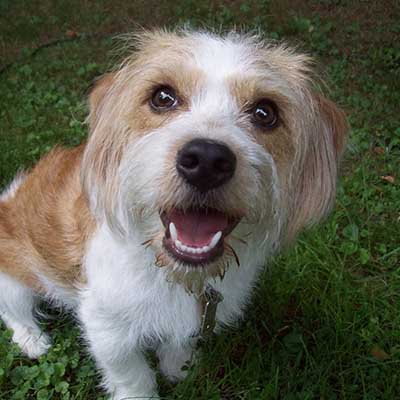
Glechon
The Glechon is a hybrid breed that emerges from the union of the keen Beagle and the loving Bichon Frise. Typically, these dogs weigh between 26 and 40 pounds and are distinguished by their wiry fur, droopy ears, and compact snouts. Renowned for their vibrant personalities, Glechons flourish with attention and relish the companionship of both people and fellow canines. They tend to be energetic and smart, necessitating consistent physical activity and mental stimulation to maintain their happiness. Many owners find their Glechons to be a wonderful source of joy and amusement.
Read more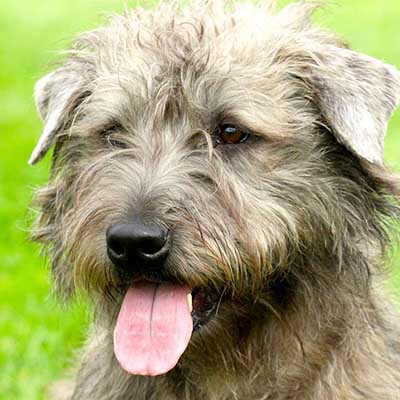
Glen of Imaal Terrier
The Glen of Imaal Terrier is frequently seen as a distinctively shaped small dog. With a sturdy physique and short legs, this breed usually reaches about 14 inches in height at the shoulder. Known for its lively personality, the Glen of Imaal Terrier is incredibly loving towards its family. Originally developed for hunting pests like vermin, badgers, and foxes, this breed has a natural tendency to dig and flourishes when given tasks to accomplish. While he makes a reliable watchdog, his bark can be surprisingly powerful for such a small dog. To manage his Terrier instincts and ensure a peaceful home environment, effective training is crucial.
Read more