Dog Breeds Starting With l
Browse dog breeds whose names start with l and explore their unique characteristics.
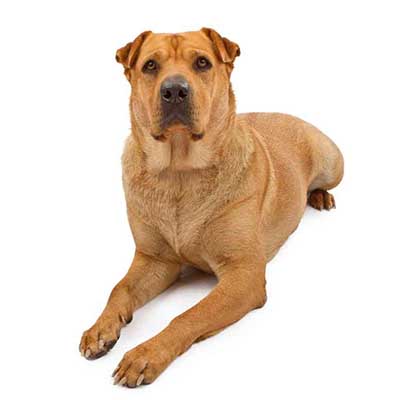
Lab Pei
The Lab Pei, a medium to large hybrid breed, combines the traits of the Labrador Retriever and the Chinese Shar-Pei, celebrated for its loyalty and independent nature. The exact origins of this designer dog are somewhat ambiguous, as the popularity of such breeds has surged only in the last twenty years. It is thought that the Lab Pei first appeared in North America in the early 2000s. Generally, this breed is low-maintenance, needing little grooming. However, their playful and sometimes mischievous demeanor may not make them the best choice for families with young children. With a sturdy and muscular physique, the Lab Pei is a strong dog that typically exhibits moderate activity levels and is known for being relatively quiet, which makes it well-suited for apartment living or urban settings.
Read more
Labahoula
The Labahoula is a strong and tenacious hybrid breed, born from the union of the Labrador Retriever and the Louisiana Catahoula Leopard Dog. Both parent breeds are celebrated for their distinctive spotted fur and captivating eyes, which may occasionally exhibit heterochromia, where each eye showcases a different hue. Generally, the Labahoula inherits the Labrador's loving and gentle nature, combined with the Catahoula's bold and protective traits. However, this hybrid is not suited for individuals seeking a low-energy companion; they are lively and powerful dogs that require ongoing training throughout their lives. These dogs flourish in rural environments or suburban homes that offer plenty of outdoor space.
Read more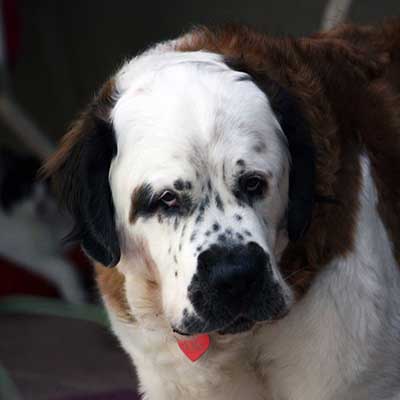
Labernard
The Labernard is a friendly, affectionate, and sociable breed, drawing its personality from its parent breeds: the energetic Labrador Retriever and the gentle Saint Bernard, both of which were originally developed for work purposes. This breed falls into the large to giant category and requires a firm and consistent training approach due to its stubborn nature; therefore, starting training early is recommended. Labernards come in a range of colors, such as white, yellow, brown, tan, black, and red, and possess a short, dense coat with a thick double layer that can lead to discomfort in warmer climates. They shed moderately, so regular grooming is essential to keep their coat healthy. With a strong need for physical activity, the Labernard makes an excellent companion for active families who enjoy outdoor pursuits.
Read more
Labernese
The Labernese is a mixed breed that results from the combination of a Labrador Retriever and a Bernese Mountain Dog. These large, friendly dogs flourish in family settings and struggle when left alone for long periods, often leading to separation anxiety and potentially destructive behavior. Renowned for their gentle temperament, calm disposition, and intelligence, Labernese dogs were initially bred to support individuals who are blind or disabled, making them wonderful family companions. They typically get along well with children and need regular physical activity to stay healthy and content. However, a notable downside of this breed is its relatively brief lifespan. Their coats come in common colors such as black, yellow, chocolate, and white, with patterns that can be solid, bi-colored, or tri-colored. The fur is thick, soft, long, and wavy.
Read more
Labrabull
The Labrabull is a hybrid breed that emerges from the combination of a Labrador Retriever and an American Pit Bull. Generally classified as a medium-sized dog, it often leans towards the larger end of the spectrum. This breed is typically known for its friendly nature, although it may require some socialization to learn proper behavior. Due to its temperament and specific needs, the Labrabull is not ideal for first-time pet owners; experts recommend that potential adopters have previous experience with dogs. Energetic like its Labrador parent, this breed needs regular exercise to prevent weight gain. While it can adapt to apartment living or a secure yard, it's crucial to ensure it is contained, as it may wander if not properly fenced in.
Read more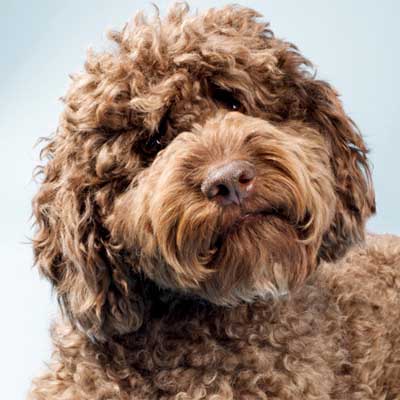
Labradoodle
The Labradoodle is a hybrid breed created by crossing a Labrador Retriever with a Poodle. This designer dog has become increasingly popular, prompting focused breeding initiatives for this specific mix. Labradoodles are known for their loving and playful demeanor, making them excellent companions for older children. However, their energetic nature might not be ideal for families with younger kids. One of their attractive features is their low shedding, which makes them hypoallergenic. They generally interact well with other dogs, but it’s crucial for them to have a safe, enclosed yard to burn off their excess energy.
Read more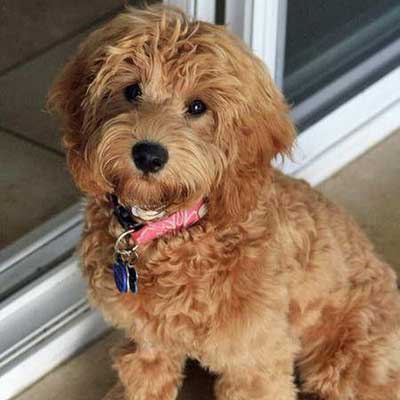
Labradoodle Miniature
The Miniature Labradoodle is a compact version of a beloved hybrid breed. Known for their affectionate nature and intelligence, these dogs thrive on spending quality time with their families and generally display good behavior around people and other animals of all ages. Although they may not be the best choice for a guard dog, they can contribute to home security by barking to signal potential dangers. Typically, these dogs are robust and have a lifespan of 10 to 14 years, with a low likelihood of facing rare health issues. In terms of appearance, they often showcase characteristics from both the Labrador and the Poodle, and they are available in a wide range of coat colors.
Read more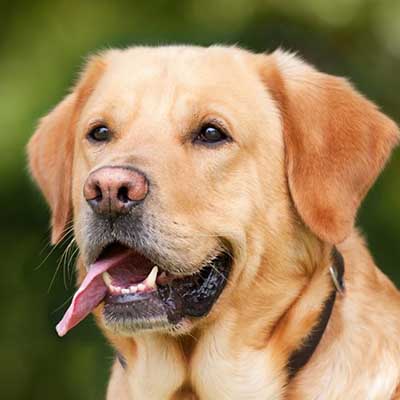
Labrador Retriever
The Labrador Retriever, originally referred to as the St. John’s Water Dog, derives its name from the capital of Newfoundland, situated on Canada’s northeastern Atlantic coast. In this area, these reliable dogs played a crucial role for local fishermen, helping to haul in their nets from the icy waters and retrieving any fish that escaped. Their gentle nature quickly endeared them to families, making Labradors popular household pets. Although many contemporary Labradors enjoy a relaxed home life rather than engaging in labor, they excel as therapy dogs, bringing happiness to the elderly and patients in medical facilities. Furthermore, they are outstanding guide dogs for those with visual impairments and serve as assistance dogs for individuals with disabilities. This breed remains active in various professional capacities, including search and rescue missions and supporting hunters in retrieving game. With their keen sense of smell, Labradors can be trained for numerous tasks, though this training demands significant patience. However, they are not ideal for guarding roles; their friendly demeanor often leads them to welcome intruders rather than deter them, sometimes guiding them to the household’s valuables. Ultimately, Labradors are celebrated for their loyalty and are known for their calm and patient temperament.
Read more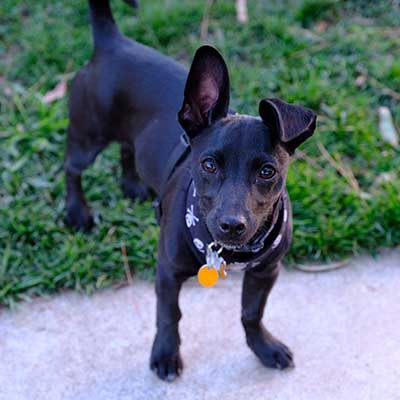
Labrahuahua
A female Labrador Retriever and a male Chihuahua come together to create the unique Labrahuahua. This hybrid breed generally falls within the medium size range and displays physical features and facial traits that reflect both of its parent breeds. Renowned for their loyalty and intelligence, Labrahuahuas tend to form strong bonds with people of all ages. To keep them content, it’s crucial to offer plenty of exercise and affection, which allows them to adapt well to different living environments. These dogs are wonderful companions, require minimal upkeep, and can be expected to enhance your life for about 10 to 15 years.
Read more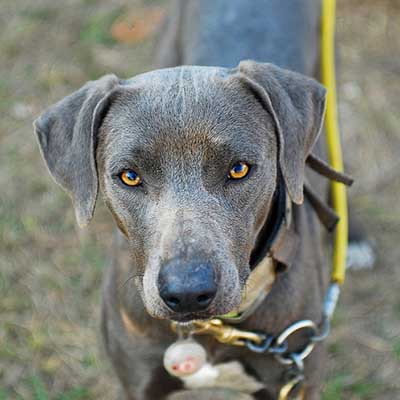
Lacy
The Lacy, commonly known as the Blue Lacy, is a distinctive American dog breed that originated in Texas. Developed in the mid-1800s by the Lacy family, from whom it takes its name, this breed was initially intended as a versatile working dog. Blue Lacys are adept in various roles, such as hunting, herding, and serving as loyal companions. They are particularly known for their strong loyalty, forming deep bonds with their owners and families, which they demonstrate through attentive behavior once trained and through affectionate interactions, even if their playfulness is moderate. Given their background as diligent workers, Blue Lacys are high-energy dogs that need plenty of daily exercise to channel their energy appropriately. As a result, they thrive in active households that can offer them both tasks and sufficient space to run and play. Interestingly, despite their Texan roots, they show remarkable adaptability to extreme weather, flourishing in both the intense heat of Texas summers and the cold of desert winters. While they do require an experienced owner due to their energetic disposition and only moderate sociability with other dogs and animals, Blue Lacys are beloved companions and were officially recognized as the Texas State Breed in 2005.
Read more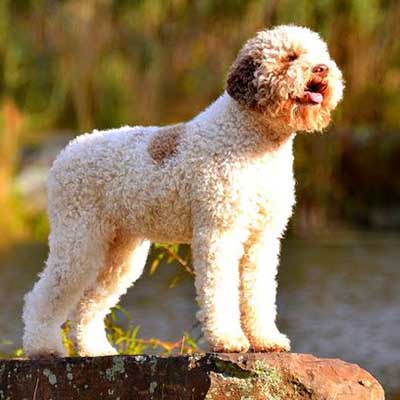
Lagotto Romagnolo
The Lagotto Romagnolo is a historic breed of Italian water dog that experienced extensive crossbreeding with various other breeds to improve its agility and scent-tracking abilities. This, coupled with a drop in its popularity, nearly drove the breed to extinction by the early 20th century. Fortunately, a passionate group of breeders and veterinarians committed themselves to its revival. Their efforts paid off, leading to the breed's recognition by the FCI in 1995 and subsequently by the AKC in 2015. The Lagotto Romagnolo is classified as a small to medium-sized dog, distinguished by its distinctive curly coat, which is made of hypoallergenic hair that repels water, complemented by a thick undercoat for added insulation.
Read more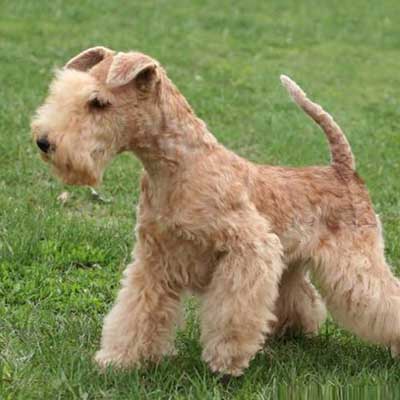
Lakeland Terrier
The Lakeland Terrier is one of the oldest breeds within the Terrier group, initially developed for hunting a range of pests such as otters, badgers, and even foxes. Since some of these animals could be larger than the dog, these Terriers were bred to be remarkably courageous. However, despite their boldness in the field, they are more prone to separation anxiety than many other breeds. Often considered hypoallergenic, Lakeland Terriers have minimal shedding and low odor. Although they don’t need regular baths, keeping their coat healthy requires weekly brushing and occasional clipping or stripping.
Read more