Dog Breeds Starting With n
Browse dog breeds whose names start with n and explore their unique characteristics.
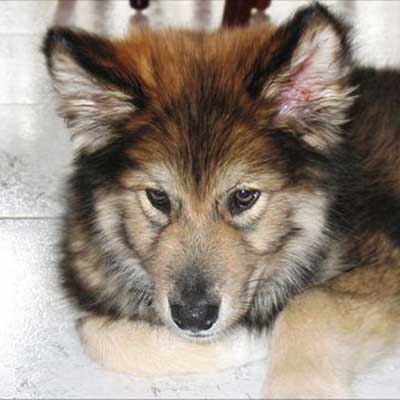
Native American Village Dog
The Native American Village Dog is a hybrid breed resulting from the combination of the German Shepherd and the Native American Indian Dog. Once fully grown, these dogs can reach weights of up to 110 pounds and heights of around 30 inches. They are generally sociable with children and other pets, especially when given proper socialization and training. Renowned for their adaptability, these dogs perform exceptionally well in various activities, including hunting, sledding, and herding sheep. They also excel in agility training, enjoy playing fetch, and cherish time spent with their families. Their eagerness to learn and obedient disposition make them excellent companions, even for those new to dog ownership.
Read more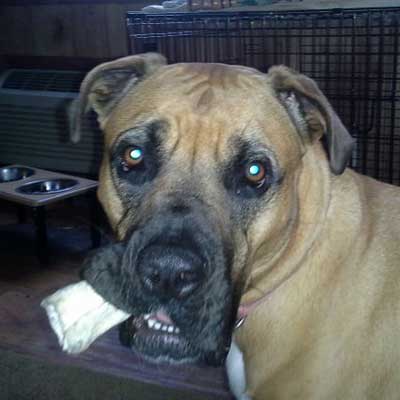
Neo Bullmastiff
The hybrid breed created from the Bullmastiff and Neapolitan Mastiff is known as the Italian Bullmastiff by the Designer Canine Registry, while the American Canine Hybrid Club calls it the Neo Bullmastiff. This breed is quite large, typically exceeding two feet in height at the shoulder and weighing over one hundred pounds. Given their size, it is crucial to provide early socialization and training to foster their generally calm nature. However, their friendly temperament may not always extend to other dogs, particularly those that show aggression or encroach on their space. They may also inherit a tendency to chase smaller animals from their Bullmastiff ancestry. While their grooming and exercise requirements are relatively minimal, these dogs are very social and thrive on interaction with their families, necessitating significant attention to ensure their happiness and emotional well-being.
Read more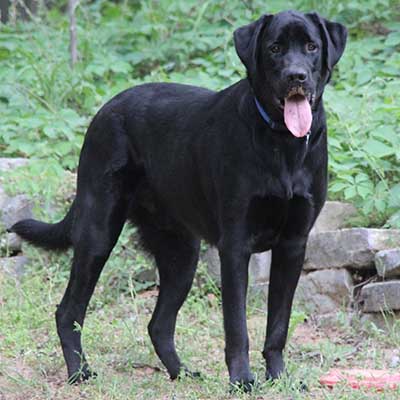
New Labralound
The New Labralound is a hybrid breed resulting from the combination of the Labrador Retriever and the Newfoundland. Both of these parent breeds are large, usually weighing around 100 pounds. Typically, these dogs reach a height of about 26 inches and possess a medium to long coat that is often dense, with textures that can be wavy or straight. Renowned for their friendly disposition, New Labralounds are wonderful family companions, displaying deep affection for children of all ages. They are also known for their patience and gentleness with other animals, including cats and small pets like rabbits, although they may have a natural instinct to retrieve them in certain situations.
Read more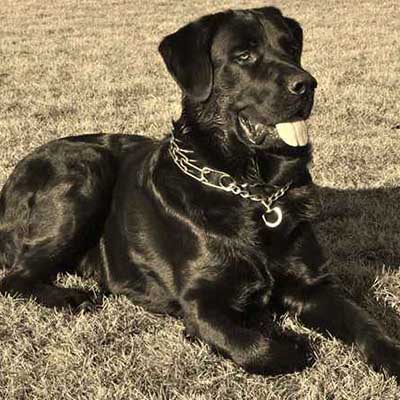
New Rottland
The New Rottland is an extraordinary hybrid breed that merges the traits of the Newfoundland and the Rottweiler. Both parent breeds are known for their large size and gentle demeanor, making them excellent family companions while also serving as dependable guard dogs due to their impressive stature and steadfast loyalty. Typically, these dogs weigh approximately 130 pounds and stand between 28 to 30 inches tall. The New Rottland boasts a dense, medium-length coat that often displays a mix of black, brown, fawn, and cream, reflecting the unique coloration of the Rottweiler combined with the Newfoundland's fur. Renowned for their intelligence and playful disposition, these dogs thrive on interaction with children and other pets, relishing activities such as fetching balls and sticks.
Read more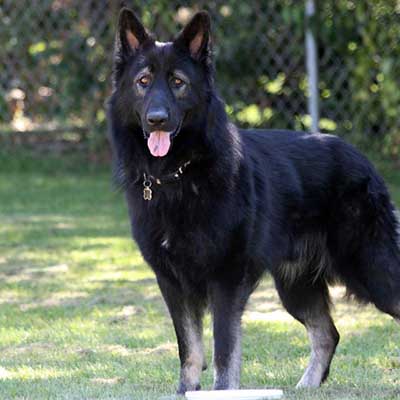
New Shep
The New Shep is a thoughtfully designed hybrid that merges the reliable German Shepherd, celebrated for its contributions to law enforcement and military service, with the affectionate Newfoundland, a breed famous for its love of water. This combination typically produces a dog that is both confident and intelligent, known for its friendly demeanor and tolerance, particularly around children and smaller animals. However, poor breeding practices can result in behavioral issues such as aggression or anxiety, as well as various health concerns. While the New Shep is recognized by both the Designer Breed Registry and the International Designer Canine Registry, it has yet to achieve widespread popularity. As a result, finding a reputable breeder may take some time, but it is essential to ensure that the dog is free from any inherited behavioral or genetic problems related to aggression or nervousness.
Read more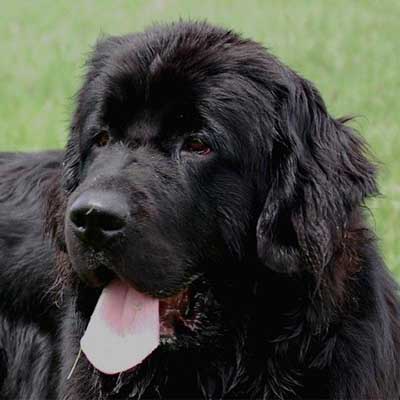
Newfoundland
The Newfoundland is a breed that originates from North America, specifically Newfoundland Island in Canada. While the exact beginnings of this breed are not entirely clear, it is thought that European fishermen introduced its ancestors to the island. Some theories propose that the Newfoundland may have descended from the white Great Pyrenees, while others suggest a connection to a French hound. Originally developed as a multi-purpose water dog and fishing aide, the Newfoundland has since become crucial in water rescue efforts. This sizable breed generally weighs between 130 and 150 pounds, with males reaching about 28 inches in height and having a body that is slightly longer than it is tall. With their sturdy build and strong bones, Newfoundlands have the power needed to rescue individuals from drowning, even in rough waters. Their webbed feet and water-resistant fur aid in swimming, while their strong, effortless gait enhances their ability to pull effectively.
Read more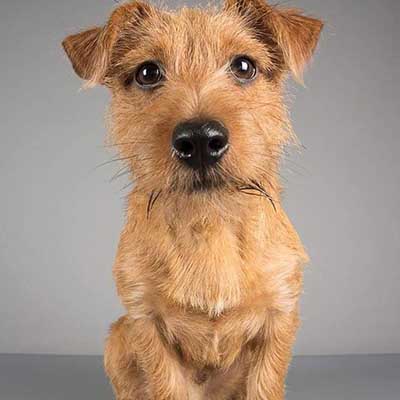
Norjack
The Norjack is an uncommon designer dog, intentionally bred from two energetic terrier breeds: the Norfolk Terrier and the Parson Jack Russell Terrier. Both of these parent breeds are relatively recent, having been developed over the past two hundred years. The Parson Jack Russell was created in the 19th century to serve as a fox hunting companion, specifically trained to corner and hold a fox until hunters could arrive. On the other hand, the Norfolk Terrier was established in the 20th century, descending from a proficient rat catcher found in the urban areas surrounding Cambridge University. This hybrid breed is recognized for its intelligence, but it can also be quite demanding, requiring ample socialization, training, and attention to flourish.
Read more