Dog Breeds by Energy Level
Energy Level refers to how a dog typically behaves or responds in everyday situations. Individual dogs may vary based on training, environment, and genetics.
High-energy dogs are always ready and waiting for action. Originally bred to perform a canine job of some sort, such as retrieving game for hunters or herding livestock, they have the stamina to put in a full workday. They need a significant amount of exercise and mental stimulation, and they're more likely to spend time jumping, playing, and investigating any new sights and smells. Low-energy dogs are the canine equivalent of a couch potato, content to doze the day away. When picking a breed, consider your own activity level and lifestyle, and think about whether you'll find a frisky, energetic dog invigorating or annoying.
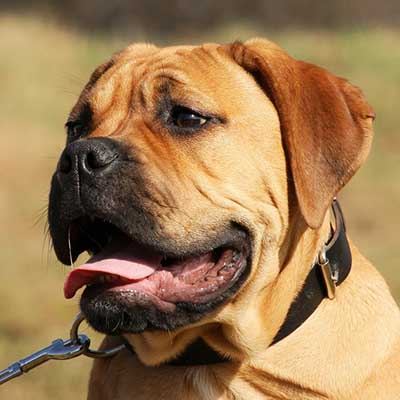
Bullmastiff
In 1795, historical accounts reveal that the Bullmastiff was created by crossing the Mastiff with the Bulldog, resulting in a genetic makeup of approximately 60% Mastiff and 40% Bulldog. To achieve purebred status, these dogs underwent three generations of selective breeding. Originally, their primary function was to track and capture poachers, but their roles later evolved to include service in military and law enforcement, as well as acting as guardians for the Diamond Society of South Africa. Today, the Bullmastiff is celebrated for its loyalty and gentle nature. While they may seem formidable and can show aggression if provoked, their usual temperament is calm and affectionate. They are known for their gentle disposition, patience with children, and a strong desire for human leadership. This breed thrives under the guidance of a strong, fair, and consistent owner who can earn their respect and provide clear direction. Bullmastiffs are receptive to training, but they are also sensitive to the tone of voice, which means that assertive yet gentle communication is essential. They make excellent family pets, offering protection without unnecessary aggression unless they perceive a threat. With appropriate socialization during their early years and consistent guidance, they can develop into devoted and loyal companions.
Read more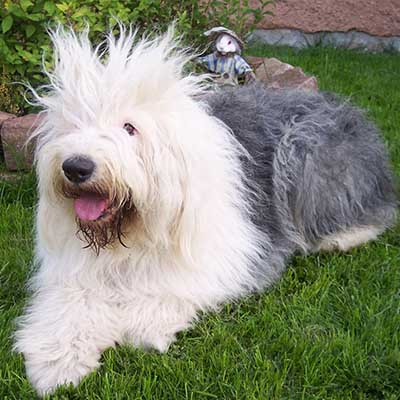
Old English Sheepdog
The Old English Sheepdog, one of the most ancient dog breeds, gained recognition from the American Kennel Club merely four years after the organization was founded in 1888. Currently, it holds the position of the 75th most popular breed in the United States. This breed is notable for its substantial size and unique shaggy fur, having featured prominently in various television shows and movies, as well as being a popular contender in dog competitions. Old English Sheepdogs are not only robust but also gentle and exceptionally intelligent, adept at mastering a wide array of commands and tasks. Their dense double coat often partially covers their eyes and comes in several color variations, with the most common being grizzle and white, gray and white, blue merle and white, blue gray and white, and blue and white.
Read more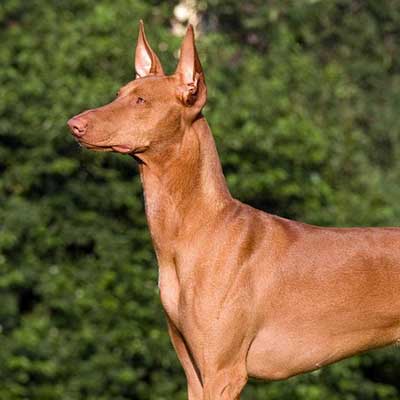
Pharaoh Hound
The Pharaoh Hound, recognized for its reserved yet spirited personality, has origins dating back to around 3000 B.C. While it has traditionally been thought to originate from Ancient Egypt, recent genetic research suggests that its true beginnings are in Malta. Ancient Egyptian hieroglyphics provide evidence of the Pharaoh Hound's long-standing presence, indicating that this breed has existed for millennia. With a strong and athletic physique, the Pharaoh Hound exhibits a graceful and elegant movement. Initially bred for hunting small game, it utilizes its sharp senses of sight, sound, and smell. This breed boasts an exotic and noble appearance, brimming with energy and a love for playful pursuits. The Pharaoh Hound shines in agility and lure coursing, demonstrating its remarkable athletic abilities. Grooming is simple due to its short, glossy coat, which only requires weekly brushing to manage shedding. For optimal well-being, the Pharaoh Hound thrives in an environment that meets its exercise needs.
Read more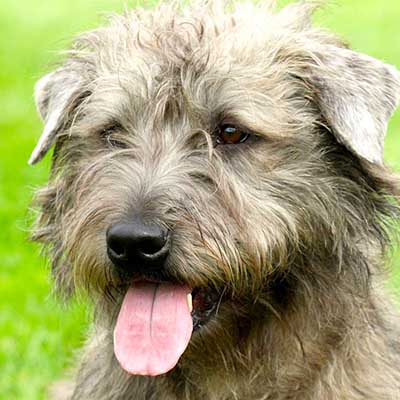
Glen of Imaal Terrier
The Glen of Imaal Terrier is frequently seen as a distinctively shaped small dog. With a sturdy physique and short legs, this breed usually reaches about 14 inches in height at the shoulder. Known for its lively personality, the Glen of Imaal Terrier is incredibly loving towards its family. Originally developed for hunting pests like vermin, badgers, and foxes, this breed has a natural tendency to dig and flourishes when given tasks to accomplish. While he makes a reliable watchdog, his bark can be surprisingly powerful for such a small dog. To manage his Terrier instincts and ensure a peaceful home environment, effective training is crucial.
Read more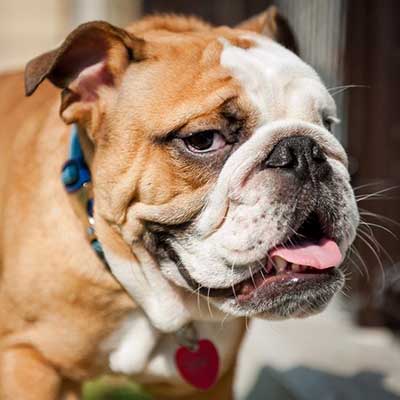
English Bulldog
The Bulldog often reveals a surprising contrast between its fierce, intimidating look and its true character. Beneath that tough facade lies a gentle and loving nature; these dogs are remarkably friendly and deeply value their human companions, all while exhibiting a playful streak of stubbornness. Above all, their loyalty to their families is steadfast. As puppies, Bulldogs are brimming with energy, but they gradually evolve into more laid-back adults. They have a special affinity for children, showcasing impressive patience; when they’ve had enough excitement, they simply relocate to a quieter area. Bulldogs also get along well with other pets, making them one of the most versatile breeds for households with multiple animals. As they age, Bulldogs tend to become a bit more sedentary, preferring to relax by your side and observe their surroundings. While they enjoy playtime with kids, it won’t be long before they seek out their favorite sunny spot for a nap. It’s essential to keep in mind that Bulldogs can easily overheat, so they need a cool retreat during the hot summer months. Additionally, they are known for their drooling and snoring, and their short snouts can lead to specific health concerns. Nonetheless, they are charming and devoted companions that bring joy and laughter to any household.
Read more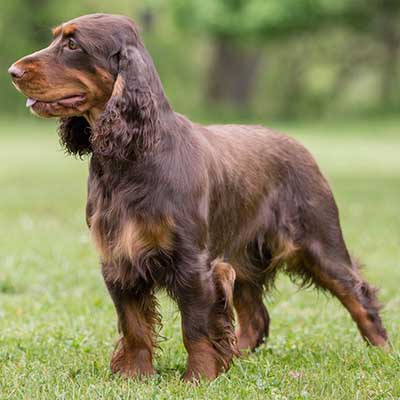
Field Spaniel
The Field Spaniel is a medium-sized dog recognized for its gentle nature and energetic spirit. Initially bred as a hunting companion, this breed gained traction in competitive dog shows during the 19th century. It descended from land Spaniels, diverging from breeds such as the Cocker Spaniel, English Water Spaniel, and Sussex Spaniel. Regrettably, early breeding efforts focused on specific traits nearly pushed the breed to the brink of extinction in the 20th century. Although Field Spaniels do not need specialized grooming, they thrive with weekly brushing to remove dead and loose fur. Additionally, like many Spaniels, they may experience issues with bad breath, which can be alleviated through regular brushing with dental products designed for dogs.
Read more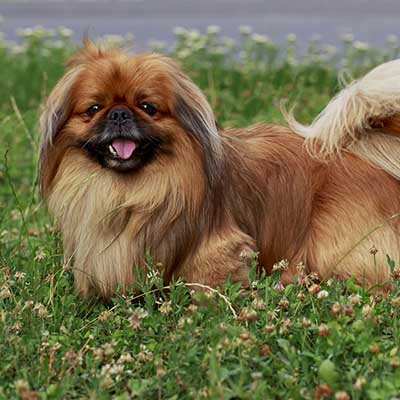
Pekingese
The Pekingese has a rich and esteemed history, having been celebrated as emblems of aristocracy in China. The breed's earliest records trace back to the 8th century during the T’ang Dynasty. Specifically bred to be companions, their name is derived from Peking, the former name of Beijing. These small, toy-sized dogs are known for their distinctive flat faces, lion-like manes, droopy ears, and a confident demeanor. According to Chinese mythology, the Pekingese is believed to be the offspring of a lion that fell in love with a marmoset. They come in a range of colors, including black, cream, fawn, gray, red, sable, and white.
Read more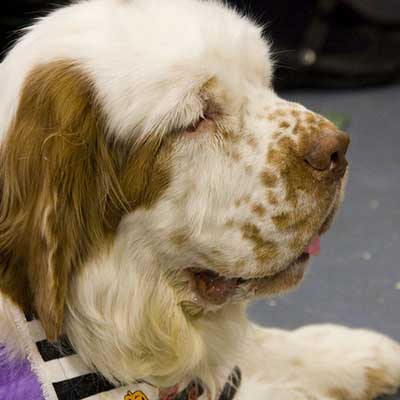
Clumber Spaniel
The Clumber Spaniel, which emerged in the 1700s, is celebrated as one of the oldest and sturdiest breeds within the Spaniel family. Its ancestry is believed to include the Alpine Spaniel, Basset Hound, and Saint Bernard. These dogs typically have a medium height but are characterized by their solid build. Renowned for their gentle and affectionate temperament, Clumber Spaniels often exhibit a playful and somewhat goofy personality. Although they may drool and shed, their intelligence and eagerness to learn make them delightful companions. Commonly known as the "retired gentleman’s Spaniel," they also excel as hunters. While they are generally easy to house train, it’s important not to leave them alone for long periods, as they can become bored and might chew on household items. With their short legs, large heads, and unique stature, Clumber Spaniels have a striking appearance.
Read more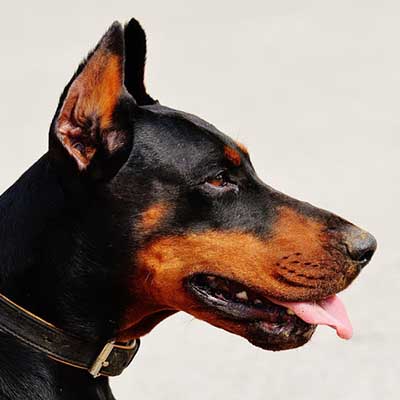
Doberman Pinscher
The Doberman Pinscher is a relatively recent breed, having been developed just over a hundred years ago. Founded by Karl Friedrich Louis Dobermann, this breed was designed to serve as a personal protection dog to aid him during tax collection. Dobermans are medium to large-sized dogs, known for their muscular physique and sleek, shiny coats, often exhibiting a watchful demeanor on their strong, wedge-shaped heads. While they require minimal grooming to keep their coats in good condition, they do need regular, vigorous exercise and mental stimulation due to their athletic nature and intelligence. These dogs are typically very trainable; however, without proper socialization, they may develop dominant or undesirable guarding behaviors that necessitate intervention. Renowned for their remarkable loyalty and alertness, Doberman Pinschers are not only excellent family companions but also excel in roles within the military, police work, and search and rescue operations.
Read more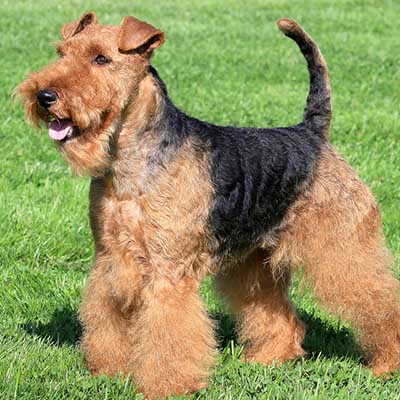
Welsh Terrier
The Welsh Terrier embodies the classic characteristics of a Terrier: courageous, energetic, playful, and spirited. Hailing from Wales in the 1700s, these bearded dogs were initially bred for hunting, adeptly navigating small burrows and caves to flush out game for hunters. While they continue to be employed for hunting and tracking, Welsh Terriers are now more commonly treasured as family pets. They make fantastic companions for children, are excellent running partners, and are always ready to partake in any fun activity you can think of. Historically known as the Black and Tan Wire Haired Terrier due to their striking black and tan coats, these dogs are easily identifiable by their curly beards. The breed was first showcased in England in 1884 and has been a staple in dog shows ever since. When Prescott Lawrence brought them to America that same year, they quickly captured attention at the Westminster Kennel Club, thanks to their distinctive appearance and charming personalities. The American Kennel Club recognized the breed in 1884, which led to the establishment of the Terrier Club of America shortly after. If you’re looking for a dog that will keep you entertained, bring joy to your life, and help manage pesky critters, the Welsh Terrier might be the perfect fit for you. However, it’s crucial to keep in mind that they require ample exercise and can become destructive if they’re not adequately stimulated. By ensuring they remain active and engaged, you can enjoy the delightful companionship of a Terrier that will undoubtedly enhance your life.
Read more
Greater Swiss Mountain Dog
The Greater Swiss Mountain Dog, commonly known as the Swissy, is a gentle and affectionate breed that delights in making its owners happy. Although they are intelligent and can sometimes be a bit headstrong, their steadfast loyalty more than makes up for these tendencies. Generally, they are calm around children, other animals, and friendly guests, but they also make excellent watchdogs thanks to their sharp awareness. Originating from Switzerland, this breed has a rich history that dates back nearly 2,000 years, making it one of the oldest dog breeds in the country. Originally developed for herding, guarding, and draft work, the Greater Swiss Mountain Dog has transformed into a versatile companion, thriving in various activities such as competitive obedience, carting, tracking, and protection.
Read more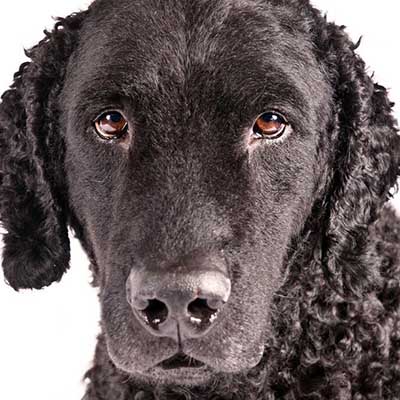
Curly-Coated Retriever
These affectionate and intelligent dogs have vibrant minds that require an active lifestyle to keep them content. They thrive best with owners who can involve them in various activities such as swimming, running, or hiking, along with other forms of physical exercise. Unlike some other Retrievers, they require more social interaction due to their inherent cautiousness around strangers. However, they are generally friendly and playful with other animals. Their cleverness can sometimes lead to playful antics, highlighting the necessity of effective obedience training. The Curly Coated Retriever, commonly known as the Curly or CCR, originated in the United Kingdom and has a history that spans roughly 300 years.
Read more