Dog Breeds by Energy Level
Energy Level refers to how a dog typically behaves or responds in everyday situations. Individual dogs may vary based on training, environment, and genetics.
High-energy dogs are always ready and waiting for action. Originally bred to perform a canine job of some sort, such as retrieving game for hunters or herding livestock, they have the stamina to put in a full workday. They need a significant amount of exercise and mental stimulation, and they're more likely to spend time jumping, playing, and investigating any new sights and smells. Low-energy dogs are the canine equivalent of a couch potato, content to doze the day away. When picking a breed, consider your own activity level and lifestyle, and think about whether you'll find a frisky, energetic dog invigorating or annoying.
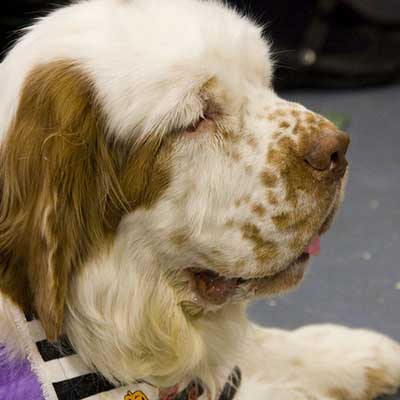
Clumber Spaniel
The Clumber Spaniel, which emerged in the 1700s, is celebrated as one of the oldest and sturdiest breeds within the Spaniel family. Its ancestry is believed to include the Alpine Spaniel, Basset Hound, and Saint Bernard. These dogs typically have a medium height but are characterized by their solid build. Renowned for their gentle and affectionate temperament, Clumber Spaniels often exhibit a playful and somewhat goofy personality. Although they may drool and shed, their intelligence and eagerness to learn make them delightful companions. Commonly known as the "retired gentleman’s Spaniel," they also excel as hunters. While they are generally easy to house train, it’s important not to leave them alone for long periods, as they can become bored and might chew on household items. With their short legs, large heads, and unique stature, Clumber Spaniels have a striking appearance.
Read more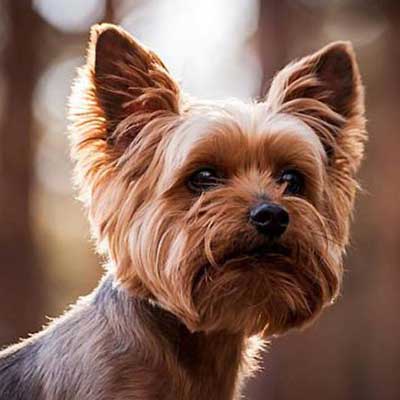
Yorkshire Terrier
The contemporary Yorkshire Terrier is a small breed primarily valued for companionship. In stark contrast, its forebears were much larger and were utilized for hunting small rodents and other vermin. It is thought that the Yorkshire Terrier emerged from a mix of several terrier breeds, with some contributions from the Maltese. Among these breeds are the Skye Terrier, Dandie Dinmont, Manchester Terrier, and the now-extinct Paisley or Clydesdale Terrier. Over the years, this brave little hunting dog evolved into a trendy pet, so petite that many women now carry them in handbags or under their arms. The American Kennel Club officially recognized the Yorkshire Terrier in 1885.
Read more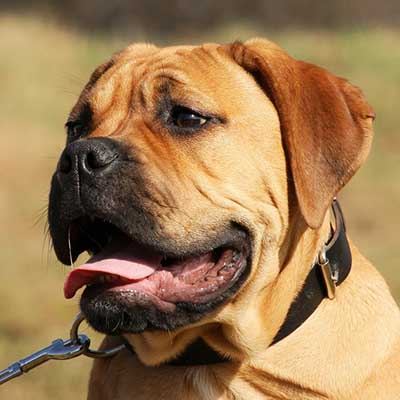
Bullmastiff
In 1795, historical accounts reveal that the Bullmastiff was created by crossing the Mastiff with the Bulldog, resulting in a genetic makeup of approximately 60% Mastiff and 40% Bulldog. To achieve purebred status, these dogs underwent three generations of selective breeding. Originally, their primary function was to track and capture poachers, but their roles later evolved to include service in military and law enforcement, as well as acting as guardians for the Diamond Society of South Africa. Today, the Bullmastiff is celebrated for its loyalty and gentle nature. While they may seem formidable and can show aggression if provoked, their usual temperament is calm and affectionate. They are known for their gentle disposition, patience with children, and a strong desire for human leadership. This breed thrives under the guidance of a strong, fair, and consistent owner who can earn their respect and provide clear direction. Bullmastiffs are receptive to training, but they are also sensitive to the tone of voice, which means that assertive yet gentle communication is essential. They make excellent family pets, offering protection without unnecessary aggression unless they perceive a threat. With appropriate socialization during their early years and consistent guidance, they can develop into devoted and loyal companions.
Read more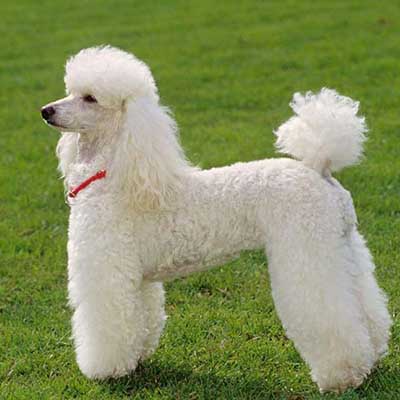
Poodle
Poodles, one of the most ancient dog breeds, are celebrated for their remarkable intelligence and ease of training, which makes them a popular choice among dog enthusiasts. They generally interact well with children and other pets, especially if they are socialized early on. Currently, Poodles are available in several sizes, including Toy, Miniature, and Standard. Each Poodle boasts a dense, curly coat that can range in texture from coarse to wiry and comes in nearly every color imaginable. Although they have charming personalities, they do require significant grooming and are susceptible to various serious health concerns. However, their loving and loyal disposition makes the extra care and attention well worth it!
Read more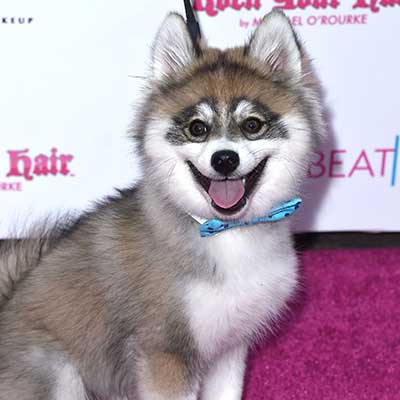
Pomsky
The Pomsky, a popular designer dog breed, is created by crossing a Siberian Husky with a Pomeranian. These dogs are celebrated for their intelligence, playful nature, and occasional stubbornness, often displaying a strong instinct to chase. To prevent potential aggression as they mature, it is crucial to socialize them early on. Generally, Pomskies are small to medium-sized, weighing between 20 and 30 pounds and standing up to 15 inches tall. They are characterized by their beautiful, silky medium-length coats, which typically showcase a combination of two colors. Their eyes can come in various shades, including brown, hazel, blue, or green, and some may even exhibit heterochromia, where each eye is a different color.
Read more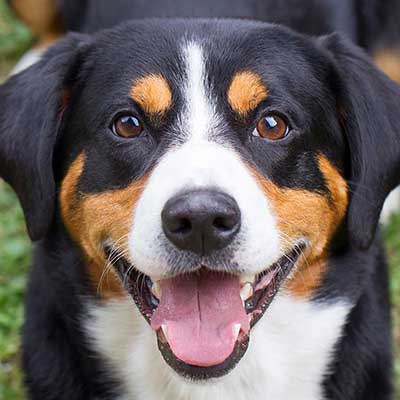
Appenzeller
The Appenzeller Mountain Dog is a sturdy and adaptable breed, although its precise origins are not entirely known. This breed excels in various roles, such as guarding farms, herding livestock, and pulling carts. Despite their strong and muscular physique, they do not fall into the giant breed category. Their dark, expressive eyes enhance the appeal of their short, double coat. Originating from Switzerland, Appenzellers usually sport a black or brown coat with unique symmetrical markings in white and rust. In general, the Appenzeller Mountain Dog is a hardy breed, typically not prone to specific health problems linked to its ancestry.
Read more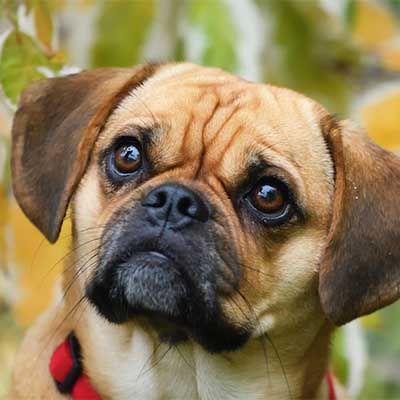
Puggle
The Puggle is a mixed breed that emerges from the crossbreeding of a Pug and a Beagle, first appearing in the United States in the 1980s. This breed beautifully combines the Pug's delightful wrinkles and loving nature with the Beagle's longer tail and snout, which can help alleviate some of the breathing difficulties often seen in brachycephalic breeds. However, Puggles are still known to snore and snort, but their charming personalities and friendly demeanor often cause owners to overlook these traits. They make wonderful family pets, although they can sometimes be headstrong and uncooperative. Puggles also have a propensity to wander and howl, yet their playful and affectionate nature typically endears them to those around them. Regular grooming is important, as they tend to shed quite a bit, helping them maintain a polished appearance.
Read more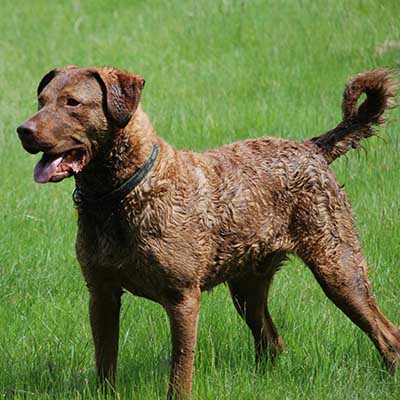
Chesapeake Bay Retriever
The Chesapeake Bay Retriever is a distinctive breed that sets itself apart from other Retrievers. This breed traces its roots back to two Lesser Newfoundland puppies, also referred to as St. John’s Water Dogs, which were saved by an American ship following a shipwreck near Maryland in 1807. These dogs were subsequently crossbred with local breeds, including Water Spaniels, Setters, and Hounds, in a somewhat haphazard manner. Although they share similar roles with other Retrievers, their genetic background is quite unique. Chesapeake Bay Retrievers are known for their striking looks, featuring a slightly oily, musky, waterproof wavy brown coat, captivating amber eyes, and a sturdy, muscular physique. While they are now mainly cherished as family pets and hunting companions, their initial role was to retrieve waterfowl. Renowned for their cheerful disposition, intelligence, and eagerness to please, these dogs excel in work, especially in water-related tasks. Their grooming requirements are relatively low, needing only a weekly brushing and a bath every three to four months. Due to their energetic and robust nature, they benefit from regular, vigorous exercise, whether through walking, running, or hunting geese. To ensure their proper development, consistent training combined with firm yet affectionate discipline is crucial.
Read more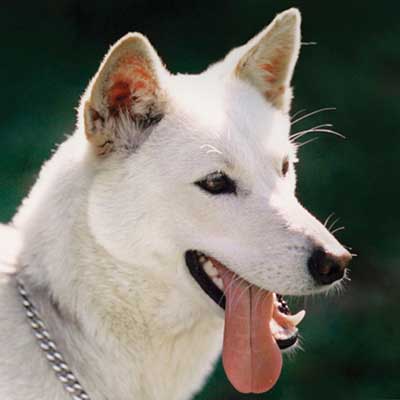
Jindo
The Jindo is a strong and muscular dog belonging to the Spitz family, originating from South Korea. This breed is characterized by its joyful personality and flourishes when engaged in activities. Initially developed as a versatile hunting dog, these instincts remain strong today. Jindos are incredibly loyal, often forming a profound bond with one person while still being friendly with other family members. Adult Jindos may find it challenging to adjust to new environments and have been known to travel great distances to return to their original homes and owners. They are inherently clean and adapt easily to house training. However, without proper socialization with other dogs during their early years, Jindos can display territorial tendencies and may react aggressively towards unfamiliar dogs that enter their space.
Read more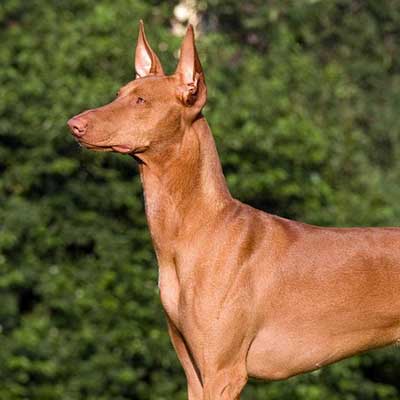
Pharaoh Hound
The Pharaoh Hound, recognized for its reserved yet spirited personality, has origins dating back to around 3000 B.C. While it has traditionally been thought to originate from Ancient Egypt, recent genetic research suggests that its true beginnings are in Malta. Ancient Egyptian hieroglyphics provide evidence of the Pharaoh Hound's long-standing presence, indicating that this breed has existed for millennia. With a strong and athletic physique, the Pharaoh Hound exhibits a graceful and elegant movement. Initially bred for hunting small game, it utilizes its sharp senses of sight, sound, and smell. This breed boasts an exotic and noble appearance, brimming with energy and a love for playful pursuits. The Pharaoh Hound shines in agility and lure coursing, demonstrating its remarkable athletic abilities. Grooming is simple due to its short, glossy coat, which only requires weekly brushing to manage shedding. For optimal well-being, the Pharaoh Hound thrives in an environment that meets its exercise needs.
Read more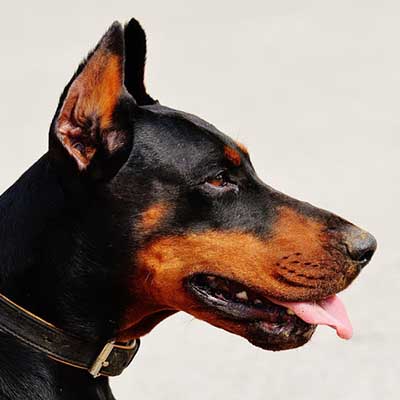
Doberman Pinscher
The Doberman Pinscher is a relatively recent breed, having been developed just over a hundred years ago. Founded by Karl Friedrich Louis Dobermann, this breed was designed to serve as a personal protection dog to aid him during tax collection. Dobermans are medium to large-sized dogs, known for their muscular physique and sleek, shiny coats, often exhibiting a watchful demeanor on their strong, wedge-shaped heads. While they require minimal grooming to keep their coats in good condition, they do need regular, vigorous exercise and mental stimulation due to their athletic nature and intelligence. These dogs are typically very trainable; however, without proper socialization, they may develop dominant or undesirable guarding behaviors that necessitate intervention. Renowned for their remarkable loyalty and alertness, Doberman Pinschers are not only excellent family companions but also excel in roles within the military, police work, and search and rescue operations.
Read more
Greater Swiss Mountain Dog
The Greater Swiss Mountain Dog, commonly known as the Swissy, is a gentle and affectionate breed that delights in making its owners happy. Although they are intelligent and can sometimes be a bit headstrong, their steadfast loyalty more than makes up for these tendencies. Generally, they are calm around children, other animals, and friendly guests, but they also make excellent watchdogs thanks to their sharp awareness. Originating from Switzerland, this breed has a rich history that dates back nearly 2,000 years, making it one of the oldest dog breeds in the country. Originally developed for herding, guarding, and draft work, the Greater Swiss Mountain Dog has transformed into a versatile companion, thriving in various activities such as competitive obedience, carting, tracking, and protection.
Read more