Dog Breeds by Intensity
Intensity refers to how a dog typically behaves or responds in everyday situations. Individual dogs may vary based on training, environment, and genetics.
A vigorous dog may or may not be high-energy, but everything he does, he does with vigor: he strains on the leash (until you train him not to), tries to plow through obstacles, and even eats and drinks with great big gulps. These dynamos need lots of training to learn good manners, and may not be the best fit for a home with young kids or someone who's elderly or frail. A low-vigor dog, on the other hand, has a more subdued approach to life.
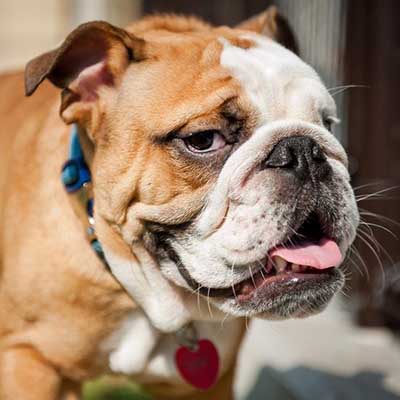
English Bulldog
The Bulldog often reveals a surprising contrast between its fierce, intimidating look and its true character. Beneath that tough facade lies a gentle and loving nature; these dogs are remarkably friendly and deeply value their human companions, all while exhibiting a playful streak of stubbornness. Above all, their loyalty to their families is steadfast. As puppies, Bulldogs are brimming with energy, but they gradually evolve into more laid-back adults. They have a special affinity for children, showcasing impressive patience; when they’ve had enough excitement, they simply relocate to a quieter area. Bulldogs also get along well with other pets, making them one of the most versatile breeds for households with multiple animals. As they age, Bulldogs tend to become a bit more sedentary, preferring to relax by your side and observe their surroundings. While they enjoy playtime with kids, it won’t be long before they seek out their favorite sunny spot for a nap. It’s essential to keep in mind that Bulldogs can easily overheat, so they need a cool retreat during the hot summer months. Additionally, they are known for their drooling and snoring, and their short snouts can lead to specific health concerns. Nonetheless, they are charming and devoted companions that bring joy and laughter to any household.
Read more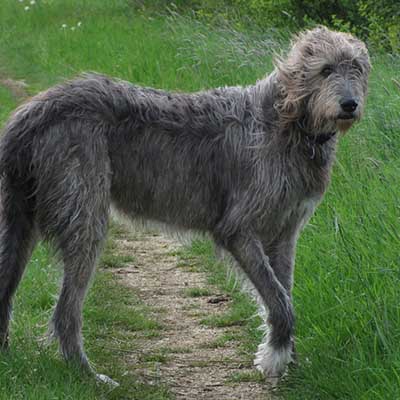
Irish Wolfhound
The Irish Wolfhound is a striking breed that was initially developed to assist in pulling men from their horses and chariots. Beyond its historical significance as a powerful hunting partner, the breed nearly faced extinction due to the dwindling populations of boars and wolves in Ireland. Captain George Graham was instrumental in the breed's revival, incorporating Great Danes and Deerhounds into its genetic line. Once referred to as the "Great Hound of Ireland," these dogs were highly esteemed by the aristocracy, often exchanged as gifts and even becoming the subject of ownership disputes. The American Kennel Club granted official recognition to the Irish Wolfhound in 1897.
Read more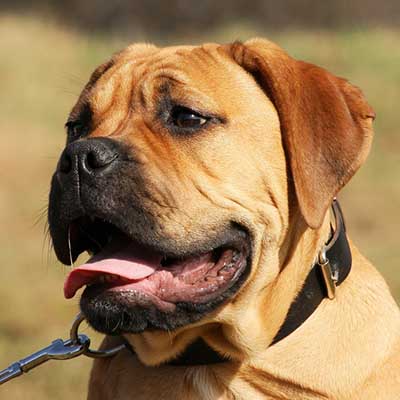
Bullmastiff
In 1795, historical accounts reveal that the Bullmastiff was created by crossing the Mastiff with the Bulldog, resulting in a genetic makeup of approximately 60% Mastiff and 40% Bulldog. To achieve purebred status, these dogs underwent three generations of selective breeding. Originally, their primary function was to track and capture poachers, but their roles later evolved to include service in military and law enforcement, as well as acting as guardians for the Diamond Society of South Africa. Today, the Bullmastiff is celebrated for its loyalty and gentle nature. While they may seem formidable and can show aggression if provoked, their usual temperament is calm and affectionate. They are known for their gentle disposition, patience with children, and a strong desire for human leadership. This breed thrives under the guidance of a strong, fair, and consistent owner who can earn their respect and provide clear direction. Bullmastiffs are receptive to training, but they are also sensitive to the tone of voice, which means that assertive yet gentle communication is essential. They make excellent family pets, offering protection without unnecessary aggression unless they perceive a threat. With appropriate socialization during their early years and consistent guidance, they can develop into devoted and loyal companions.
Read more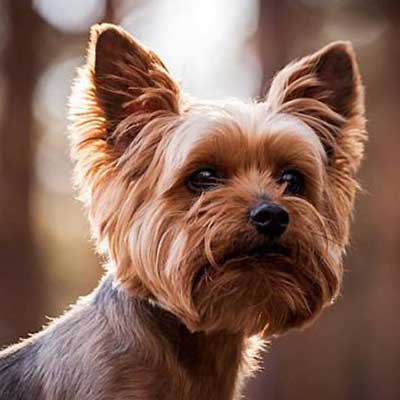
Yorkshire Terrier
The contemporary Yorkshire Terrier is a small breed primarily valued for companionship. In stark contrast, its forebears were much larger and were utilized for hunting small rodents and other vermin. It is thought that the Yorkshire Terrier emerged from a mix of several terrier breeds, with some contributions from the Maltese. Among these breeds are the Skye Terrier, Dandie Dinmont, Manchester Terrier, and the now-extinct Paisley or Clydesdale Terrier. Over the years, this brave little hunting dog evolved into a trendy pet, so petite that many women now carry them in handbags or under their arms. The American Kennel Club officially recognized the Yorkshire Terrier in 1885.
Read more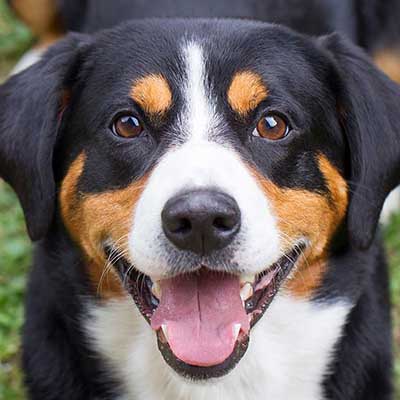
Appenzeller
The Appenzeller Mountain Dog is a sturdy and adaptable breed, although its precise origins are not entirely known. This breed excels in various roles, such as guarding farms, herding livestock, and pulling carts. Despite their strong and muscular physique, they do not fall into the giant breed category. Their dark, expressive eyes enhance the appeal of their short, double coat. Originating from Switzerland, Appenzellers usually sport a black or brown coat with unique symmetrical markings in white and rust. In general, the Appenzeller Mountain Dog is a hardy breed, typically not prone to specific health problems linked to its ancestry.
Read more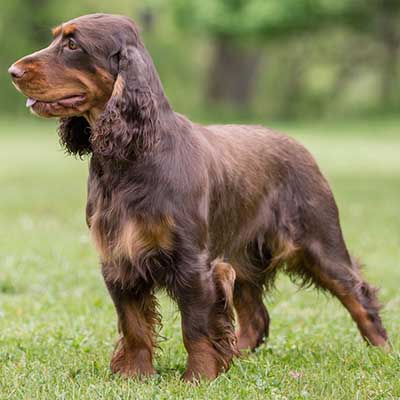
Field Spaniel
The Field Spaniel is a medium-sized dog recognized for its gentle nature and energetic spirit. Initially bred as a hunting companion, this breed gained traction in competitive dog shows during the 19th century. It descended from land Spaniels, diverging from breeds such as the Cocker Spaniel, English Water Spaniel, and Sussex Spaniel. Regrettably, early breeding efforts focused on specific traits nearly pushed the breed to the brink of extinction in the 20th century. Although Field Spaniels do not need specialized grooming, they thrive with weekly brushing to remove dead and loose fur. Additionally, like many Spaniels, they may experience issues with bad breath, which can be alleviated through regular brushing with dental products designed for dogs.
Read more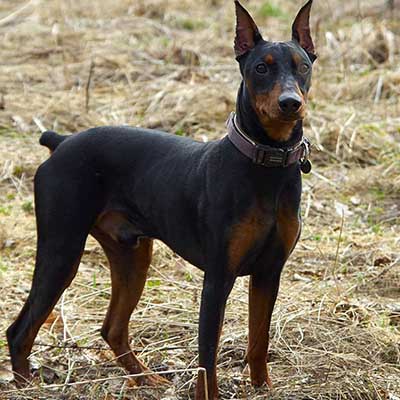
German Pinscher
The German Pinscher is a breed that exudes grace, strength, and a dignified presence. Originating in 17th-century Germany, this medium-sized dog was developed from the Black and Tan Terrier, eventually leading to the formation of the Rattenfanger. Celebrated for its effectiveness as both a watchdog and a rat-catcher, the Rattenfanger was known for its unwavering dedication to its tasks. Typically, the German Pinscher stands at a height comparable to an average adult's knee, showcasing a muscular build beneath its sleek fur. Its head is characterized by a unique wedge shape, and its dark, attentive eyes reflect a keen eagerness. As a companion, the German Pinscher is always eager to embrace new adventures. Initially bred for pest control, this breed has evolved into a recognized guard dog, loyal companion, and versatile working dog. While it tends to be cautious and may take time to warm up to strangers, the German Pinscher thrives in environments that are not overly stimulating, particularly those without boisterous children. This breed is fiercely protective of its family and territory, and with appropriate training, it can develop a well-rounded temperament around others. Caring for a German Pinscher is relatively simple; it sheds moderately and benefits from weekly grooming. This breed flourishes in spacious living conditions where it can roam freely and requires daily exercise to keep its mind active, making it an excellent choice for those with an active lifestyle.
Read more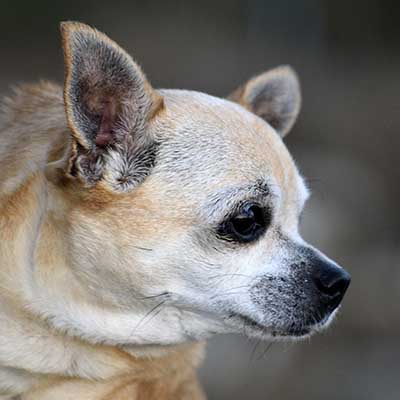
Chihuahua
The Chihuahua, celebrated as the tiniest dog breed in the world, takes its name from the Mexican state of Chihuahua. Both legends and archaeological findings indicate that these dogs originated in Mexico, with toy-like figures resembling Chihuahuas unearthed from Mexico to El Salvador, dating back to approximately 100 AD. Chihuahuas can have either long or short coats and are divided into two main head shapes: “apple heads,” which have rounder skulls, closely spaced eyes, and shorter legs, and “deer heads,” characterized by flatter skulls, wider-set eyes, larger ears, and longer legs. At present, apple-headed Chihuahuas are more popular among dog lovers. They come in a wide array of colors and patterns, but in this breed, the color does not influence the dog's personality. While Chihuahuas are primarily companions, they can take on a guarding role if not properly trained, exhibiting protective behaviors. Known for their spirited nature, loyalty, and protectiveness, Chihuahuas can be quick to react, making them less ideal for families with young children. They often form strong bonds with a single owner, showing a preference for that individual over others in the home, and they typically enjoy the company of fellow Chihuahuas more than that of other dog breeds.
Read more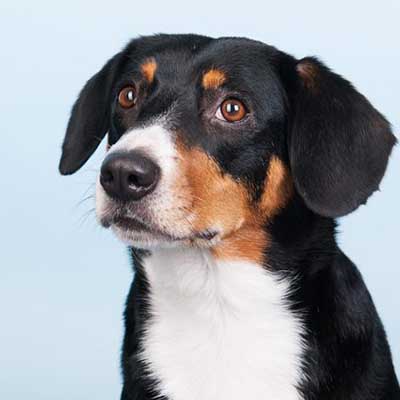
Entlebucher
The Entlebucher Mountain Dog is a sturdy, medium-sized breed known for its distinctive small brown eyes, short coat with multiple colors, and small triangular ears. Its sleek fur typically showcases a blend of white, tan, and black, highlighted by a soft, fluffy blaze and chest area. Among the various Swiss Mountain Dog breeds, the Entlebucher is the smallest, and some suggest it has lineage tracing back to the Mastiffs that accompanied the Romans for protection and warfare. Although the American Kennel Club officially recognized this breed only in 2011, it remains relatively rare in the United States, while it enjoys a strong following in Switzerland. Nowadays, the Entlebucher is primarily appreciated as a family pet rather than a livestock guardian.
Read more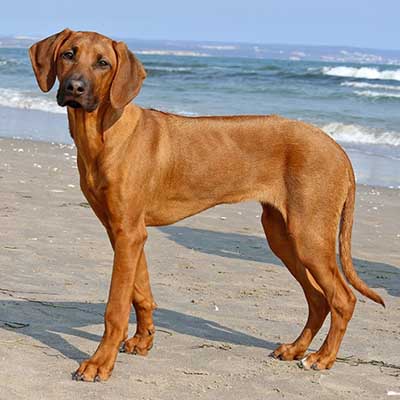
Rhodesian Ridgeback
In their quest for a hunting dog better suited to Africa's challenging climates, Dutch settlers crossbred their imported European breeds with a native tribal dog. This breeding produced a reddish-brown dog characterized by a unique ridge of fur along its back, adept at hunting large game and protecting families and homes. Originally employed for lion hunting, the Rhodesian Ridgeback's loyal and affectionate disposition soon endeared it to families, contributing to its rising popularity in other countries. Today, while it is still appreciated for its keen eyesight and scent-tracking skills, the Rhodesian Ridgeback is also celebrated as a low-maintenance, well-mannered, and energetic companion, thriving in dog shows, protection roles, and playful interactions with its human family.
Read more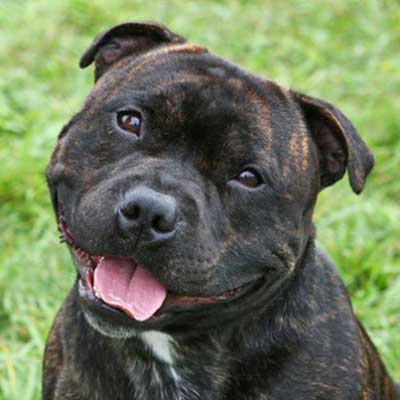
Staffordshire Bull Terrier
Often confused with its colonial counterpart, the American Staffordshire Bull Terrier, the Staffordshire Bull Terrier is somewhat shorter but equally strong and muscular. Commonly known as "Stafford," this breed is celebrated for its lively and playful demeanor. While it does not actively seek out conflict, it is steadfast when challenged. Initially bred for dog fighting and ratting, the Staffordshire Bull Terrier underwent a transformation in its role after such cruel practices were banned in England. Despite its tough image, early breeding focused on cultivating gentler characteristics, which enhanced its loyalty and protective instincts towards its family. Today, this loving breed is an excellent companion for energetic families, full of vitality and enthusiasm for play.
Read more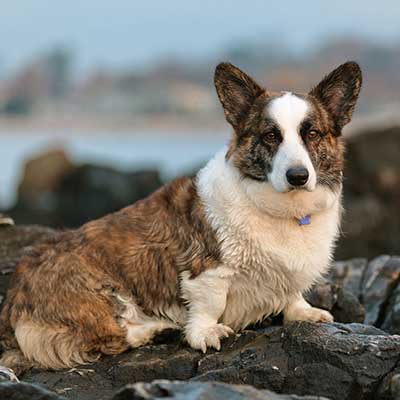
Cardigan Welsh Corgi
These delightful dogs are full of vitality and smarts, always ready to share their love. The Cardigan Welsh Corgi is related to the Dachshund, which likely explains their unique combination of long and short body features. Originally, they had floppy ears, but through selective breeding, they now typically have the upright ears that define the breed. While their initial purpose was to herd cattle, they have also become wonderful companions. With a vibrant personality packed into a compact size, the Cardigan is a playful and engaging pet. He thrives on interaction with his family and radiates happiness, making him a fantastic choice for homes with children. Originating from Wales, the Cardigan Welsh Corgi is endearingly known as the “yard-long dog” and was historically used for herding cattle, safeguarding farms, and controlling pests. Although he may occasionally exhibit herding behaviors, the Cardigan is now primarily recognized in dog shows and cherished as a family pet.
Read more