Dog Breeds by Intensity
Intensity refers to how a dog typically behaves or responds in everyday situations. Individual dogs may vary based on training, environment, and genetics.
A vigorous dog may or may not be high-energy, but everything he does, he does with vigor: he strains on the leash (until you train him not to), tries to plow through obstacles, and even eats and drinks with great big gulps. These dynamos need lots of training to learn good manners, and may not be the best fit for a home with young kids or someone who's elderly or frail. A low-vigor dog, on the other hand, has a more subdued approach to life.
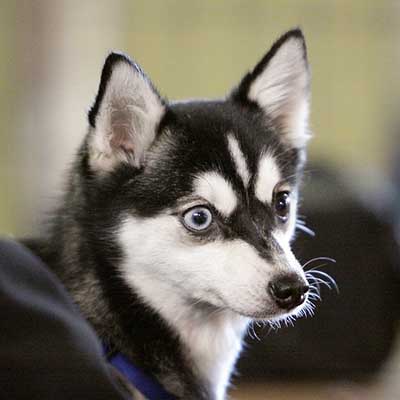
Alaskan Klee Kai
The Alaskan Klee Kai is a breed that emerged in the 1970s, created to be a smaller counterpart to the Alaskan Husky. These energetic, smart dogs are mainly bred for companionship rather than for labor. While they share a resemblance with their larger relatives, Alaskan Klee Kais can thrive in apartment settings, as long as they receive ample exercise and playtime. They might show signs of shyness or hesitation when encountering new people and communicate their emotions—be it fear, happiness, or sadness—through various vocal sounds.
Read more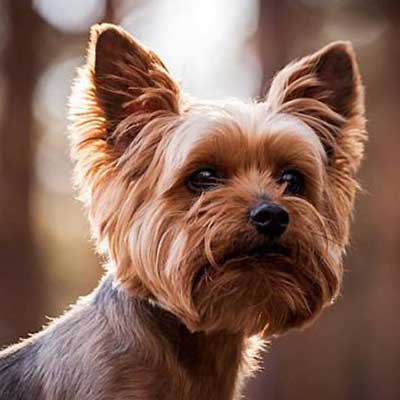
Yorkshire Terrier
The contemporary Yorkshire Terrier is a small breed primarily valued for companionship. In stark contrast, its forebears were much larger and were utilized for hunting small rodents and other vermin. It is thought that the Yorkshire Terrier emerged from a mix of several terrier breeds, with some contributions from the Maltese. Among these breeds are the Skye Terrier, Dandie Dinmont, Manchester Terrier, and the now-extinct Paisley or Clydesdale Terrier. Over the years, this brave little hunting dog evolved into a trendy pet, so petite that many women now carry them in handbags or under their arms. The American Kennel Club officially recognized the Yorkshire Terrier in 1885.
Read more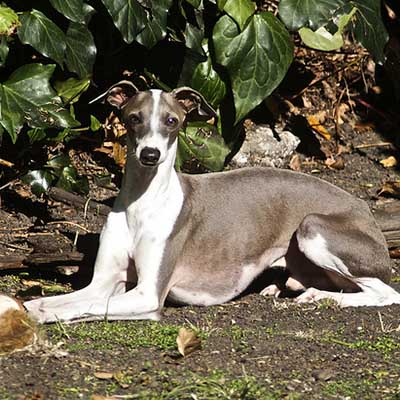
Italian Greyhound
The Italian Greyhound is recognized as the smallest of the sighthound breeds, often referred to as "miniature" due to its petite size. Historical artwork from ancient Egypt depicts dogs that closely resemble this breed. Renowned for their affectionate and lively disposition, Italian Greyhounds were originally bred for hunting purposes but have evolved into cherished companions that enjoy lounging on laps. It is crucial to keep them indoors or in a securely fenced space, as they have a propensity to chase after cars, bicycles, and even pedestrians. Although they are quite intelligent, they can pose challenges during house training. To flourish, they need plenty of love and attention. Furthermore, they may be sensitive to certain insecticides and anesthetics, yet they are generally regarded as healthy dogs overall.
Read more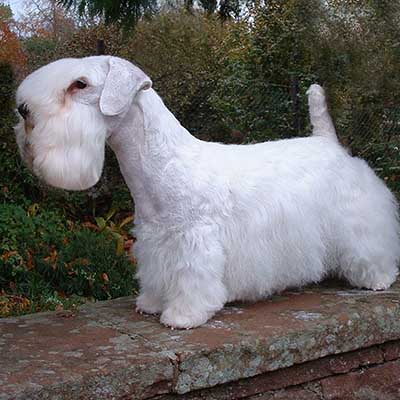
Sealyham Terrier
The Sealyham Terrier is a loyal, loving, and self-reliant breed. Originating from Wales, this small but determined dog was initially bred for hunting badgers, otters, and foxes. Although they are compact, Sealyhams can sometimes display a stubborn nature. In modern times, these dogs enjoy chasing birds, rabbits, and even other pets, such as cats and dogs. Their unique white coat was specifically developed to allow hunters to easily distinguish the dog from its prey. The American Kennel Club recognized the Sealyham Terrier in 1911. While it continues to be a popular choice in dog shows, it is regarded as a rare breed in the United States.
Read more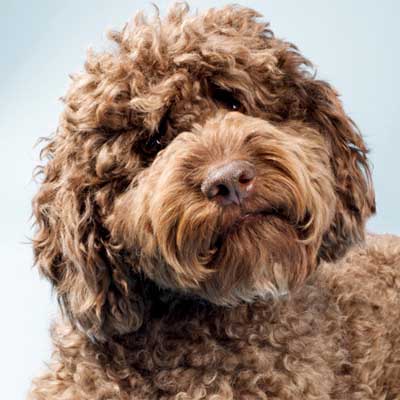
Labradoodle
The Labradoodle is a hybrid breed created by crossing a Labrador Retriever with a Poodle. This designer dog has become increasingly popular, prompting focused breeding initiatives for this specific mix. Labradoodles are known for their loving and playful demeanor, making them excellent companions for older children. However, their energetic nature might not be ideal for families with younger kids. One of their attractive features is their low shedding, which makes them hypoallergenic. They generally interact well with other dogs, but it’s crucial for them to have a safe, enclosed yard to burn off their excess energy.
Read more
Greater Swiss Mountain Dog
The Greater Swiss Mountain Dog, commonly known as the Swissy, is a gentle and affectionate breed that delights in making its owners happy. Although they are intelligent and can sometimes be a bit headstrong, their steadfast loyalty more than makes up for these tendencies. Generally, they are calm around children, other animals, and friendly guests, but they also make excellent watchdogs thanks to their sharp awareness. Originating from Switzerland, this breed has a rich history that dates back nearly 2,000 years, making it one of the oldest dog breeds in the country. Originally developed for herding, guarding, and draft work, the Greater Swiss Mountain Dog has transformed into a versatile companion, thriving in various activities such as competitive obedience, carting, tracking, and protection.
Read more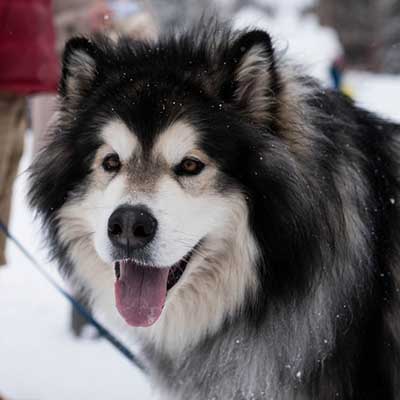
Alaskan Malamute
The Alaskan Malamute, known as the largest sled dog in the Arctic, gets its name from both its geographical roots and the Mahlemut tribe it is linked to. This ancient breed has a history that dates back around 4,000 years, originating with the Inuit people of Alaska. Originally bred to hunt large game such as polar bears and seals, Malamutes are now mainly used for sled pulling and as cherished pets. They generally maintain good health, with an average lifespan of about 12 years, although they may be susceptible to certain genetic conditions like hip dysplasia and cataracts. Their unique double coat allows them to thrive in cold and wet conditions, and they actually prefer cooler climates. Alaskan Malamutes are typically striking in appearance, often showcasing a white base adorned with shades of gray, red, or black. While they bear a resemblance to wolves, their expressions are characteristically softer.
Read more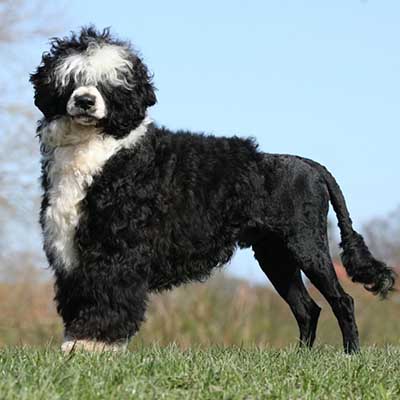
Portuguese Water Dog
The Portuguese Water Dog traces its lineage back to approximately 700 B.C., originally bred to aid fishermen in various tasks related to water. This historical background accounts for their strong affinity for swimming and aquatic activities. Known for their affectionate nature and family-oriented temperament, these dogs are friendly companions for both children and other pets. They are easily recognizable by their unique curly or wavy coats and webbed feet, which make them ideally suited for aquatic life. With their high energy levels and intelligence, Portuguese Water Dogs shine in numerous canine sports, such as tracking, agility, obedience, and trick performance. However, their keen intellect can sometimes lead them to try to outsmart their owners. With proper training and socialization, these dogs can develop good manners and adapt well to various environments.
Read more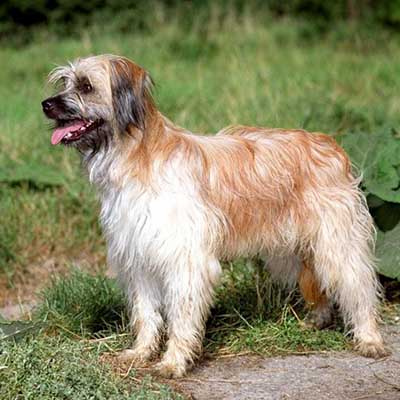
Berger Des Pyrenees
The Pyrenean Shepherd, originating from the Pyrenees Mountains in France around 6000 BC, boasts a rich history of herding and protecting sheep and goats. During World War I, these dogs played crucial roles as messengers, sentinels, and rescue animals. After the war, the energetic Pyr Shep continued its herding and guarding responsibilities while also gaining recognition in competitions and exhibitions. This cheerful breed comes in two distinct types: the rough-faced variety, known for its thick, coarse coat, and the smooth-faced type, which has a softer, finer fur. The Pyrenean Shepherd thrives in an active home environment.
Read more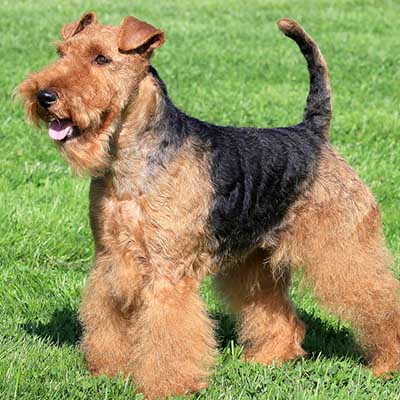
Welsh Terrier
The Welsh Terrier embodies the classic characteristics of a Terrier: courageous, energetic, playful, and spirited. Hailing from Wales in the 1700s, these bearded dogs were initially bred for hunting, adeptly navigating small burrows and caves to flush out game for hunters. While they continue to be employed for hunting and tracking, Welsh Terriers are now more commonly treasured as family pets. They make fantastic companions for children, are excellent running partners, and are always ready to partake in any fun activity you can think of. Historically known as the Black and Tan Wire Haired Terrier due to their striking black and tan coats, these dogs are easily identifiable by their curly beards. The breed was first showcased in England in 1884 and has been a staple in dog shows ever since. When Prescott Lawrence brought them to America that same year, they quickly captured attention at the Westminster Kennel Club, thanks to their distinctive appearance and charming personalities. The American Kennel Club recognized the breed in 1884, which led to the establishment of the Terrier Club of America shortly after. If you’re looking for a dog that will keep you entertained, bring joy to your life, and help manage pesky critters, the Welsh Terrier might be the perfect fit for you. However, it’s crucial to keep in mind that they require ample exercise and can become destructive if they’re not adequately stimulated. By ensuring they remain active and engaged, you can enjoy the delightful companionship of a Terrier that will undoubtedly enhance your life.
Read more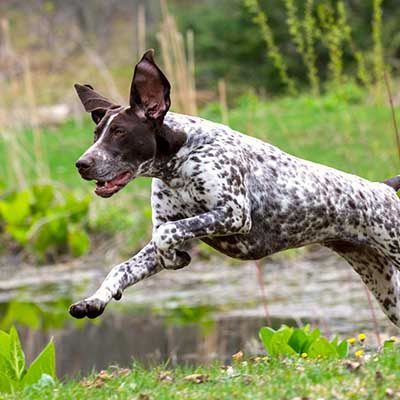
German Shorthaired Pointer
If you've ever seen a cartoon dog abruptly stop and dramatically point at something, you've caught a glimpse of what a Pointer embodies—albeit in a comically exaggerated way! The German Shorthaired Pointer, or GSP for short, is a dynamic hunting breed that hails from Germany and has been a reliable hunting partner for many years. The current version of this breed was developed in the early 1800s and is easily identifiable by its short, spotted coat, distinct head, and elongated body that narrows from the snout to the tail. Its ancestry dates back to the 1600s, with early breeds playing a significant role in the development of the dog we recognize today. This energetic and lively breed is not only exceptionally intelligent but also makes a fantastic family pet, thriving as both a hunter and a sporting dog. With roots that include pointers and bloodhounds, the German Shorthaired Pointer is both vocal and full of energy, necessitating plenty of exercise to keep its high energy in check. While it may bark at strangers, it does so in a friendly way, showcasing the breed's sociable disposition. Although it was initially bred for hunting, the German Shorthaired Pointer is now increasingly appreciated as a family companion and show dog in modern times.
Read more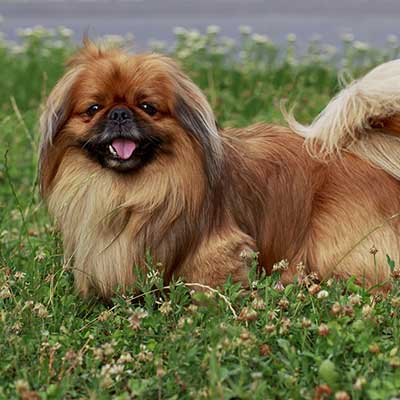
Pekingese
The Pekingese has a rich and esteemed history, having been celebrated as emblems of aristocracy in China. The breed's earliest records trace back to the 8th century during the T’ang Dynasty. Specifically bred to be companions, their name is derived from Peking, the former name of Beijing. These small, toy-sized dogs are known for their distinctive flat faces, lion-like manes, droopy ears, and a confident demeanor. According to Chinese mythology, the Pekingese is believed to be the offspring of a lion that fell in love with a marmoset. They come in a range of colors, including black, cream, fawn, gray, red, sable, and white.
Read more